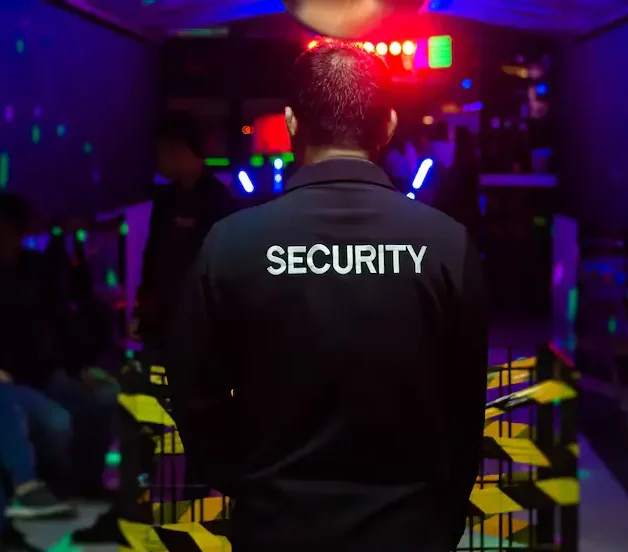
If you’re looking for a career that offers flexibility, decent pay, and constant demand, becoming a licensed door supervisor is one of the smartest routes into the security industry. London’s nightlife, corporate events, and retail sector all rely on trained door supervisors to keep venues safe — and Liverpool Street, sitting right at the edge of the City and Shoreditch, is one of the best places in the capital to start that journey.
This guide walks you through everything you need to know about training near Liverpool Street, what a Door Supervisor Course London actually involves, and how to pick a provider that will set you up for real work, not just a certificate.
What Does a Door Supervisor Actually Do?
A door supervisor isn’t just “the person on the door.” Once qualified and licensed by the Security Industry Authority (SIA), you’ll be responsible for:
- Checking IDs and refusing entry when needed
- Searching guests for prohibited items
- De-escalating conflicts before they turn physical
- Monitoring CCTV and crowd movement
- Responding to medical emergencies until professional help arrives
- Liaising with police, ambulance services, and venue management
It’s a job that blends physical presence with genuine people skills. Good door supervisors are calm communicators first and enforcers second — that’s exactly what a proper training course teaches you.
Why Train Near Liverpool Street?
Liverpool Street station is one of the busiest transport hubs in London, connecting the Underground, Overground, and National Rail lines. That makes it an ideal training location for a few practical reasons:
Easy access from anywhere in London and the South East. Whether you’re commuting from Essex, Hertfordshire, South London, or East London, Liverpool Street sits within easy reach thanks to direct rail and tube links.
Close to where the jobs actually are. The area borders Shoreditch, the City, and the West End’s outer edge — all of which have a dense concentration of bars, clubs, hotels, and corporate venues that regularly hire door staff. Training here puts you close to future employers.
A mix of daytime and evening course options. Many training centres near Liverpool Street understand that people training for security work often have other jobs during the day, so evening and weekend classes are common.
If you search for a Door Supervisor Course London, providers based around this part of the city consistently come up because of how central and well-connected the location is.
What the SIA Door Supervisor Course Covers
To legally work as a door supervisor in England, Wales, or Scotland, you need an SIA licence. To get that licence, you must first complete an approved training course. The standard qualification is the Level 2 Award for Working as a Door Supervisor within the Private Security Industry.
The course is broken into several core units:
1. Working in the Private Security Industry
This unit covers the legal responsibilities of security operatives, health and safety basics, and the standards expected of licensed staff.
2. Working as a Door Supervisor
Here you’ll learn about the specific duties of the role — from admission policies to identifying fake IDs, drug awareness, and how to handle difficult situations professionally.
3. Conflict Management
This is one of the most valuable parts of the whole course. You’ll learn de-escalation techniques, how to read body language, and how to defuse tense situations verbally before they escalate.
4. Physical Intervention Skills
Because door supervisors sometimes need to physically remove or restrain someone, this unit teaches safe, legally compliant physical intervention techniques — always as a last resort, never a first response.
5. Emergency First Aid at Work
Most SIA-approved courses now include a First Aid qualification, since door supervisors are often the first responders to medical incidents at venues.
Once you complete the course and pass the assessments, you apply to the SIA for your licence, which typically takes a few weeks to process.
Course Duration and Structure
A typical Door Supervisor course near Liverpool Street runs across 4 to 6 days, depending on the provider and whether you choose a full-time or part-time schedule. Some training centres also offer intensive weekend formats so you can qualify without taking time off work.
Expect a mix of:
- Classroom-based learning and group discussion
- Practical role-play scenarios (especially for conflict management)
- Physical intervention practice sessions
- Written multiple-choice exams for each unit
- A practical assessment for first aid
Most people who attend consistently and engage with the material pass without major difficulty — the courses are designed to be accessible, not to catch people out.
Entry Requirements
Good news: you don’t need previous security experience to enrol. That said, there are a few standard requirements:
- You must be 18 years or older
- You need the right to work in the UK
- You’ll need to pass a criminal record check as part of your SIA licence application (certain convictions can affect eligibility)
- Basic fitness levels are expected for the physical intervention unit
- Reasonable English literacy is needed to follow written materials and pass exams
If you’re unsure whether your background affects eligibility, it’s worth checking directly with the SIA or your chosen training provider before booking.
How Much Does a Door Supervisor Course Cost?
Prices vary by provider, but you can generally expect to pay somewhere between £200 and £350 for the full Level 2 course, including first aid. Some providers bundle in the SIA licence application fee, while others charge it separately (the SIA application itself typically costs around £190, renewed every three years).
When comparing providers, don’t just look at price — check:
- Whether the price includes first aid training
- Class sizes (smaller groups usually mean more practical practice time)
- Trainer experience and industry background
- Pass rates and reviews from past students
- Whether they offer job support or employer connections after certification
Choosing the Right Training Provider
Not all courses are created equal, even if they cover the same syllabus on paper. When researching a Door Supervisor Course London, look for a provider that is properly SIA-approved and has a track record of getting students genuinely job-ready — not just exam-ready.
BeTrain’s Door Supervisor Course is one option worth looking at if you’re based near Liverpool Street or anywhere in central London, offering structured training that covers all the mandatory units in a practical, easy-to-follow format. Whichever provider you choose, it’s worth confirming class dates, location specifics, and what’s included in the price before you commit.
Career Opportunities After Certification
Once you’re SIA licensed, doors open (pun intended) across several sectors:
Nightlife and hospitality — bars, nightclubs, and late-night venues are consistently short of reliable door staff, especially on weekends.
Corporate and event security — conferences, product launches, and private functions regularly hire licensed door supervisors for controlled access.
Retail security — larger stores, especially in central London, employ door supervisors to manage entry during sales periods or high-footfall events.
Hotel security — many hotels near the City and Liverpool Street employ door-licensed staff for evening and overnight shifts.
Concerts and festivals — seasonal and event-based work is common, offering flexible income alongside other commitments.
Pay varies depending on the venue and shift type, but door supervisors in London typically earn more than the national average for the role, largely due to demand and cost of living.
Tips for Passing Your Course and Getting Hired Faster
- Attend every session. Missing a day can mean missing content that’s directly tested in the exam.
- Engage in the role-play scenarios. They feel awkward at first, but they’re the closest thing to real-world practice you’ll get before your first shift.
- Ask about job placement support. Some training providers have relationships with security firms and can fast-track your first booking.
- Get your SIA application in immediately after passing your course — the process can take a few weeks, and delays cost you earning time.
- Network with your trainer and classmates. Many first jobs in this industry come through word of mouth.
Final Thoughts
Training near Liverpool Street gives you a genuine head start — not just because of the convenient transport links, but because you’re training in one of the busiest security job markets in the UK. Whether you’re switching careers, looking for flexible weekend income, or building toward a long-term security career, a properly accredited Door Supervisor Course London is the first real step.
Take your time comparing providers, confirm what’s included in the price, and make sure the course you choose gives you proper hands-on practice — not just a certificate at the end.
Frequently Asked Questions
1. How long does it take to become a licensed door supervisor in London?
Most people complete the training course in 4 to 6 days, and the SIA licence application typically takes a further 4 to 6 weeks to process, though times can vary.
2. Do I need experience to become a door supervisor?
No prior security experience is required. Courses are designed for complete beginners and cover everything from basic legal knowledge to physical intervention skills.
3. How much does an SIA Door Supervisor course cost?
Course fees generally range from £200 to £350, depending on the provider and whether first aid training is included. The separate SIA licence fee is usually around £190.
4. Can I get a criminal record and still become a door supervisor?
It depends on the type and severity of the conviction. The SIA assesses each application individually, so it’s best to check directly with them if you have concerns about eligibility.
5. Is the Door Supervisor course hard to pass?
Not particularly, as long as you attend all sessions and engage with the practical exercises. The exams are multiple-choice and based directly on course content.
6. What qualification do I get after completing the course?
You’ll receive the Level 2 Award for Working as a Door Supervisor within the Private Security Industry, plus an Emergency First Aid at Work certificate if it’s included in your course.
7. How much do door supervisors earn in London?
Pay varies by venue and shift, but London door supervisors typically earn more than the national average due to high demand and cost of living, especially for weekend and late-night shifts.
8. Do I need to renew my SIA licence?
Yes, SIA licences are typically valid for three years, after which you’ll need to renew through a refresher process to keep working legally.
9. Where can I find work after getting my door supervisor licence?
Common employers include nightclubs, bars, hotels, event venues, and retail stores, particularly in busy areas like central London and the West End.
10. Is training near Liverpool Street a good choice if I live outside London?
Yes — Liverpool Street’s rail and Underground connections make it one of the easiest London locations to reach from surrounding counties, making it convenient for day-trip training.