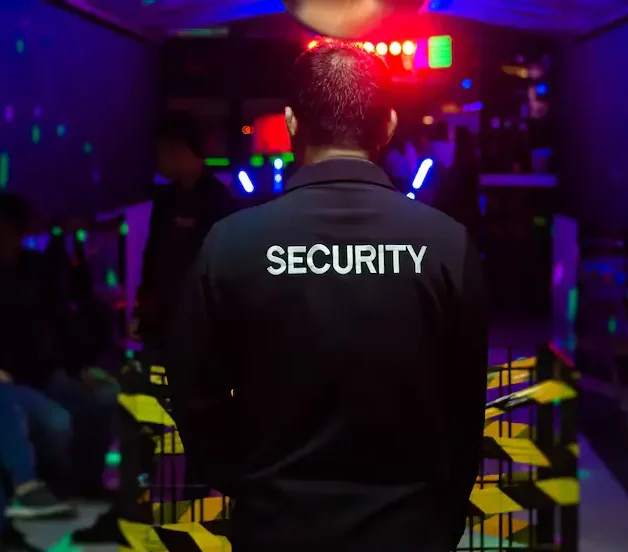
West London has become one of the busiest areas in the capital for licensed venues, corporate events, and late-night entertainment. From the bars around Hammersmith to the hotels lining the Great West Road, and the packed calendars of venues near Wembley and Ealing, the demand for trained, licensed security staff has never been higher. If you’re considering a career change or just starting out in the workforce, taking a Door Supervisor Course London based providers offer could be one of the smartest moves you make this year.
This guide walks you through everything available to residents of West London — what the course actually involves, what it costs, how long it takes, and where you can go to get properly licensed.
Why West London Needs More Licensed Door Supervisors
West London is home to a mix of nightlife hotspots, international hotels, sporting venues, and large-scale events. Areas like Hammersmith, Ealing, Shepherd’s Bush, and Chiswick host everything from independent bars to major concert venues, while Wembley Stadium and the SSE Arena Wembley alone create thousands of hours of event security work every year.
Every licensed venue in the UK is legally required to use SIA-licensed door supervisors. Without one, a venue risks fines, license reviews, or closure. That legal requirement means the job market for trained door supervisors in West London rarely slows down — venues are constantly hiring, especially around weekends, sporting fixtures, and the busy December events season.
For anyone living in Acton, Ealing, Hounslow, Southall, Uxbridge, or nearby, that means opportunity is close to home. You don’t need to travel into central London for work once you’re qualified — though many students do travel a short distance for their actual training, since not every area has an SIA-approved training centre nearby.
What Does a Door Supervisor Actually Do?
A door supervisor is a licensed security professional who works at the entrance and inside of premises such as bars, nightclubs, hotels, and event venues. Typical responsibilities include:
- Checking identification and refusing entry when necessary
- Managing queues and controlling capacity limits
- Spotting and de-escalating potential conflicts before they escalate
- Responding to medical emergencies or providing first aid
- Working closely with venue management and, where necessary, police
The role has changed a lot over the past decade. It used to be seen as a purely physical job, but today’s training puts far more emphasis on communication, conflict de-escalation, and customer service. Being calm, observant, and good with people now matters just as much as being physically capable.
Understanding SIA Licensing
Every door supervisor working legally in the UK must hold a licence from the Security Industry Authority (SIA), the official regulator for the private security industry. This requirement was introduced under the Private Security Industry Act 2001, and it applies nationwide — West London included.
Working without a valid SIA licence is a criminal offence, and it puts the hiring venue at legal risk too. Because of this, no reputable employer will take you on without proof of licensing, which is exactly why the training course matters so much.
Once you pass your course and apply successfully, your SIA licence is valid for three years. After that, you’ll need a short top-up or renewal course to keep working legally.
What’s Covered on the Course
A typical Door Supervisor Course London providers run is built around five core modules, all aligned with the official Skills for Security specification:
1. Working in the Private Security Industry
Covers the structure of the industry, the role of the SIA, relevant legislation, and health and safety responsibilities on the job.
2. Working as a Door Supervisor
Focuses on licensing law, search and arrest procedures, drug awareness, and the customer-facing side of the role — since door supervisors are often the first person a member of the public interacts with.
3. Conflict Management
Teaches communication techniques and de-escalation strategies designed to defuse tense situations before they turn physical. This module has become increasingly central to modern training.
4. Physical Intervention Skills
Covers safe, approved techniques for restraint and disengagement, always with an emphasis on proportionality and personal safety — both yours and the other person’s.
5. Emergency First Aid
A mandatory component for your SIA badge application. This usually includes CPR, basic life support, and how to respond to common injuries you might encounter on the job.
Training is typically delivered through a mix of classroom teaching, group exercises, and practical scenario-based sessions, with exams held at the end of each module.
Entry Requirements
The good news is that door supervisor training is genuinely accessible — you don’t need any prior experience in security or a particular educational background. That said, there are a few fixed requirements set by the SIA:
- Age — You must be at least 18 years old on the first day of training.
- Right to work in the UK — You’ll need to provide valid identification proving your eligibility to work, generally split into Group A documents (passport, biometric residence permit) and Group B documents (driving licence, birth certificate, proof of address).
- Emergency First Aid at Work certificate — Either held already with at least 12 months’ remaining validity, or completed as part of your course.
- Criminal record check — Certain unspent convictions can affect your eligibility, so it’s worth checking the SIA’s criteria in advance if you’re unsure.
- English language skills — You’ll need enough spoken and written English to complete written exams and follow practical instructions safely.
Most training providers will talk you through exactly what documentation you need before you enrol, so there’s no need to guess.
How Long Does It Take?
Most Door Supervisor courses run over six days, though the exact format varies between providers. Some run it as one intensive block across a working week, while others split the days across two consecutive weekends — useful if you’re currently employed and can’t take a full week off.
Six days might sound like a lot, but it’s a fairly compact route into a stable career. Compared to many vocational qualifications that take months, this gets you licensed and job-ready in under two weeks in most cases, assuming your SIA application processes without delay.
What Does It Cost?
Pricing varies by provider and by what’s included, but as a general guide across London-based training centres:
| What’s Included | Typical Price |
|---|---|
| Course only | Around £150 |
| Course + First Aid included | Around £200 |
| Full package including SIA licence fee | Around £350 |
On top of your course fee, the SIA licence application itself carries a separate government fee (currently £190), paid directly to the SIA rather than to your training provider. It’s worth checking exactly what’s bundled into a quoted price before booking, since “course only” prices can look cheaper at first glance but leave first aid and the licence fee as extra costs.
Some providers also offer payment plans, which can make the upfront cost easier to manage if you’re between jobs or budgeting carefully.
Where to Get Trained: Choosing a Provider Serving West London
While there are training centres scattered across the capital, not every one of them is easy to reach if you live in West London — and travel time matters when you’re committing to six full training days.
One option that many West London residents use is Betrained’s Door Supervisor Course in London, run from their Battersea training centre. It’s reasonably accessible from across West and South West London, with weekday and weekend class options, a first-time pass rate reported at 95%, and first aid training bundled into the course. For anyone weighing up providers, it’s a solid benchmark to compare others against — check their pass rate, what’s included in the price, and whether they offer job placement support after you qualify.
When comparing any provider, it’s worth asking:
- Is the centre SIA-approved and does it follow the official Skills for Security specification?
- Is Emergency First Aid included, or is it a separate cost?
- What’s the realistic travel time from your part of West London?
- Do they offer weekend classes if you’re working full-time?
- Is there support with job placement once you’re licensed?
- What happens if you don’t pass a module first time — are resits included?
Asking these questions upfront avoids surprises later and helps you compare like-for-like rather than just chasing the lowest advertised price.
Career Prospects After Qualifying
Once licensed, the job market opens up quickly. West London’s mix of nightlife, hotels, and events means there’s steady demand across several types of venue:
- Bars and nightclubs — typically weekend and evening shifts
- Hotels — steadier, more predictable hours
- Events and festivals — seasonal but well paid, especially around major fixtures at venues like Wembley
- Retail security — daytime shifts, often more routine
- Close protection — a higher-paying specialism requiring further training down the line
Pay generally ranges from around £11 to £23 an hour depending on the venue and experience level, with weekend and late-night shifts often commanding a premium. Many door supervisors also use the role as a stepping stone — progressing into supervisory or management positions within security companies, or branching into related specialisms like close protection after gaining a few years of frontline experience.
Common Myths Worth Clearing Up
A few misconceptions still put people off applying who would otherwise make excellent door supervisors:
- “You need to be big and intimidating.” In reality, communication and observation skills matter far more than physical size.
- “It’s a job for men only.” The number of women working as door supervisors across London has grown steadily, and many venues actively value a mixed team.
- “The exams are really hard.” The course is designed to be accessible to people with no prior security background — pass rates at good providers are generally high.
- “You’ll be dealing with fights constantly.” Most of the job is customer service, ID checks, and keeping things running smoothly — physical intervention is a last resort, not a daily occurrence.
Frequently Asked Questions
1. How long does a Door Supervisor course take to complete?
Most courses run across six days, either as one continuous block or split over two weekends, depending on the provider you choose.
2. Do I need previous security experience to enrol?
No. The course is built for complete beginners and takes you from zero background knowledge through to full SIA licensing readiness.
3. Is the Emergency First Aid certificate included in the course?
It depends on the provider. Many bundle it in as standard, since it’s a mandatory part of your SIA badge application, but some charge for it separately, so check before booking.
4. What happens if I fail one of the module exams?
Most training centres offer resit opportunities, sometimes at an extra cost, sometimes included. It’s worth confirming a provider’s resit policy before you sign up.
5. How quickly can I start working once I’m licensed?
As soon as your SIA licence is approved and your badge arrives, you’re legally allowed to start working. Given steady demand across London, many newly licensed door supervisors find shifts within a few weeks.
6. Can a Door Supervisor licence be used for other security jobs?
Yes. It also qualifies you to work in many security guard roles, giving you flexibility beyond just licensed venues.
7. Is the course difficult to pass?
Not particularly. It’s designed to be accessible to people with no background in security, and well-run courses typically report high first-time pass rates.
8. Can I pay for the course in instalments?
Many providers offer flexible payment plans, so it’s worth asking directly if the upfront cost is a barrier.
9. What’s the difference between a Door Supervisor and a Security Guard?
A door supervisor works in licensed venues like bars and clubs, focused on crowd control and ID checks. A security guard typically works static roles such as retail or office buildings, focused on patrols and access control.
10. How much does the SIA licence itself cost, separate from the course?
The SIA licence application fee is currently £190, paid directly to the SIA. This is separate from whatever your training provider charges for the course itself.
Final Thoughts
For residents of West London, getting SIA licensed as a door supervisor is one of the more accessible routes into a stable, reasonably well-paid career — and one where demand shows no sign of slowing down. The course itself is compact, the entry requirements are manageable for most people, and once qualified, opportunities across bars, hotels, events, and retail venues are widely available.
If you’re ready to take the first step, comparing a few local providers on pass rate, pricing, and course content — including options like Betrained’s Door Supervisor Course London — is the best way to find the right fit for your schedule and budget.