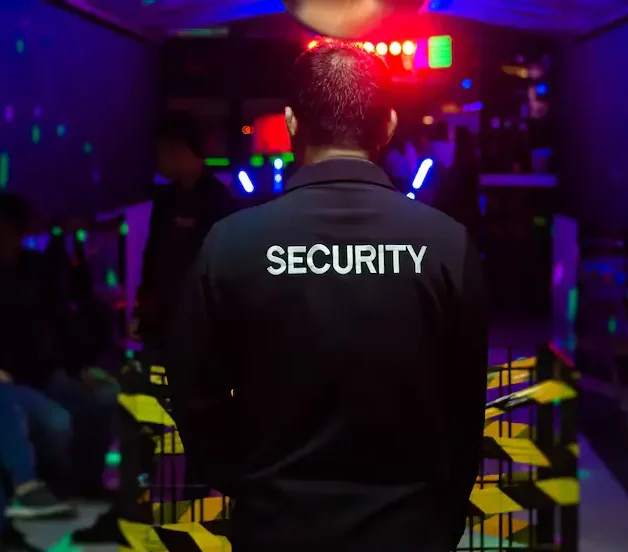
If you live in or around Stratford and you’re thinking about a career in security, becoming a licensed door supervisor is one of the fastest and most practical ways to start earning. Whether you want to work in bars, nightclubs, hotels, retail stores, or at large events, an SIA-approved door supervisor licence opens the door (literally) to steady, well-paid work across London.
This guide walks you through everything you need to know before signing up for a door supervisor course in London — from entry requirements and course content to costs, timelines, and what happens after you qualify.
What Is a Door Supervisor?
A door supervisor is a licensed security professional responsible for keeping venues safe. This includes checking IDs, managing entry and exit points, de-escalating conflicts, spotting fake documents, handling emergencies, and, when necessary, physically removing troublemakers in a safe and legal way.
Door supervisors are commonly seen at:
- Nightclubs and bars
- Music festivals and concerts
- Sporting events
- Hotels and casinos
- Retail stores and shopping centres
- Corporate events and private functions
Unlike a general security guard, a door supervisor’s role is more people-facing. You’re often the first person a customer interacts with, and the last line of defence when things go wrong. That’s why training is legally required before you can work in this role.
Why Stratford Is a Great Place to Start
Stratford, in East London, has grown into one of the city’s busiest hubs. With the Westfield shopping centre, the Queen Elizabeth Olympic Park, regular concerts and sporting events at the London Stadium, and a fast-expanding nightlife scene, there’s constant demand for trained door supervisors nearby.
Being well-connected by the Elizabeth Line, Jubilee Line, and multiple overground routes also means Stratford residents can easily reach training centres across London without a long commute. So even if a specific course isn’t running in Stratford itself on a given week, a short journey puts you within reach of some of the best-rated door supervisor courses in London.
Is a Door Supervisor Licence Legally Required?
Yes. In the UK, it’s illegal to work as a door supervisor without a valid licence issued by the Security Industry Authority (SIA). This applies whether you’re working full-time, part-time, or as a freelancer through an agency. Operating without a licence can lead to fines and even criminal prosecution for both the individual and the employer.
To get licensed, you must first complete an SIA-approved training course and pass the required assessments.
Entry Requirements Before You Enrol
Before booking a course, make sure you meet these basic requirements:
- Age – You must be at least 18 years old on the first day of training. This is a strict SIA rule with no exceptions.
- Right to work in the UK – You’ll need to provide original identity documents, such as a valid passport, UK driving licence, or birth certificate, along with proof of address.
- Emergency First Aid at Work (EFAW) certificate – You need a valid EFAW qualification that meets SIA specifications, with at least 12 months of validity remaining from your course start date. Many training providers, including several offering courses near Stratford, let you complete this as part of the package if you don’t already have it.
- English language ability – Since exams and practical assessments are conducted in English, you’ll need to read, write, speak, and understand English well enough to follow instructions and complete written tests. Some centres run a short assessment beforehand to confirm this.
- Criminality check – The SIA carries out background checks as part of the licence application, so certain serious criminal convictions may affect eligibility.
None of these requirements are unusual or hard to meet for most applicants — they’re simply there to make sure door supervisors are responsible, capable, and legally allowed to do the job.
What Does the Course Actually Cover?
A typical SIA-approved door supervisor course runs over four to six days, combining classroom learning with hands-on practical sessions. Some providers now offer a blended format, where you complete some of the theory online at your own pace before attending in-person sessions for practical training and assessments.
Core topics usually include:
- Working in the private security industry – Understanding your legal responsibilities, the SIA’s role, and industry standards.
- Working as a door supervisor – Specific duties, customer service expectations, and how to identify potential risks.
- Conflict management – Techniques for calming tense situations before they escalate into violence.
- Physical intervention skills – Safe, proportionate methods for restraining or removing someone only when absolutely necessary.
- Emergency first aid – Basic life-saving skills you may need to use on the job.
- Legislation and licensing law – Covering areas like licensing laws, drug awareness, and terrorism awareness (many courses now also require completion of free online counter-terrorism awareness training).
By the end of the course, you’ll sit a combination of multiple-choice exams and practical, scenario-based assessments. Once you pass, you’re eligible to apply for your SIA licence.
How Long Does It Take to Get Licensed?
From start to finish, the process usually looks like this:
- Course duration: 4 to 6 days of training (sometimes spread across two weekends to make it easier for people working other jobs).
- Results: Most centres issue results and certificates within a few days to a couple of weeks.
- SIA application processing: Once you have your certificate, you apply directly to the SIA. Processing times vary, but many applicants receive their licence within a few weeks, especially if the application is submitted correctly the first time with all required documents.
If you’re switching careers or need to start earning quickly, it’s worth choosing a provider known for fast turnaround times and clear guidance on the licence application step, since paperwork errors are one of the most common causes of delay.
How Much Does a Door Supervisor Course Cost?
Prices vary depending on the provider, location, and what’s included (such as EFAW training). Course fees in London typically range from around £150 to £350, though this can shift based on demand, whether it includes exam retake fees, and whether extra modules like CCTV operation are bundled in.
On top of the course fee, you’ll also need to pay the SIA licence application fee separately, which is set by the Security Industry Authority and applies to everyone regardless of which training centre they use.
Some employers, particularly larger security firms, occasionally sponsor or subsidise training costs for new recruits, so it’s worth asking around before paying out of pocket.
Choosing the Right Course Provider
Not all training providers offer the same quality of teaching, and this matters more than people expect. A rushed or poorly delivered course can leave you underprepared for the practical exam, or worse, underprepared for real situations on the job.
When comparing options for a door supervisor course in London, consider:
- Accreditation – Confirm the course is genuinely SIA-approved and delivered by a recognised awarding body.
- Class sizes – Smaller groups usually mean more hands-on practice and individual feedback during physical intervention training.
- Trainer experience – Instructors with real security industry backgrounds tend to bring more practical insight than those teaching purely from a textbook.
- Pass rates and reviews – Look at genuine student reviews and ask about first-time pass rates.
- Support with the SIA application – A good provider will guide you through the licence application process, not just hand you a certificate and leave you to figure it out.
- Location and scheduling flexibility – Since you’re based near Stratford, look for weekday, weekend, or evening options that fit around your current job or commitments.
If you’re comparing local options, Be Trained’s door supervisor course is one option worth looking into, offering SIA-approved training designed to get you exam-ready and confident before assessment day.
What Happens After You Pass the Course?
Once you’ve successfully completed your training and passed all assessments, here’s what comes next:
- Receive your certificate – Your training provider will issue proof of completion, which you’ll need for your SIA application.
- Apply for your SIA licence – This is done online through the SIA’s official website. You’ll upload your identity documents, proof of right to work, and your course certificate.
- Pay the licence fee – This is a separate cost from your training fee.
- Wait for approval – Processing usually takes a few weeks, though it can occasionally take longer if additional checks are needed.
- Start applying for jobs – Once licensed, you can begin working legally as a door supervisor. Many people find work through security agencies, direct venue applications, or events staffing companies.
Your licence is typically valid for three years, after which you’ll need to renew it. Since 2025, renewals require a “refresher” qualification before the licence can be renewed, so keep this in mind as your expiry date approaches.
Career Opportunities After Qualifying
Once licensed, door supervisors in London have access to a wide and varied job market. Common paths include:
- Nightlife security – Working in bars, pubs, and clubs, often during evenings and weekends.
- Event security – Covering concerts, festivals, and sporting fixtures, which can be well-paid due to the short-term, high-demand nature of the work.
- Retail and corporate security – More predictable hours, often during daytime shifts.
- Freelance or agency work – Many door supervisors work through agencies, picking up shifts flexibly around other commitments.
- Progression opportunities – With experience, some door supervisors move into supervisory or management roles, close protection (bodyguard) work, or specialised areas like CCTV operation, which often require additional qualifications.
Pay varies depending on the venue, shift times, and location, but London rates are generally higher than the national average due to demand and cost of living.
Final Thoughts
Training as a door supervisor is a practical, relatively fast way to enter a career with genuine demand, flexible hours, and real opportunities for growth. For anyone based near Stratford, the combination of excellent transport links and nearby training providers makes it easy to get qualified without a long commute or major disruption to your current schedule.
Before you book a course, double-check your eligibility, compare a few local providers, and make sure the training you choose is fully SIA-approved. Getting this right from the start will save you time, money, and stress later on.
Frequently Asked Questions
1. How long does a door supervisor course take?
Most SIA-approved door supervisor courses run for 4 to 6 days, combining classroom theory with practical training and assessments. Some providers offer blended learning, letting you finish theory online before attending in-person sessions.
2. Do I need experience to become a door supervisor?
No prior experience is required. The course is designed to teach you everything from scratch, including conflict management, physical intervention, and legal responsibilities.
3. What is the minimum age to become a door supervisor in the UK?
You must be at least 18 years old on the first day of your training course. This is a strict legal requirement with no exceptions.
4. How much does the SIA door supervisor licence cost?
The licence fee is set separately by the Security Industry Authority and is paid when you submit your application, in addition to whatever fee your training provider charges for the course itself.
5. Can I do a door supervisor course near Stratford?
While course availability changes regularly, Stratford’s excellent transport links mean you can easily reach training centres across East and Central London offering SIA-approved door supervisor courses within a short journey.
6. Do I need a first aid qualification before starting?
Yes, you need a valid Emergency First Aid at Work (EFAW) certificate before taking the licence-linked training, though many providers include this as part of the course package if you don’t already hold one.
7. What happens if I fail the door supervisor exam?
Most training providers offer resit opportunities, sometimes for an additional fee. It’s worth asking about resit policies before booking so you know what to expect if you don’t pass on the first attempt.
8. How long is an SIA door supervisor licence valid for?
An SIA door supervisor licence is typically valid for three years. Since April 2025, you must complete a refresher qualification before renewing.
9. Can I work as a door supervisor while waiting for my licence to be approved?
No. It’s illegal to work as a door supervisor without an active, approved SIA licence, even if you’ve already completed and passed your training course.
10. What’s the difference between a door supervisor and a security guard licence?
A door supervisor licence covers people-facing roles involving conflict management and physical intervention, typically at venues like bars and clubs. A security guard licence is generally for roles focused on protecting property, such as patrolling premises, and does not usually involve physical intervention training to the same extent.