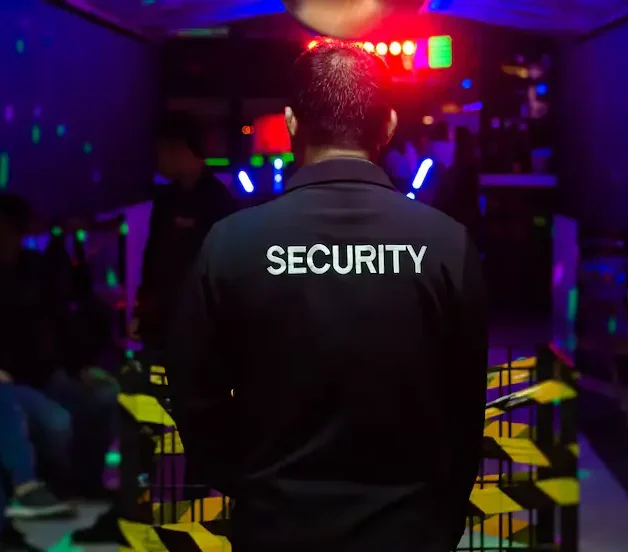
If you’ve spent any time searching for a Door Supervisor Course London, you’ve probably noticed something strange. One provider charges £120, another charges £250, and a third wants £300 yet they all claim to lead to the exact same SIA licence. So what’s actually going on? Are the cheaper courses cutting corners, or are the expensive ones simply overcharging for the same piece of paper?
The truth sits somewhere in between, and it matters a lot if you’re planning to work in security, pubs, clubs, festivals, or event venues. Getting this decision wrong can cost you time, money, and in some cases, a licence that doesn’t actually let you start working when you expected it to.
This article breaks down exactly why prices vary so much, what you’re really paying for, and how to pick a course that gets you licensed without wasting money on things you don’t need or worse, missing things you do.
The Licence Is the Same, But the Journey to It Isn’t
Every Door Supervisor course in the UK is built around the same core requirement: the SIA (Security Industry Authority) sets the syllabus, the qualification structure, and the pass marks. On paper, a course in Manchester and a course in London should be teaching identical content because the regulator doesn’t allow providers to invent their own version of the licence.
So if the destination is fixed, why does the road there cost so differently?
Because everything around the syllabus how it’s delivered, who delivers it, where it happens, and what’s bundled in is left entirely up to the training provider. That’s where the price gap comes from.
1. Awarding Body and Accreditation Costs
Every SIA-approved course must be delivered through an awarding organisation (such as Highfield, Pearson, NCFE, or similar). These awarding bodies charge training centres registration fees, exam fees, and certification fees per learner. Some awarding bodies charge more than others, and some training providers pass these costs directly onto students, while others absorb part of it to stay competitive.
A provider working with a premium awarding body, or one that includes extra verification steps, will naturally sit at a higher price point than one using the most basic accredited pathway.
2. Trainer Experience and Class Size
This is one of the biggest hidden differences. A £120 course might be run in a room with 25–30 learners and one trainer moving quickly through slides to hit the required contact hours. A £250 course might cap the class at 10–12 people, with a trainer who has real door supervision or close protection experience and spends time on practical scenarios conflict management, physical intervention, drug awareness, and emergency procedures rather than just reading through a workbook.
Both formats technically satisfy the SIA’s minimum hour requirement. But the quality of understanding you walk away with can be very different, and that affects how confident and job-ready you are on day one.
3. Venue and Location Overheads
If you’re searching specifically for a Door Supervisor Course London, location is a major cost driver. Training rooms in Zone 1 or Zone 2 London cost significantly more to rent than a converted office space in an outer borough or a different city entirely. Providers running courses in prime central locations, with easier transport links, tend to charge more simply to cover overheads not because the licence itself is superior.
This is worth knowing if you’re comparing a course “in London” with one that’s technically outside London but still commutable. The content is identical; the postcode isn’t.
4. What’s Actually Included in the Price
This is where a lot of confusion happens. Some providers quote a low headline price, then add on:
- Exam resit fees if you don’t pass first time
- Physical intervention module fees (sometimes sold separately)
- First Aid at Work top-up (increasingly requested by employers)
- SIA licence application fee (currently a separate government charge, but some providers “manage” it for an extra fee)
- Printed materials, ID photos, or DBS-related admin
A course advertised at £120 that adds £40 in exam fees, £30 for materials, and £25 in admin charges is no longer the cheapest option once you reach checkout. Meanwhile, a £220 all-inclusive course from a transparent provider might actually work out cheaper overall and definitely less stressful.
5. Refresher and Renewal Support
Door Supervisor licences last three years, after which you need to renew. Some providers build ongoing support into their pricing reminders when your licence is due for renewal, discounted refresher courses, or fast-track booking. Others treat every learner as a one-off transaction. If you’re planning a long-term career in security, this kind of aftercare has real value, even though it doesn’t show up as a line item on the invoice.
6. Job Support and Employer Links
This is an underrated factor. Some training providers partner directly with security companies, pubs, clubs, and event agencies, and actively help graduates find work after certification. Others simply hand you a certificate and wish you luck. If a slightly pricier course includes CV support, interview referrals, or direct introductions to hiring managers, that “extra cost” can pay for itself within your first week of work.
7. Pass Rates and Retake Policies
Cheaper courses sometimes rush through content to keep costs down, which can lead to lower first-time pass rates. If you fail, you’re often charged again for a retake sometimes at a higher rate than the original course. A more thorough (and slightly pricier) course that genuinely prepares you well can save you from paying twice.
Before booking, it’s worth asking any provider directly what their first-time pass rate is and what happens if you don’t pass. A provider confident in their teaching will usually be transparent about this.
8. Weekday vs Weekend or Evening Scheduling
Courses squeezed into a single weekend or run during evenings to fit around other jobs sometimes cost more due to trainer availability and demand. A midweek course during standard working hours might be priced lower simply because it’s easier for the provider to staff. If your schedule is flexible, this is one of the easiest ways to reduce cost without reducing quality.
9. Group Discounts and Corporate Bookings
If a security company books ten Door Supervisors at once for their staff, they’ll usually negotiate a lower per-person rate than someone booking as an individual. Some of the “cheap” course prices you see advertised online are actually corporate rates being marketed to individuals, which can lead to disappointment when the real individual price turns out higher at checkout.
10. Marketing and Brand Positioning
Finally, and honestly, some of the price difference is just business strategy. A well-established provider with a strong reputation, good reviews, and consistent bookings can charge a premium simply because demand supports it. A newer or lesser-known provider may price aggressively low to build a client base. Neither approach tells you definitively which course is “better” it just tells you how the business is choosing to position itself.
So How Do You Choose the Right Door Supervisor Course in London?
Rather than picking based on price alone, here’s a practical checklist:
Confirm SIA approval. The awarding body and course must appear on the SIA’s approved list. This is non-negotiable.
Ask for the full price breakdown. Get written confirmation of what’s included exams, physical intervention training, first aid, and the SIA licence application fee.
Check class size. Smaller groups generally mean more attention and better retention of practical skills.
Look at trainer background. Real-world security or door supervision experience matters more than years spent purely in a classroom.
Read recent reviews, not just the ones featured on the provider’s homepage. Look for comments about punctuality, exam pass rates, and post-course support.
Ask about retake policy. Know the cost and process if you don’t pass first time.
Consider location realistically. A course slightly outside central London that’s easy to reach by train can save money without adding hassle.
If you want a provider that’s transparent about pricing, keeps class sizes manageable, and is fully SIA-approved, it’s worth reviewing the course details directly at BeTrain’s Door Supervisor Course before comparing it against other quotes. Seeing exactly what’s included upfront makes it much easier to judge whether a cheaper alternative elsewhere is really cheaper once everything is added up.
The Bottom Line
Two Door Supervisor courses can lead to the exact same SIA licence and still cost wildly different amounts and price alone doesn’t tell you which one is better. The real differences lie in class size, trainer quality, what’s included versus charged separately, location overheads, and the level of support you get before and after the course.
Rather than chasing the lowest headline price, compare total cost, transparency, and trainer credibility. A course that costs a little more upfront but is fully inclusive, well taught, and backed by good job support will almost always be better value than a “cheap” course that nickel-and-dimes you at every step or leaves you underprepared for the real job of standing on a door.
Frequently Asked Questions
1. Why do Door Supervisor courses vary so much in price for the same licence?
Price differences come from factors outside the syllabus itself trainer experience, class size, venue costs, awarding body fees, and what’s included (exams, first aid, physical intervention training). The SIA licence outcome is the same, but the delivery quality and inclusions are not.
2. What is the average cost of a Door Supervisor Course in London?
Prices typically range from around £120 to £300, depending on location, provider reputation, class size, and whether extras like first aid or exam fees are bundled into the price.
3. Is a more expensive Door Supervisor course always better quality?
Not necessarily. A higher price can reflect central London overheads or brand positioning rather than teaching quality. It’s more useful to check trainer experience, pass rates, and what’s included than to judge quality by price alone.
4. What’s included in a standard Door Supervisor course fee?
This varies by provider. At minimum, it should cover SIA-approved training hours and the final exam. Some courses also include physical intervention training, first aid, printed materials, and support applying for your SIA licence others charge these separately.
5. Do I need to pay for the SIA licence separately from the course?
Yes, in most cases. The SIA licence application fee is a government charge separate from the training course cost, though some providers include guidance or admin support for the application within their package.
6. How long does a Door Supervisor course take to complete?
Most courses run over 4 to 6 days, covering the required contact hours set by the SIA syllabus, including modules on conflict management, physical intervention, and emergency procedures.
7. What happens if I fail the Door Supervisor exam?
You’ll usually need to retake the failed unit, often at an additional cost. Retake fees and policies differ between providers, so it’s worth asking about this before booking.
8. Can I do a Door Supervisor course outside central London to save money?
Yes. Courses run just outside central London, in areas with lower venue costs, are often cheaper while covering identical SIA-approved content. This can be a good way to reduce cost if you’re flexible on travel.
9. How do I check if a Door Supervisor course provider is SIA-approved?
Confirm that the training provider works with an SIA-recognised awarding body and appears on the SIA’s list of approved training providers before booking any course.
10. Does a cheaper Door Supervisor course affect my job prospects afterward?
Not directly the licence itself is the same regardless of course price. However, courses with smaller class sizes, better practical training, and employer connections can make you more job-ready and confident once you’re working on the door.