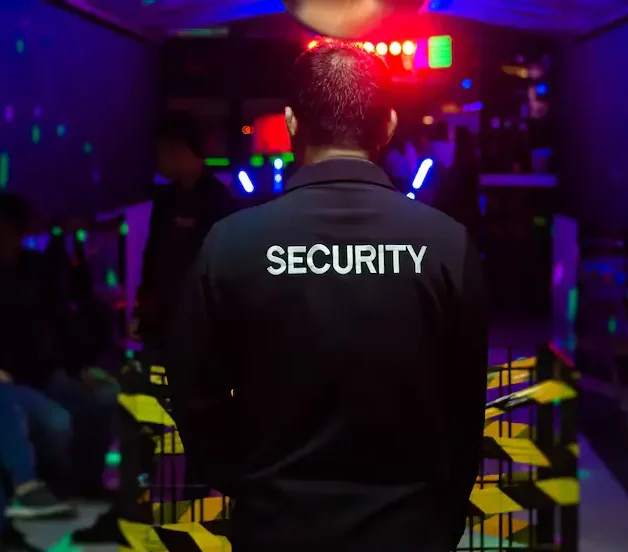
If you live in East London and you’re thinking about a career in security, you’re in the right place at the right time. From the buzzing nightlife of Shoreditch and Dalston to the huge events at the Olympic Park in Stratford, East London has one of the highest demands for licensed door supervisors anywhere in the UK. But before you can work the doors, you need to complete an SIA-approved Door Supervisor Course in London and if you’re based in the east of the city, you probably want to know exactly what to expect before you book.
This guide walks you through everything: what the course covers, how long it takes, what it costs, where to train, what happens on exam day, and how to go from complete beginner to licensed door supervisor working in East London.
Why East London Is a Great Place to Start Your Security Career
East London has changed dramatically over the past two decades. What used to be a quiet industrial area is now one of the most vibrant parts of the capital, packed with bars, clubs, restaurants, music venues, hotels, and major sporting events. That growth has created a huge demand for trained, licensed security staff.
Areas like Shoreditch, Hackney, Dalston, Stratford, Canary Wharf, Whitechapel, Bethnal Green, and Mile End all rely on door supervisors to keep venues safe and welcoming. Meanwhile, the Queen Elizabeth Olympic Park and the London Stadium host concerts, football matches, and festivals that need hundreds of licensed staff on event days.
For anyone living in East London, this means two things:
- Plenty of local work you don’t have to travel across the city to find shifts.
- Consistent demand venues need licensed staff all year round, not just in summer.
But none of that work is available without an SIA licence, and you can’t get an SIA licence without completing an approved training course first. That course is the Door Supervisor Course London the exact starting point for your new career.
What Is a Door Supervisor Course?
A Door Supervisor Course is the nationally recognised qualification you must complete before you can apply for an SIA (Security Industry Authority) door supervisor licence. It’s a Level 2 qualification that teaches you the legal, practical, and customer-service skills needed to work in licensed venues.
The course is designed for complete beginners. You don’t need any prior security experience, and you don’t need to be physically imposing the job is far more about communication, confidence, and calm decision-making than it is about size or strength.
By the end of the course, you’ll understand:
- How the private security industry works and the role of the SIA
- The laws that apply to door supervisors, including licensing law and use of force
- How to manage conflict and de-escalate tense situations
- Safe and legal physical intervention techniques
- Emergency first aid at work
Once you pass, you’ll receive a certificate that allows you to apply for your SIA licence and then you’re ready to start working.
What the Course Covers: The Five Core Modules
Every legitimate Door Supervisor Course in London follows the same specification set by Skills for Security, the standard-setting body for the industry. The course is structured around five core modules.
Module 1: Working in the Private Security Industry
This module gives you the big picture. You’ll learn how the security industry is structured, what the SIA does, and what your legal responsibilities are as a door supervisor. It also covers health and safety obligations and the importance of professional conduct.
Module 2: Working as a Door Supervisor
Here you get into the day-to-day realities of the job. You’ll cover licensing law, arrest and search procedures, drug legislation, and customer service expectations. Door supervisors are often the first point of contact for the public, so communication skills are a big part of this module.
Module 3: Conflict Management
This is one of the most important modules. You’ll learn how to spot the early signs of aggression, how to use verbal and non-verbal communication to calm situations down, and how to avoid conflict escalating into something physical. Most of the job is about preventing problems, not reacting to them.
Module 4: Physical Intervention Skills
Physical intervention is a last resort, but you still need to know how to do it safely and legally. This module teaches you approved techniques for escorting, restraining, and disengaging always with an emphasis on minimising harm and staying within the law.
Module 5: Emergency First Aid
Emergency First Aid at Work (EFAW) is a mandatory part of the SIA licence application. You’ll learn CPR, how to use an AED, how to handle choking, bleeding, shock, and burns, and how to manage an unconscious but breathing person. It’s a full day of practical training and one of the most valuable skills you’ll take away.
How Long Does the Course Take?
The standard Door Supervisor Course in London runs over six days. Most providers offer two main formats:
- Full-time block six consecutive days, typically Monday to Saturday, 9am to 6pm.
- Weekend or split format spread over two or three weekends, ideal if you’re working or have family commitments.
If you’re based in East London and working full-time, the weekend option is often the most practical. It lets you train without taking time off work, and you’ll still be fully qualified in a few weeks.
What to Expect on Exam Day
The assessment is designed to be accessible. There’s no trick questions and no unrealistic scenarios everything you’re tested on comes directly from the course content.
You’ll typically sit:
- Multiple-choice exams for each theory module
- Practical assessments for physical intervention
- A short written test for the first aid component
Most providers give you the results within a few working days. If you don’t pass a module first time, resit opportunities are usually available (though some providers charge a small fee, so it’s worth checking the policy before you book).
Entry Requirements: What You Need Before You Start
The entry requirements for the Door Supervisor Course in London are straightforward:
- You must be at least 18 years old
- You must have the right to work in the UK
- You’ll need to provide proof of identity (passport, driving licence, or birth certificate)
- You’ll need proof of address (utility bill or bank statement)
- You’ll need to pass a basic criminal record check as part of the SIA licence application
Certain unspent convictions may affect your eligibility for an SIA licence, so it’s worth checking the SIA’s official criteria before you invest time and money in training. Most reputable providers will guide you through the process and answer any questions upfront.
What Does the Course Cost?
Prices vary depending on the provider, the location, and what’s included. As a general rule, expect to pay:
- £150–£250 for basic training only (often without First Aid)
- £250–£350 for the most common package, including Level 2 training and Emergency First Aid
- £350–£400+ for premium packages with smaller class sizes and extra support
One important thing to remember: the SIA licence application fee is separate. As of 2026, that fee is £204, paid directly to the SIA once you’ve passed your training. So your total cost course plus licence usually falls between £350 and £600.
Where to Train: Options Across London
If you live in East London, you have two main options:
Local East London Providers
Some training centres operate directly in East London Stratford, Ilford, and Romford are common locations. The advantage is convenience: shorter travel times, familiar surroundings, and sometimes closer ties to local employers.
Central London Providers
Many learners choose to train at a central London centre instead. The advantages here are usually:
- Better transport links easy access from any part of London
- Larger facilities more practical training space
- Established reputation providers with strong track records and high pass rates
For example, Betrained’s Door Supervisor Course is based at 108 Battersea High Street, easily reachable from East London via the Overground, District Line, or a direct bus route. Many students from Stratford, Hackney, and Canary Wharf choose to train there because of the centre’s strong pass rates, small class sizes, and job placement support.
There’s no “right” answer here. The best choice is the provider that fits your schedule, budget, and travel preferences as long as they’re SIA-approved and have good reviews.
What Happens After You Pass?
Once you’ve passed your course, here’s the process:
- Receive your certificate from the awarding body
- Apply for your SIA licence online through GOV.UK
- Pay the £204 application fee
- Wait for your background check to be completed (usually 2–4 weeks)
- Receive your SIA badge in the post
- Start working as a licensed door supervisor
The whole process from finishing training to holding your badge typically takes three to five weeks. Some learners start applying for jobs before their badge arrives, especially if they’re targeting event work where employers plan rotas in advance.
Career Opportunities in East London
Once licensed, the opportunities in East London are genuinely diverse. You could work as:
- Nightclub or bar door supervisor in Shoreditch, Dalston, or Hackney
- Event security at the London Stadium, Olympic Park, or ExCeL
- Hotel security in Canary Wharf or Stratford
- Retail security in Westfield Stratford City
- Corporate security in the Canary Wharf business district
Pay in East London typically ranges from £12 to £20 per hour, depending on the venue, shift, and your experience. Late-night and weekend shifts usually pay a premium, and event work can be especially well paid.
Many door supervisors use this qualification as a stepping stone. After a year or two on the doors, some move into supervisory roles, close protection, or security management all of which pay significantly more.
Tips for Passing First Time
Here’s what consistently separates students who pass first time from those who struggle:
- Attend every session. The course builds on itself, and missing a day makes it harder to catch up.
- Take the practical exercises seriously. Physical intervention and conflict management are hands-on skills you learn by doing.
- Ask questions early. If something doesn’t make sense, speak up. Trainers are there to help.
- Revise the theory. The multiple-choice exams are straightforward, but a quick review each evening makes a big difference.
- Get a good night’s sleep before exam day. It sounds simple, but it matters.
Common Myths About the Course
There are a few myths that put people off unnecessarily:
- “You need to be big and tough.” Not true. Communication skills matter far more than size.
- “It’s only a job for men.” Women make up a growing share of the door supervisor workforce, and many venues actively prefer mixed teams.
- “The course is really hard.” It’s designed to be accessible. Most learners pass first time.
- “You’ll be fighting every night.” The reality is the opposite the job is mostly customer service and prevention.
10 Frequently Asked Questions
1. How much does a Door Supervisor Course cost in London?
Most London providers charge between £150 and £400 for the full six-day course, with £250–£350 being the most common range for packages that include Emergency First Aid.
2. Is the SIA licence fee included in the course price?
No. The course fee only covers your training and exams. The SIA licence application fee, currently £204, is paid separately and directly to the SIA once you’ve passed your course.
3. How long does the Door Supervisor Course take?
The standard course runs over six days. It’s usually offered as either a full-time block or spread across two or three weekends.
4. Do I need any prior experience to enrol?
No prior security experience is needed. The course is designed for complete beginners and takes you through every skill step by step.
5. Can I train in East London, or do I have to go central?
Both options are available. Some providers run courses in Stratford, Ilford, and Romford, while many learners choose central London centres for their transport links and facilities. For example, Betrained’s Door Supervisor Course in Battersea is popular with East London students.
6. What happens if I fail an exam?
Most providers offer resit opportunities, though some charge an additional fee. It’s worth checking the resit policy before you book.
7. How soon can I start working after the course?
Once your SIA licence is approved and your badge arrives usually two to four weeks after applying you can start working immediately. Demand in East London is high, so many newly licensed door supervisors find work quickly.
8. Can I get funding to help pay for the course?
Some learners qualify for support through Jobcentre Plus SWAP schemes or local council adult education grants. It’s worth checking your eligibility before paying the full amount yourself.
9. Does a Door Supervisor licence let me work other security jobs?
Yes. The licence also qualifies you to work in general security guard roles, which gives you more flexibility across the industry.
10. What documents do I need to bring to the course?
You’ll need valid ID (passport or driving licence), proof of address (utility bill or bank statement), and a passport-style photograph for your SIA licence application.
Final Thoughts: Is the Door Supervisor Course Worth It?
If you’re based in East London and looking for a stable, flexible career with real demand, the answer is almost certainly yes. The course is short, the entry requirements are accessible, and the work is available year-round from Shoreditch nightclubs to Stratford events.
The key is to choose the right provider. Look for an SIA-approved centre with strong pass rates, small class sizes, and good support after you qualify. That combination will get you licensed quickly and set you up for a long, rewarding career in security.
Ready to take the next step? Book your Door Supervisor Course in London with Betrained today.