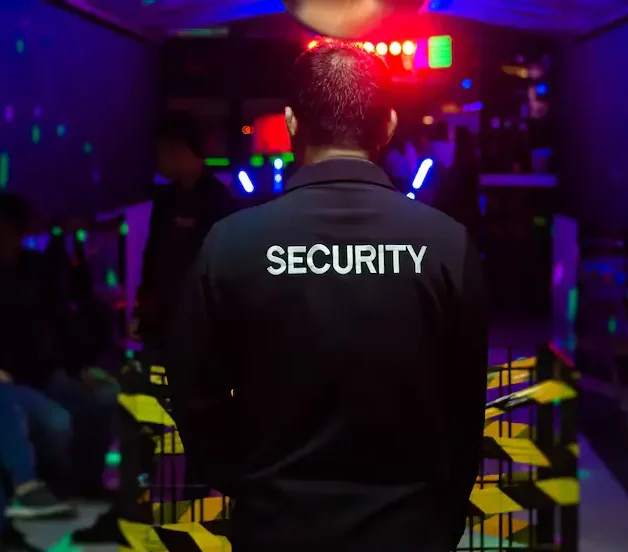
London’s West End is one of the busiest nightlife hubs in the world. Every weekend, thousands of people flow through its bars, nightclubs, casinos, theatres, and late-night venues. Behind this glamorous scene stands a team of professionals who keep everything safe, calm, and under control door supervisors. If you’ve ever wondered what it takes to work the doors of a West End club, or how to break into this exciting career, this guide will walk you through everything you need to know.
What Does a Door Supervisor Actually Do?
A door supervisor is far more than someone who checks IDs at the entrance. In a high-energy area like the West End, their job covers a wide range of duties:
- Checking identification to prevent underage entry
- Searching guests for weapons, drugs, or banned items
- Managing queues during busy hours to avoid overcrowding
- De-escalating conflicts before they turn into physical altercations
- Monitoring CCTV and reporting suspicious behaviour
- Coordinating with police and emergency services when needed
- Ensuring fire exits and safety procedures are followed
- Handling intoxicated guests safely and professionally
In short, a door supervisor is the first and last line of defence for a venue’s safety, reputation, and legal compliance.
Why the West End Is a Unique Working Environment
Working as a door supervisor in central London is very different from working in a quiet suburban pub. The West End brings its own unique pressures and opportunities:
1. High Footfall
Venues in areas like Soho, Leicester Square, and Piccadilly see huge crowds every night, especially on weekends and holidays. This means door supervisors must think and act fast.
2. Diverse Crowds
Tourists, locals, students, and business professionals all mix together in West End venues. Supervisors need excellent communication skills to handle people from many different backgrounds and cultures.
3. Higher Risk of Incidents
With alcohol, large crowds, and late hours combined, the chances of disputes or emergencies are naturally higher. This makes proper training and a calm, confident attitude essential.
4. Strict Licensing and Legal Standards
Westminster City Council, which governs much of the West End, enforces some of the strictest licensing conditions in the UK. Venues are closely monitored, so door staff must know the law inside and out.
5. Better Pay and Career Growth
Because of the demanding nature of the work, West End door supervisors often earn more than those working in quieter areas. There are also more opportunities to move into supervisory, event security, or close protection roles.
Is Door Supervisor Work a Good Career Choice?
Yes and for good reason. Here’s why so many people are choosing this path in London:
- Flexible hours: Great for those who want part-time, full-time, or night-shift work
- Strong demand: London’s nightlife economy is booming again post-pandemic
- No degree required: You don’t need a university education to start
- Fast entry: You can be trained and licensed within a matter of days
- Room to grow: Many supervisors move on to event security, VIP protection, or management roles
However, none of this is possible without one essential requirement an SIA licence.
Why You Need an SIA Licence
The Security Industry Authority (SIA) is the official body that regulates security work across England, Wales, and Scotland. It is illegal to work as a door supervisor in the UK without a valid SIA licence.
To get licensed, you must:
- Be at least 18 years old
- Pass a criminal record check
- Complete an approved training course
- Apply for and receive your SIA badge
This is where proper training becomes critical not just to pass the exam, but to genuinely prepare you for the realities of West End nightlife.
How to Start: Door Supervisor Course London
If you’re serious about working in London’s nightlife security sector, enrolling in a recognised Door Supervisor Course London is the essential first step. A good course will not only prepare you to pass your SIA licence exam but will also teach you real, practical skills for conflict management, physical intervention, emergency procedures, and legal responsibilities.
Choosing a training provider based in London rather than a generic online-only course gives you an advantage. Local providers understand West End venue culture, licensing conditions specific to Westminster, and the expectations of top nightclub and bar operators.
If you’re looking for a trusted training provider, Be Trained’s Door Supervisor Course is designed to take you from complete beginner to fully licensed door supervisor, with practical, easy-to-understand training that prepares you for real working conditions in London’s nightlife scene.
What You’ll Learn in a Door Supervisor Course
A quality course typically covers:
- Working in the private security industry – laws, regulations, and responsibilities
- Health and safety – fire safety, risk assessment, and emergency response
- Conflict management – how to calm situations before they escalate
- Physical intervention skills – safe, legal techniques used only when necessary
- Drug awareness – recognising signs of drug use and dealing on premises
- Licensing law – understanding what’s legal and what isn’t in venues
- Recording incidents – how to properly document events for legal protection
These skills are not just exam material they are the exact tools you’ll rely on every night on the job.
A Typical Night in the Life of a West End Door Supervisor
To understand what this job really involves, here’s a simplified look at a typical night shift:
Early Evening (6 PM – 9 PM)
Arrival briefings, checking radios and equipment, reviewing any warnings about banned individuals, and preparing the entrance area.
Peak Hours (9 PM – 1 AM)
This is when the venue gets busiest. ID checks, bag searches, and managing entry queues become constant tasks. Supervisors must stay alert for fake IDs, intoxicated guests, or troublemakers.
Late Night (1 AM – 3 AM)
As alcohol consumption increases, so does the risk of conflict. This is often when a supervisor’s conflict management training becomes most valuable.
Closing Time (3 AM onwards)
Helping guests exit safely, checking the venue is empty, securing the premises, and completing incident reports if needed.
Every night is different, but the core goal remains the same: keep guests, staff, and the venue safe.
Skills That Make a Great Door Supervisor
Beyond formal training, certain personal qualities set apart the best door supervisors in London’s competitive nightlife scene:
- Confidence without aggression – commanding respect calmly
- Sharp observation – noticing small details in a crowded room
- Patience – staying calm under pressure or provocation
- Physical fitness – standing for long hours and reacting quickly
- Teamwork – working closely with fellow security staff and management
- Good communication – speaking clearly and professionally with all types of people
These qualities, combined with proper training, are what separate an average door supervisor from an exceptional one.
Career Growth After Becoming a Door Supervisor
Many people see door supervision as a long-term career path, not just a stepping stone. Common progression routes include:
- Head Doorman / Security Team Leader
- Event Security Manager for concerts and large gatherings
- Close Protection Officer (bodyguard work, which requires further training)
- Venue or Club Security Manager
- Private Security Business Owner
With London’s continuous demand for security professionals, especially in high-traffic areas like the West End, there is genuine long-term potential in this line of work.
Final Thoughts
Working as a door supervisor in London’s West End is demanding, but it’s also one of the most rewarding entry points into the private security industry. With high foot traffic, diverse crowds, and strict legal standards, the West End offers both challenges and excellent career opportunities for those who are properly trained and prepared.
If you’re ready to take the first step, enrolling in a trusted Door Supervisor Course London is the smartest way to gain the skills, confidence, and licence you need to succeed in this fast-paced industry.
10 Frequently Asked Questions
1. What qualifications do I need to become a door supervisor in London?
You must be at least 18 years old, pass a criminal background check, and complete an SIA-approved training course before applying for your licence.
2. How long does a door supervisor course take to complete?
Most courses run for around 4 to 6 days, though the exact duration can vary depending on the training provider and course format.
3. How much does an SIA door supervisor licence cost?
The SIA licence application fee is set by the Security Industry Authority, while course fees vary by provider. It’s best to check current pricing directly with your chosen training centre.
4. Can I work as a door supervisor without an SIA licence?
No. Working without a valid SIA licence is illegal in the UK and can result in serious penalties for both the individual and the employer.
5. How much do door supervisors earn in London’s West End?
Pay varies by venue and experience level, but West End roles often pay more than average due to higher demand, later hours, and increased responsibility.
6. Is previous security experience required to enrol in a course?
No previous experience is required. Courses are designed for complete beginners as well as those looking to formalise existing experience.
7. What happens if I fail the SIA licence exam?
Most training providers offer resit options, though policies vary. It’s important to check the resit terms before enrolling in a course.
8. Do door supervisors need to renew their SIA licence?
Yes, SIA licences are typically valid for a set number of years and must be renewed through additional training and application before they expire.
9. Is door supervisor work physically demanding?
Yes, the role often involves long hours standing, quick reactions, and occasional physical intervention, so a reasonable level of fitness is beneficial.
10. Can door supervisor training lead to other security careers?
Absolutely. Many door supervisors progress into event security, close protection, or management roles within the private security industry over time.