A colleague who was chatting normally ten minutes ago is suddenly sweaty, shaky and confused. They snap at you, or seem drunk, though they have not had a drink. Then you remember they have diabetes. Is this an emergency? What should you do, and what could go wrong?
Diabetes is common, so every workplace has someone with it. Most of the time, people manage it well. But sometimes blood sugar swings too low or too high, and a person may need help from the people around them. In this guide, we explain in plain English the basics of diabetic emergencies at work, with a focus on low blood sugar, which is the most common and the most urgent, and how it connects to what you learn on an Emergency First Aid at Work (EFAW) course in London. If you want to see a real course page as you read, here is the Emergency First Aid at Work course in London.
Important Notes First
- This guide is general information, not medical advice or training. A trainer can show you the recovery position and how to check a casualty.
- A first aider does not diagnose, and does not give insulin or other medicines. You can help a person take fast acting sugar, and may help with their own prescribed emergency kit if you have been trained and the person has a plan.
- If you are unsure, call 999.
- Follow the person’s own plan. Many people with diabetes have a care plan or a hypo kit, and know their own signs.
- This guide is mainly for adults. Children with diabetes follow plans set by their diabetes team.
The Short Answer
If a person with diabetes seems unwell and may have low blood sugar, and they are awake and able to swallow, help them take 15 to 20 grams of fast acting sugar, such as a small glass of fruit juice or non diet fizzy drink, glucose tablets or jelly babies. Recheck after 10 to 15 minutes, and repeat if they are not better. If they cannot swallow, are drowsy, unresponsive or having a seizure, give nothing by mouth, place them in the recovery position and call 999. If they stop breathing normally, start CPR.
What Is Diabetes?
Diabetes is a long term condition in which the body cannot keep blood sugar, also called blood glucose, at a healthy level. There are two main types.
- Type 1 diabetes. The body does not make insulin, the hormone that moves sugar from the blood into the cells. People with type 1 need insulin every day.
- Type 2 diabetes. The body makes some insulin but cannot use it properly, or does not make enough. It is often managed with diet, tablets and sometimes insulin.
One in 15 people in the UK has diabetes, so you will almost certainly work alongside someone who does.
Two Kinds of Diabetic Emergency
Low blood sugar: hypoglycaemia, or a hypo
Blood sugar falls too low, usually below 4 mmol/L. It can come on quickly, within minutes, and can become severe. It is the most common diabetic emergency, and the most urgent, because the brain needs sugar to function.
High blood sugar: hyperglycaemia
Blood sugar rises too high. It usually develops more slowly, over hours or days. Very high sugar, especially in type 1 diabetes, can lead to a dangerous condition called diabetic ketoacidosis, or DKA, which is also an emergency.
A first aider does not need to tell the two apart with certainty. The key point is that low blood sugar can become life threatening quickly and is easy to treat, so it takes priority.
Causes of a Hypo at Work
A hypo can happen when:
- A meal or snack is late, missed or smaller than usual.
- The person takes too much insulin or other diabetes medicine.
- They are more active than usual.
- They have drunk alcohol, especially without eating.
- They are ill, or have vomiting or diarrhoea.
- Their routine has changed, for example shift work, travel or a busy day.
- Their insulin dose or timing was not matched to their food.
Signs of Low Blood Sugar
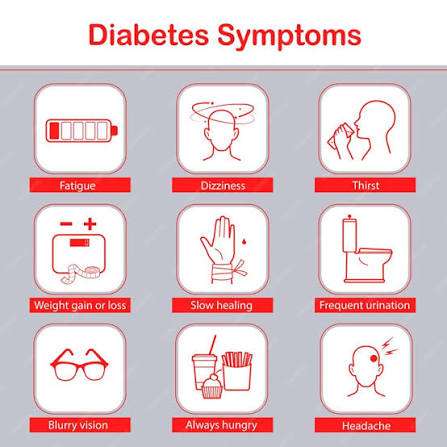
Signs vary between people, and can come on quickly. They may include:
- Feeling shaky or trembling.
- Sweating, and feeling clammy.
- Looking pale.
- Feeling hungry.
- Tingling lips.
- Dizziness or light headedness.
- A headache.
- Feeling anxious, irritable or tearful.
- Blurred vision.
- Difficulty concentrating, confusion or disorientation.
- Slurred speech and unsteady movement. A hypo can look like drunkenness.
- Behaviour that is unusual for the person, such as becoming aggressive, vague or uncooperative.
- Drowsiness, a seizure or loss of consciousness if it becomes severe.
Do not assume that someone who is confused or unsteady is drunk, tired or being difficult. If they have diabetes, think about low blood sugar.
Step by Step: First Aid for a Hypo
Step 1: Stay calm and check the person
Check that the scene is safe. Talk to the person. Are they awake and responding normally? Can they hold a drink and swallow? Ask them if they have diabetes, if they have eaten and if they have a hypo kit. Check for a medical alert bracelet or card.
Step 2: If they are awake and can swallow, give fast acting sugar
Help them take 15 to 20 grams of fast acting carbohydrate straight away. Examples recommended by UK diabetes services include:
- A small glass, about 150 to 200 millilitres, of non diet fizzy drink or pure fruit juice. A small carton of pure fruit juice is about 200 millilitres.
- Five glucose or dextrose tablets.
- Four large jelly babies.
- Two tubes of glucose gel, such as GlucoGel.
- A small bottle of glucose juice, such as a Lift shot.
Use the person’s own hypo treatment if they have it with them. Do not use diet drinks, because they do not contain sugar. Diabetes UK advises that tea with milk, chocolate and biscuits should not be used as the first treatment, because their fat content slows the release of sugar.
Step 3: Rest and wait
Help the person sit down and rest. Stay with them. Do not let them carry on working, driving or operating machinery. It takes about 10 to 15 minutes for blood sugar to recover.
Step 4: Recheck after 10 to 15 minutes
If the person has a blood glucose meter, they can test their sugar. A reading of 4 mmol/L or above, and feeling better, is a good sign. If they are still below 4 mmol/L, or still unwell, give another 15 to 20 grams of fast acting sugar and recheck after another 10 to 15 minutes. If they are not improving after a second treatment, call 999 or NHS 111 for advice.
Step 5: Follow up with slower acting carbohydrate
Once the person feels better, they should eat something with slower acting carbohydrate to stop their sugar dropping again, such as a sandwich, a slice of toast, a piece of fruit, a small bowl of cereal or their next meal if it is due.
Step 6: Make sure they are well before they carry on
Suggest that they rest for a while. They may feel tired or foggy. They should not drive for at least 45 minutes after recovering, as advised by diabetes services, and may need longer. Encourage them to tell their diabetes team or GP about the hypo, especially if it was severe or happens often.
If the Person Cannot Swallow: A Severe Hypo
A severe hypo is an emergency. Signs include being unable to swallow safely, being very drowsy or confused, being unresponsive, or having a seizure.
- Do not give any food or drink. The person may choke, because they cannot swallow safely.
- Do not put anything in their mouth, including glucose gel, unless a care plan from their diabetes team says you can, and you have been trained.
- Place them in the recovery position, if they are breathing normally. See our guide on what to do if someone is unresponsive but breathing.
- Give glucagon, if available and you are trained. Some people with diabetes, especially type 1, have a glucagon injection kit, such as GlucaGen or an injectable pen, for severe hypos. Someone who has been shown how can give it. If you have not been trained, call 999.
- Call 999. Say that the person has diabetes and is having a severe hypo. NHS advice is to call 999 if the person is not responding normally or is unconscious, and a glucagon injection is not available or you do not know how to use it, if you have given glucagon and they have not recovered within 10 minutes, or if they have been drinking alcohol.
- Stay with them, and keep checking their breathing.
- If they have a seizure, protect them from injury and call 999 if it lasts more than five minutes. See our guide on how to help someone having a seizure.
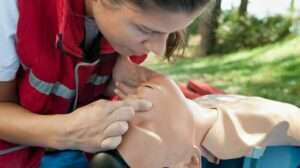
- If they stop breathing normally, call 999 if you have not already, send for an AED and start CPR. See our guide to adult CPR step by step.
- When they wake up and can swallow, give a sugary drink or snack, followed by slower acting carbohydrate, and make sure that they are checked by a medical professional.
A note on alcohol
If alcohol has contributed to a severe hypo, glucagon may not work, and the person needs hospital treatment. NHS advice is to call 999 in this situation.
High Blood Sugar and DKA
High blood sugar usually develops over hours or days. Signs of high blood sugar include:
- Feeling very thirsty.
- Passing urine more often than usual.
- Feeling tired and weak.
- Blurred vision.
- Headaches.
- Feeling sick.
If blood sugar stays very high, particularly in people with type 1 diabetes, it can lead to diabetic ketoacidosis, or DKA, which is a serious emergency. Signs include:
- Fast, deep breathing.
- Breath that smells fruity, like pear drops or nail varnish remover.
- Stomach pain.
- Vomiting.
- Drowsiness, confusion, or loss of consciousness.
If you suspect DKA, call 999. Do not give insulin. A first aider should not give insulin or other medicine. Follow the person’s own plan and the call handler’s advice.
What If You Are Not Sure Whether It Is High or Low Sugar?
It can be impossible to tell. Many first aid guides advise that if a person with diabetes is conscious, able to swallow and unwell, and you cannot tell whether their sugar is high or low, giving fast acting sugar is the safer option, because low blood sugar is more urgent and can get worse quickly, whereas a small amount of sugar will not do much harm to someone with high blood sugar. If the person does not improve within 10 to 15 minutes, call 999 or get urgent advice. If you have any doubt, call 999 or NHS 111, and follow the call handler’s advice.
What Not to Do
- Do not give anything by mouth to a person who is drowsy, confused to the point of not swallowing safely, unresponsive or having a seizure.
- Do not give insulin.
- Do not use diet drinks or sugar free sweets to treat a hypo.
- Do not use chocolate, biscuits or tea with milk as the first treatment.
- Do not let them carry on as if nothing has happened, or drive, until they have recovered.
- Do not assume they are drunk.
- Do not leave them alone.
- Do not delay calling 999 if they are unresponsive, not improving or you are worried.
- Do not put anything in the mouth of a person having a seizure.
- Do not share the person’s health information with others who do not need to know.
Diabetes and Alcohol
Alcohol can lower blood sugar, sometimes hours after drinking, and can make a hypo harder to spot because the signs look like being drunk. If you are with someone with diabetes who has been drinking and seems unwell, treat it seriously, and call 999 if they are drowsy or unresponsive.
Diabetes at Work: How Employers Can Help
The Health and Safety (First Aid) Regulations 1981 require employers to provide adequate and appropriate first aid for their employees. Employers can go further to support staff with diabetes.
- Allow breaks to eat, test and treat. A person may need to stop work immediately to treat a hypo.
- Allow staff to keep supplies close. Glucose tablets, drinks, snacks and testing equipment should be at hand, and insulin may need to be stored in a fridge. Provide a clean, private place for injections and testing.
- Provide a sharps bin, if needed.
- Consider shift patterns. Changes in routine can affect blood sugar. Allow time for meals.
- Support personal care plans. If an employee chooses to share a plan, make sure the right people know where it is and what it says, with confidentiality.
- Consider risk assessments. For tasks involving driving, heights, machinery or working alone, discuss with the employee, and avoid assumptions.
- Make reasonable adjustments. Diabetes may count as a disability under the Equality Act 2010, depending on its effects, and employers may need to consider reasonable adjustments. This is general information, not legal advice. If you are unsure, check with Acas or a legal adviser.
- Train first aiders and raise awareness. A short briefing on what to do reduces fear and delay. As a starting point for low hazard workplaces, HSE suggests at least one appointed person for fewer than 25 employees, at least one first aider trained in Emergency First Aid at Work for 25 to 50 employees, and at least one first aider trained in First Aid at Work for every 100 employees above that, or part of 100. Higher hazard workplaces need more. A first aid needs assessment gives the best answer.
- Keep hypo supplies in the first aid area. Glucose tablets and juice can be kept alongside the first aid kit, though the kit itself should not contain medicines.
- Have a clear emergency procedure. Who calls 999, who stays with the person, who meets the ambulance.
People with diabetes should not feel they have to hide their condition, and colleagues should be supportive and discreet.
Driving and Machinery
A hypo can affect judgement, vision and reaction time. If someone has a hypo while driving at work, they should stop safely as soon as possible, treat the hypo and not drive again until they have fully recovered. Diabetes services advise waiting at least 45 minutes after recovery before driving. Employers should have policies for staff who drive, and discuss them with employees.
After the Incident
Once the person is recovering, or the ambulance has gone, there are things to do.
- Record what happened. Date, time, place, signs, what you did, what the person ate or drank, readings if known and what help arrived.
- Report to your employer. Incidents should be recorded.
- Encourage a medical review. Especially after a severe hypo, or if hypos are becoming more frequent.
- Replace supplies. Hypo treatments and any used glucagon kit.
- Respect confidentiality.
- Support the team. Witnessing a severe hypo can be upsetting.
Where an EFAW Course Fits
An Emergency First Aid at Work course teaches the core skills that matter in a severe hypo: assessing an incident safely, checking a casualty, calling for help clearly, managing an unresponsive casualty, using the recovery position, giving CPR and using an AED if needed, and handing over to the ambulance crew. You practise with a trainer and work through scenarios.
Diabetes is a medical condition, and the longer First Aid at Work course covers a wider range of medical conditions, including diabetes, in more detail. Exact content varies by awarding organisation, so check the course outline to see how diabetes is covered.
EFAW is a one day, regulated Level 3 qualification, and HSE guidance says it should include at least six hours of training time, not counting breaks. The certificate is valid for three years. HSE strongly recommends a short refresher each year, although it is not a legal requirement.
Choosing a Good Course in London
Look for:
- A regulated Level 3 Award in Emergency First Aid at Work (RQF) or First Aid at Work from a recognised awarding organisation.
- The right training time: at least six hours for EFAW, and at least 18 hours for FAW, not counting breaks.
- Hands on practice, including the recovery position and CPR.
- A clear course outline, so you can see how diabetes and other medical conditions are covered.
- Practical assessment in person. HSE guidance expects this for a workplace first aider, so online only courses are generally not suitable.
- Qualified, experienced trainers.
- Small classes. Many awarding organisations set a maximum of around 12 learners per trainer.
- A clear certificate and a clear total price.
HSE stopped approving first aid training providers in 2013, so be cautious of any claim that a course is HSE approved. In London in 2026, public prices for a one day EFAW course commonly range from about £65 to £150 per person. One provider page, linked above, lists £89 per person for classroom training and £75 per person for groups of five or more, at the time of writing in October 2026, and First Aid at Work at around £200 to £300 per person. Prices change, so always confirm. You can review the Emergency First Aid at Work training page to see how one provider presents its courses, prices and booking options.
Why London Workplaces Should Be Ready
London workplaces are busy, with long days, irregular meals, shift work and long commutes, all of which can make managing diabetes harder. Roads and public transport can be congested, so ambulances may take time to arrive, and what colleagues do in the first minutes can make a real difference. There is also a very large number of training providers and dates in London, and many deliver training at your workplace, which is a practical way to prepare a whole team.
Final Thoughts
So, what should you know about diabetic emergencies at work? Low blood sugar, a hypo, is the one to watch for: shakiness, sweating, pallor, hunger, confusion, irritability and slurred speech. If the person is awake and can swallow, give 15 to 20 grams of fast acting sugar, recheck after 10 to 15 minutes and follow up with slower acting carbohydrate. If they cannot swallow, give nothing by mouth, place them in the recovery position and call 999, using glucagon only if you are trained and it is available. Be ready to start CPR. If you are unsure, call 999.
The steps are simple, and knowing them can save a life. When you are ready to learn with a trainer, take a look at the Emergency First Aid at Work course in London and choose a date that suits you.
Frequently Asked Questions
1. What should you do if someone with diabetes has low blood sugar?
If they are awake and can swallow, help them take 15 to 20 grams of fast acting sugar, such as a small glass of fruit juice or non diet fizzy drink, five glucose tablets or four large jelly babies. Recheck after 10 to 15 minutes, repeat if still low, then give slower acting carbohydrate.
2. What are the signs of a hypo?
Shakiness, sweating, pale skin, hunger, tingling lips, dizziness, headache, anxiety or irritability, blurred vision, confusion, slurred speech and, if severe, drowsiness, seizures or loss of consciousness. A hypo can look like drunkenness.
3. What should you do if a person with diabetes is unconscious?
Do not give food or drink. Place them in the recovery position if they are breathing normally, give glucagon only if it is available and you are trained, and call 999. If they stop breathing normally, start CPR and use an AED.
4. Can I give glucose gel to someone who is unconscious?
No, unless a care plan from their diabetes team says you can and you have been trained. As a general rule, do not put anything in the mouth of a person who is unresponsive, because of the risk of choking.
5. What should I do if I am not sure whether it is high or low blood sugar?
If the person is awake, able to swallow and unwell, many first aid guides advise giving fast acting sugar, because low blood sugar is more urgent. If they do not improve, or you are unsure, call 999 or NHS 111.
6. Why shouldn’t I use chocolate or tea with milk to treat a hypo?
Diabetes UK advises that the fat content of chocolate, biscuits and tea with milk delays the release of sugar, so they should not be the first treatment. Use fruit juice, non diet fizzy drink, glucose tablets, jelly babies or glucose gel.
7. When should I call 999 for a diabetic emergency?
Call 999 if the person is unresponsive, cannot swallow, is having a seizure lasting more than five minutes, has not recovered 10 minutes after glucagon, has no glucagon available or you do not know how to use it, has been drinking alcohol, or you suspect DKA or are unsure.
8. Can a first aider give insulin?
No. A first aider should not give insulin or other medicines. You can help a person take fast acting sugar and, if trained and a plan says so, help with their own glucagon kit. Otherwise, call 999.
9. Does an EFAW course cover diabetic emergencies?
An Emergency First Aid at Work course covers assessing an incident, calling for help, the recovery position, CPR and AED use. The longer First Aid at Work course covers medical conditions, including diabetes, in more detail. Check the course outline for exact content.
10. Where can I learn first aid in London?
You can book an Emergency First Aid at Work or First Aid at Work course through a training provider that offers the regulated qualification, either as a public course or as training at your workplace. Check the practical content, the awarding organisation, the class size and the total price before you book.