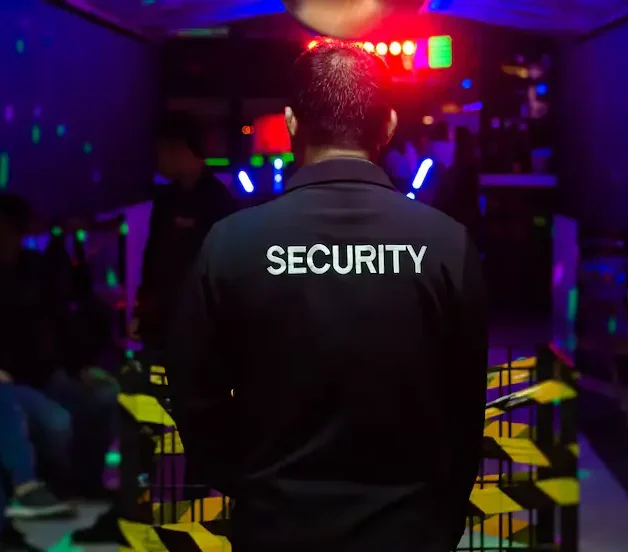
Starting a new course always comes with a mix of excitement and nerves, and a Door Supervisor Course London is no exception. Many people searching for this training have never stepped into a security classroom before, so it’s natural to wonder what the first day actually looks like. Will it be all paperwork? Will there be physical training right away? Do you need to bring anything special?
This article walks you through exactly what happens on day one, from the moment you arrive to the moment you leave, so you can walk in prepared and confident rather than guessing.
Why Day One Matters More Than You Think
The first day of any professional course sets the tone for everything that follows. In door supervisor training specifically, day one is where trainers assess the group, explain the structure of the SIA-linked qualification, and lay the foundation for the practical and legal knowledge you’ll need on the job. Skipping or misunderstanding this stage can leave learners feeling lost later on, especially when conflict management or physical intervention modules begin.
If you’re comparing training providers, it’s worth checking how each one structures their opening day. Providers like betrain.co.uk outline their course structure clearly before you even enrol, which helps remove a lot of the first-day anxiety.
Arrival and Registration
Most door supervisor courses begin with a simple but essential step: registration. This usually involves:
- Confirming your identity with a valid photo ID (passport or driving licence)
- Signing an attendance register, which is a legal requirement for SIA-linked courses
- Providing proof of your right to work in the UK, if required
- Filling in a short learner information form
This part can feel administrative, but it’s important. Training providers must keep accurate attendance records because the qualification is tied to the Security Industry Authority (SIA), and incomplete records can delay your licence application later. Expect this stage to take around 20 to 30 minutes, especially if it’s a larger group.
Meeting the Trainers and the Group
Once registration is done, trainers typically introduce themselves and explain their own background in the security industry. Many trainers have worked as door supervisors, close protection officers, or in event security themselves, and they often share real examples from their careers during this introduction. This helps set realistic expectations rather than just theoretical ones.
You’ll also get a chance to introduce yourself to other learners. Groups are often mixed: some people are entering security for the first time, others are already working in hospitality or retail and want to move into door supervision, and some are simply renewing an expired licence. This mix is actually useful, since group discussions later in the day often draw on people’s different experiences.
Course Overview and Structure Explained
Trainers usually spend the next portion of the day explaining how the course is structured. A typical Door Supervisor course in London runs across several days and covers modules such as:
- Working in the private security industry
- Working as a door supervisor
- Conflict management
- Physical intervention skills
- Emergency procedures
On day one, most of the time is spent on the first two modules, since they form the legal and professional backbone of the qualification. You won’t usually jump into physical training on day one; that tends to come slightly later once the theory foundation is in place.
Understanding the Legal Framework
A significant part of day one is dedicated to law. This includes:
- An overview of the SIA and why licensing exists
- The legal powers (and limits) of a door supervisor
- Health and safety responsibilities
- Equality and diversity requirements
- Licensing conditions and what can lead to licence suspension
This might sound dry on paper, but trainers usually make it engaging by using real scenarios. For example, they might ask the group: “A customer refuses to leave after last orders what can you legally do, and what can you not do?” These discussions help learners understand that door supervision isn’t just about physical presence; it’s a legally regulated profession with clear boundaries.
Introduction to Customer Service and Communication Skills
Something that surprises many new learners is how much emphasis is placed on communication rather than confrontation. Day one typically introduces the idea that a good door supervisor avoids physical conflict wherever possible through:
- Clear, calm communication
- Active listening
- De-escalation techniques
- Reading body language
Trainers often explain that the vast majority of a door supervisor’s working day involves talking, observing, and managing people calmly not physical intervention. This reframing is often one of the most valuable parts of day one for people who assumed the job was mostly about physical strength.
Classroom Activities and Group Discussions
Door supervisor training isn’t just lecture-style teaching. Day one usually includes:
- Small group discussions on real-world scenarios
- Short quizzes to check understanding of legal points
- Role-play style conversations (not physical yet) about handling difficult customers
- Trainer-led Q&A sessions
This interactive approach helps knowledge stick better than simply reading slides. It also gives trainers a chance to identify learners who might need extra support before the practical modules begin later in the course.
What You Should Bring on Day One
To make the first day smoother, most training providers recommend bringing:
- Valid photo ID
- A pen and notepad (though many providers supply materials)
- Comfortable clothing, since some providers introduce light movement even on day one
- Any required documents mentioned during enrolment, such as proof of address or right-to-work documents
Providers such as betrain.co.uk usually send a confirmation email listing exactly what to bring, so it’s worth checking your enrolment email closely before the course starts.
Common First-Day Nerves and How Trainers Address Them
It’s completely normal to feel nervous before starting a Door Supervisor Course London. Many learners worry about:
- Not having any prior security experience
- Struggling with the legal terminology
- Feeling too young or too old for the group
- Worrying about the physical intervention module later in the course
Experienced trainers are used to these concerns and usually address them directly on day one. They’ll often remind the group that the course is designed for complete beginners, and that physical training is taught step-by-step later, with safety as the top priority throughout.
How Day One Sets Up the Rest of the Course
By the end of day one, most learners leave with:
- A clear understanding of what the SIA licence involves
- Basic legal knowledge about their role and limits
- An introduction to communication-based conflict management
- A sense of the group they’ll be training with for the rest of the course
This foundation makes the following days especially the physical intervention and emergency procedures modules much easier to follow, since learners already understand the legal and communication context behind every physical technique they’ll later learn.
Final Thoughts
Day one of a Door Supervisor Course London is less about action and more about foundation. It’s the day where legal knowledge, professional expectations, and communication skills are introduced, setting the stage for the more hands-on modules that follow later in the course. Walking in with realistic expectations registration, introductions, legal theory, and communication skills will help you feel far more settled than expecting an intense physical session right away.
If you’re researching providers, comparing how they structure their opening day, syllabus, and support materials can make a real difference in how confident you feel before you even arrive. You can see how one provider lays this out on their Door Supervisor Course London page.
Frequently Asked Questions
1. What happens on the first day of a Door Supervisor course?
Day one usually covers registration, ID checks, trainer and group introductions, and an overview of SIA licensing laws, along with an introduction to communication and conflict management skills.
2. Do I need experience to join a Door Supervisor Course in London?
No prior experience is required. Courses are designed for complete beginners as well as people renewing an existing SIA licence.
3. Is physical training included on day one?
Typically not. Day one focuses on legal knowledge and communication skills, with physical intervention training introduced later in the course once the foundation is covered.
4. What documents do I need to bring on day one?
You’ll usually need valid photo ID, such as a passport or driving licence, along with any right-to-work or address documents your provider requested during enrolment.
5. How long does a Door Supervisor course usually take?
Most courses run across several consecutive days, combining classroom learning with practical modules, though exact duration varies by provider.
6. Will I be tested on day one?
Formal assessments usually come later in the course, though short quizzes or group discussions on day one help reinforce early learning.
7. What is the SIA and why does it matter for door supervisors?
The Security Industry Authority (SIA) regulates the UK’s private security industry and issues the licence required to legally work as a door supervisor.
8. Is the course mostly theory or practical training?
Early days lean more towards theory and legal knowledge, while later days introduce practical skills like conflict management and physical intervention.
9. Can I join if I’m nervous about the physical intervention module?
Yes. Trainers introduce physical techniques gradually and safely later in the course, and day one is specifically designed to build confidence before that stage.
10. How do I choose the right Door Supervisor Course provider in London?
Look for a provider that clearly explains their course structure, syllabus, and support, such as the details listed on the betrain.co.uk Door Supervisor Course page, so you know what to expect before enrolling.