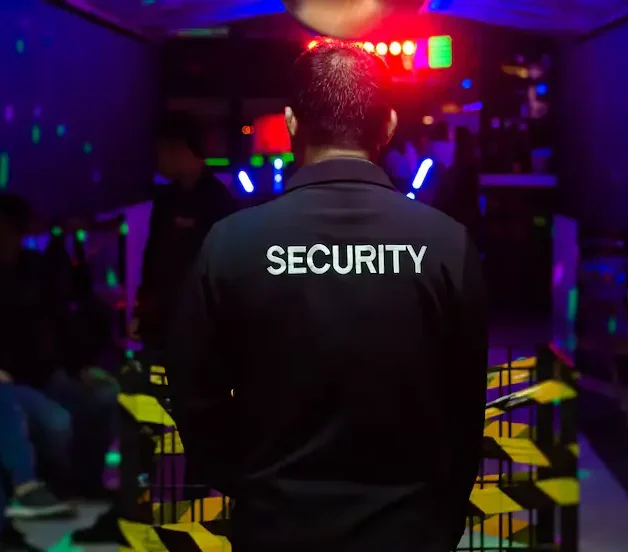
The private security industry in the United Kingdom is built on trust. Every day, thousands of door supervisors, security guards, and close protection officers are given real authority over public safety the power to refuse entry, remove troublemakers, and make split-second decisions that protect ordinary people. Because this responsibility is so significant, the Security Industry Authority (SIA) does not hand out licences lightly. One of the most important steps in the entire licensing process is the criminal record check, and understanding why this check exists helps explain the standards the whole industry is built around.
If you are planning to enrol in a Door Supervisor Course London and start a career in security, understanding this part of the process is essential not just to pass it, but to appreciate why it matters.
What Is the SIA and Why Does It Exist?
The Security Industry Authority is the official regulatory body responsible for overseeing the private security industry across the UK. It was set up under the Private Security Industry Act 2001, following years of concern about unregulated bouncers, unlicensed guards, and a general lack of accountability in the sector.
Before the SIA existed, almost anyone could work as a doorman or security guard, regardless of their background. This created serious risks for the public. Venues sometimes hired people with violent histories, and there was no consistent system to check who was working the doors of pubs, clubs, and events. The SIA changed all of that by introducing licensing requirements that every door supervisor, security guard, and CCTV operator must meet before they can legally work.
At the heart of this licensing system is one non-negotiable requirement: a clean, verifiable criminal record check.
The Core Reason: Public Safety Comes First
The simplest answer to why the SIA requires criminal record checks is public safety. Door supervisors are placed in positions of trust and authority. They deal with intoxicated customers, manage conflict, search bags, and sometimes physically remove people from venues. This role requires a level head, sound judgement, and most importantly a trustworthy character.
If someone with a history of violence, dishonesty, or abuse of power were allowed to hold this position without scrutiny, the risks to the public would be significant. A criminal record check helps the SIA identify whether an applicant has a background that could make them unsuitable to be given this kind of authority over others.
This is not about punishing people forever for past mistakes the SIA does allow for context and rehabilitation in many cases but it is about ensuring that those working in high-trust security roles have been properly screened first.
What Type of Criminal Record Check Does the SIA Use?
The SIA works with the Disclosure and Barring Service (DBS) to carry out these checks. When you apply for an SIA licence, your application automatically triggers a criminal record check through the DBS.
This check reviews:
- Convictions, cautions, reprimands, and warnings held on record
- Details from both spent and unspent convictions, depending on the offence
- Information relevant to certain serious offences that never become “spent”
For most SIA licence categories, including the Door Supervisor licence, the check is more thorough than a standard basic DBS check. It considers the applicant’s full criminal history, not just recent offences, because the role involves close, unsupervised contact with the public and situations involving personal safety.
Why a “Standard” Background Check Isn’t Enough
Some people assume that a simple background check, similar to what an employer might request, would be sufficient. However, the SIA’s criminal record check goes further for a few key reasons.
First, door supervisors often work alone or with minimal supervision, especially late at night. There is no manager standing beside them every moment monitoring their actions the way there might be in a typical retail job. This independence means the SIA needs a higher level of assurance about a candidate’s history before granting a licence.
Second, the role frequently involves physical intervention. Door supervisors are trained to use reasonable force when necessary, search individuals, and manage aggressive situations. Given this, an applicant’s history involving violence, weapons, or abuse of authority is directly relevant to their suitability for the role far more relevant than it would be for many other jobs.
Third, criminal record checks help protect vulnerable people. Bars, clubs, and events often include young people, intoxicated individuals, and members of the public who may be in vulnerable situations. The SIA has a duty to reduce the risk of exploitation or harm by ensuring that those given authority over these environments meet a proper standard of character.
What Kind of Offences Can Affect Your SIA Licence Application?
Not every criminal record automatically disqualifies someone from getting an SIA licence. The SIA takes a structured approach, reviewing the nature, severity, and timing of any offences.
Generally, the following factors are considered:
- The type of offence violent crimes, sexual offences, and crimes involving weapons are treated far more seriously than minor, non-violent offences.
- How recent the offence was older offences, especially from many years ago, may be viewed differently than recent convictions.
- The severity of the sentence custodial sentences (prison time) carry more weight than fines or community orders.
- Patterns of behaviour a single minor offence from years ago is treated differently than a pattern of repeated offending.
Some serious offences, such as those involving significant violence or sexual misconduct, may result in an automatic refusal, regardless of how long ago they occurred. Other, less serious matters may still allow someone to receive a licence, particularly if enough time has passed and there is no ongoing pattern of concern.
This is why it’s always recommended that applicants are upfront and transparent from the start of their application. Trying to hide or omit information is far more likely to lead to problems than disclosing a past offence honestly.
The Application Process: Where the Criminal Record Check Fits In
For anyone considering a Door Supervisor Course London, it helps to understand exactly where the criminal record check sits within the wider licensing journey.
- Complete the required training. Before applying for an SIA Door Supervisor licence, you must complete an SIA-approved training course covering conflict management, physical intervention, emergency procedures, and the law relating to the role.
- Submit your SIA licence application. This includes proof of identity, proof of the right to work in the UK, and passport-style photographs.
- Consent to the criminal record check. As part of the application, you give consent for the SIA to carry out a DBS check on your behalf.
- Wait for processing. The SIA reviews your training certificate, identity documents, and the results of your criminal record check together before making a decision.
- Receive your licence decision. If everything meets the required standard, your licence is issued, usually valid for three years.
Because the criminal record check is embedded directly into the application, there’s no way to bypass it every single applicant goes through the same screening process, without exception.
Why This Process Benefits the Whole Industry
While it might feel like an extra hurdle for applicants, the criminal record check ultimately benefits everyone working in the security sector. It raises the overall reputation of the profession, giving venues, employers, and the public confidence that licensed door supervisors have met a consistent national standard.
This is particularly important in a city like London, where the nightlife and events industry is massive, and door supervisors are visible representatives of safety and professionalism at venues, festivals, concerts, and corporate events. A robust, trustworthy licensing system helps maintain public confidence in the industry as a whole.
It also protects genuine, hardworking professionals. Because the SIA enforces consistent standards, employers can trust that any licensed door supervisor they hire has passed the same rigorous screening, which makes it easier for qualified, honest individuals to find consistent work.
How to Prepare Before You Apply
If you are getting ready to complete a Door Supervisor Course London and apply for your SIA licence, here are a few practical tips:
- Be honest on your application. Disclose any relevant history rather than hoping it won’t come up.
- Gather your documents early. Passport, proof of address, and right-to-work documents are all needed before you can apply.
- Choose an SIA-approved training provider. Your training certificate must come from an approved centre, or your application won’t be accepted.
- Understand the timeline. Criminal record checks can take time to process, so apply as early as possible.
- Ask questions if you’re unsure. If you have any concerns about a past offence affecting your application, it’s worth researching official SIA guidance before applying.
A reputable training provider can often guide you through this part of the process as well, helping you understand what to expect and how to prepare your application properly. You can find more details about training options and how the course connects to the licensing process at Door Supervisor Course London.
Final Thoughts
The SIA’s criminal record check exists for one clear reason: to protect the public by ensuring that only trustworthy, suitable individuals are given the authority that comes with a door supervisor licence. It’s not designed to be an obstacle for honest applicants it’s designed to maintain high standards across an industry where public trust and safety are absolutely essential.
For anyone serious about starting a career in security, understanding this process from the beginning makes the entire journey smoother. Completing accredited training, being transparent during your application, and understanding what the SIA is looking for will put you in the best possible position to receive your licence and start working professionally and confidently.
10 Frequently Asked Questions
1. Does the SIA carry out a criminal record check for every applicant?
Yes. Every person applying for an SIA licence, including a Door Supervisor licence, must undergo a criminal record check as part of the standard application process. There are no exceptions.
2. Will a minor offence from years ago stop me from getting an SIA licence?
Not necessarily. The SIA considers the type, severity, and age of any offence. Minor, non-violent offences from a long time ago are treated differently than recent or serious crimes.
3. What happens if I don’t disclose a past conviction?
Failing to disclose relevant information can lead to your application being refused or your licence being revoked later if the truth comes to light. Honesty from the start is always the safer approach.
4. How long does the SIA criminal record check take?
Processing times vary, but it typically takes several weeks. Applying early and ensuring your documents are complete can help avoid unnecessary delays.
5. Can I still apply for a Door Supervisor Course London if I have a criminal record?
Yes, having a criminal record doesn’t automatically prevent you from taking the training course itself. However, whether you receive a licence afterward depends on the nature of your record.
6. Which offences are most likely to lead to a licence refusal?
Serious violent offences, sexual offences, and crimes involving weapons are treated most seriously and are the most likely to result in refusal, particularly if they are recent.
7. Does a spent conviction still show up on the SIA check?
Yes, for SIA licensing purposes, both spent and unspent convictions may be reviewed, since the role requires a higher level of scrutiny than many standard jobs.
8. Who actually carries out the criminal record check for the SIA?
The check is conducted through the Disclosure and Barring Service (DBS), which works alongside the SIA to review an applicant’s criminal history.
9. Do I need to complete training before or after the criminal record check?
You generally complete your SIA-approved training first, then submit your full licence application, which includes consent for the criminal record check to be carried out.
10. Why does the SIA require such a strict process compared to other jobs?
Because door supervisors are given real authority over public safety, often work unsupervised, and may need to use physical intervention, the role requires a higher standard of trust than most other professions.