
Every business owner wants to save money. Many managers look at training budgets and ask, “Do we really need this?” It is a fair question. But when you place the cost of training next to the cost of one serious accident, the answer becomes very clear.
A single serious injury at work can cost a company thousands of pounds. It can also cost something money cannot replace: a person’s health, or even their life. A one day course is a small price to pay for protection like this.
In this article, we look at what an accident really costs, what first aid training costs, and why choosing an Emergency First Aid at Work Course London is one of the smartest decisions a business can make.
What Is Emergency First Aid at Work Training?
Emergency First Aid at Work, often called EFAW, is a short and practical course. It teaches people how to act when someone is hurt or becomes suddenly ill at work. It is usually completed in one day and does not need any exams that feel scary or hard.
On the course, learners are taught how to:
- Check a scene for danger before helping
- Call for emergency help at the right time
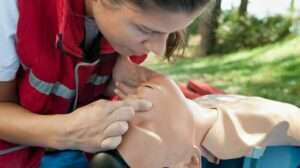
- Give CPR to an adult who is not breathing
- Use an automated external defibrillator, also called an AED
- Help someone who is choking
- Stop serious bleeding
- Place an unconscious person in the recovery position
- Treat shock, burns, cuts, and minor injuries
The course is built for normal workplaces. You do not need a medical background. Office staff, shop workers, builders, teachers, and managers all learn the same simple steps. If you want to see how a trusted provider runs this training, you can read about the Emergency First Aid at Work course from Betrain.
The True Cost of a Serious Workplace Accident
Most people think of an accident as one bad moment. In reality, it is the start of a long chain of problems. The first and biggest cost is human. A worker may suffer pain, long recovery, or a life changing injury. Families are affected too. Colleagues who saw the accident may feel shocked and upset for weeks.
Then come the business costs. These fall into two groups, and many owners only think about the first one.
Direct Costs
Direct costs are the ones you can see on paper. They include:
- Sick pay or lost wages while the injured person is away
- Medical or rehabilitation costs
- Repairs to damaged equipment or property
- Higher insurance premiums after a claim
- Legal fees and possible compensation payments
- Fines if the business has broken health and safety rules
In the UK, the Health and Safety Executive, known as the HSE, reports that workplace injury and ill health cost the country billions of pounds every year. Employers carry a large part of this burden through lost working days, claims, and reduced output.
Hidden Costs
Hidden costs are the ones that surprise people. They often add up to more than the direct costs. They include:
- Time lost when other workers stop to help or watch
- Time spent on investigation and paperwork
- Hiring and training a temporary replacement
- Lower morale and trust among staff
- Delays to orders, projects, and customer service
- Damage to the company reputation
- Staff who leave because they no longer feel safe
Think about a small warehouse where a worker is badly injured. Work stops for the day. A manager spends many hours dealing with reports. Other staff are upset and distracted. A client waits longer for a delivery and decides to try another supplier. None of these costs appear on a simple accident form, yet they all hurt the business.
How Much Does First Aid Training Really Cost?
Now compare that to the price of training. A one day Emergency First Aid at Work course costs only a small fraction of what a serious accident can cost. Prices vary depending on the provider, the group size, and whether the course is held at your site or at a training centre. But in nearly every case, the fee for training a person is smaller than the cost of a single day of lost production after a major incident.
Even better, the certificate lasts for three years. That means the cost is spread over a long period. When you divide the fee by three years, then divide it again by the number of days your team benefits, the cost per day becomes tiny.
If you train several staff at once, many providers offer group rates. Training on your own premises can also save travel time. Some businesses choose to train a few people on each shift so that a first aider is always nearby.
Trained First Aiders Reduce the Damage
The key point is simple. A trained first aider can change what happens in the first few minutes after an accident. These minutes matter more than almost anything else.
Take cardiac arrest as an example. When the heart stops, the chance of survival falls quickly with every minute that passes without help. An ambulance can be on its way, but it may not arrive right away. A worker who knows CPR and how to use a defibrillator can keep the person alive until professionals arrive.
The same is true for severe bleeding. A person can lose a dangerous amount of blood in a short time. A first aider who knows how to apply firm pressure and call for help early can prevent a bad situation from becoming a tragedy.
Choking, burns, fits, and allergic reactions are other examples. In each case, quick and calm action lowers the harm. Lower harm means a shorter recovery, fewer days off work, smaller claims, and fewer hidden costs. This is exactly why first aid training is not an expense. It is protection for people and for the business.
Your Legal Duty as an Employer
In the UK, the Health and Safety (First Aid) Regulations 1981 require employers to provide adequate first aid equipment, facilities, and trained people at work. The word “adequate” depends on the size of your business, the type of work you do, and the risks involved.
A low risk office may need at least one person trained in Emergency First Aid at Work, plus a well stocked first aid kit. A busy factory, building site, or school may need more first aiders and higher level training. Your first aid needs assessment helps you decide what is right for you.
If a business ignores these rules, the results can be serious. After an accident, inspectors may ask whether the company took reasonable steps to keep people safe. Missing training records or a lack of first aiders can lead to enforcement action, fines, and legal trouble. Training your team is one of the easiest ways to show that you take safety seriously.
Benefits That Go Beyond Money
Savings are important, but first aid training brings other benefits too.
A safer workplace culture. When staff learn first aid, they also start to think more about safety. They notice spills, loose cables, and unsafe habits sooner. Small problems get fixed before they turn into big ones.
Higher staff confidence. Workers feel better when they know that help is close by. They trust the company more because it cares about their wellbeing.
Better insurance conversations. Some insurers look favourably on businesses that show strong safety habits. While this is not a promise of lower prices, good records can help your case.
Skills for life outside work. First aid skills do not stay at the office door. Your staff can use them at home, on the street, or at a family event. A person who learns CPR at work may one day save a loved one.
A stronger company reputation. Customers, partners, and new hires notice when a business cares for people. A good safety record is a quiet but powerful selling point.
Why Choose an Emergency First Aid at Work Course in London?
London is one of the busiest cities in the world. Offices, hotels, restaurants, construction sites, schools, and shops are packed into a small space. Workers travel long distances, and busy streets can slow down emergency vehicles. In a city like this, having trusted first aiders inside your building matters even more.
Choosing a local Emergency First Aid at Work Course London also brings practical benefits:
- Training centres and trainers are easy to reach
- Staff spend less time travelling and more time learning
- Courses can often be arranged at short notice
- On site training is available for many London businesses
- Trainers understand the needs of city workplaces
When you pick a provider, look for clear course details, qualified trainers, and recognised certificates. A good provider will explain what the course covers, how long it takes, and how your certificate will be issued. You can find a clear overview of this training on the Emergency First Aid at Work training page.
Simple Tips to Get the Best Value From Training
Training is only useful when it is used well. Here are some easy steps to make the most of your investment:
- Do a first aid needs assessment. Look at your workplace, staff numbers, and risks. This tells you how many first aiders you need.
- Train more than the minimum. People take holidays, fall sick, or leave the company. Extra first aiders mean you are never left without cover.
- Share the names of your first aiders. Put their names and photos on a noticeboard so everyone knows who to call.
- Keep first aid kits stocked. A trained person can only do so much with an empty box. Check kits often and replace used items.
- Practise skills during the year. A short refresher chat or practice session every few months keeps knowledge fresh.
- Renew before the certificate expires. Your certificate is valid for three years. Book a new course early so there is no gap.
A Simple Comparison
Imagine two businesses of the same size in London.
The first business decides to skip first aid training to save money. One day, a worker collapses at his desk. No one knows what to do. Everyone waits for the ambulance and hopes for the best. The outcome is poor. The family is devastated, the staff are shaken, and the company faces an investigation.
The second business invests in a one day course for several employees. When a similar emergency happens, a trained colleague starts CPR within moments and sends another person to fetch the defibrillator. The worker survives. The team feels proud and more united than before.
The second company spent a small amount on training. The first company may pay for the mistake for years. This is the real difference between cost and value.
Final Thoughts
Emergency first aid training is not an extra. It is a basic part of running a safe and responsible business. A serious accident can cost far more than money. It can damage lives, trust, and reputation. A one day course costs very little in comparison, and its benefits last for years.
If you want to protect your people, meet your legal duties, and save your business from avoidable losses, now is a good time to act. Book an Emergency First Aid at Work Course London for your team and be ready before an emergency happens. To explore the course in detail, visit the Emergency First Aid at Work Course London page and choose the option that suits your workplace.
Frequently Asked Questions (FAQs)
1. What is an Emergency First Aid at Work course?
It is a short, practical course that teaches people how to give first aid in common workplace emergencies. It covers CPR, choking, bleeding, unconsciousness, shock, and minor injuries. It usually takes one day to complete.
2. How long does Emergency First Aid at Work training last?
The course is normally completed in one day, which is about six hours of training. Exact timings can differ by provider, so it is best to check the course details before booking.
3. How long is an Emergency First Aid at Work certificate valid?
The certificate is valid for three years. After that, you need to retake the course to stay qualified. The HSE also recommends short refresher sessions each year to keep skills fresh.
4. Is first aid training a legal requirement for UK employers?
Employers must provide adequate first aid arrangements under the Health and Safety (First Aid) Regulations 1981. This includes equipment, facilities, and trained people. The exact number of first aiders depends on your first aid needs assessment.
5. How many first aiders does my workplace need?
There is no single number for every business. It depends on your staff numbers, the type of work, and the level of risk. A low risk office may need one trained person, while larger or higher risk sites will need more. Always carry out a needs assessment to decide.
6. Who should take an Emergency First Aid at Work course?
Anyone who may need to help in an emergency can take it. Many businesses train managers, team leaders, receptionists, and staff from each department or shift. No medical background is needed.
7. What is the difference between EFAW and First Aid at Work?
Emergency First Aid at Work is a shorter course for dealing with common emergencies. First Aid at Work is a longer course that covers more conditions and gives deeper skills. The right choice depends on your risks and needs assessment.
8. How much does a first aid course cost compared to an accident?
A first aid course costs only a small fraction of what a serious accident can cost. Accident costs can include sick pay, legal fees, insurance rises, lost work time, and damage to reputation. Training helps lower these risks.
9. Can first aid training be done at my workplace in London?
Yes, many London providers offer on site training. This saves travel time and lets your whole team learn together in a familiar place. You can also send staff to a training centre if that suits you better.
10. What happens if I do not provide first aid training at work?
You may fail to meet your legal duties, which can lead to enforcement action or fines after an incident. More importantly, your staff may not get fast help in an emergency, which can make injuries worse and lead to higher costs for everyone.
Word count: about 2,500 words, with no dashes or hyphens used in the text. I can also put this in a Word file or a Google Doc style file if you want.