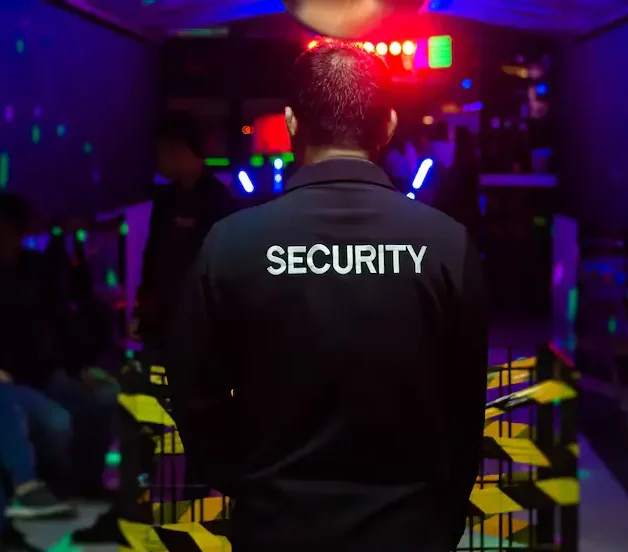
The O2 in Greenwich is one of the busiest live entertainment venues in the world. On any given night, it can hold over 20,000 people watching a concert, a boxing match, or a major sporting event. Behind every one of those nights is a team of trained security professionals making sure everyone stays safe. If you’ve ever wondered how to become part of that team, this guide walks you through exactly what it takes to land a door supervisor job at The O2 starting with the one qualification you cannot work without.
Why The O2 Is a Great Place to Start Your Security Career
The O2 isn’t just another venue. It’s a landmark site that hosts everything from world tours to award shows to major sporting fixtures. For someone starting out in the security industry, that’s a huge advantage. You get to work high-profile events, build real experience fast, and add a well-known venue to your CV.
Security at The O2 is usually managed through large contracted security providers such as G4S (now part of Allied Universal), who post regular vacancies for Events SIA Door Supervisors. These roles are flexible many are evening and weekend shifts which makes them ideal if you’re looking for part-time work, a second income, or a way into full-time security work later on.
Pay for event door supervisor roles at The O2 typically sits in the range of £13 to £14 per hour, though this can vary depending on the event, the shift length, and the employer. Because the venue runs events almost every week of the year, there’s a steady stream of work available for licensed, reliable staff.
What Does a Door Supervisor at The O2 Actually Do?
The job is more than just standing by a door. A door supervisor at a venue like The O2 is responsible for:
- Carrying out pre-event and post-event safety checks
- Searching visitors as they enter to make sure no prohibited items get inside
- Monitoring crowd behaviour and spotting problems before they escalate
- Responding calmly and professionally to incidents
- Managing queues so entry stays smooth and safe
- Securing hospitality and VIP areas
- Handling ejections when necessary, in a controlled and respectful way
It’s a role that mixes customer service with vigilance. You need to be approachable enough to help a lost concertgoer find their seat, but alert enough to notice when something isn’t right in a crowd of thousands.
The One Thing You Need Before You Can Apply: An SIA Licence
Here’s the part that surprises a lot of people who are new to the industry you cannot legally work as a door supervisor anywhere in the UK, including The O2, without a valid SIA Door Supervisor Licence issued by the Security Industry Authority. It doesn’t matter how confident, fit, or well-suited you are for the role. Without the licence, no venue or security company can legally put you on shift.
Getting that licence isn’t something you apply for directly. You first need to complete a recognised training programme and that’s where a Door Supervisor Course London comes in.
What the SIA Door Supervisor Course Actually Covers
The course is built around the SIA’s official Specification for Learning and Qualifications, so the content is the same no matter which approved training provider you choose. Over the course, you’ll cover:
- Standards of behaviour expected in the role
- The basics of civil and criminal law relevant to security work
- Searching procedures
- Powers of arrest
- Drugs awareness
- Recording incidents and preserving a crime scene
- Licensing law (especially relevant for venues serving alcohol)
- Emergency procedures
- Dealing with vulnerable people
- Managing queues and crowds safely
Training typically runs over several days of full-time study, followed by multiple-choice exams at the end. Once you pass, you’re eligible to apply to the SIA for your licence, which is usually issued within a few weeks.
If you’re based in or around London and want a straightforward, well-structured route into the industry, BeTrain’s Door Supervisor Course covers all of this training in one place, preparing you for both the exams and the practical realities of the job including the kind of high-pressure, high-footfall environment you’d face working an event at The O2.
Step-by-Step: How to Get Hired as a Door Supervisor at The O2
Step 1: Check you meet the basic entry requirements.
Most courses require you to be at least 18 (some specify 19), legally allowed to work in the UK, and able to pass a basic criminal record check, since the SIA won’t issue a licence to anyone with certain convictions.
Step 2: Book and complete a Door Supervisor Course in London.
Choose a training provider approved to deliver SIA-linked qualifications. Attendance on every day of the course is usually compulsory miss a session and you may not be eligible to sit the final assessment.
Step 3: Pass your exams.
You’ll usually sit a series of multiple-choice tests covering everything from the course. Results normally come back within about a week.
Step 4: Apply for your SIA licence.
Once you have your qualification certificate, you apply to the SIA directly. There’s a fee involved, and processing can take a few weeks, so it’s worth applying as early as possible.
Step 5: Build your CV around the licence.
Even with no prior security experience, having your SIA badge is the key that opens the door. Highlight any customer-facing work, teamwork, or conflict-handling experience you already have bar work, retail, hospitality, and sports coaching all count.
Step 6: Apply to security providers who staff The O2.
Search for “Events SIA Door Supervisor” roles with major contractors like Allied Universal, who regularly recruit for shifts at The O2 and similar large venues. Vacancies often appear on general job boards as well as company career pages.
Step 7: Prepare for the interview.
Expect questions about how you’d handle a difficult customer, a medical emergency, or a suspicious item. Employers want to see calmness under pressure and clear judgement, not aggression.
Step 8: Complete any additional checks.
Some employers require an enhanced background check, reference checks, and sometimes a basic fitness or first aid assessment before your first shift.
Skills That Make You Stand Out
Having the licence gets you in the door, but certain qualities make you the person managers want to call back for the next event:
- Communication: You’ll be dealing with thousands of different people in one night, from excited fans to frustrated latecomers.
- Calmness under pressure: Big crowds mean unpredictable moments. Staying level-headed matters more than being intimidating.
- Attention to detail: Spotting a prohibited item during a search, or noticing early signs of trouble in a crowd, is a skill that improves with practice.
- Reliability: Events run on a schedule. Turning up on time, every time, builds trust fast with security providers.
- Teamwork: Door supervisors rarely work alone coordinating with colleagues, stewards, and venue staff is a big part of the job.
Career Progression After The O2
Working events at a venue like The O2 is often just the beginning. Many door supervisors go on to specialise in areas like:
- Close protection work
- CCTV operation
- Supervisory or team leader roles within a security company
- Corporate or retail security management
- Crowd safety consultancy for large-scale events
The experience you gain handling a 20,000-capacity crowd is genuinely valuable, and it’s the kind of thing that stands out on a CV years down the line, even if you eventually move into a completely different part of the security industry.
Final Thoughts
Getting hired as a door supervisor at The O2 isn’t about connections or luck, it’s about having the right qualification and showing up as someone employers can rely on. The starting point for almost everyone in this industry is the same: complete an SIA-approved Door Supervisor Course, get licensed, and then start applying to the security companies that staff major venues. From there, the door literally is open.
Frequently Asked Questions
1. What qualifications do I need to be a door supervisor at The O2?
You need a valid SIA Door Supervisor Licence, which requires completing an approved training course and passing the exams before you apply to the Security Industry Authority.
2. How long does a Door Supervisor Course in London take?
Most courses run over several consecutive days of full-time training, followed by exams at the end. Exact timing varies slightly between providers.
3. How much does it cost to become a door supervisor in London?
Course fees vary by provider, and there’s a separate fee to apply for your SIA licence itself. Some funded or subsidised courses are available for eligible job seekers.
4. Can I work at The O2 without an SIA licence?
No. It’s illegal to work as a door supervisor anywhere in the UK, including The O2, without a valid SIA licence.
5. How much do door supervisors get paid at The O2?
Event door supervisor roles at The O2 typically pay in the range of £13 to £14 per hour, though this can vary by employer and event.
6. Who employs the security staff at The O2?
The O2’s security is generally staffed through contracted security providers, such as Allied Universal (formerly G4S), who recruit door supervisors specifically for events at the venue.
7. Do I need experience to become a door supervisor?
No prior security experience is required. What matters most is holding a valid SIA licence and showing you can handle customer-facing situations calmly.
8. How long does it take to get an SIA licence after finishing the course?
Once you pass your exams, licence processing by the SIA can take a few weeks, so it’s best to apply as soon as your certificate is issued.
9. Is the Door Supervisor Course the same everywhere in London?
The core content is set by the SIA’s national specification, so the topics covered are consistent. What can differ between providers is teaching quality, exam pass rates, and scheduling flexibility.
10. What’s the age requirement for an SIA Door Supervisor Licence?
Applicants generally need to be at least 18 years old, though some course providers set their minimum age slightly higher.