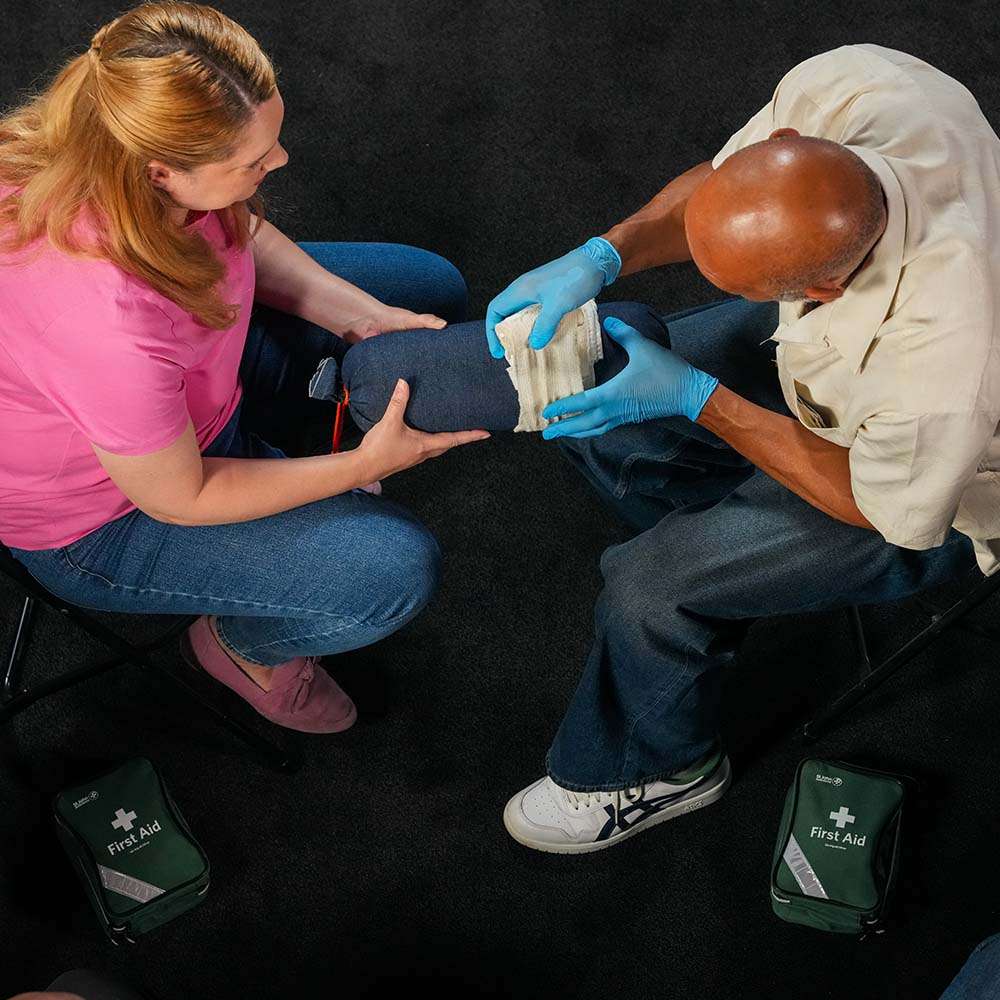
When people search for an Emergency First Aid at Work course in London, they often start with price. That makes sense. But price alone can lead you in the wrong direction. A cheap course that your employer will not accept is poor value. A dearer course that gives you real practice, a trusted certificate and lasting confidence can be excellent value.
In this guide, we explain how to think about value in plain English. You will get a simple scorecard to compare providers, tips for before, during and after the course, and ways to cut costs without cutting quality. If you want to see a real course page as you read, here is the Emergency First Aid at Work course in London.
The Short Answer
The best value course is a regulated Level 3 Award in Emergency First Aid at Work (RQF) with at least six hours of training time, real hands on practice, a qualified trainer, a sensible class size, a clear total price and a certificate your employer will accept. After that, you improve value by booking as a group, choosing a convenient venue, asking about inclusions such as a free resit and using what you learn.
If a course ticks those boxes, a few pounds either way matters far less than the quality of what you get.
What Prices Look Like in 2026
To judge value, you need a sense of the market. In London in 2026, we saw a wide range of public prices for a one day course.
- Some listings were around £65 per person.
- Others were around £80.
- One showed £90 plus VAT, which came to £108 in total.
- Some central London listings were higher, at £138 and £149.
- One London borough adult learning service listed the course at £75 per person, or £750 to run a one day session at your own premises.
One provider page, linked above, lists £89 per person for classroom training and £75 per person for groups of five or more, at the time of writing in October 2026. Prices change, so always confirm the current amount.
So a sensible rough range is about £65 to £150 per person. Within that range, the cheapest is not automatically the best value, and the dearest is not automatically the worst.
What Value Really Means
Value is what you get divided by what you pay. For a first aid course, the things you get include:
- A recognised qualification. A regulated certificate valid for three years.
- Real skills. The ability to give CPR, use an AED, help a choking person, control bleeding and more.
- Confidence. Feeling ready to act, not frozen.
- Acceptance. A certificate your employer, insurer or client will trust.
- Convenience. A date, place and format that fit your life.
- Support. Help if you need a resit, a replacement certificate or a renewal reminder.
A low price that misses several of these is not good value. A fair price that delivers most of them is.
The Value Scorecard
Here is a simple scorecard you can use to compare providers. Give each point a score from 0 to 2, where 0 means missing or unclear, 1 means partly, and 2 means clearly yes. Add up the total out of 20.
- Regulated qualification. Is it a Level 3 Award in Emergency First Aid at Work (RQF) with a named awarding organisation?
- Training time. Does it include at least six hours of training time, not counting breaks, as HSE guidance says?
- Hands on practice. Will you practise CPR on a manikin and use a training AED?
- Practical assessment. Will a qualified trainer assess you in person?
- Trainer quality. Does the provider tell you who teaches and what qualifications they hold?
- Class size and equipment. Is the maximum class size stated, and are there enough manikins? Many awarding organisations set a maximum of around 12 learners per trainer.
- Total price clarity. Is the price per person, including VAT, clear?
- Inclusions. Are the certificate, materials and refreshments included, and is a resit free?
- Convenience. Is the venue, date and time easy for you, with fair rescheduling?
- Support and feedback. Is there good contact support, a clear certificate process and believable recent reviews?
A worked example
The numbers below are invented to show how the scorecard works. They are not real figures for any provider.
Provider A: advertised at £65, no named awarding organisation, a shorter day than six hours, large classes, VAT added at checkout, no free resit.
- Regulated qualification: 0
- Training time: 0
- Hands on practice: 1
- Practical assessment: 1
- Trainer quality: 0
- Class size and equipment: 0
- Total price clarity: 0
- Inclusions: 0
- Convenience: 2
- Support and feedback: 1
- Total: 5 out of 20
Provider B: advertised at £89, named awarding organisation, full day with at least six hours of training time, clear class size, price including VAT, free resit.
- Regulated qualification: 2
- Training time: 2
- Hands on practice: 2
- Practical assessment: 2
- Trainer quality: 2
- Class size and equipment: 2
- Total price clarity: 2
- Inclusions: 2
- Convenience: 2
- Support and feedback: 1
- Total: 19 out of 20
Provider B costs £24 more on the headline price, but it scores far higher on value. If Provider A forces you to book again, the £24 saving disappears at once.
What Does the Certificate Cost Per Year?
Another useful way to see value is to spread the cost over the life of the certificate. An EFAW certificate is valid for three years.
- At £65, that is about £22 a year.
- At £89, that is about £30 a year.
- At £149, that is about £50 a year.
Seen this way, the difference between a cheap and a fair price is only a few pounds a year, and the difference in quality can be huge. That is why it is sensible to choose quality first and then look for savings.
Before the Course: How to Get the Best Value
Good value starts before you book.
Check what you actually need
Confirm with your employer or needs assessment that EFAW is the right course. Higher hazard workplaces usually need the three day First Aid at Work course, and early years settings need paediatric first aid. Booking the wrong course wastes the whole fee. As a starting point for low hazard workplaces, HSE suggests at least one appointed person for fewer than 25 employees, at least one first aider trained in Emergency First Aid at Work for 25 to 50 employees, and at least one first aider trained in First Aid at Work for every 100 employees above that, or part of 100. Higher hazard workplaces need more.
Ask who pays
If you are taking the course for your job, ask your employer to pay the fee and give you paid time. Under the Health and Safety (First Aid) Regulations 1981, employers must provide adequate and appropriate first aid for their employees. This is often the single biggest saving.
Compare totals, not headlines
Include VAT, certificate fees, booking fees and travel. A course shown at £90 plus VAT costs £108.
Look for group rates
Many providers charge less per person for groups, commonly from around five people. One provider lists £75 per person for groups of five or more, compared with £89 for an individual. For five people, that is a saving of £70 in total.
Consider training at your workplace
For teams, training at your premises can save travel time and keep everyone together. Quotes vary, so ask for a written price.
Check inclusions
A free resit, course notes, refreshments and a clear certificate process all add value. One provider page says resit opportunities are available at no extra cost, but terms can change, so always confirm.
Choose a convenient venue and date
Travel time and cost are part of the real price. A course near home or work may beat a slightly cheaper one across the city.
Check the cancellation and deposit terms
Fair, flexible terms protect your money if plans change.
You can review the Emergency First Aid at Work training page to see how one provider presents its price, group rate and booking options, and use the scorecard above on any provider you consider.
On the Day: How to Squeeze Out the Most Learning
You have paid for the day, so use all of it.
- Arrive early and rested. Eat breakfast and wear comfortable clothes you can kneel in.
- Tell the trainer about access needs. Do this in advance if you can.
- Take part in every practical activity. The more you practise, the more it sticks.
- Ask questions. Even basic ones. Other people want to know too.
- Ask for another turn. If you want more practice on CPR or the recovery position, say so.
- Practise in pairs and give feedback. You learn from watching as well as doing.
- Make notes in your own words. Write down the key steps.
- Ask about your workplace. The trainer can help you think about real situations, such as where your AED is or what to do in a tight space.
- Check your certificate details. Make sure your name and the date are correct before you leave.
The course is a one day, regulated Level 3 qualification, and you learn how to assess an incident safely, give adult CPR, use an AED, place someone in the recovery position, help a choking adult, control serious bleeding, manage shock and treat minor injuries.
After the Course: Keep the Value Alive
A course is only good value if you remember what you learned. Skills such as CPR can fade within months if you never use them.
- Review your notes a few days later.
- Practise the recovery position with a friend or family member.
- Find your workplace first aid kit and AED.
- Tell colleagues you are a first aider.
- Save a digital copy of your certificate in two places. This avoids paying for a replacement.
- Put your expiry date in your calendar. The certificate lasts three years.
- Take a short refresher each year. HSE recommends this, although it is not a legal rule.
- Book your renewal early. Renewal means retaking the course, so plan ahead.
Ways to Save Without Losing Quality
Here is a quick list of smart savings.
- Ask your employer to pay.
- Book as a group.
- Choose training at your workplace if you have a team.
- Look at colleges and adult learning services. Some borough services price courses at a competitive level.
- Choose a nearby venue.
- Check for early booking or returning learner offers.
- Ask about payment options if you need to spread the cost.
- Check tax treatment. For businesses, training costs may be allowable, so ask an accountant.
- Look for a free resit.
- Plan your renewal early. Rushing can cost more and limit your choice of dates.
Value Traps to Avoid
Some things look like savings but are not.
- Instant online certificates. HSE guidance expects practical training and assessment for a workplace first aider.
- Courses shorter than six hours of training time. They may skip important practice.
- No named awarding organisation. Regulated qualifications always have one.
- Claims of HSE approval. HSE stopped approving training providers in 2013.
- A guaranteed pass. Real assessment checks real skills.
- Hidden extras. VAT, booking fees and certificate fees can erase a saving.
- Very large classes. You will get less practice and feedback.
- Rigid, no refund terms. A single change of plan could cost you the whole fee.
What Employers Should Weigh Up
If you are choosing training for a team, value includes more than the per person fee.
- Number of first aiders. Plan enough cover for holidays and sickness.
- Staff time. Wages for the day are part of the cost, so training at your workplace may be good value.
- Mix of courses. Some workplaces need First Aid at Work as well as EFAW.
- Tracking expiry dates. Stagger renewals so not everyone expires at once.
- Records. Keep invoices, certificates and your first aid needs assessment.
Why London Offers Strong Value Options
London has a very large number of providers, venues and dates, so you can usually find a course close to home or work at a time that suits you. Competition keeps prices within a wide but reasonable band, and many providers deliver training at your workplace. The key is to compare using the same checklist, so you can see real differences in quality and price.
Final Thoughts
So, how do you get the best value from an emergency first aid course in London? Start with a regulated Level 3 qualification, at least six hours of training time, real hands on practice, a qualified trainer and a clear total price. Use the scorecard to compare providers, ask your employer to pay if the course is for work, book as a group where you can and check what is included. Then make the most of the day and keep your skills fresh.
A course that gives you a certificate you can trust and skills you can use is worth far more than a few pounds saved. When you are ready, take a look at the Emergency First Aid at Work course in London and choose a date that suits you.
Frequently Asked Questions
1. How do I get the best value from a first aid course in London?
Choose a regulated Level 3 qualification with at least six hours of training time, real hands on practice, a qualified trainer and a clear total price. Then look for group rates, check inclusions such as a free resit and ask your employer to pay if the course is for work.
2. Is the cheapest first aid course the best value?
Not necessarily. A very cheap course may skip practice, assessment or support, or may not be accepted by your employer. Compare the total price, the qualification, the trainer and what is included.
3. How much does an Emergency First Aid at Work course cost in London?
In 2026, public prices commonly range from about £65 to £150 per person, depending on the provider, venue and whether VAT is included. One provider page lists £89 per person. Always confirm the current price before you book.
4. How can I pay less without losing quality?
Book as a group, ask your employer to pay, choose a venue near you, compare total prices including VAT, ask about training at your workplace and look for a free resit. One provider lists £75 per person for groups of five or more.
5. What should a good first aid course include?
A regulated Level 3 qualification, at least six hours of training time, practical training with manikins and a training AED, in person assessment, a qualified trainer, a sensible class size and a genuine certificate valid for three years.
6. How can I make the most of the course day?
Arrive rested, wear comfortable clothes, take part in every practical task, ask questions, ask for extra turns on key skills, make your own notes and check your certificate details before you leave.
7. How do I keep my skills fresh after the course?
Review your notes, practise the recovery position with a friend, know where your first aid kit and AED are, take a short refresher each year and renew before the three year certificate expires. HSE recommends a yearly refresher, although it is not a legal rule.
8. Is a group booking really cheaper?
Often, yes. Many providers charge less per person for groups, commonly from around five people. Ask for a written quote and check what is included.
9. Can employers claim tax relief on first aid training?
In most cases, training staff as first aiders is likely to be an allowable business expense, but the details depend on your business type. Keep invoices and ask an accountant or check HMRC guidance.
10. Where can I book an Emergency First Aid at Work course in London?
You can book through a training provider that offers the regulated qualification, either as a public course or as training at your workplace. Check the total price, what is included, the awarding organisation and the practical assessment before you book.