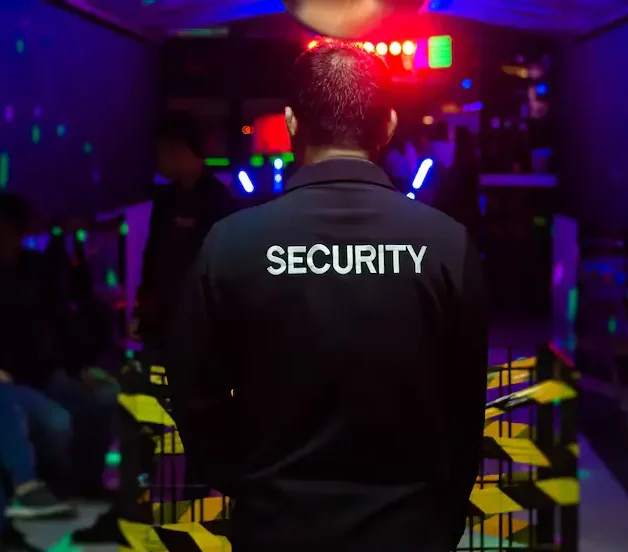
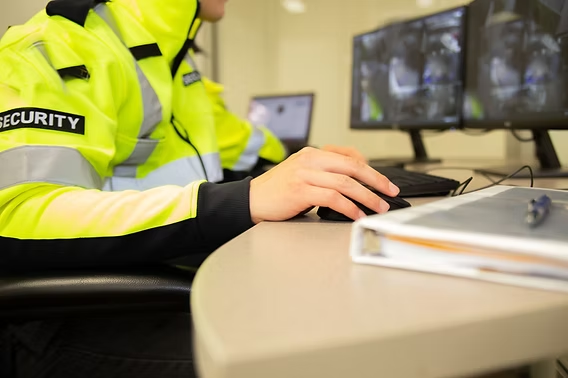
Security companies across the UK are rethinking how they train their staff. Instead of sending guards and supervisors to outside training centres every time a certificate needs renewing, more businesses are choosing to bring training in-house. This shift is saving money, improving consistency, and helping teams stay sharp on real-world skills that matter on the job.
If you manage a security firm, or you’re responsible for staff development, this article will walk you through why in-house training makes sense, how to set it up properly, and what to watch out for along the way.
Why Companies Are Moving Training In-House
For years, the standard approach was simple: book staff onto external courses, pay the fee, and hope the training stuck. But this model has some real drawbacks.
External courses are often generic. They’re built to cover a wide audience, not your specific site, your specific clients, or the exact situations your team faces every day. A guard working a busy nightclub door has very different needs from one working a corporate reception desk, yet both might sit through the same standard course.
Bringing training in-house flips this. You control the content, the pace, and the focus. You can build modules around real incidents your team has faced, local risks, and the specific expectations of your clients. This makes the training more relevant and, importantly, more memorable.
The Cost Argument
Cost is usually the first thing that comes up. Sending five or ten staff members off-site for training, especially somewhere like a door supervisor course in London, adds up quickly once you factor in course fees, travel time, and lost working hours. Multiply that across dozens of staff every year, and the numbers become hard to ignore.
In-house training removes a lot of these hidden costs. You’re not paying for venue hire elsewhere, you’re not losing staff for a full day of travel, and you can train several people at once without paying per-head rates that scale with every new booking.
That said, in-house training isn’t free. You’ll need to invest in a trainer (or train someone internally to deliver sessions), materials, and possibly accreditation costs if you want your training to count toward recognised qualifications like the SIA licence.
Consistency Across the Team
One of the biggest hidden benefits of in-house training is consistency. When everyone goes through the same internal programme, delivered by the same trainer or the same small team of trainers, you know exactly what every staff member has learned. There’s no guessing whether one guard picked up conflict management skills from a rushed weekend course while another barely paid attention.
This consistency matters most in situations where teamwork counts. If an incident happens on-site, you want every supervisor and guard responding the same way, using the same language, and following the same escalation process. That’s much easier to guarantee when training comes from one internal source.
What You Still Need From Outside Providers
Bringing training in-house doesn’t mean cutting out external providers completely. Certain qualifications, particularly SIA-licensed roles, require training and assessment delivered by an approved training provider. This is where a recognised course, such as a door supervisor course in London, still plays an important role.
The smart approach many companies take is a blended model:
- Core licensing and legally required qualifications are completed through an accredited external provider.
- Ongoing refreshers, site-specific briefings, soft skills development, and scenario-based practice happen in-house.
This way, you get the best of both. Your team stays fully compliant and licensed, while also receiving regular, relevant, low-cost training that keeps their skills sharp between renewal periods.
Building an In-House Training Programme: Where to Start
If you’re ready to bring more training in-house, here’s a practical path to follow.
1. Identify What Can Move In-House
Start by separating mandatory, regulated training from everything else. Legally required licensing, like the qualification needed to become a door supervisor, must go through an approved provider. Everything else—communication skills, conflict de-escalation, customer service, site familiarisation, radio protocols—can usually be handled internally.
2. Appoint or Train an Internal Trainer
You don’t need to hire a full-time training department. Often, an experienced supervisor or manager with strong communication skills can be trained to deliver sessions. Some external providers even offer “train the trainer” courses, giving your internal staff the tools and confidence to run sessions themselves.
3. Create Simple, Practical Materials
Keep your in-house materials short and focused. Long slideshows put people to sleep. Instead, build short modules around real scenarios: a difficult customer, a suspected fake ID, a medical emergency, or a physical altercation. Practical, scenario-based training sticks far better than theory-heavy sessions.
4. Schedule Regular, Bite-Sized Sessions
Rather than one long annual training day, spread sessions out. A 30-minute briefing once a month keeps skills fresh without overwhelming staff or pulling them off shifts for long stretches.
5. Track and Record Everything
Keep clear records of who has completed what training and when. This matters for client audits, insurance requirements, and demonstrating due diligence if something ever goes wrong on-site.
6. Review and Update Content Regularly
Security risks change. Laws change. Client expectations change. Build in a habit of reviewing your in-house materials every few months so the training stays current and useful.
Common Challenges to Watch For
In-house training isn’t without its challenges. Here are a few things companies often run into:
- Trainer burnout or inconsistency — if one person is responsible for all training, quality can slip when they’re busy or unavailable. Consider training a backup trainer.
- Lack of external perspective — internal trainers can develop blind spots. Occasionally bringing in an external trainer for a refresher session can help spot gaps.
- Compliance risk — never assume in-house training can replace a legally required qualification. Always confirm what’s regulated before building your programme.
- Low engagement — without variety, in-house sessions can start to feel repetitive. Mixing formats (role-play, discussion, video, quizzes) keeps staff engaged.
Bringing It All Together
Bringing training in-house is one of the smartest moves a security company can make, provided it’s done alongside, not instead of, the legally required qualifications your staff need. A blended approach, using accredited external training for licensing and in-house sessions for ongoing development, gives you consistency, cost savings, and a team that’s genuinely prepared for the job in front of them.
If your team is due for licensing or renewal, it’s worth starting with a properly accredited door supervisor course in London before building out the rest of your in-house training plan around it.
Frequently Asked Questions
1. What does it mean to bring security training in-house? It means delivering staff training internally, using your own trainers, materials, and schedule, rather than relying entirely on external training providers for every session.
2. Can in-house training replace an SIA door supervisor licence course? No. Licensing courses like the door supervisor qualification must be delivered by an approved training provider. In-house training can only supplement this, not replace it.
3. Is in-house training cheaper than external training? Usually, yes, especially for ongoing refreshers and soft-skills training. It removes travel costs and per-head course fees, though there’s still an upfront investment in trainers and materials.
4. Who should deliver in-house security training? Often an experienced supervisor or manager, sometimes supported by a “train the trainer” course from an accredited provider so they can teach with confidence and structure.
5. How often should security staff receive in-house training? Short, regular sessions work best, such as monthly 30-minute briefings, rather than one long annual session.
6. What topics are best suited for in-house training? Site-specific procedures, communication skills, conflict de-escalation, customer service, and scenario-based practice are all well suited to in-house delivery.
7. Do I still need a door supervisor course if I train in-house? Yes. A door supervisor course is a legal requirement for SIA licensing and must come from an approved provider, regardless of how much other training you do internally.
8. How do I track in-house training records? Keep a simple log or digital system noting each employee’s name, the training completed, the date, and the trainer. This is useful for audits and client requirements.
9. What are the risks of relying only on in-house training? Without external input, training can become repetitive, and internal trainers may develop blind spots. Occasional external refreshers help keep standards high.
10. Where can I find a recognised door supervisor course in London? You can find an accredited door supervisor course in London through providers such as BeTrain, which offers SIA-approved training and licensing support.