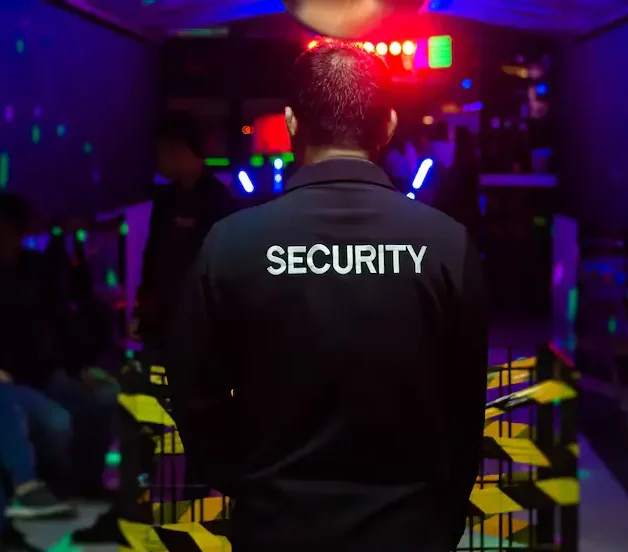

Starting a new course is always a mix of excitement and nerves, and a door supervisor course in London is no different. Whether you are switching careers, adding a new qualification to your CV, or stepping into the security industry for the first time, how you prepare before day one can shape your entire learning experience.
This guide walks you through the mental and practical steps you should take before your first class, so you can walk in feeling confident, organised, and ready to learn.
Why Preparation Matters
A door supervisor course is not just about sitting through lectures. It is a hands-on, physically and mentally demanding training programme that prepares you for real situations you will face on the job — conflict management, emergency procedures, and daily interactions with the public. If you show up unprepared, even simple parts of the course can feel overwhelming.
Good preparation means:
- Less stress on your first day
- Better focus during lessons
- Higher chances of passing your assessments
- A smoother transition into actual door supervisor work afterward
If you are searching for a reliable, well-structured door supervisor course in London, it helps to choose a provider that supports you from registration all the way to your SIA licence application. You can check course dates, requirements, and enrolment details at Be Train’s Door Supervisor Course page.
Getting Mentally Ready
1. Understand What the Role Actually Involves
Before you even start the course, take time to research what door supervisors really do. It is not just standing at a door checking IDs. The job involves conflict resolution, crowd management, emergency response, and working long, often late-night, shifts. Knowing this in advance helps you set realistic expectations and avoid surprises later.
2. Adjust Your Mindset for Discipline
Door supervisor training includes structured modules on law, health and safety, and physical intervention techniques. You will need to stay focused, follow instructions carefully, and take the material seriously, since this is what keeps both you and the public safe on the job.
3. Manage Pre-Course Anxiety
It is completely normal to feel nervous before starting something new. To calm those nerves:
- Talk to someone who has already completed the course
- Read reviews or testimonials from past students
- Remind yourself that trainers are there to help you succeed, not to catch you out
4. Set Personal Goals
Ask yourself why you are doing this course. Is it to start a new career, earn extra income, or move into full-time security work? Having a clear goal keeps you motivated on days when the material feels tough.
Getting Practically Ready
5. Sort Out Your Paperwork Early
Most SIA-linked courses, including a door supervisor course in London, require documents such as:
- Proof of identity (passport or driving licence)
- Proof of address
- Right to work in the UK documentation
- Passport-sized photographs
Getting these ready in advance avoids last-minute stress and delays.
6. Check the Course Requirements
Different training providers may have slightly different entry requirements or expectations, so always confirm:
- Course duration and daily timings
- What to bring on day one
- Dress code, if any
- Physical intervention training requirements
You can find these details clearly listed when you visit the official course page, which also explains the full syllabus and next steps after certification.
7. Get a Good Night’s Sleep Beforehand
This might sound simple, but it makes a real difference. Door supervisor training days are long, and some sessions include physical activity. Being well-rested helps you stay alert and absorb information better.
8. Prepare Comfortable Clothing
Some parts of the course, especially physical intervention training, require movement and practical exercises. Wear comfortable clothes and proper footwear so you are not distracted or restricted during practical sessions.
9. Bring the Right Materials
Even though most training providers supply learning materials, it helps to bring:
- A notebook and pen
- A water bottle
- Any documents requested by the training centre
- A copy of your registration confirmation, if applicable
10. Plan Your Commute
If you are attending an in-person door supervisor course in London, plan your route in advance. London traffic and public transport delays are common, so aim to arrive at least 15-20 minutes early on your first day.
What Happens After the Course
Once you complete your training and pass the required assessments, you will need to apply for your SIA licence before you can legally work as a door supervisor. Many training providers guide you through this application process, so choosing a provider that offers full support, from training to licensing guidance, can save you a lot of time and confusion.
Final Thoughts
Being mentally and practically prepared before day one sets the tone for your entire training journey. Understand the role, sort your documents early, get proper rest, and walk in with a clear goal in mind. If you are still looking for a trusted training provider, you can explore course details, dates, and requirements through Be Train’s Door Supervisor Course to get started on the right foot.
Frequently Asked Questions
1. What is a door supervisor course in London? It is a certified training programme that teaches individuals the skills needed to work legally as a door supervisor, covering topics like conflict management, law, physical intervention, and emergency procedures.
2. How long does a door supervisor course take? Most courses run for about 4 to 6 days, though the exact duration can vary depending on the training provider and course format.
3. Do I need any qualifications before starting? No formal qualifications are usually required, but you must be at least 18 years old and eligible to work in the UK.
4. What documents do I need on day one? You typically need proof of identity, proof of address, right to work documents, and passport-sized photos.
5. Is the training physically demanding? Yes, part of the course includes physical intervention training, so wearing comfortable clothing and being reasonably fit is helpful.
6. Do I get a certificate after completing the course? Yes, upon passing your assessments, you receive a certificate that allows you to apply for your SIA licence.
7. How much does a door supervisor course cost in London? Prices vary between training providers, so it is best to check directly with the course provider for current pricing and any available packages.
8. Can I get a job immediately after finishing the course? Once you have your SIA licence, you can start applying for door supervisor roles, though actual hiring timelines depend on the job market and employer.
9. What is the pass rate for these courses? Pass rates depend on attendance, effort, and how well you follow the training material, but most students who attend fully and engage with the course do pass.
10. How do I apply for the SIA licence after the course? After completing your training, you submit an SIA licence application online, along with your certificate and required documents, and pay the applicable licence fee.