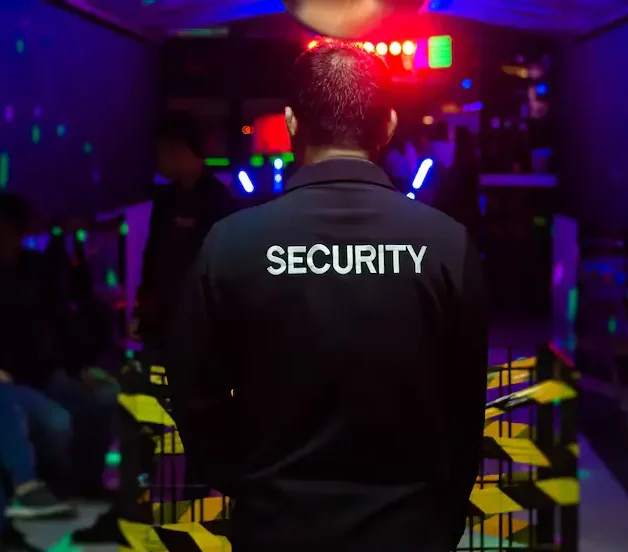
If you’ve ever walked past a nightclub, bar, or event venue in the UK and noticed the people checking IDs, managing queues, and keeping order, you’ve seen door supervisors at work. It’s one of the most visible roles in the private security industry, and it’s also one of the most accessible ways to start a career in security. But before anyone can legally work as a door supervisor in England, Wales, or Scotland, they need to complete a Door Supervisor course and hold a licence issued by the Security Industry Authority (SIA).
This guide walks through exactly what the course covers, who it’s designed for, how long it takes, what it costs, and what comes after you pass. Whether you’re switching careers, looking for flexible part-time work, or building toward a long-term future in security, this article will help you understand whether a Door Supervisor Course London is the right next step for you.
What Is a Door Supervisor Course?
A Door Supervisor course is a mandatory training programme regulated by the SIA. It’s not optional coaching or a “nice to have” certificate — it’s a legal requirement. Anyone who wants to work as a door supervisor, whether at a bar, club, festival, concert, or corporate event, must first pass this course and then apply for an SIA licence before they can legally take up paid work in that role.
The course is built around a nationally recognised qualification, typically the Level 2 Award for Door Supervisors in the Private Security Industry. It combines classroom-based learning, practical demonstrations, and multiple-choice assessments. The training is designed by industry bodies and awarding organisations, so no matter which training provider you choose, the core content is standardised and SIA-approved.
The course generally covers:
- The role of a door supervisor — responsibilities, expected standards of conduct, and how the role fits within the wider private security industry.
- Licensing law and legislation — including the Licensing Act, health and safety obligations, and equality law as it applies to security work.
- Communication skills — how to de-escalate tense situations using verbal skills before physical intervention is ever needed.
- Conflict management — recognising triggers for aggression, understanding crowd behaviour, and applying non-physical strategies first.
- Physical intervention — safe, proportionate techniques used only as a last resort, taught with an emphasis on protecting yourself, colleagues, and the public.
- Drugs awareness and search procedures — recognising signs of drug and alcohol misuse and understanding legal search protocols.
- Emergency procedures — fire safety, evacuation, and how to respond to medical emergencies until professional help arrives.
Training is usually delivered over several consecutive days, combining tutor-led sessions with scenario-based practice, followed by assessments that must be passed to receive the qualification certificate.
Who Is the Door Supervisor Course For?
This course attracts a genuinely wide range of people, which is one of the reasons it remains such a popular entry point into the security sector. You don’t need a background in security, the military, or law enforcement to succeed. Here’s who typically enrols:
Career changers. Many people come to door supervision after working in completely unrelated fields — retail, hospitality, warehousing, or customer service. The course doesn’t assume prior security knowledge, so it’s genuinely built for beginners.
Students and part-time workers. Because door supervision work often happens evenings and weekends, it suits people who need flexible hours around studies or other commitments.
People who enjoy people-facing, physically active work. If sitting at a desk all day isn’t for you, and you’d rather be on your feet, interacting with the public, and staying alert, this line of work can be a strong fit.
Those looking for a low barrier to entry with real earning potential. Compared to many other professional qualifications, the time and cost investment for a Door Supervisor course is relatively modest, while security roles — especially in a city like London — can pay well, particularly for supervisors working nights, events, or corporate contracts.
People building toward a long-term security career. A Door Supervisor licence is often just the first step. Many licence holders go on to add CCTV Operator, Security Guarding, or Close Protection qualifications, eventually moving into supervisory, management, or specialist roles such as event security coordination or VIP protection.
There are, however, some baseline requirements. Applicants generally need to:
- Be at least 18 years old (a legal requirement set by the SIA).
- Have the right to work in the UK.
- Be prepared to undergo a criminality check as part of the SIA licence application, since certain unspent convictions can affect eligibility.
- Meet reasonable physical fitness expectations, given the practical intervention components of the course.
Why Take a Door Supervisor Course in London Specifically?
London’s nightlife, events, and corporate security sectors are some of the busiest in the country. From West End venues to major stadiums, festivals, and high-security corporate buildings, the demand for licensed door supervisors in the capital is consistently strong. That demand tends to translate into more job openings, more flexible shift patterns, and often higher pay rates than in smaller towns.
Choosing a Door Supervisor Course London provider also means easier access to in-person training venues, a wider range of course dates to fit your schedule, and — in many cases — direct links to local employers who are actively recruiting newly licensed door supervisors. Training providers based in London often understand the specific demands of the city’s venues, from managing large queues outside popular bars to handling security for high-profile events.
If you’re considering where to train, Be Trained’s Door Supervisor course is designed with exactly this in mind — practical, London-based training that prepares you for the realities of the job from day one.
How Long Does the Course Take?
Most Door Supervisor courses run over several consecutive days, commonly falling somewhere between four and six days depending on the training provider and whether additional modules (such as First Aid or Physical Intervention refreshers) are bundled in. Training is usually full-day, running from morning until early evening, with a mix of classroom teaching, group exercises, and hands-on practical sessions.
Assessments typically take place toward the end of the course and include:
- Multiple-choice exams covering the core knowledge modules.
- A practical assessment evaluating physical intervention technique and communication skills under simulated scenarios.
Results are usually issued within a couple of weeks, after which candidates can move on to the licence application stage.
What Happens After You Pass the Course?
Passing the course qualifies you to apply for your SIA Door Supervisor licence. This is a separate step handled directly through the Security Industry Authority, and it involves:
- Submitting proof that you’ve completed the SIA-approved training and hold the relevant qualification certificate.
- Passing identity checks and a criminal record check.
- Paying the licence application fee.
- Waiting for the licence to be processed and issued — this can take anywhere from a few weeks to a couple of months, depending on SIA processing times.
Once issued, the Door Supervisor licence is valid for three years and allows you to legally work in licensed premises where alcohol is served, as well as many other public-facing security settings. It’s considered one of the more versatile SIA licences, since it also often qualifies holders for general security guarding work.
What Does a Door Supervisor Actually Do Day to Day?
Understanding the day-to-day reality of the job helps clarify whether the course — and the career — is the right fit. Door supervisors are typically responsible for:
- Checking identification and managing entry to venues.
- Monitoring capacity limits and managing queues.
- Watching for signs of intoxication, drug use, or disorderly behaviour.
- De-escalating conflicts and, where necessary, safely removing individuals from a venue.
- Conducting bag and person searches in line with venue policy and the law.
- Responding to emergencies, including fire evacuations and medical incidents, until professional services arrive.
- Liaising with police and emergency services when required.
- Maintaining incident logs and reporting to venue management.
The role demands a calm temperament, strong observation skills, physical fitness, and the ability to communicate clearly and confidently — often in loud, high-pressure environments.
Choosing the Right Training Provider
Not all courses are created equal, even though the underlying qualification is standardised. When comparing providers for a Door Supervisor Course London, consider:
- Accreditation. Confirm the provider and course are approved by the SIA and an authorised awarding body.
- Pass rates and reviews. Look at how past learners rate the quality of teaching and support.
- Location and scheduling. Check that course dates and venue locations realistically fit your availability.
- What’s included. Some providers bundle in the First Aid certificate (often a prerequisite) or offer job-search support after you qualify.
- Cost transparency. Make sure you understand exactly what’s covered in the course fee, and whether the SIA licence application fee is separate.
Doing this homework upfront saves time and avoids surprises later in the process.
Final Thoughts
A Door Supervisor course is a practical, relatively short investment that opens the door — quite literally — to a flexible, active, and often well-paid career in the UK’s private security industry. It suits people from all walks of life, requires no prior experience, and can be completed in under a week. For anyone based in or around the capital, training with a Door Supervisor Course London provider offers the added advantage of strong local job demand and venues that understand the city’s unique security challenges.
If you’re ready to take the first step, you can find course dates, pricing, and enrolment details on Be Trained’s Door Supervisor course page.
Frequently Asked Questions
1. What is a Door Supervisor course?
It’s an SIA-approved training programme that teaches the knowledge and practical skills needed to work legally as a door supervisor in the UK, covering conflict management, physical intervention, and relevant law.
2. Do I need experience to enrol on a Door Supervisor course?
No. The course is designed for beginners and assumes no prior background in security, the military, or law enforcement.
3. How long does a Door Supervisor course take to complete?
Most courses run over four to six consecutive days, combining classroom teaching with practical, scenario-based training and final assessments.
4. What is the minimum age to become a door supervisor in the UK?
You must be at least 18 years old, as this is a legal requirement set by the Security Industry Authority.
5. Can I get an SIA licence with a criminal record?
It depends on the offence and how long ago it occurred. The SIA reviews each application individually, and certain unspent or serious convictions can affect eligibility.
6. How much does a Door Supervisor course cost?
Prices vary by provider and location, but generally range from around £250 to £450, not including the separate SIA licence application fee.
7. How long is an SIA Door Supervisor licence valid for?
Once issued, the licence is valid for three years, after which it must be renewed.
8. What jobs can I do with a Door Supervisor licence?
Beyond working on club and bar doors, licence holders can work in event security, corporate security, retail security, and many public-facing venue roles.
9. Is the course physically demanding?
There is a practical intervention component, so a reasonable level of physical fitness is expected, though the course doesn’t require athletic-level fitness.
10. Why choose a Door Supervisor course in London over other locations?
London offers a high volume of security job openings, competitive pay rates, flexible shift options, and training providers experienced in preparing candidates for the city’s busy nightlife and events sector.