Booking a first aid course should be easy. But a few questions always pop up first. Is it the right course for me? How long is it? Do I need to pass a test? Will my employer accept the certificate?
This guide answers 20 of the most common questions about the Emergency First Aid at Work (EFAW) course in London. We have grouped them by theme so you can jump to what matters most. If you would like to see a real course page as you read, here is the Emergency First Aid at Work course in London.
Part 1: The Basics
1. What is the Emergency First Aid at Work course?
It is a one day, regulated Level 3 first aid qualification made for workplaces. It teaches you how to deal with serious emergencies until professional help arrives. You learn adult CPR, how to use a defibrillator, how to help a choking person, how to control bleeding and how to look after an unwell or unresponsive casualty.
2. How long does the course take?
It takes one day. HSE guidance says the course should include at least six hours of training time, not counting breaks. Most providers run it from morning to late afternoon.
3. Who is the course for?
Almost anyone can take it. Typical learners include office staff, shop and café workers, teachers, gym instructors, volunteers, small business owners and self employed people. You do not need any medical background.
4. What is the difference between EFAW and First Aid at Work?
EFAW is a one day course for low-risk workplaces and focuses on emergencies. First Aid at Work (FAW) is a three day course that covers a wider range of injuries and illnesses. It suits higher-risk or larger workplaces. Both are regulated Level 3 qualifications.
5. Is the course only for people whose employer requires it?
No. Many people take it for personal reasons, to feel confident and ready to help family, friends and members of the public. It can also help you stand out when applying for jobs.
Part 2: The Law and Your Workplace
6. Is first aid training a legal requirement for employers?
The Health and Safety (First Aid) Regulations 1981 say employers must provide adequate and appropriate first aid for their employees. That includes enough trained people, based on a first aid needs assessment. The law does not name one exact certificate, but EFAW is a common choice for low-risk workplaces.
7. How many first aiders does my workplace need?
It depends on your risks. As a starting point for low-risk workplaces, HSE suggests at least one appointed person for fewer than 25 employees, at least one trained first aider for 25 to 50 employees, and at least one first aider for every 50 employees above that. Higher-risk workplaces need more.
8. What is the difference between an appointed person and a first aider?
An appointed person takes charge in an emergency, calls an ambulance and looks after the first aid kit, but has not had first aid training. A first aider has completed an approved course and can give hands-on first aid.
9. When is EFAW not enough?
If your workplace has higher risks, such as dangerous machinery, chemicals or heavy tools, your employer will probably need first aiders with the three day First Aid at Work qualification. Larger sites and early years settings may also have extra needs. A first aid needs assessment gives the answer.
Part 3: Learning and Assessment
10. What will I learn?
You will learn how to assess an incident safely, give adult CPR, use an AED, place someone in the recovery position, help a choking adult, control bleeding, spot shock and treat minor injuries such as small burns and cuts.
11. Do I need experience to take the course?
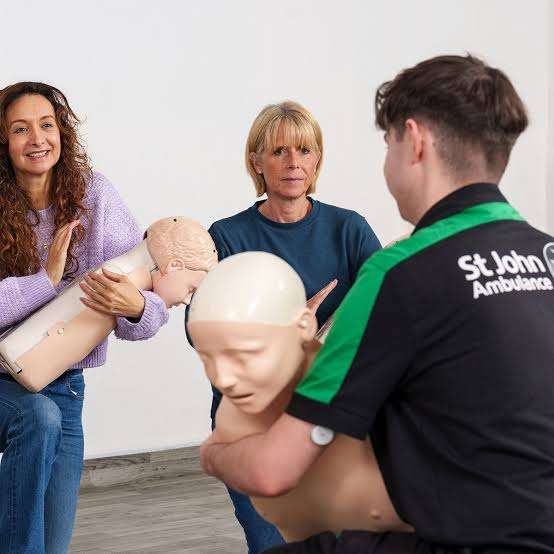
No. The course is made for beginners. Your trainer explains each skill step by step and lets you practise with training equipment.
12. Is there an exam?
There is a simple assessment, but not a hard written exam. Trainers usually watch your practical skills during the day and may ask a few short questions. If you need extra support, tell your provider before the course.
13. Does the course cover children and babies?
The course mainly focuses on adults. If you work with young children, for example in a nursery, you will usually need a separate paediatric first aid qualification. Check the course outline or ask your provider.
Part 4: The Certificate
14. How long is the certificate valid?
It is valid for three years. After that, you need to retake the course to stay qualified. HSE also recommends a short yearly refresher, although it is not a legal rule.
15. Is the qualification regulated?
When the course is the Level 3 Award in Emergency First Aid at Work (RQF) from an awarding organisation recognised by Ofqual, it is a regulated qualification in England. Not every course with a similar name is regulated, so ask your provider for the awarding organisation and the qualification title.
16. Will my employer or insurer accept the certificate?
A regulated Level 3 qualification from a recognised awarding organisation is widely accepted. But rules differ, so it is wise to confirm with your employer or insurer before you book, especially if you have special requirements.
Part 5: Booking and Practicalities
17. How much does the course cost?
Prices vary between providers. The main things that change the price are whether you choose a public course or private on-site training, the venue, the group size and what is included. Always ask for a clear final price that includes the certificate and materials.
18. What should I wear and bring?
Wear comfortable clothes you can kneel in, because CPR practice is usually done on the floor. Bring photo ID if your provider asks for it, and ask whether lunch and drinks are included. Tell your trainer about any access needs in advance.
19. Can the trainer come to my workplace?
Yes. Many providers offer on site training, where the trainer visits your workplace. This suits teams, because everyone learns together, there is no travel and the training can use your real environment.
20. How do I choose a good provider?
Look for a regulated qualification, experienced trainers, plenty of hands-on practice, small groups, a clear timetable and honest pricing. HSE stopped approving first aid training providers in 2013, so employers and learners need to check for themselves. You can review the Emergency First Aid at Work training page to see how a course is described and compare it with this list.
Quick Checklist Before You Book
Use this short list to make sure you have covered everything.
- I know whether EFAW or First Aid at Work suits my workplace.
- I have checked that the course is a regulated Level 3 qualification.
- I know the date, time and venue, or I have arranged on-site training.
- I have asked about class size and equipment.
- I know the full price and what is included.
- I have told the provider about any access needs.
- I have put my certificate expiry date plan in my diary.
Why London Is a Good Place to Train
London has thousands of workplaces of every size, and it is a busy, crowded city. When something goes wrong, the people nearby are often the first help available. There are many training venues across the city, so you can usually find a course close to home or work. Many providers also come to you. With so much choice, it pays to compare dates, trainers and prices before you decide.
Final Thoughts
Choosing an Emergency First Aid at Work course in London does not need to be complicated. It is a one day, regulated course that teaches the key skills for serious emergencies. Check that it matches your workplace needs, confirm the qualification and the trainer, and ask about class size and price.
When you are ready, take a look at the Emergency First Aid at Work course in London and choose a date that suits you.
Frequently Asked Questions
1. What is the Emergency First Aid at Work course in London?
It is a one-day, regulated first aid course for workplaces. It teaches CPR, defibrillator use, choking, bleeding control and care for an unresponsive casualty. You receive a certificate valid for three years.
2. Who should take an Emergency First Aid at Work course?
Employers, appointed persons, teachers, shop and office workers, gym staff, volunteers and self employed people all benefit. The right level for your workplace depends on a first aid needs assessment.
3. Can I take the course online only?
Some providers offer blended learning, with part of the course online and a practical session in person. First aid skills need hands on practice, so check that the practical part is led by a qualified trainer and accepted by your employer.
4. What happens if I fail the assessment?
Trainers usually give feedback and let you practise again during the day. If you still need more help, ask your provider about their policy on repeat attempts.
5. Do I need to renew the certificate?
Yes. It is valid for three years, so you must retake the course to remain qualified. HSE recommends a yearly refresher to keep your skills fresh, although it is not compulsory.
6. Can self employed people take the course?
Yes. There is no legal duty for self employed people to hold a first aid certificate for themselves, but many clients and venues ask for one, and the skills are useful.
7. Is the course suitable for people with health conditions or disabilities?
Often, yes. Tell your provider about your needs when you book so they can make reasonable adjustments, such as a different way to practise CPR.
8. How many people are usually in a class?
Most classes have around 6 to 12 learners with one trainer, and many awarding organisations set a maximum of about 12. Private sessions can be smaller. Ask your provider for exact numbers.
9. Can a whole team book training together?
Yes. Many providers offer private or on site courses for one organisation. This is convenient and can be good value for several learners.
10. Where can I book an Emergency First Aid at Work course in London?
You can book through a training provider that offers the regulated qualification, either as a public course or as on-site training for your team. Check the trainer’s experience, the equipment and what the price includes before you book