If you need a recognised workplace first aid qualification in London, the Emergency First Aid at Work (EFAW) course is the standard one-day option, and at Betrained it costs £89 and runs in Battersea. This guide explains everything you need to know before you book: what EFAW is, who legally needs it, what you learn, how the day runs, how long the certificate lasts, and how to choose a trustworthy provider. You can read the full course details and book on our Emergency First Aid at Work course in London page.
What is Emergency First Aid at Work (EFAW)?
Emergency First Aid at Work, usually shortened to EFAW, is a one-day, Level 3 workplace first aid qualification. It teaches you how to deal with the most common and most serious emergencies you could face at work, from the moment something happens until professional help arrives. It is designed for people with no previous first aid experience, so you do not need any prior knowledge to attend.
The course is built around a simple idea: in a real emergency, the first few minutes matter most. Someone who is trained and calm can stop bleeding, keep an airway open, start CPR or use a defibrillator before an ambulance reaches the scene. That short window is where a trained first aider makes the biggest difference, and it is exactly what EFAW prepares you for.
EFAW is a regulated qualification. A Level 3 Award in Emergency First Aid at Work sits on the Regulated Qualifications Framework (RQF), which means the course content, assessment and certification follow a national standard rather than the whim of an individual trainer. Employers, insurers and inspectors all recognise it.
EFAW compared with First Aid at Work (FAW)
People often confuse EFAW with the longer First Aid at Work (FAW) course. Both are valid workplace qualifications, but they cover different levels of responsibility.
| Emergency First Aid at Work (EFAW) | First Aid at Work (FAW) | |
|---|---|---|
| Length | 1 day (about 6 hours) | 3 days (about 18 hours) |
| Main focus | Emergency response to life-threatening situations | Emergency response plus a wider range of injuries and illnesses |
| Typical use | Low-risk workplaces and smaller teams | Higher-risk workplaces and larger organisations |
| Certificate validity | 3 years | 3 years |
| Best for | Offices, shops, schools, salons, venues, security teams | Construction, manufacturing, large sites, higher-hazard work |
For most London offices, shops, restaurants, gyms, salons, nightlife venues and security teams, EFAW is the right level. If your workplace has particular hazards, or your risk assessment says you need a wider range of skills, the three-day course may be a better fit. Your own first aid needs assessment decides this, and we explain how to do one later in this guide.
Who is EFAW for?
EFAW suits almost anyone who wants to be able to help in an emergency. It is particularly common for:
- Office managers and administrators who are named as the first aider for their team
- Business owners who want to meet their legal duties as an employer
- Teachers, nursery staff and teaching assistants
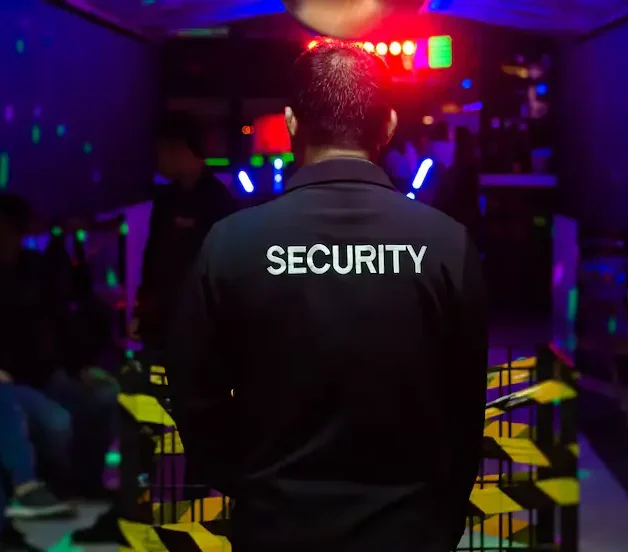
- Door supervisors, security guards and event staff, who deal with the public in busy and sometimes risky environments
- Hospitality workers in bars, restaurants, hotels and clubs
- Personal trainers, gym staff and sports coaches
- Hair, beauty and wellbeing professionals
- Charity workers, volunteers and community group leaders
- Anyone who simply wants the confidence to act if a friend, relative or stranger collapses
You do not need to be an employee to benefit. Many people book EFAW for themselves because they want a recognised certificate on their CV, or because they want to feel prepared at home and in the community.
Why first aid training matters in London
London is one of the busiest working cities in the world. Millions of people commute, work in dense offices, eat out, and spend evenings in crowded venues. A city that busy has more people in it who may need help, and more workplaces that must be ready to provide it.
The ambulance service does an excellent job, but even the quickest response takes time to arrive in heavy traffic, in a tall building, or at a venue with limited access. During that gap, the people nearby are the first responders. Having one or more trained first aiders at a workplace means help starts in seconds, not minutes.
It also matters for your business. A workplace where staff know what to do after an accident is calmer, safer and more professional. Customers and clients notice that. Insurers and local authorities notice it too.
Why Betrained?
Betrained is a London training provider based in Battersea, offering SIA security courses and first aid training under one roof. Our Emergency First Aid at Work course is a one-day, Level 3 qualification priced at £89, and learners rate it 4.9 out of 5 across 127 reviews. The rest of this guide goes through the details so you can decide with confidence.
Is first aid training a legal requirement in the UK?
Yes. Under the Health and Safety (First-Aid) Regulations 1981, every employer in Great Britain must provide adequate and appropriate equipment, facilities and people so that employees can be given first aid if they are injured or become ill at work. The law does not tell you to hold a particular qualification. It tells you to make sure first aid provision is adequate for your workplace, and a trained first aider is the usual way to do that.
The Health and Safety Executive (HSE) publishes guidance on how to meet the regulations. Following that guidance is the safest way to show you have done what the law expects. The key point is that the duty rests on the employer, not on individual employees. If you run a business, manage a team, or are responsible for a site, first aid provision is your responsibility.
The minimum you must provide
At a minimum, HSE guidance says every workplace needs:
- A suitably stocked first aid kit
- An appointed person to take charge of first aid arrangements, including looking after the kit and calling the emergency services
- Information for employees about first aid arrangements, such as where the kit is and who the first aiders are
An appointed person is not necessarily a trained first aider. However, if your risk assessment shows that trained first aiders are needed, you must provide them. In practice, many employers choose to train at least one person to EFAW level even in the lowest-risk workplace, because an appointed person without training cannot actually give first aid.
How many first aiders do you need?
There is no single number that fits every business. HSE guidance gives a starting point based on the size of your workforce and the level of risk in your work. The table below summarises the general picture for lower-hazard workplaces such as offices, shops and similar settings.
| Workplace size (lower-hazard setting) | Suggested minimum provision |
|---|---|
| Fewer than 25 employees | At least one appointed person; a trained first aider is recommended |
| 25 to 50 employees | At least one first aider trained in EFAW or FAW |
| More than 50 employees | At least one first aider for every 100 employees, or part of that number |
Higher-hazard workplaces, such as those using dangerous machinery or hazardous substances, need more provision and usually a wider qualification such as FAW. You should also increase numbers to allow for holidays, sickness, lone workers, shift patterns and multiple sites. If your only first aider is away, you still need cover.
These figures are guidance rather than law, and your own assessment may point to a higher number. When in doubt, train more people than the minimum.
Carrying out a first aid needs assessment
HSE expects every employer to carry out a first aid needs assessment. This is a simple review of your workplace to decide what provision is right. It is not a long or technical document. A good assessment considers:
- The hazards in your workplace. Are there sharp tools, hot surfaces, chemicals, heavy lifting or work at height? The more hazardous the work, the more first aid cover you need.
- The number of people. More employees, and more visitors, mean a greater chance of an incident.
- Who is at risk. Do you have young workers, people with disabilities, lone workers, or members of the public on site?
- Your location. How far are you from an ambulance, and how easy is it to reach you? Remote or hard-to-access sites need stronger on-site cover.
- Working patterns. Shifts, evenings, weekends and part-time staff all affect who is present and when.
- Absences. Plan for holidays, sickness and training time so there is always someone available.
Write your assessment down, review it when things change, and share the results with your team. If you are unsure, an experienced training provider can talk you through it.
Do employers have to use an approved training provider?
In the past, HSE approved first aid training providers directly. That scheme ended in October 2013. Today it is the employer’s responsibility to check that a provider is competent. HSE guidance suggests looking at the provider’s qualifications and experience, whether trainers hold recognised teaching and first aid qualifications, whether the provider has quality assurance arrangements in place, and whether the course content follows the recommended syllabus. We cover practical checks you can use in the section on choosing a provider.
Who in the workplace should take EFAW?
It is sensible to train people who are reliably present on site, confident under pressure, and willing to take on the role. Think about:
- Managers and team leaders, who are already responsible for staff welfare
- Reception and front-of-house staff, who are usually the first to see problems
- Staff on every shift, so cover is not limited to office hours
- Staff at every location, if you run more than one site
- People in customer-facing roles, such as security and hospitality teams
Being a first aider is voluntary. Nobody should be forced into the role, and employers should make sure those who agree are properly trained and supported.
Why security and hospitality teams need first aid skills
Door supervisors, security guards and event staff work in environments where incidents are more likely: crowded venues, late nights, alcohol, physical confrontations and medical emergencies. They are often the first people on the scene when someone is hurt, unwell or unconscious.
For that reason, first aid training is a natural fit with security work. Many SIA licence holders choose to add an Emergency First Aid at Work certificate. Note that an SIA Door Supervisor or Security Guard qualification includes its own emergency procedures content, but EFAW is a separate, full first aid qualification that goes much deeper into treating casualties. If you work in security and want to add it, take a look at our Door Supervisor Course in London and Security Guard Course in London alongside EFAW.
Do you need EFAW if you are self-employed?
The 1981 regulations place a duty on employers for their employees. Self-employed people are covered by separate rules requiring them to provide first aid for themselves, which in practice means having suitable equipment and the knowledge to use it. Many sole traders choose to take EFAW anyway, particularly if they work with the public, clients or other contractors. It is also a strong signal of professionalism that clients and insurers appreciate.
What about insurance and liability?
Trained first aiders working within the scope of their training and acting in good faith are generally covered by their employer’s insurance. You should check your own policy and speak to your insurer about requirements, because some insurers specifically ask about first aid provision. This is another reason to keep records of training and refresh certificates on time.
What you learn on an EFAW course
The EFAW syllabus follows HSE guidance. You learn both the knowledge and the hands-on skills, and you practise on manikins and with your trainer and fellow learners. Below is what a typical course covers.
1. The role and responsibilities of a first aider
You start with the basics: what a first aider is, what the role involves, and where its limits lie. You learn how to assess a situation safely, why your own safety comes first, and how to avoid putting yourself or others at further risk. You also cover:
- Preventing cross-infection and using gloves and other protective equipment
- Recording incidents and what to write down
- Keeping first aid kits stocked and what a suitable kit contains
- Knowing when and how to call the emergency services
- Handing over to paramedics with clear, useful information
2. Assessing an incident and the primary survey
A structured approach stops you panicking. Many courses teach a simple sequence often remembered as DRABC, or a similar variation, which covers checking for Danger, Response, Airway, Breathing and Circulation. You learn to:
- Make the scene safe for yourself, the casualty and bystanders
- Check whether the casualty responds to your voice and to gentle touch
- Shout for help and send someone to call 999 and fetch a defibrillator
- Open the airway and check for normal breathing
- Begin CPR if the casualty is not breathing normally
This calm, repeatable routine is the foundation for everything else on the course.
3. Cardiopulmonary resuscitation (CPR)
CPR is the most important skill on the course. When a person’s heart stops, every minute without CPR and defibrillation sharply reduces their chance of survival. On an EFAW course you learn:
- How to recognise cardiac arrest, including that gasping or irregular breathing is not normal breathing
- How to give chest compressions at the right depth and speed on an adult manikin
- How to give rescue breaths, and what to do if you are unable or unwilling to give them
- How to combine compressions and breaths in a cycle and keep going until help arrives
- How to adapt CPR for children and infants, as the syllabus requires
You practise on manikins until the movements feel natural. Most learners are surprised how physical CPR is and how important it is to keep the rhythm steady.
4. Using an automated external defibrillator (AED)
Public access defibrillators are now common in London stations, shopping centres, gyms and offices. An AED is designed to be used by anyone, including people with no training. It talks you through every step, and it will not deliver a shock unless the casualty needs one. On the course you learn how to:
- Switch on the AED and follow its spoken prompts
- Place the pads correctly on the casualty
- Keep everyone clear when the machine analyses and delivers a shock
- Continue CPR as the device instructs
Being familiar with an AED removes the fear many people have of touching one. Early CPR combined with early defibrillation gives a casualty the best chance of survival.
5. The unconscious casualty who is breathing
If someone is unresponsive but breathing normally, you need to protect their airway and keep them safe until help arrives. You learn the recovery position, why it matters, how to move a casualty into it, and how to monitor them. You also learn how to handle special situations, such as a suspected spinal injury, where you need to be careful about moving the person.
6. Choking
Choking can happen in any workplace, especially where food is served. You learn how to recognise mild and severe choking in adults, children and infants, and how to treat each using back blows and abdominal thrusts as appropriate. You also learn what to do if the casualty becomes unresponsive.
7. Wounds and bleeding
Controlling bleeding is a core first aid skill. You learn how to:
- Apply direct pressure to a bleeding wound
- Use dressings and bandages correctly
- Recognise and manage severe, life-threatening bleeding
- Handle minor cuts, grazes and nosebleeds
- Avoid infection and protect yourself from blood-borne risks
You practise applying dressings and bandages so you can do it confidently under pressure.
8. Shock
In first aid, shock means a life-threatening condition in which the body’s circulation fails to deliver enough blood to vital organs. It can follow severe bleeding, burns, heart attack and other serious events. You learn the signs to watch for, such as pale, clammy skin, a fast pulse and fast, shallow breathing, and how to lay the casualty down and keep them warm while waiting for help.
9. Minor injuries and common workplace incidents
The syllabus also covers common minor injuries that you are likely to meet at work, including small cuts, grazes, bruises, minor burns and scalds, and splinters. You learn how to treat them sensibly and when something needs further medical attention.
10. Burns and scalds
Burns are common in kitchens, bars and workplaces with hot equipment or chemicals. You learn how to cool a burn properly with cool running water, how long to do it, how to cover it, and which burns need urgent medical help.
11. Seizures, fainting and medical emergencies
Not every emergency is an injury. Many incidents involve sudden illness. Depending on the course, you learn the basics of recognising and responding to common medical conditions, including:
- Heart attack. Recognising chest pain and associated symptoms, and getting help fast.
- Stroke. Spotting the signs using a simple test and calling 999 immediately.
- Seizures. Protecting the person from harm during a seizure and caring for them afterwards.
- Asthma attacks. Helping someone use their reliever inhaler and when to call for help.
- Diabetic emergencies. Recognising low blood sugar and what to do.
- Anaphylaxis. Recognising a severe allergic reaction and helping someone use their adrenaline auto-injector.
- Fainting. Helping someone who feels faint or has collapsed briefly.
Your trainer will also explain when to leave treatment to professionals and simply keep the casualty comfortable and safe.
12. Bone, muscle and joint injuries
You learn how to recognise a suspected fracture, dislocation, sprain or strain and how to support the injury while waiting for medical help. You practise using slings and other basic support techniques.
13. Head injuries
Head injuries need careful attention because the signs can develop later. You learn what to watch for, such as drowsiness, vomiting, confusion or worsening headache, and when to call an ambulance.
14. Eye injuries, poisoning and other incidents
You cover general principles for handling eye injuries, chemical splashes, poisoning and other less common emergencies. The aim is to give you a sensible first response and the confidence to call for expert advice.
How the course is assessed
EFAW is assessed continuously by your trainer throughout the day. There is no written exam that people dread and no pass-or-fail pressure from a long test. Instead, your trainer observes you doing the practical skills, such as CPR on a manikin, and checks your understanding through questions and discussion. Learners who take part and show they can carry out the skills safely receive their certificate.
What to expect from a good trainer
The trainer makes a huge difference to how much you take away. A good first aid trainer will:
- Have a recognised first aid and teaching qualification
- Explain things clearly in plain language, without jargon
- Use real examples from workplaces like yours
- Give everyone plenty of hands-on practice time
- Create a relaxed atmosphere where it is fine to ask questions and make mistakes
- Keep sessions practical rather than lecture-heavy
At Betrained, learners regularly mention the practical, friendly approach, and our 4.9 out of 5 rating from 127 reviews reflects that.
Skills you walk away with
By the end of the course you should be able to:
- Assess an emergency and keep yourself and others safe
- Call for help correctly and give the right information
- Perform CPR on an adult, child and infant manikin
- Use an AED
- Place someone in the recovery position
- Treat choking, bleeding, shock, burns and minor injuries
- Recognise common medical emergencies and respond appropriately
- Complete an incident record and look after a first aid kit
What a day on the course looks like
The EFAW course runs over one day, with around six hours of learning. Exact start and finish times are confirmed in your booking details, so check them when you book. The day is practical and moves at a comfortable pace.
- Welcome and introductions. Your trainer explains the plan for the day, the role of a first aider and how the assessment works.
- Scene safety and primary survey. You learn the structured approach to any emergency and practise it in short scenarios.
- CPR and AED practice. This is the longest hands-on block. You practise compressions and breaths on manikins and use a training defibrillator.
- Choking, recovery position and unconscious casualties. You practise each technique with your partner or on a manikin.
- Bleeding, wounds, burns and shock. You apply dressings, bandages and slings.
- Common medical emergencies. Heart attack, stroke, seizures, asthma, diabetes and allergic reactions are covered with discussion and demonstration.
- Practical scenarios and review. You put everything together in realistic situations, ask questions and receive your certificate.
You do not need to bring anything special. Wear comfortable clothes because you will spend time kneeling on the floor for CPR practice. Bring a drink, and ask in advance if you have any access or health needs so the team can plan around them.
Is the course hard?
No. EFAW is designed for beginners, and nobody expects you to have medical knowledge. Most learners find the day enjoyable and are pleasantly surprised at how much confidence they gain. If you are nervous about practising CPR in front of others, tell your trainer. A good trainer will make sure everyone feels comfortable.
How much does an EFAW course cost in London?
Prices vary between providers, and the cheapest option is not always the best. At Betrained, the Emergency First Aid at Work course costs £89 per person. That covers the full one-day course and your certificate.
When you compare prices, check what is included and ask the following:
- Is the certificate included in the price, or is there an extra fee?
- Is the course a regulated Level 3 qualification?
- How many learners are in each group? Smaller groups mean more hands-on time.
- Are there enough manikins and AED trainers for everyone to practise?
- Are there any hidden charges for materials or booking?
- What is the cancellation and rescheduling policy?
If you are training several employees, ask about group bookings or on-site training. Many London employers find it easier to train a whole team at once.
Your EFAW certificate
When you complete the course successfully, you receive a certificate confirming you hold the Level 3 Award in Emergency First Aid at Work. The certificate is valid for three years from the date it is issued. Keep it safe, and give a copy to your employer so they can record it in their first aid arrangements.
Do you need to renew EFAW?
Yes. After three years your certificate expires, and you need to retake the course to stay qualified. You cannot act as a workplace first aider on an expired certificate.
HSE strongly recommends that first aiders attend a short annual refresher session, even though it is not mandatory. Skills fade over time, particularly CPR, and a regular refresher keeps your confidence and technique sharp. Many employers build a yearly refresher into their training plan, and then book the full course again before the three-year mark.
A useful rule is to diarise your expiry date as soon as you receive your certificate, and book your renewal at least a month ahead.
How to choose a first aid training provider in London
Because employers must make sure their provider is competent, it is worth doing a few simple checks. Use this list when you compare options.
- Check the qualification. Ask which awarding organisation certifies the course and whether the qualification is regulated at Level 3.
- Check the trainers. They should hold current first aid and teaching qualifications and have real experience.
- Look at reviews. Independent reviews from real learners tell you more than any brochure. Look for comments about the trainer, the venue and the practical content.
- Ask about group size. Smaller groups give everyone more time on the manikins.
- Check the equipment. There should be enough manikins, defibrillator trainers and supplies for everyone to practise.
- Confirm the location. Make sure the venue is easy to reach, whether you travel by train, Tube, bus or bike.
- Understand the price. Make sure the quoted price includes the certificate and everything else you need.
- Ask about support afterwards. A good provider helps with renewals, reminders and questions long after the course.
Betrained is based in Battersea, South West London, with good transport links. Our learners rate the course 4.9 out of 5 across 127 reviews, and you can see the full details and book directly on the Emergency First Aid at Work course page.
Combining EFAW with other courses
Many learners pair first aid with other qualifications. Some common combinations include:
- EFAW plus SIA Door Supervisor. Valuable for people working in pubs, bars, clubs and events. Take a look at the Door Supervisor Course or, if your licence is due for renewal, the Door Supervisor Refresher.
- EFAW plus SIA Security Guard. Useful for guards on retail, corporate and construction sites. See the Security Guard Course and the Security Guard Refresher.
- EFAW for the whole team. A good choice for office and hospitality employers who want several staff trained together.
You can browse every option on our courses page.
How to book your EFAW course with Betrained
Booking takes a few minutes.
- Visit the Emergency First Aid at Work course page.
- Choose a date that suits you.
- Enter your details and pay online.
- Check your confirmation for the venue address, start time and anything to bring.
- Arrive on the day ready to learn. You will leave with your certificate and the skills to act in an emergency.
Frequently asked questions
How long does the EFAW course take?
It runs over one day, with around six hours of learning.
How long is an EFAW certificate valid?
Three years from the date it is issued. HSE recommends an annual refresher to keep your skills fresh.
Do I need any experience to take EFAW?
No. The course is designed for complete beginners.
Is there an exam?
There is no long written exam. Your trainer assesses you throughout the day through practical demonstrations and questions.
Is EFAW the same as a first aid at work course?
No. EFAW is a one-day course. First Aid at Work (FAW) is a longer three-day course that covers a wider range of conditions. Your first aid needs assessment tells you which is right for your workplace.
Is EFAW enough for my business?
For many low-risk workplaces, yes. If your assessment shows higher risks or a larger workforce, you may need more first aiders, or the three-day qualification.
Does EFAW cover CPR and defibrillators?
Yes. CPR and AED use are central parts of the course.
Does it cover children and babies?
The syllabus includes adapting CPR and responding to choking for children and infants. Ask your provider for the exact content if you work with young children, as some workplaces need a specific paediatric first aid qualification instead.
Can I take EFAW if I am self-employed?
Yes. Many sole traders and freelancers take it to protect themselves, their clients and their business.
Who pays for first aid training?
Employers are responsible for providing first aid cover, so they normally pay for training that is needed for the role. If you are booking for yourself, you can pay directly online.
What should I wear?
Comfortable clothing that lets you kneel and move easily.
Can I take the course if I have a health condition or disability?
In most cases, yes. Contact the team before you book so they can make sure the session works for you.
What happens if I miss the course date?
Contact the team as soon as possible to ask about rescheduling. Check the booking terms for details.
Final thoughts
First aid training is one of the most practical things you can learn. It takes a single day, costs £89 at Betrained, and gives you skills that could help save a life at work, at home or on the street. For employers, it is a legal duty and a mark of a responsible, well-run business. For individuals, it is a qualification that employers value and a confidence that stays with you.
If you are ready to book, visit our Emergency First Aid at Work course page and choose your date. If you are unsure which course is right for you, get in touch and the Betrained team in Battersea will be happy to help.
This guide is general information, not legal advice. Check the latest HSE guidance and your own first aid needs assessment when planning provision for your workplace.