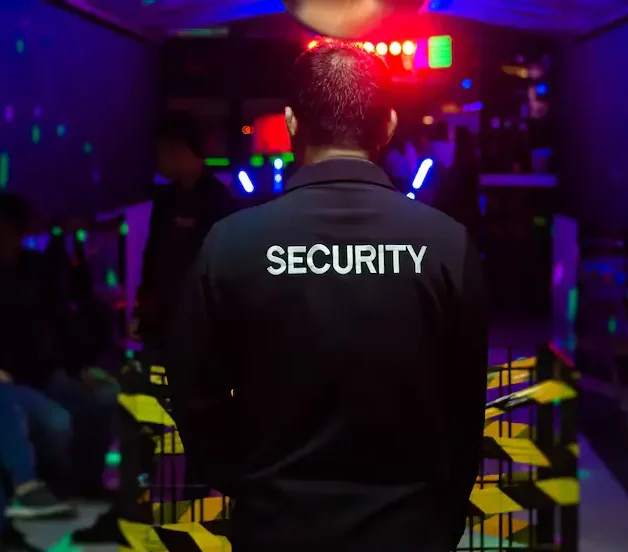
If you are looking for a practical way to enter the private security industry, Door Supervisor Training London can be a strong starting point. Door supervisors are needed across the capital in places such as nightclubs, pubs, bars, hotels, events and other licensed venues.
Working as a door supervisor is about much more than standing at an entrance. The role can involve checking identification, managing access, dealing with difficult situations, protecting customers and staff, responding to incidents and helping maintain a safe environment.
For anyone considering a career in security, proper training can provide the knowledge and confidence needed to work professionally. It also helps learners understand the responsibilities that come with working in busy London venues.
Why Door Supervisor Training Matters in London
London has a large and diverse hospitality, entertainment and events industry. Every weekend, thousands of people visit licensed venues, concerts, clubs, restaurants and other entertainment locations.
Because of this busy environment, trained security professionals are important. Door supervisors can help venues manage risks while providing a safe experience for customers.
Good training introduces learners to the main responsibilities of the job before they enter the workplace. Instead of learning everything through trial and error, new security professionals can develop an understanding of areas such as conflict management, communication, physical intervention, customer service and emergency procedures.
Training is also an important part of the process for people who want to work in licensable security activities. Completing the appropriate recognised training is connected with applying for the relevant SIA licence.
What Is a Door Supervisor?
A door supervisor is a trained security professional who works in environments where controlling access and maintaining safety are important.
The job title is commonly associated with nightlife venues, but door supervisors can work in many different settings.
Typical workplaces can include:
- Nightclubs
- Pubs and bars
- Hotels
- Restaurants
- Private events
- Concerts
- Festivals
- Sports venues
- Corporate events
- Entertainment venues
The exact duties can vary depending on the workplace. One shift might involve checking customers at an entrance, while another could involve monitoring a busy event and supporting the wider security team.
A professional door supervisor should be alert, calm, polite and able to communicate clearly.
What You Learn During Door Supervisor Training
A recognised Door Supervisor Training London programme normally covers several important areas of security work.
Learners are introduced to their legal responsibilities and the expectations placed on licensed security professionals. They also learn how to communicate effectively and how to deal with situations that could become difficult.
Training commonly includes subjects such as:
- The role and responsibilities of a door supervisor
- Relevant legal responsibilities
- Communication skills
- Conflict management
- Customer service
- Searching procedures
- Entry and exit control
- Emergency situations
- Incident reporting
- Physical intervention
- Personal safety
- Risk awareness
- Working as part of a security team
The purpose is not simply to help someone pass an assessment. The knowledge can also be useful when starting real security work.
Understanding Conflict Management
Conflict management is one of the most important areas for a new door supervisor.
London venues can become busy and unpredictable. Customers may become frustrated when they are refused entry, asked to leave or required to follow venue rules.
A professional security worker should avoid making situations worse.
Training can help learners understand how to communicate with people, recognise warning signs and use appropriate techniques to reduce tension.
Good communication can often prevent a disagreement from becoming a serious incident.
A calm approach is particularly valuable. A door supervisor should remain professional even when another person becomes aggressive or unreasonable.
Learning About Physical Intervention
Physical intervention is another important part of recognised door supervisor training.
Learners need to understand that physical intervention is not simply about strength. It involves knowing when intervention may be appropriate and understanding the importance of safety and proportionality.
Training can introduce learners to approved techniques and the principles surrounding their use.
The objective should always be to maintain safety and reduce the risk of injury.
A professional door supervisor should not use unnecessary force. They should understand their responsibilities and follow the procedures covered during their training.
Communication Skills Are Essential
Strong communication skills can make a major difference in security work.
Door supervisors communicate with customers, venue managers, colleagues, emergency services and other professionals.
They may need to explain why someone cannot enter a venue, ask a customer to leave, report an incident or provide information to another member of the security team.
Clear communication can prevent misunderstandings.
Listening is equally important. A door supervisor who listens carefully can often understand a situation before deciding how to respond.
Professional communication also helps create a better impression of both the security team and the venue.
The Importance of Customer Service
Some people assume security work is only about preventing problems. In reality, customer service can also be an important part of the role.
A door supervisor is often one of the first people customers see when entering a venue.
Being polite, approachable and professional can help create a positive first impression.
This does not mean ignoring security procedures. Instead, it means enforcing venue rules in a respectful and consistent way.
A good door supervisor can be firm without being unnecessarily confrontational.
Working in London’s Nightlife Industry
London has a large nightlife scene, creating opportunities for security professionals in different types of venues.
Door supervisors may work evening and night shifts, particularly at weekends.
The environment can be fast-paced. Large crowds, loud music, queues and alcohol consumption can create additional challenges.
New workers should understand that nightlife security can require patience and concentration.
The job may involve standing for long periods, remaining alert throughout a shift and responding quickly when something changes.
For people who enjoy active work and communicating with different people, this environment can be rewarding.
Door Supervisor Work at Events
Door supervisors are not limited to permanent nightlife venues.
London hosts concerts, festivals, exhibitions, private functions and sporting events throughout the year.
Event security can involve different responsibilities depending on the size and nature of the event.
A door supervisor might control access to a particular area, monitor entrances, assist with crowd management or work with other security professionals.
Events can also provide useful experience for people building a security career.
What Makes a Good Door Supervisor?
Completing training is important, but personal qualities also matter.
A successful door supervisor should ideally be:
Calm: Security situations can become stressful, so staying composed is important.
Observant: A security professional needs to notice unusual behaviour and potential risks.
Professional: The way you behave can affect the reputation of the venue and employer.
Confident: You may need to make decisions and communicate clearly with customers.
Physically capable: The role can involve long periods on your feet and, where appropriately required, physical intervention.
Reliable: Employers need people who arrive on time and take their responsibilities seriously.
A good communicator: Clear communication can help prevent and resolve problems.
These qualities can develop with experience, but starting with the right attitude can make the training and employment process easier.
Preparing Before Your Training Course
Before beginning Door Supervisor Training London, it can be useful to understand what the job involves.
Think about the type of environment in which you would like to work. Some people prefer nightlife venues, while others may prefer events, hotels or other security environments.
You should also be prepared to participate actively during training.
Pay attention to instructions, ask questions when something is unclear and take practical exercises seriously.
Training is your opportunity to build knowledge before entering the workplace.
What Happens After Training?
After completing the required training and meeting the relevant requirements, learners can move towards the SIA licensing process.
The Security Industry Authority regulates the private security industry in the UK. People working in licensable security roles generally need the appropriate SIA licence.
Once licensed, a new door supervisor can begin looking for suitable employment opportunities.
Possible employers include:
- Security companies
- Nightclubs
- Pubs
- Hotels
- Event security companies
- Hospitality businesses
- Entertainment venues
- Private event providers
Some employers may offer additional workplace training after recruitment.
Building Your First Security CV
A strong CV can help when applying for entry-level security positions.
Keep your CV clear and easy to read. Highlight relevant training, qualifications, communication skills, customer service experience and previous employment.
If you have worked in hospitality, retail, customer service or another public-facing role, this experience may be useful.
For example, experience dealing with customers can demonstrate communication skills and patience.
You should also mention relevant security training and your SIA licensing status accurately.
Avoid making your CV unnecessarily complicated. Employers should be able to understand your experience quickly.
Finding Door Supervisor Jobs in London
Once you are ready to work, there are several ways to search for opportunities.
Security companies frequently recruit for venues and events across London. You can also look at individual venue and event vacancies where appropriate.
When searching for jobs, pay attention to the requirements in the vacancy.
Some employers may ask for previous experience, while others may consider applicants who are new to the industry.
It is also worth considering shift patterns, travel requirements and the type of venue before accepting a position.
London is large, so a job that looks attractive may not be practical if travelling to the workplace takes several hours.
Why Experience Matters
Your first security job can help you develop practical skills that cannot be fully learned in a classroom.
Experience can improve your confidence, communication and understanding of workplace procedures.
You may learn how different venues operate and how security teams communicate during busy periods.
Over time, this experience can help you become more competitive when applying for other security positions.
Taking every shift seriously can also help you build a positive professional reputation.
Career Progression After Door Supervision
Door supervision can be an entry point into a wider security career.
With suitable experience and additional training, security professionals may explore other areas of the industry.
Depending on qualifications, licensing requirements and experience, possible career directions can include event security, security management, corporate security and other specialist roles.
Some experienced professionals eventually move into supervisory or management positions.
The important thing is to view your first door supervisor role as an opportunity to develop rather than simply a short-term job.
How to Stand Out to Employers
Competition for security jobs can vary depending on the role and location.
You can improve your chances by presenting yourself professionally from the beginning.
Arrive on time for interviews, communicate clearly and demonstrate that you understand the responsibilities of the role.
Keep your qualifications and licensing information accurate and up to date.
Employers may also value people who show flexibility with shifts and demonstrate reliability.
Your attitude can be just as important as your qualifications when applying for entry-level positions.
Choosing Door Supervisor Training in London
Not every training provider will offer the same experience, so it is worth researching before enrolling.
Look for training that is properly recognised and covers the requirements relevant to the SIA door supervisor licence.
Consider the course structure, training location, schedule and practical elements.
You should also make sure you understand what is included in the course price and what additional steps may be required after completing training.
Choosing suitable training can give you a stronger foundation for your security career.
Is Door Supervisor Training Worth It?
For someone interested in entering private security, door supervisor training can be a valuable investment in professional development.
It provides structured learning and introduces important responsibilities before you begin working in a real security environment.
London also offers a wide range of potential workplaces, from nightlife venues to major events.
However, security work is not suitable for everyone. The job can involve difficult customers, long shifts, stressful situations and significant responsibility.
Anyone considering this career should understand both the opportunities and challenges before making a decision.
Tips for New Door Supervisors
Starting your first security role can feel challenging, but preparation can make the transition easier.
Always follow workplace procedures and listen to experienced supervisors.
Treat customers respectfully, even when enforcing rules.
Keep accurate records when required and report incidents through the correct channels.
Never allow pressure from customers or colleagues to make you ignore safety procedures.
Continue developing your communication and conflict-management skills.
Most importantly, maintain a professional attitude throughout every shift.
Your reputation can become an important part of your career.
Start Your Security Career in London
Door Supervisor Training London can provide a foundation for people who want to enter the private security industry.
From understanding legal responsibilities and conflict management to developing communication and practical security skills, proper training prepares learners for the realities of the job.
After completing the required training and licensing process, you can begin exploring security opportunities across London.
Whether your goal is to work in a nightclub, pub, hotel, event or another licensed environment, door supervision can provide valuable experience and a starting point for wider career development.
If you are serious about entering the security industry, choosing appropriate training should be one of your first steps. Build your knowledge, develop professional skills and approach your first role with confidence and responsibility.
Frequently Asked Questions
What is Door Supervisor Training in London?
Door Supervisor Training London is recognised training designed to prepare people for door supervision and related licensable security work. It covers areas such as conflict management, communication, searching, physical intervention and security responsibilities.
Do I need an SIA licence to work as a door supervisor?
Yes, door supervision is a licensable security activity in the UK, so you generally need the appropriate SIA licence before carrying out the role.
How long does door supervisor training take?
The required training can take several days depending on the course structure and current licensing requirements. Learners should check the latest requirements with the training provider and SIA.
Can I become a door supervisor with no previous security experience?
Yes. Door supervisor training is designed to help people enter the security industry, including learners who have no previous security employment.
Where can door supervisors work in London?
Door supervisors can work in places such as nightclubs, pubs, bars, hotels, events, concerts and other licensed or entertainment venues.
Is door supervisor work difficult?
The role can be challenging because it may involve long shifts, crowds, difficult situations and responsibility for safety. Training and experience can help you handle these responsibilities professionally.
What skills does a door supervisor need?
Useful skills include communication, observation, patience, confidence, conflict management, professionalism and the ability to remain calm under pressure.
Can door supervision lead to other security jobs?
Yes. Experience as a door supervisor can help you develop skills that may be useful when progressing into other security roles, depending on additional qualifications and licensing requirements.
Can I work in London after completing my training?
You must meet the relevant SIA licensing requirements before carrying out licensable door supervision work. Once appropriately licensed, you can apply for suitable positions in London.
How should I choose a Door Supervisor Training course in London?
Check that the provider offers the appropriate recognised training, understand the course requirements and schedule, and make sure you know what steps are needed after completing the course and before applying for an SIA licence.