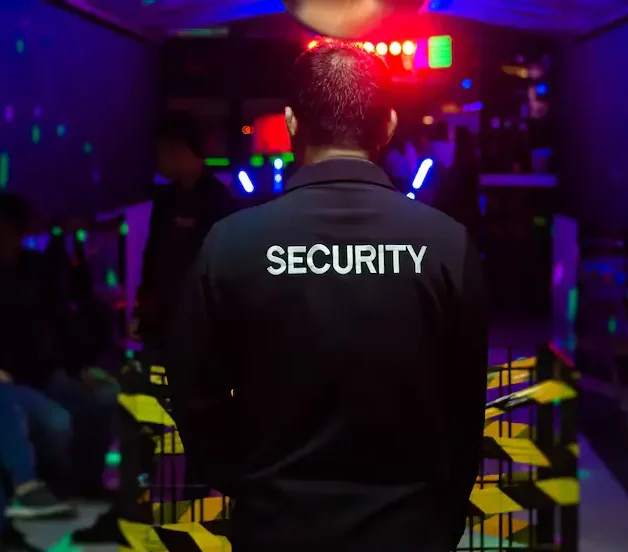

Starting a Door Supervisor Course in London can be an excellent way to enter the private security industry. For beginners, proper preparation can make the training experience easier and help you develop the skills needed for your first security job.
A Door Supervisor does much more than stand at the entrance of a venue. You may need to control access, manage queues, communicate with customers, deal with difficult situations, monitor the venue and work closely with other security professionals.
This guide provides practical training advice for anyone planning to become a Door Supervisor in London.
Understand the Door Supervisor Role
Before starting your course, it is important to understand what the job involves.
Door Supervisors can work in nightclubs, pubs, bars, hotels, entertainment venues, concerts, festivals and private events.
Depending on the workplace, your responsibilities may include:
- Checking identification
- Controlling access
- Managing queues
- Monitoring customer behaviour
- Searching customers where permitted
- Managing conflict
- Supporting emergency procedures
- Reporting incidents
- Working with other security staff
Understanding these responsibilities will help you approach your training with the right attitude.
Choose the Right Door Supervisor Course
One of the most important decisions you will make is choosing the right training course.
If you want to apply for an SIA Door Supervisor licence, you need the appropriate recognised licence-linked qualification.
Before booking, ask the training provider:
- What qualification will I receive?
- Which awarding organisation provides it?
- Is the qualification currently recognised for SIA licensing?
- How long does the training take?
- What assessments are included?
- Is first aid included?
- Are resits included in the price?
Do not assume that every course advertised as security training is suitable for becoming a licensed Door Supervisor.
Complete the First Aid Requirement
First aid is an important part of the Door Supervisor training process.
You need an appropriate first aid qualification before starting the training required for the full Door Supervisor qualification.
If you already have a first aid certificate, ask your training provider whether it meets the current SIA requirements.
If you do not have one, arrange suitable first aid training before beginning your main Door Supervisor training.
Prepare Before Your Training Starts
Good preparation can make your training much easier.
Before your first day, make sure you:
- Confirm the training dates
- Check the training location
- Plan your journey
- Prepare your identification
- Check clothing requirements
- Bring any required documents
- Confirm your first aid certificate
- Get enough rest before training
London travel can sometimes take longer than expected, so plan your journey carefully.
Arriving early is much better than rushing into your first training session.
Take Every Training Session Seriously
Do not think of the course as something you simply need to complete.
Instead, think about how the information will help you when you begin working.
Pay close attention to your trainer and ask questions whenever something is unclear.
Subjects such as security law, conflict management, searching procedures and physical intervention can become very important in real workplace situations.
The more seriously you approach your training, the better prepared you can become.
Develop Strong Communication Skills
Communication is one of the most valuable skills for a Door Supervisor.
You may need to communicate with customers, colleagues, managers, event organisers and emergency services.
During your training, work on:
- Speaking clearly
- Listening carefully
- Giving simple instructions
- Remaining respectful
- Staying confident
- Explaining decisions professionally
- Reporting incidents accurately
A good Door Supervisor should be confident without becoming unnecessarily aggressive.
Strong communication can prevent many disagreements from becoming serious incidents.
Learn Conflict Management
Conflict management is an essential part of Door Supervisor work.
You may encounter people who are angry, frustrated, intoxicated or unwilling to follow venue rules.
Your goal should not be to win an argument.
Instead, learn how to stay calm, communicate clearly and reduce tension.
Useful habits include:
- Listening before responding
- Keeping your voice controlled
- Avoiding unnecessary confrontation
- Maintaining professional body language
- Giving clear instructions
- Recognising when a situation is escalating
- Getting assistance when necessary
These skills can become extremely useful once you begin working.
Take Physical Intervention Training Seriously
Physical intervention is an important part of Door Supervisor training.
However, you should not think of this training as learning how to fight.
The purpose is to learn appropriate techniques and understand how physical situations should be managed safely and responsibly.
Listen carefully to your trainer during practical sessions.
Follow instructions and concentrate on safety, technique and professional conduct.
A professional Door Supervisor understands that physical intervention is a serious responsibility.
Improve Your Situational Awareness
Situational awareness means paying attention to what is happening around you.
This is an important skill for security professionals working in busy environments.
During training, learn to notice potential problems before they become major incidents.
For example, you might notice:
- A disagreement developing in a queue
- A crowded entrance
- Unusual behaviour
- Increasing tension between customers
- A potential safety hazard
- Someone who needs assistance
Being observant can help you respond appropriately and early.
Understand Your Legal Responsibilities
Future Door Supervisors should pay close attention to the legal side of their training.
You need to understand your responsibilities and limitations as a private security professional.
Your training can help you understand areas such as:
- Access control
- Searching
- Reasonable force
- Detention
- Incident management
- Security responsibilities
Having an SIA licence does not give you unlimited powers.
Understanding your legal boundaries is an important part of working professionally.
Practise Customer Service
Security and customer service often work together.
Customers may remember how security staff treat them, especially when they are refused entry or asked to follow venue rules.
A professional Door Supervisor should aim to be:
- Polite
- Firm
- Patient
- Respectful
- Calm
- Professional
You can enforce security procedures without treating customers disrespectfully.
Professional customer service can also help protect the reputation of the venue.
Ask Questions During Training
Do not be afraid to ask questions during your course.
If you do not understand something, ask your trainer to explain it again.
You can ask about:
- Conflict situations
- Searching procedures
- Incident reporting
- Emergency situations
- Practical assessments
- Workplace expectations
- Security procedures
Taking an active interest in your training can help you understand how classroom knowledge applies to real situations.
Prepare for Your Assessments
Your qualification includes assessments, so preparation is important.
Do not wait until the final day to revise everything.
Instead:
- Review your notes regularly
- Identify difficult topics
- Ask your trainer for help
- Practise relevant questions
- Pay attention during practical sessions
- Review important information after each training day
Regular revision can help you feel more confident when assessment time arrives.
Take Practical Training Seriously
Practical sessions require concentration.
When completing physical intervention or other practical exercises, follow your trainer’s instructions carefully.
Do not try to show off or compete with other learners.
The purpose of practical training is to understand correct procedures and apply them safely.
Professional security work requires control, awareness and good judgement rather than unnecessary aggression.
Research Your Training Provider
London has many security training providers, so research carefully before making a booking.
Consider:
- The qualification offered
- Awarding organisation
- Provider approval
- Course location
- Course timetable
- Total cost
- Assessment arrangements
- First aid requirements
- Practical facilities
- Learner reviews
Make sure the provider clearly explains what is included in the advertised price.
Do Not Choose a Course Only Because It Is Cheap
Price is important, but it should not be your only consideration.
A low advertised price may not include everything you need.
Ask whether the course price includes:
- Registration
- Assessments
- Certification
- First aid
- Learning materials
- Practical training
- Resits
Compare the complete cost before making your decision.
A reliable provider should be willing to explain the full course package.
Start Thinking About Employment
You can begin thinking about your future job while completing your training.
London offers opportunities across several security environments.
Potential workplaces include:
- Nightclubs
- Pubs
- Bars
- Hotels
- Concerts
- Festivals
- Sporting events
- Entertainment venues
- Private events
Research different types of Door Supervisor work and consider which environment suits your personality and career goals.
Build a Strong CV
After completing your qualification and obtaining the appropriate licence, you will need to apply for jobs.
A professional CV can help you make a strong first impression.
Include:
- Door Supervisor qualification
- SIA licence details
- First aid qualification
- Previous employment
- Customer service experience
- Relevant security experience
- Communication skills
- Availability
If you have worked in retail, hospitality or customer service, highlight those experiences because they can demonstrate useful transferable skills.
Prepare for Job Interviews
A Door Supervisor interview may include questions about how you would handle difficult situations.
Prepare for questions such as:
- Why do you want to become a Door Supervisor?
- How would you deal with an angry customer?
- What would you do if a situation became violent?
- Why is teamwork important?
- How would you respond to an emergency?
- What does professional behaviour mean to you?
Try to show that you can remain calm and make sensible decisions.
Avoid presenting yourself as someone who enjoys confrontation.
Employers generally want people who can manage challenging situations professionally.
Be Reliable From Your First Shift
Reliability is extremely important in the security industry.
Once you start working, make sure you:
- Arrive on time
- Follow instructions
- Wear the required uniform
- Maintain professional behaviour
- Communicate with colleagues
- Complete required reports
- Follow venue procedures
Security companies need people they can trust.
Being reliable can help you develop a strong professional reputation and potentially receive more work opportunities.
Keep Improving Your Skills
Your learning does not stop when you complete the Door Supervisor Course.
Once you start working, you will gain practical experience that classroom training cannot completely replicate.
Continue improving:
- Communication
- Conflict management
- Customer service
- Observation
- Teamwork
- Leadership
- Incident reporting
- Emergency response
Learning from experienced colleagues can also help you become more confident.
Understand Licence Renewal
Your SIA licence needs to remain valid throughout your career.
Current SIA requirements include refresher training for Door Supervisors renewing their licence.
You should keep track of your licence expiry date and make sure you understand the latest refresher and first aid requirements before renewal.
Do not wait until your licence is about to expire before checking what you need to do.
Plan Your Career Progression
Door Supervisor work can be the beginning of a longer security career.
With experience, you may progress towards roles such as:
Door Supervisor → Senior Door Supervisor → Team Leader → Security Supervisor → Security Manager
Your progression will depend on your employer, experience, skills and additional training.
Some people remain in venue security, while others move into events, supervision or security management.
Avoid Common Training Mistakes
Future Door Supervisors can avoid many problems by preparing properly.
Common mistakes include:
- Choosing a course without checking the qualification
- Selecting a provider only because it is cheap
- Ignoring first aid requirements
- Missing training sessions
- Failing to revise
- Treating practical training casually
- Assuming the qualification automatically gives you an SIA licence
- Expecting guaranteed employment
- Relying on outdated information
Always check current requirements before booking your training.
Simple Roadmap for Future Door Supervisors
Your journey can be broken down into simple steps.
Check the current SIA requirements.
Complete the required first aid training.
Choose a recognised Door Supervisor course.
Attend all required training sessions.
Prepare properly for assessments.
Pass the required assessments.
Obtain your recognised qualification.
Apply for your SIA Door Supervisor licence.
Start applying for suitable security jobs.
Gain practical experience.
Continue developing your skills and career.
Frequently Asked Questions
Is previous security experience required?
No. Beginners can start by completing the required training and meeting the relevant SIA licensing requirements.
Do I need first aid training?
Yes. An appropriate first aid qualification is required before beginning the training for the full Door Supervisor qualification.
What skills should I develop before becoming a Door Supervisor?
Focus on communication, confidence, patience, observation, conflict management, teamwork and professional decision-making.
Is the Door Supervisor Course difficult?
The course requires commitment and preparation, but beginners can successfully complete it by attending the training, participating in practical sessions and preparing for assessments.
Does completing the course give me an SIA licence?
No. The qualification and SIA licence are separate stages. After obtaining the required qualification, you need to complete the SIA licensing process.
Where can I work after becoming a Door Supervisor?
Potential workplaces include nightclubs, pubs, bars, hotels, events, concerts, festivals and other entertainment venues.
How can I prepare for my first security job?
Build a professional CV, practise communication skills, understand workplace procedures and prepare for common interview questions.
Is physical strength important?
Physical strength is not the only factor. Professionalism, awareness, communication, appropriate training and good judgement are highly important.
Is refresher training required for licence renewal?
Yes. Current SIA requirements include relevant refresher training for Door Supervisors renewing their licence.
Can Door Supervisor work become a long-term career?
Yes. With experience and additional development, you may progress into senior, team leader, supervisory or management positions.
Conclusion
A Door Supervisor Course in London can provide the foundation for a career in private security.
The best way to prepare is to understand the role, choose the correct training, complete the first aid requirement and take every part of the course seriously.
Focus on communication, conflict management, situational awareness, legal responsibilities and professional behaviour. These skills can help you become more confident during training and better prepared for your first security job.
After completing your qualification and obtaining the appropriate SIA licence, concentrate on gaining experience and building a strong professional reputation.
With reliability, continued learning and the right attitude, your Door Supervisor training can become the first step towards a successful security career in London.