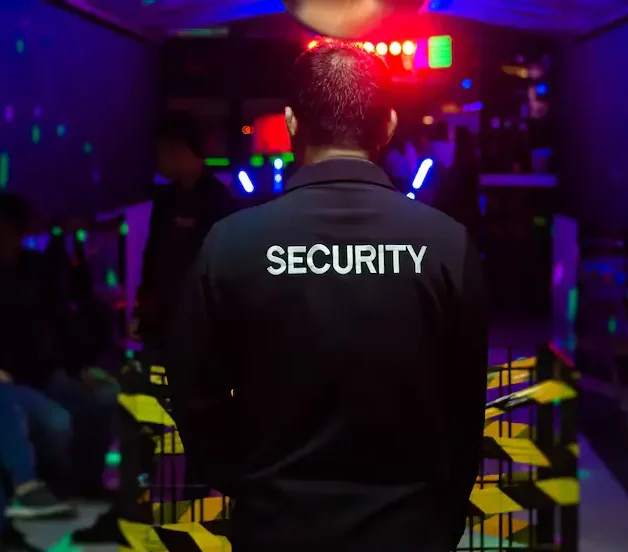
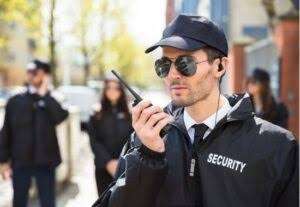
If you are considering a career in private security, a Door Supervisor Course In London can be an important first step. Door supervisors are responsible for helping maintain safety and security at pubs, nightclubs, bars, hotels, events and other licensed venues. Because the role involves dealing with the public, managing conflict and responding to incidents, proper training and qualifications are essential.
London has a large and active hospitality and entertainment industry, creating opportunities for trained security professionals. However, you cannot simply start working as a door supervisor without meeting the required training and licensing conditions.
This guide explains the qualifications you generally need, what a door supervisor course covers, the role of the SIA licence, first aid requirements, and what you can do after completing your training.
What Qualification Do You Need to Become a Door Supervisor?
To work as a door supervisor in London, you generally need to complete a recognised licence-linked door supervisor qualification and obtain an appropriate Security Industry Authority (SIA) licence.
The SIA is responsible for regulating the private security industry in England, Wales and Scotland. Its current guidance states that applicants for a front-line door supervisor licence must complete the required training and hold the appropriate qualification.
For most new applicants, this means completing the relevant Level 2 door supervisor qualification through an approved training route.
The qualification is designed to give you the knowledge and practical skills required for security work, including conflict management, physical intervention and understanding your legal responsibilities.
Why Is a Door Supervisor Qualification Important?
Door supervision involves much more than checking people’s identification at a venue entrance.
A door supervisor may need to:
- Check customers entering a venue
- Monitor people leaving the premises
- Manage queues
- Prevent unauthorised access
- Deal with difficult or aggressive customers
- Identify potential security risks
- Respond to incidents
- Communicate with venue management
- Work alongside other security staff
- Assist during emergencies
- Complete incident reports
Because of these responsibilities, employers need people who understand how to perform the job safely and professionally.
A recognised qualification provides the foundation for learning these responsibilities before you enter the workplace.
What Is a Door Supervisor Course?
A Door Supervisor Course is specialist security training designed for people who want to work in door supervision and related licensed-premises security roles.
The course normally combines classroom-based learning with practical training. Depending on the current qualification structure, learners study areas such as:
- Working in the private security industry
- Door supervision responsibilities
- Conflict management
- Physical intervention
- Legal responsibilities
- Communication
- Emergency procedures
- Health and safety
- Customer interaction
- Security awareness
The exact structure can vary depending on the qualification and awarding organisation, so you should always check the current course details before enrolling.
Is the Door Supervisor Qualification Level 2?
Yes. The current door supervisor qualification is generally a Level 2 qualification for learners in England, Wales and Northern Ireland.
The SIA’s guidance identifies the relevant Level 2 Award for Working as a Door Supervisor in the Private Security Industry as a recognised qualification route for door supervisor licensing.
You should check the qualification title and awarding organisation before booking a course because requirements and recognised qualifications can change.
Do You Need an SIA Licence?
Yes. Completing your Door Supervisor Course is not the same thing as obtaining your SIA licence.
The qualification is one part of the process. Once you have completed the required training and your qualification has been awarded, you normally need to apply to the SIA for the appropriate front-line licence.
The SIA carries out checks as part of the licensing process, including identity and criminal record or suitability checks where applicable.
You should therefore think of the process as:
Training → Qualification → SIA Licence Application → Licence → Employment
Completing a course does not automatically give you permission to work in a licensable security role.
Do You Need First Aid Qualifications?
First aid is an important requirement for people completing the full door supervisor training route.
The SIA states that learners must have an appropriate first aid qualification before taking the training required for a full door supervisor qualification. The first aid qualification must remain valid for at least 12 months when the learner starts the relevant training.
If you already have a suitable first aid qualification, you may be able to use it provided it meets the current requirements.
If you do not have one, speak with your chosen training provider before booking the course. They can explain which first aid qualification is required and whether it is available as part of their training options.
What Does the Training Teach You?
A good Door Supervisor Course In London should prepare you for the practical and professional challenges of security work.
Working in the Private Security Industry
You learn about the private security industry, the responsibilities of security professionals and the legal framework surrounding the job.
Understanding your role is essential because door supervisors must know the boundaries of their authority.
Conflict Management
Conflict management is one of the most valuable skills for a door supervisor.
London venues can become busy, particularly during evenings, weekends and major events. Security staff may encounter customers who are angry, intoxicated or unwilling to follow venue rules.
Training teaches you how to communicate effectively and manage difficult situations professionally.
The goal is generally to prevent conflict from escalating whenever possible.
Physical Intervention
Physical intervention is another important part of door supervisor training.
Learners are taught appropriate techniques for situations where physical intervention becomes necessary. The emphasis is on safety, control and using appropriate responses.
The SIA’s training requirements include physical intervention training for door supervisors.
Legal Responsibilities
Door supervisors need to understand relevant laws and their responsibilities.
This can include areas such as:
- Licensing law
- Human rights
- Equality
- Reasonable force
- Searching
- Detention
- Data protection
- Health and safety
Understanding these areas helps you make better decisions while working.
How Long Does a Door Supervisor Course Take?
The duration can depend on the training provider and the current SIA qualification structure.
For example, Betrain currently advertises a six-day Door Supervisor Course in London. Betrain Door Supervisor Course
The number of days alone should not be the deciding factor when choosing a course. You should check that the course covers the complete current qualification requirements and is delivered through an appropriate awarding organisation.
Ask the provider about:
- Total training hours
- Course dates
- Practical training
- Examination arrangements
- First aid requirements
- Awarding organisation
- Qualification title
- Support after completion
Do You Need Previous Security Experience?
No, you do not normally need previous professional security experience to begin the standard training route.
This makes a Door Supervisor Course suitable for people who are starting their first security job.
However, having experience in areas such as hospitality, customer service, retail, event work or other public-facing jobs can be useful.
Employers often value people who can communicate confidently, remain calm under pressure and work effectively with customers and colleagues.
Are There Age Requirements?
You need to meet the SIA’s eligibility requirements before applying for a licence.
The SIA states that applicants must be at least 18 years old to apply for an SIA licence.
If you are under 18 and interested in becoming a door supervisor later, you can use the time to research training providers, understand the industry and develop useful skills.
Do You Need GCSEs?
A specific set of GCSE qualifications is not normally the main requirement for completing the door supervisor training route.
Training providers may have their own learner requirements, but the key focus is completing the recognised qualification and meeting the SIA’s licensing requirements.
If English is not your first language, it is particularly important to make sure you can understand the course material, communicate effectively and complete the required assessments.
What Skills Should a Door Supervisor Have?
Qualifications are important, but successful door supervisors also need strong personal skills.
Communication Skills
You will regularly communicate with customers, colleagues, venue managers and emergency services.
Clear communication can prevent misunderstandings and help resolve difficult situations.
Confidence
You need to be confident enough to make decisions and communicate instructions without unnecessarily escalating situations.
Patience
Security work can involve long shifts, busy crowds and challenging customers. Patience is extremely valuable.
Observation
A door supervisor should pay attention to what is happening around them and identify potential problems early.
Teamwork
Most security operations involve working alongside other security professionals and venue staff.
Professionalism
Being punctual, reliable and respectful can make a major difference to your reputation with employers.
How Do You Choose a Door Supervisor Course In London?
There are several factors to consider before booking your training.
Check the Qualification
Make sure the course leads to a qualification that is currently recognised for SIA licensing.
Do not choose a course based only on a claim that it is “SIA approved.”
The SIA explains that it does not directly approve or vet training providers. Training providers are approved by the relevant awarding organisations.
Check the Awarding Organisation
Find out which organisation will award your qualification.
This is important because the qualification must meet the SIA’s current requirements.
Compare Course Content
Look at exactly what is included.
A suitable course should cover the relevant door supervision units and practical elements required by the current qualification.
Check the Training Centre
Location can make a big difference in London.
Choose a centre that you can reach reliably and that offers course dates compatible with your schedule.
Ask About Support
Some training providers offer additional support with career preparation, job searches and licence applications.
This can be useful if you are entering the security industry for the first time.
What Happens After Completing the Course?
Once you successfully complete the required training and receive your qualification, the next step is generally the SIA licence application.
The awarding organisation needs to notify the SIA that you have achieved the relevant qualification before you can proceed with your licence application.
You then need to complete the SIA application and provide the required information and documents.
After receiving your licence, you can begin applying for suitable door supervisor positions.
Where Can You Work?
A qualified door supervisor can potentially find work in many different environments.
London offers opportunities in:
- Nightclubs
- Pubs
- Bars
- Hotels
- Restaurants
- Concert venues
- Festivals
- Sporting events
- Shopping centres
- Private events
- Entertainment venues
Your actual responsibilities will depend on the employer, venue and security contract.
Some roles may involve mainly access control, while others may require more active crowd management and incident response.
How Can You Find Your First Job?
After obtaining your SIA licence, start building a professional CV.
Include your:
- Door supervisor qualification
- SIA licence
- First aid qualification
- Previous employment
- Relevant customer service experience
- Security experience
- Communication skills
- Availability
You should also apply directly to security companies and look at job opportunities in London’s hospitality and events sector.
Your first job is an opportunity to build experience and establish a good professional reputation.
Can Door Supervision Become a Long-Term Career?
Yes.
Door supervision can be a starting point for a broader career in private security.
With experience, additional qualifications and the right career planning, you may explore areas such as event security, corporate security, security management, retail security or other specialist roles.
The important thing is to continue developing your skills rather than relying only on your initial qualification.
Why Choose a Door Supervisor Course In London?
London offers a unique environment for people interested in private security.
The city’s nightlife, tourism, hospitality, entertainment and events sectors create demand for trained security professionals.
A recognised Door Supervisor Course In London gives you the foundation to enter this industry while developing practical skills that can be valuable throughout your career.
If you are comparing training providers, Betrain currently provides information about its London Door Supervisor Course here:
View Betrain’s Door Supervisor Course
Always confirm current course dates, prices, qualification details and SIA requirements directly with the training provider before booking.
Frequently Asked Questions
What qualifications do I need to become a door supervisor in London?
You generally need the appropriate recognised door supervisor qualification and an SIA door supervisor licence. You must also meet the SIA’s current eligibility and training requirements.
Is the Door Supervisor Course Level 2?
Yes. The recognised door supervisor qualification route is generally at Level 2 in England, Wales and Northern Ireland.
Do I need first aid before taking the course?
Yes. The SIA requires an appropriate first aid qualification before you complete the training required for a full door supervisor qualification.
Do I need previous security experience?
No. Previous security experience is not normally required to start the standard door supervisor training route.
Do I need GCSEs to become a door supervisor?
A specific GCSE qualification is not normally the primary requirement. The main focus is completing the recognised training and meeting the SIA’s licensing conditions.
How old do I need to be?
You must be at least 18 years old to apply for an SIA licence.
Does completing the course give me an SIA licence?
No. Completing the course gives you the relevant qualification. You must then complete the separate SIA licensing process.
How long does a Door Supervisor Course In London take?
Course duration varies by provider. Betrain currently advertises a six-day Door Supervisor Course in London.
Can I work in a nightclub with a door supervisor licence?
Yes, licensed door supervisor work can include roles at nightclubs, pubs, bars and other suitable venues, depending on the employer and role.
Is door supervision a good career choice?
It can be a good entry point into private security, particularly for people who enjoy working with the public, handling responsibility and developing security-related skills.
Final Thoughts
Choosing the right Door Supervisor Course In London is an important decision if you want to enter the private security industry.
You should look for a current, recognised qualification, check the awarding organisation, understand the first aid requirement and make sure you understand the SIA licensing process.
Once qualified and licensed, you can begin looking for opportunities across London’s busy hospitality, nightlife, entertainment and events sectors.
With the right training, professional attitude and experience, door supervision can provide a strong starting point for a long-term career in private security.