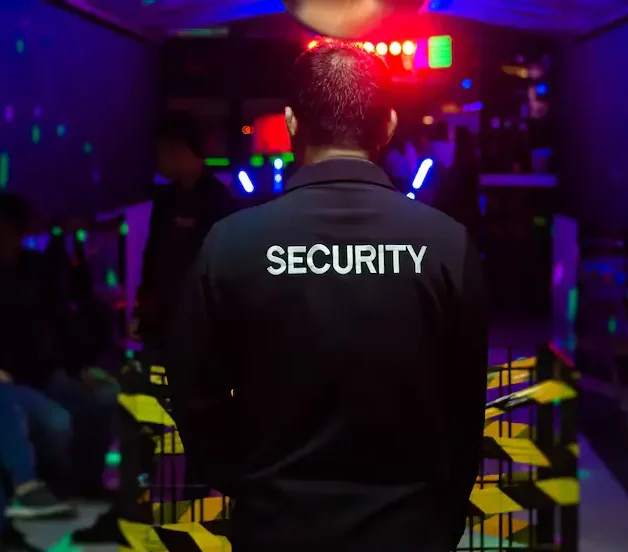
Working as a door supervisor in London means operating in high-pressure environments. From managing busy queues to handling intoxicated individuals or de-escalating aggressive confrontations, the job requires a mix of communication, observation, and, when absolutely necessary, physical protection.
While the primary goal of any security professional is to avoid physical conflict, there are moments when you must protect yourself or others. This is why a recognized door supervisor course in London includes a specific module on physical intervention and basic self-defence.
In this guide, we will break down the fundamental concepts of self-defence taught in professional training and why these techniques are designed for safety, not for fighting.
1. The Philosophy of Professional Self-Defence
In a professional security context, “self-defence” does not mean martial arts or winning a fight. It means creating the distance or the opportunity to escape or neutralize a threat.
The “S.T.A.R.” Principle
Most modern training programs emphasize a structured approach to any threat:
- S – Stop: Cease movement and create space.
- T – Think: Assess the environment. Is there a way out? Is backup nearby?
- A – Assess: Is the person armed? Are there friends backing them up?
- R – Respond: Use the minimum, necessary, and proportionate force required to gain control or reach safety.
2. Defensive Stance and Positioning
Your first line of defence is how you stand. A professional stance is not aggressive, yet it protects your vital areas.
The “Interview Stance”
You should stand at a slight angle to the person you are speaking with.
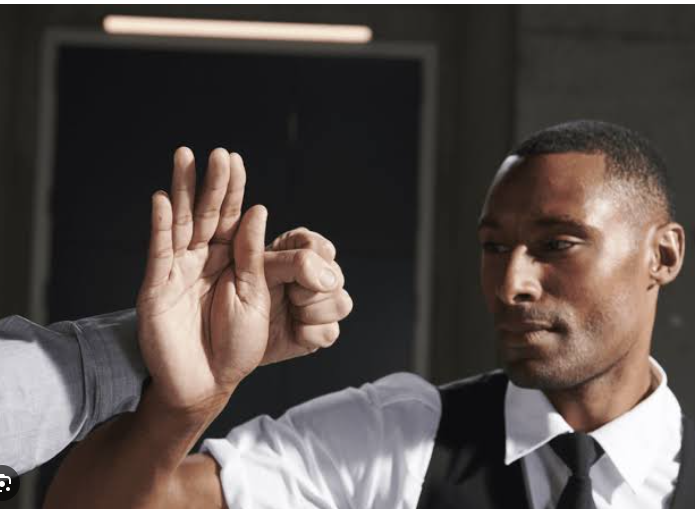
- Hands: Keep them at roughly chest height, open, and palms facing slightly outward. This looks non-threatening to observers but allows you to quickly block a sudden strike or push.
- Feet: Keep one foot slightly behind the other for balance. If you are pushed, this wide base prevents you from falling over easily.
- Distance: Maintain the “reactionary gap.” This is generally about an arm’s length away. Closer than this, and you are vulnerable to a sudden punch or grab.
3. Basic Techniques Taught in Training
A door supervisor course in London focuses on “control and restraint” rather than striking. However, students learn defensive blocks and releases to manage sudden physical attacks.
Defensive Blocking
If someone swings a punch or a slap at you, the goal is to deflect the energy, not stop it dead.
- The “High Shield”: Raising your arms to protect your head and neck.
- Redirection: Using your forearms to guide their limb away from your body, moving yourself out of the “line of fire” simultaneously.
The “Breakaway” (Releases)
What happens if someone grabs your uniform, your arm, or your wrist?
- The Weak Link Principle: Every grab has a weak point. Instead of pulling against the person’s strength, you move your arm toward their thumb. The thumb is the weakest point of any grip.
- Rotational Movement: By rotating your arm in a circle towards their thumb, you break their leverage and create an opportunity to step back.
Managing a Push
If someone shoves you, the immediate instinct is to shove back. Professional training teaches you to “ride the force.”
- Step back with the foot closest to the direction of the push to maintain your balance.
- Use your open hands to stabilize yourself and regain your composure.
- This prevents you from falling into the crowd or sustaining an injury from a trip.
4. Why Physical Intervention is the Last Resort
It is crucial to understand that in your door supervisor course in London, you will be taught that physical techniques are the absolute last resort.
The Legal Reality
Every time you use a physical technique, you are opening yourself to legal scrutiny. If you choose to use a hold or a strike, you must be able to justify it later.
- Proportionality: If you use a complex joint lock on someone who simply tapped your shoulder, you will likely face legal consequences.
- Duty of Care: You have a legal responsibility to the person you are controlling. If your self-defence technique causes a significant injury, you must provide first aid and document the incident immediately.
5. The Role of De-escalation
The best “self-defence” technique is verbal de-escalation. Your voice is your most effective tool for avoiding a physical confrontation.
- Active Listening: Let the person feel heard. Sometimes, just being acknowledged de-escalates a situation.
- Calm Tone: Keep your voice steady, low, and even. Raising your voice only fuels the other person’s aggression.
- Clear Boundaries: Use firm, polite language to explain the rules. “I cannot let you inside the venue tonight because you appear intoxicated. Please leave the area so I don’t have to call for assistance.”
6. Training Standards in London
If you are searching for a door supervisor course in London, ensure the syllabus is approved by the SIA. A reputable course will include:
- Conflict Management: How to use words to lower the tension.
- Physical Intervention: Training in “safe” holds that do not restrict breathing or cause unnecessary pain.
- Scenario-Based Training: You will practice these techniques in a controlled environment, often acting out real-life situations you might face at the door of a pub, club, or event.
7. Keeping Your Skills Fresh
One weekend of training is not enough. The techniques taught in a door supervisor course in London are “perishable skills.” If you don’t practice them, you will forget the mechanics under the pressure of a real incident.
- Attend Refreshers: Many high-quality training centers in London offer follow-up workshops.
- Partner Practice: Regularly review proper positioning and breakaway techniques with a trusted colleague.
- Mindset Training: Keep your mental health in check. A stressed, tired, or angry supervisor is far more likely to make a mistake.
Conclusion
Physical self-defence for door supervisors is not about combat; it is about survival and professional control. By learning to maintain a proper stance, mastering simple breakaway techniques, and prioritizing de-escalation, you ensure that you can do your job safely and return home to your family at the end of every shift.
London is a demanding city, and the nightlife scene can be unpredictable. By investing in the right training and keeping your skills sharp, you position yourself as a true professional—someone who is not just a bouncer, but a trained security expert capable of handling any situation with confidence and legal awareness.
Are you ready to take the next step in your career, or do you have questions about the specific physical intervention modules included in current security training?