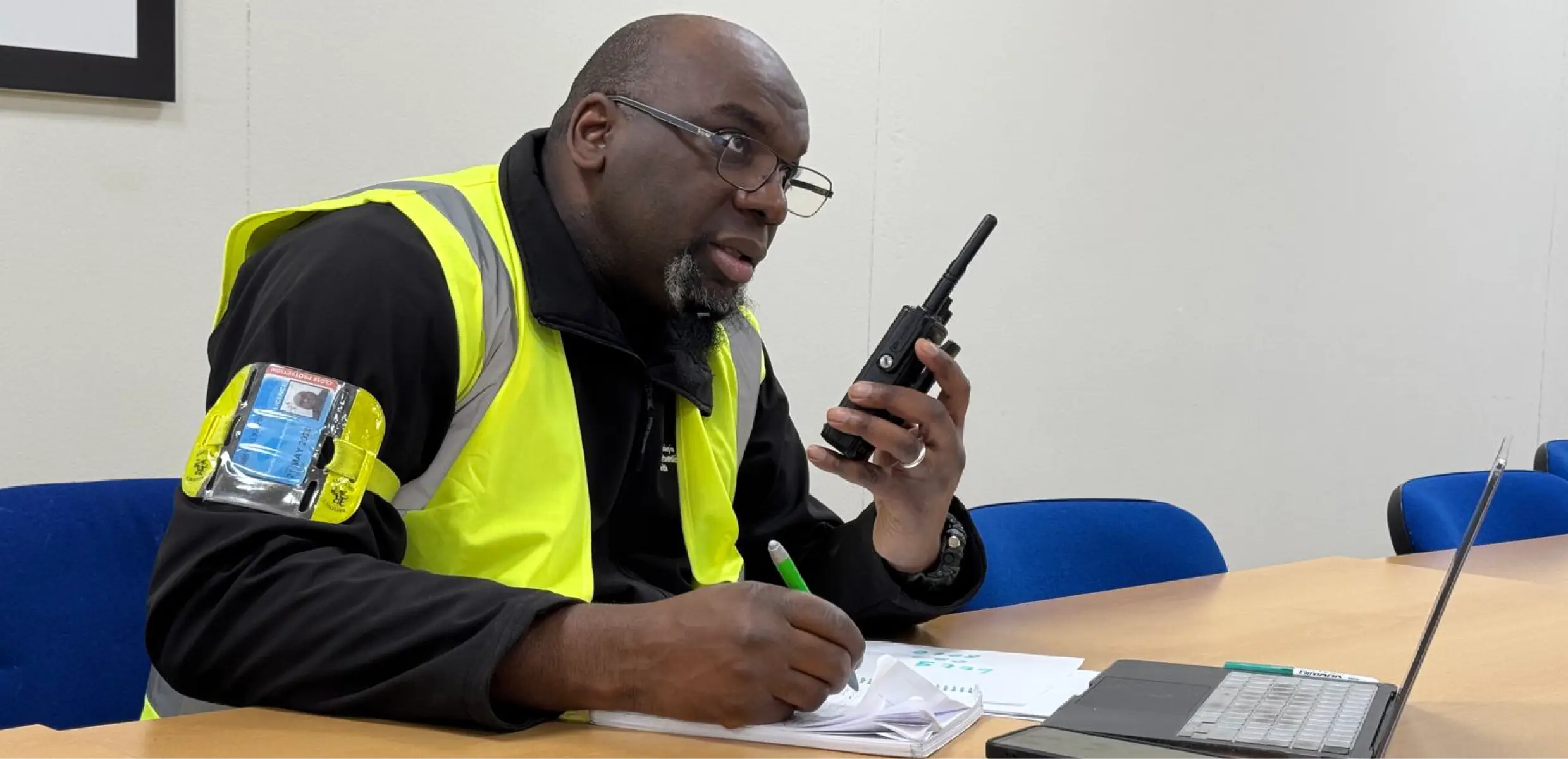
Health and Safety Rules Covered During Training
In the United Kingdom, health and safety is not merely an optional workplace practice; it is a foundational legal requirement governed by the Health and Safety at Work etc. Act 1974 (HASAWA). For security professionals, this legislation defines the working environment, establishing a shared duty of care between employers and employees. During your mandatory SIA-accredited training, you are taught that health and safety is a critical component of operational success. A secure site is, first and foremost, a safe site.
Safety Culture+ 1
This guide provides an in-depth look at the core health and safety pillars that form the basis of professional security training in the UK.
1. The Legislative Framework: HASAWA 1974 Virtual College
At the heart of all security training is the Health and Safety at Work etc. Act 1974. This act mandates that employers must provide a safe system of work, maintain equipment, and ensure that employees are properly trained and supervised. However, the legislation places equal importance on the employee’s responsibilities.
BrightHR+ 1
Under this Act, as a security operative, you have a legal duty to:
- Take reasonable care for your own health and safety and that of others who may be affected by your actions (or inactions) at work. KeyOstas
- Cooperate with your employer by following safety instructions, attending training, and using safety equipment (like PPE) correctly. BrightHR
- Report hazards to your supervisor at the earliest opportunity. Failing to report an identified risk can be considered a breach of your duty of care. BrightHR
2. Risk Assessment: Static and Dynamic
Risk assessment is the process by which security professionals identify potential dangers and implement measures to control them.
Get Licensed
- Static Risk Assessments: These are formal, written documents prepared before a shift or an assignment begins. They analyze the specific environment—such as a retail floor, a construction site, or a corporate lobby—to identify hazards like uneven flooring, high-traffic areas, or equipment vulnerabilities.
- Dynamic Risk Assessment (DRA): This is the security professional’s most important tool. Unlike a static assessment, a DRA is a continuous, real-time mental process. While on patrol, you must constantly evaluate your surroundings: Has the crowd become more aggressive? Is the weather creating a slip hazard? Has a new, unauthorized individual entered a restricted zone? Training emphasizes that a risk assessment is never “done”; it is an ongoing cycle of observation, analysis, and tactical adjustment. Get Licensed
3. Fire Safety and Emergency Preparedness
Security guards are frequently the first responders on site, often arriving before the fire brigade, police, or paramedics. Consequently, fire safety training is rigorous and practical.
All Time Security
- Fire Prevention: You are trained to spot “fire loading” risks—such as the build-up of combustible materials in corridors, blocked fire exits, or unauthorized use of heaters and electrical appliances.
- Emergency Roles: As a designated Fire Warden or Marshal, your duties include guiding evacuations, performing “sweeps” of restrooms and storage areas, and ensuring that the muster point is controlled. All Time Security
- The RACE and PASS Acronyms: You are taught the RACE procedure for fire (Rescue, Alarm, Contain, Extinguish/Evacuate) and the PASS method for using fire extinguishers (Pull, Aim, Squeeze, Sweep). Understanding how to handle an emergency while keeping the public calm is a vital skill that training helps you master. London Security College+ 1
4. Manual Handling and Lone Working
Physical injuries are among the most common workplace accidents, and security guards are particularly vulnerable due to the nature of their duties.
- Manual Handling: Training teaches you the biomechanics of safe lifting. You are instructed to assess the load, ensure your path is clear of trip hazards, and use your legs instead of your back to lift. This isn’t just about moving furniture; it applies to moving security barriers, heavy doors, or responding to equipment failures.
- Lone Working Protocols: Security often involves working in isolation. Training provides the legal and practical protocols for lone working, including mandatory “check-in” times with the control room, the use of panic buttons or man-down alarms, and strategies to minimize risk when arriving at or leaving a site.
5. Conflict Management and Personal Safety
Violence at work is a significant risk for security professionals. Training modules are designed to keep you safe while you maintain site integrity.
- De-escalation: You learn that conflict is a spectrum. Training covers verbal communication techniques—using a calm tone, active listening, and non-threatening body language—to de-escalate situations before they become violent. Get Your SIA
- The “Last Resort” Principle: You are trained that physical intervention is a measure of absolute last resort. If you must act, the force used must be reasonable, necessary, and proportionate to the threat.
- Reporting Violence: A critical part of health and safety training is the requirement to report all incidents of verbal or physical abuse. Many guards treat this as “part of the job,” but training reinforces that these incidents are critical data points that help employers improve site safety protocols for everyone.
6. Incident Response and RIDDOR
When an accident or incident occurs, your response is governed by both company policy and the Reporting of Injuries, Diseases and Dangerous Occurrences Regulations (RIDDOR).
- Reporting Thresholds: You learn what constitutes a reportable incident, such as a serious fracture, crush injuries to the head, or accidents that result in a worker being incapacitated for more than seven consecutive days.
- Preserving the Scene: In the event of a serious accident or crime, your training emphasizes scene preservation. This involves preventing unauthorized access to the area, ensuring CCTV is saved, and recording clear, objective witness statements. Your ability to provide accurate, contemporaneous notes is essential for later investigations by the Health and Safety Executive (HSE) or the police. Get Your SIA
Summary Checklist for Health & Safety
| Topic | Primary Objective | Key Takeaway |
|---|---|---|
| Risk Assessment | Identify & Control | Always be “dynamically” aware of new hazards. |
| Fire Safety | Prevention & Response | You are the first responder; know your exits. |
| Manual Handling | Injury Prevention | Use your legs, not your back; assess the load first. |
| Lone Working | Safety in Isolation | Keep communication lines open; use safety checks. |
| Conflict Mgt | De-escalation | Use verbal skills; physical force is a last resort. |
| RIDDOR | Legal Reporting | Report serious accidents to the HSE. |
Final Note: A Culture of Safety
Training is designed to do more than satisfy a legal checkbox; it is designed to build a “safety culture.” Security is a job where the unexpected is the norm, and your health and safety training is your primary tool for navigating that unpredictability. As you move forward in your career, remember that the most successful supervisors and operatives are those who never become complacent about safety. They treat every patrol, every interaction, and every report as an opportunity to reinforce the safety of the site.
By internalizing these lessons, you protect yourself, your colleagues, and the public. In the security industry, your professionalism is measured by your ability to remain safe under pressure. Never hesitate to raise a safety concern—it is not only your right; it is your professional obligation under the law.
Are there any aspects of your current site’s health and safety protocols—such as lone-worker check-ins or manual handling procedures—that you feel could be more effectively integrated into your daily routine?