
Getting Mentally and Practically Ready Before Day One
Signing up for a door supervisor course in London is an exciting step, but the days leading up to it matter just as much as the training itself. How you prepare beforehand, both mentally and practically, can shape how confidently you walk in on day one and how much you get out of the course overall. This guide covers everything worth thinking about before your training begins, from mindset to practical logistics.
Why Preparation Matters
Walking into a new course unprepared, whether mentally or practically, often leads to unnecessary stress that has nothing to do with the actual course content. Taking time beforehand to settle your mindset and organise the practical details means you can walk in ready to focus fully on learning, rather than dealing with last-minute panic or distraction.
Getting Mentally Ready
Accept That Nerves Are Normal
Almost everyone feels some level of nervousness before starting a door supervisor course in London, especially if this represents a genuine career change. Rather than trying to eliminate nerves completely, it helps to simply accept them as a normal part of starting something new. Most trainees find their nerves settle significantly within the first hour or two of training.
Remind Yourself Why You’re Doing This
Whether you’re looking for better pay, more flexible hours, or a genuine career change, reconnecting with your original motivation can help settle pre-course nerves. Take a few minutes before your course begins to remind yourself what you’re working towards.
Set Realistic Expectations
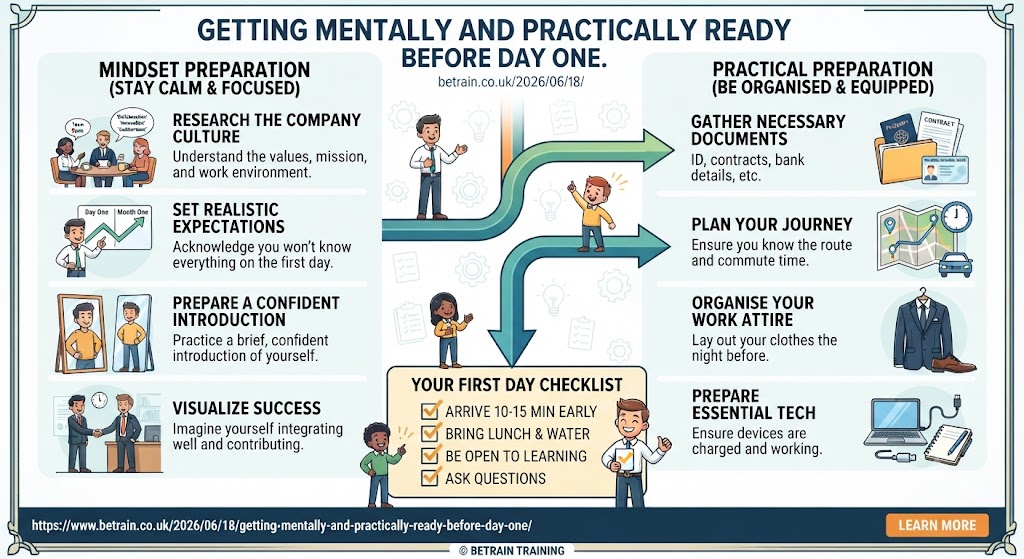
You’re not expected to be an expert on day one. Trainers work with complete beginners regularly, and the course is specifically designed to build your knowledge and confidence gradually, day by day. Going in with the expectation that you’ll learn step by step, rather than needing to understand everything immediately, takes a lot of unnecessary pressure off.
Prepare for a Mix of Learning Styles
Since the course blends classroom learning, group discussion, role-play, and physical training, mentally preparing for a varied day, rather than expecting purely lecture-style teaching, helps you adjust more easily once training begins.
Visualise a Positive Outcome
Some trainees find it helpful to picture themselves successfully completing the course and receiving their SIA licence. This kind of positive visualisation can help ease anxiety and build quiet confidence in the days leading up to training.
Getting Practically Ready
Confirm All Your Paperwork in Advance
As covered in earlier stages of enrolment, you’ll likely need documents such as proof of identity, proof of address, and right-to-work confirmation. Double-check exactly what’s required with your specific training provider and gather everything together at least a few days before your course starts, rather than scrambling the night before.
Plan Your Journey to the Venue
If you’re unfamiliar with the training location, check your travel route in advance, including how long it typically takes and whether there might be any delays to plan around. Arriving stressed after a chaotic journey can affect your mindset for the whole first day.
Prepare Your Clothing the Night Before
Choose comfortable, practical clothing suitable for both classroom learning and physical training sessions, and lay everything out the evening before, rather than deciding on the morning itself.
Pack Your Bag in Advance
Gather everything you’ll need, including your paperwork, a notepad and pen, water, snacks, and your booking confirmation, so you’re not searching for last-minute items on the morning of your course.
Get a Proper Night’s Sleep
Training days can be mentally and physically demanding, particularly once physical intervention sessions begin. Prioritising good sleep in the days leading up to your course, not just the night before, helps you arrive genuinely rested rather than running on minimal energy.
Eat a Proper Meal Beforehand
Since training days often run for several hours with limited breaks, eating a proper breakfast before your door supervisor course in London begins helps maintain your energy and concentration throughout the morning.
Practical Steps to Take a Week Before
Taking a structured approach in the final week before training can help reduce last-minute stress significantly:
- Confirm your course schedule and venue details directly with your provider
- Double-check all required documents are gathered and easily accessible
- Plan your outfit and pack your bag a few days in advance
- Review your travel route, including backup options in case of delays
- Get organised at home or work, so you’re not juggling unrelated stress alongside starting your course
Mentally Preparing for Physical Training
Many trainees feel particularly nervous about the physical intervention component of the course, especially if they’ve never done anything similar before. A few ways to mentally prepare for this specific part of training include:
- Remind yourself that everyone starts at the same level. Trainers teach physical techniques step by step, assuming no prior experience.
- Focus on safety, not perfection. The goal isn’t to master every technique instantly, but to understand safe, controlled methods gradually.
- Trust the structured teaching approach. Physical intervention units are broken down into manageable stages, building confidence gradually rather than expecting immediate mastery.
Mentally Preparing for Classroom Learning
If you haven’t been in a classroom-style learning environment for a while, it’s worth easing back into a study mindset before your course begins:
- Practise focused reading, even briefly, in the days leading up to your course, to help rebuild concentration for longer learning sessions.
- Brush up on basic note-taking skills, since taking clear notes throughout the course will help significantly when preparing for exams.
- Remind yourself that questions are welcomed. If you’re someone who feels nervous asking questions in group settings, remember that trainers expect and encourage this from beginners.
Building Confidence Before You Start
Talk to Others Who’ve Completed the Course
If you know anyone who has already completed a door supervisor course in London, or can find genuine reviews online, hearing about their experience can help settle nerves and give you a realistic idea of what to expect.
Research the Course Structure
Understanding the general flow of the week, moving from industry knowledge, through conflict management and physical intervention, to licensing law and first aid, can help you feel more mentally prepared for what’s coming, rather than walking in with no sense of structure.
Focus on What You Can Control
While you can’t control every aspect of how the course unfolds, focusing on the practical steps you can control, like preparation, punctuality, and an open mindset, helps build genuine confidence heading into day one.
What to Avoid Before Your Course Begins
- Avoid excessive last-minute research that increases anxiety, such as reading overly negative, unverified reviews the night before your course starts.
- Avoid staying up late worrying. Rest matters more than last-minute cramming, since the course itself will cover everything you need to know.
- Avoid skipping breakfast on the morning of your course, since low energy can affect concentration, especially during longer classroom sessions.
- Avoid overpacking or overcomplicating your preparation. Stick to the essentials rather than overwhelming yourself with unnecessary extras.
A Simple Pre-Course Checklist
To bring everything together, here’s a straightforward checklist to work through before your door supervisor course in London begins:
- All required paperwork gathered and organised
- Comfortable, practical clothing chosen and ready
- Travel route to the venue checked in advance
- Bag packed with notepad, pen, water, and snacks
- Booking confirmation saved or printed
- A proper night’s sleep prioritised beforehand
- A realistic, positive mindset going into day one
Common Questions About Preparing for Training
Is it normal to still feel nervous even after preparing well?
Yes, completely normal. Preparation helps reduce unnecessary stress, but some nerves before starting something new are simply part of the process.
What if I forget something on the morning of my course?
Contact your training provider as soon as possible. Many issues, such as a missing document, can often be resolved quickly if you communicate early rather than panicking silently.
How much should I research the course content beforehand?
A general understanding of the course structure is helpful, but there’s no need to study extensively in advance, since the course itself is designed to teach you everything from the ground up.
Should I practise physical techniques before starting?
No prior practice is necessary. Physical intervention training is taught step by step, assuming no previous experience.
Is it worth speaking to my provider before day one if I have concerns?
Yes, most training providers are happy to answer questions in advance, whether about paperwork, course structure, or general logistics, so don’t hesitate to reach out if something’s unclear.
Final Thoughts
Getting properly prepared, both mentally and practically, before starting a door supervisor course in London can make a genuine difference to how confident and settled you feel on day one. By organising your paperwork, planning your journey, prioritising rest, and adjusting your mindset to expect a supportive, beginner-friendly environment, you’ll be in a strong position to focus fully on learning from the very first session. Remember, every experienced door supervisor once prepared for their own first day, and with the right approach, you’ll be ready to do the same.