First Day Nerves: What to Wear and Bring
Starting something new is always a little nerve-wracking, and the first day of a door supervisor course in London is no exception. Whether you’re feeling excited, anxious, or a mix of both, knowing exactly what to wear and bring can help settle your nerves and let you focus on the training itself. This guide covers everything you need to prepare, so you can walk in feeling confident rather than caught off guard.
Why First Day Nerves Are Completely Normal
Starting a new course, especially one that leads to a career change, naturally comes with some nerves. You might be wondering if you’ll fit in, whether you’re prepared enough, or how the physical training sessions will feel. This is completely normal, and trainers are used to working with complete beginners who feel exactly the same way. Most people find that nerves settle quickly once the course actually begins and they realise everyone else is in the same position.
What to Wear on Your First Day
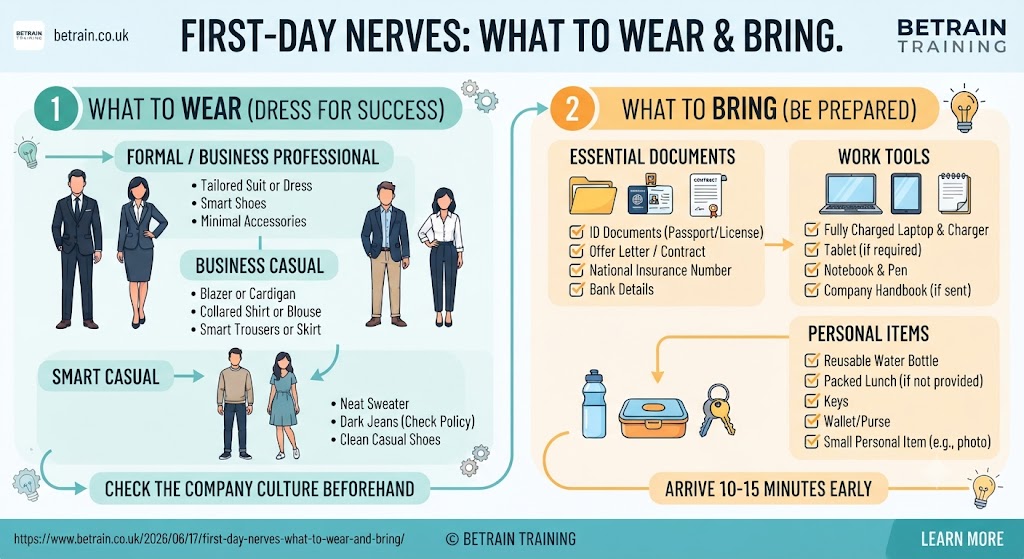
Getting dressed appropriately for a door supervisor course in London makes a real difference to your comfort throughout the day, especially since some sessions involve movement and physical practice.
Comfortable, Practical Clothing
Choose clothing that allows you to move freely. Tracksuit bottoms, joggers, or comfortable trousers paired with a t-shirt or lightweight jumper generally work well. Avoid anything too tight, restrictive, or anything you’d be worried about damaging during physical intervention practice.
Proper Footwear
Trainers or other flat, supportive shoes are ideal. Avoid smart shoes, sandals, or anything with a heel, since you’ll need to move around comfortably, especially during practical sessions.
Layers Are a Good Idea
Training rooms can vary in temperature, and physical sessions can get warm quickly. Wearing layers, such as a t-shirt under a light jumper or jacket, allows you to adjust throughout the day as needed.
Avoid Jewellery and Loose Accessories
During physical intervention training, it’s best to avoid wearing dangling jewellery, watches, or anything that could get caught or cause injury during practical exercises. If you usually wear jewellery daily, it’s worth removing anything unnecessary before you arrive.
What to Bring With You
Beyond appropriate clothing, having the right items with you on day one helps the whole experience run smoothly.
Identification and Paperwork
As covered in earlier stages of enrolment, you’ll usually need to bring proof of identity, proof of address, and right-to-work documentation on your first day, unless your provider has confirmed otherwise. Double-check exactly what’s required with your specific training provider beforehand.
A Notepad and Pen
While some providers supply materials, it’s always a good idea to bring your own notepad and pen for taking personal notes throughout the course, particularly on topics like licensing law and conflict management, which often come up in exams.
Water and Snacks
Training days can be long, sometimes running from morning until late afternoon. Bringing a water bottle and a few snacks can help keep your energy up, especially if breaks are shorter than a full lunch period.
A Copy of Your Booking Confirmation
Some providers ask you to bring proof of your booking, either printed or on your phone, particularly if this is your first interaction with them in person.
Comfortable Bag
A simple backpack or bag to carry your belongings, water, snacks, and paperwork makes it easier to stay organised throughout the day, especially since you’ll likely be moving between different areas of the training venue.
What Not to Bring
- Valuables you don’t need. Since physical training sessions are involved, it’s best to leave unnecessary valuables at home.
- Overly restrictive clothing. Anything too tight or uncomfortable will make physical sessions more difficult than they need to be.
- Strong perfume or aftershave. Since training rooms can be close quarters, especially during practical exercises, it’s considerate to keep this minimal.
Arriving on Time (or Slightly Early)
Nerves often get worse if you’re rushing. Aim to arrive around 10–15 minutes before your door supervisor course in London is due to start. This gives you time to:
- Find the correct room or training area
- Complete any necessary sign-in procedures
- Settle in and get comfortable before the session begins
- Ask any last-minute questions before training starts
If you’re unfamiliar with the venue, it’s worth checking your travel route the day before, especially if you’re relying on public transport, so you’re not adding unnecessary stress to an already nervous first day.
What to Expect From the First Day Itself
Knowing roughly what to expect can help calm nerves significantly. Most first days typically include:
- Introductions, both from trainers and fellow trainees
- An overview of the course structure, including what will be covered each day
- Initial classroom-based learning, often starting with working in the private security industry
- A relaxed, supportive atmosphere, since trainers are used to working with complete beginners
Many people find that once the session actually begins, their nerves settle quickly, especially once they realise most of their classmates are feeling exactly the same way.
Tips for Managing Nerves Before You Arrive
Prepare Everything the Night Before
Lay out your clothing, pack your bag, and gather your paperwork the evening before your course starts. This reduces last-minute stress and helps you feel more organised on the morning itself.
Get a Good Night’s Sleep
Training days can be mentally and physically demanding, so try to prioritise proper rest the night before, rather than staying up late worrying about the day ahead.
Remind Yourself Everyone Starts Somewhere
It’s easy to feel like you’re the only nervous one in the room, but the vast majority of people starting a door supervisor course in London are complete beginners. Trainers are experienced in helping people build confidence from scratch.
Focus on the Bigger Picture
Remind yourself why you’re doing this, whether it’s a new career, better pay, or more flexible hours. Keeping your goal in mind can help settle nerves and keep you motivated throughout the day.
What Happens If You Feel Overwhelmed During Training
If you start feeling overwhelmed at any point, whether during classroom learning or physical sessions, don’t hesitate to speak to your trainer. Most trainers are understanding and experienced in helping trainees work through nerves or difficulties, especially during physical intervention practice, which can feel unfamiliar at first.
Taking a short break, asking for something to be explained again, or simply pausing to collect your thoughts is completely normal and won’t be viewed negatively.
Common Questions About the First Day
What if I’m not confident during physical training sessions?
This is completely normal for beginners. Trainers introduce physical intervention techniques gradually and prioritise safety and confidence-building over speed.
Will I be the only nervous person there?
Almost certainly not. Most trainees feel some level of nerves on the first day, and trainers are well-practised at helping everyone settle in quickly.
Do I need to know anyone else on the course beforehand?
No, most people attend without knowing anyone else. Group exercises and role-play sessions naturally help trainees get to know each other throughout the course.
What if I forget to bring a required document?
Contact your training provider as soon as possible, ideally before your course starts, to understand your options. Some providers may allow you to bring missing documents the following day, though this varies.
Is it normal to still feel nervous after the first day?
Yes, to some extent. Confidence generally builds gradually throughout the course, especially once you start understanding more about conflict management and physical intervention techniques.
Final Thoughts
First day nerves are a completely normal part of starting any new course, including a door supervisor course in London. By preparing the right clothing, bringing the correct paperwork and essentials, and arriving with a little extra time to settle in, you’ll be in a strong position to focus fully on your training rather than worrying about the small details. Remember, every experienced door supervisor once sat exactly where you are now, feeling the same nerves before their very first day