Imagine a colleague collapses at their desk. Or a customer starts choking in your shop. Or someone on your team cuts their hand badly on a busy afternoon. What happens in the next few minutes matters more than almost anything else. That is exactly why people search for an Emergency First Aid at Work course in London.
This guide explains the whole course from start to finish. You will learn what it is, who it suits, what you will practise, how long it takes, how the certificate works and how to pick a good provider. Everything is written in simple language, so you can make a quick, confident decision. When you are ready to book, you can view the Emergency First Aid at Work course in London on the BeTrain website.
What Is the Emergency First Aid at Work Course?
Emergency First Aid at Work, often shortened to EFAW, is a one-day first aid course made for the workplace. It gives you the basic skills to help someone who is hurt or suddenly ill until a paramedic or doctor arrives.
The course is regulated at Level 3. That means it is part of the national qualification framework in England. Employers, insurers and safety officers widely recognise it. On passing, you receive a certificate that is valid for three years.
You do not need any medical background. The course is built for beginners, so office workers, shop staff, teachers, drivers and volunteers all attend and succeed.
Who Should Take an EFAW Course in London?
The course suits a wide range of people. In particular, it is useful if you are:
- An employer or business owner who needs to provide first aid for staff.
- A first aider or appointed person who wants to build real skills.
- A manager or team leader who wants to feel prepared in an emergency.
- A teacher, tutor or support worker in a school or college.
- A gym instructor or personal trainer who works with active people.
- A shop, café, restaurant or hotel employee who deals with the public.
- A charity worker or volunteer helping at events, clubs or community centres.
- A self-employed person such as a freelancer, driver or tradesperson.
If you simply want to be a safer person to have around, the course is a great choice, even when your job does not require it.
Why Take the Course in London?
London is one of the busiest cities in the world. Offices are packed tightly, public transport is crowded and thousands of people work in shops, hospitality and construction. Ambulances can face heavy traffic, so those first minutes often depend on the people who are already there.
Training in London also makes things easy. There are plenty of venues across the city, so you can choose a location near your home or office. Many providers also offer on site training, where the trainer visits your workplace and teaches your team together. That saves travel time and keeps everyone in the same place.
What Does the Course Cover?
The syllabus follows national guidance from the Health and Safety Executive (HSE). Here is what you will typically learn.
The role of a first aider
You will understand your duties, your limits and how to stay safe while helping. You will also learn how to keep records and report incidents properly.
Assessing an emergency
You will practise checking the scene for danger, then checking the casualty step by step. This is a key skill. It helps you decide what needs to happen first and when to call 999.
CPR and using a defibrillator
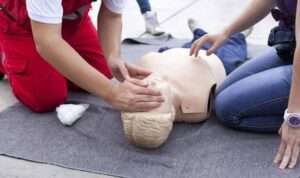
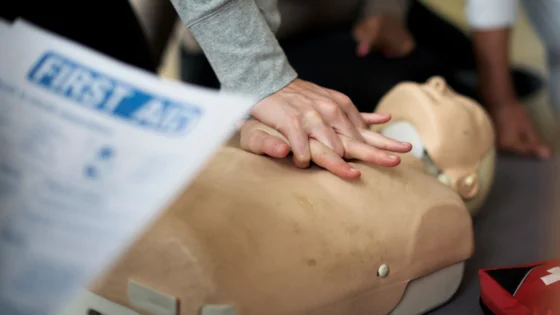
You will learn how to give chest compressions and rescue breaths to an adult who is not breathing. You will also learn how to use an automated external defibrillator (AED). Many people find this the most valuable part of the day. Quick CPR and early use of an AED can greatly improve the chance of survival after a cardiac arrest.
Helping someone who is unresponsive but breathing
You will learn how to place a casualty in the recovery position and keep them safe while you wait for help.
Choking
You will learn how to spot choking and what to do, step by step, using back blows and abdominal thrusts for adults.
Bleeding and wounds
You will practise controlling severe bleeding, using dressings and treating minor cuts and grazes.
Shock
You will learn how to recognise shock and what you can do to help until professional help arrives.
Minor injuries
You will cover common workplace injuries such as small burns, scalds, cuts, grazes and minor head bumps.
Some providers may add short extras, such as help for a seizure or an asthma attack, depending on how they run the day. Always check the course outline before you book.
How Long Is the Course?
The EFAW course takes one day. In most cases, that is about six hours of learning time, plus breaks. The day often starts in the morning and finishes in the afternoon, so it is easy to fit around your work.
This is much shorter than the three-day First Aid at Work (FAW) course. That is why EFAW is popular with small teams and lower-risk workplaces.
How Is the Course Taught?
A good EFAW course is practical and friendly. You are not just sitting in a classroom listening to slides. A typical day includes:
- Clear, short talks from a qualified trainer.
Hands on practice with CPR manikins and training defibrillators.
- Bandages, dressings and other real first aid equipment.
- Group activities and role-play based on workplace situations.
- Questions and answers, so you can ask about real concerns.
This style helps you remember the steps when you are under pressure. After all, first aid is a skill. You learn it best by doing it.
Is There an Exam?
Yes, but it is not scary. Assessment is usually continuous. Your trainer watches how you practise the skills during the day, and you may answer a few simple questions. You do not have to write long essays. If you take part and listen, you can expect to do well.
If you need extra support, such as help with reading or writing, tell the provider before the course. Good trainers will make reasonable adjustments.
How Long Is the EFAW Certificate Valid?
Your certificate lasts three years. After that, it expires and you need to retake the full course to be qualified again.
HSE also recommends a short annual refresher. It is not a legal rule. But skills like CPR fade over time, so a quick top up each year helps you stay confident. Many people set a reminder on their phone for 12 months after the course.
Tip: Book your renewal at least a month or two before your certificate ends. That way you never have a gap in cover at work.
EFAW vs First Aid at Work: Which Do You Need?
This is one of the most common questions. Here is the easy way to think about it.
- EFAW (one day): best for low risk workplaces such as offices, shops and small businesses. It covers emergency situations.
- FAW (three days): best for higher-risk or larger workplaces. It covers everything in EFAW plus more on injuries and illnesses.
HSE suggests that you do a first aid needs assessment. This looks at your size, your hazards, your staff and your location. The result will tell you which course, and how many first aiders, fit your workplace.
As a quick guide for low risk places: fewer than 25 employees may only need an appointed person, 25 to 50 employees need at least one trained first aider, and larger teams need more. Higher risk workplaces usually need the three day course.
What Affects the Cost of an EFAW Course in London?
Prices differ from one provider to another. Instead of guessing, it helps to know what changes the price. Here are the main factors:
- Public course or private group. A place on a shared course is usually cheaper per person. A private session for a team can save money when you have many people to train.
- Location. Central London venues may cost more than venues on the outskirts.
- Group size. Larger groups often get a better rate per person.
- What is included. Check whether the certificate, course materials and refreshments are included.
- Qualification level. A regulated Level 3 course is the standard you should look for.
Always ask for a clear, final price before you pay. A good provider will tell you exactly what you get.
Public Course or On-Site Training?
You have two main choices when booking.
Public course. You attend a scheduled class with people from other organisations. This works well for one or two people. It is flexible and often cheaper for small numbers.
On-site training. The trainer comes to your workplace. This suits teams of around six or more. Everyone learns together, using your real environment, so the practice feels more relevant. It also means less time off work and no travel cost.
Think about your team size and schedule. Then pick the option that suits you best.
Benefits of Taking the Course
There are strong reasons why so many people choose an EFAW course.
- You can save a life. Quick action on a cardiac arrest or severe bleeding can make a real difference.
- You meet your legal duty. Employers must provide adequate first aid, and trained people are a big part of that.
- You feel confident. Many people say the biggest benefit is knowing they will not freeze in an emergency.
- You build a safer workplace. Staff feel more secure when they know trained help is close by.
- You may meet insurance expectations. Some insurers ask for a qualified first aider.
- It looks good on your CV. Employers value a recognised first aid certificate.
How to Choose a Good EFAW Provider in London
Not every course is the same quality. Use this simple checklist.
- Regulated certificate. Make sure the qualification is regulated at Level 3 and comes from a recognised awarding body.
- Experienced trainers. Look for trainers with real life emergency, medical or teaching experience.
- Clear course details. The provider should show the course content, timing and what is included.
- Hands-on learning. There should be enough equipment so everyone can practise.
- Small groups. A smaller class means more time with the trainer.
- Easy booking and support. You should be able to ask questions, change dates and receive your certificate quickly.
- Good reviews. Read what other learners say about the course.
If you want a simple place to start, check the Emergency First Aid at Work training page for course details and booking.
How to Prepare for Your Course Day
You do not need to study beforehand. But a little preparation helps you get more from the day.
- Wear comfortable clothes. You may kneel on the floor to practise CPR.
- Eat a good breakfast and bring water.
- Bring photo ID if your provider asks for it.
- Tell the trainer about any health concerns or accessibility needs in advance.
- Come with questions about your own workplace.
Most importantly, take part. The more you practise, the better you will remember what to do.
What Happens After the Course?
Once you pass, you receive your certificate, usually within a short time. Keep a copy somewhere safe and give one to your employer. Note the expiry date in your diary.
Next, think about how you will use your skills. Make sure your colleagues know who the first aiders are. Check that your first aid box is stocked and easy to find. If you have an AED on site, check that it is working and that people know where it is.
Finally, plan your refresher. A short update every year will keep your skills sharp and your confidence high.
Is the EFAW Course Worth It in 2026?
Yes. Workplaces are busier, teams are more mixed and people are more aware of safety. A trained first aider is a simple, affordable way to protect people. The rules in the Health and Safety (First-Aid) Regulations 1981 still form the foundation of workplace first aid, and HSE guidance continues to point employers towards a needs assessment and trained first aiders where required. It is always smart to check the latest HSE guidance, as advice can be updated.
For most London businesses, the cost of the course is small compared with the value it gives. One trained person can make all the difference.
Final Thoughts
The Emergency First Aid at Work course in London is quick, practical and built for beginners. In just one day, you learn how to give CPR, use a defibrillator, help someone who is choking, control bleeding and keep a casualty safe until help arrives. You leave with a respected certificate that lasts three years and a lot more confidence.
Whether you run a small business, manage a team or simply want to be ready to help, this course is a smart step. Take a look at the Emergency First Aid at Work course in London and choose a date that suits you.
Frequently Asked Questions
1. What is the Emergency First Aid at Work course?
It is a one day, regulated first aid course for the workplace. It teaches you how to handle common emergencies such as cardiac arrest, choking, bleeding and unresponsive casualties. You receive a certificate valid for three years.
2. How long does the Emergency First Aid at Work course take?
The course takes one day, which is around six hours of training. Start and finish times vary by provider, so check your booking details.
3. How much does an Emergency First Aid at Work course cost in London?
Prices vary by provider, location, group size and whether you choose a public course or on-site training. Always ask for the full price, including the certificate and materials, before you book.
4. Do I need any experience to take the course?
No. The course is designed for complete beginners. You do not need any medical or first aid background. Your trainer will guide you through each skill step by step.
5. How long does the EFAW certificate last?
The certificate is valid for three years. HSE recommends a yearly refresher to keep your skills up to date, but it is not compulsory. When the certificate expires, you need to retake the course.
6. Is there a test at the end of the course?
There is a simple assessment. Trainers usually watch your practical skills during the day and may ask a few short questions. It is not a hard exam, and support is available if you need it.
7. What is the difference between EFAW and First Aid at Work?
EFAW is a one day course for low risk workplaces and focuses on emergency situations. First Aid at Work is a three day course that covers more injuries and illnesses and suits higher-risk or larger workplaces.
8. Does the course teach CPR and how to use a defibrillator?
Yes. You will learn adult CPR and how to use an automated external defibrillator (AED). These are among the most important skills on the course.
9. Can a company book training for its own team?
Yes. Many providers offer on site training, where the trainer visits your workplace. This is a good choice for groups, as it saves travel time and uses your real working environment.
10. Who needs an Emergency First Aid at Work course in London?
Employers with low risk workplaces, appointed persons who want hands-on skills, teachers, gym staff, shop and café workers, volunteers and self employed people all benefit. The right level depends on your first aid needs assessment