It is a smart question. Many people take an Emergency First Aid at Work course in London and leave with plenty of skills. But they are not always sure about the limits. Can you help in any workplace? Can you give medicine? Can you treat a child? Will you be in trouble if something goes wrong?
This guide answers all of that in plain English. If you are still choosing a course, you can look at the Emergency First Aid at Work course in London while you read.
The Short Answer
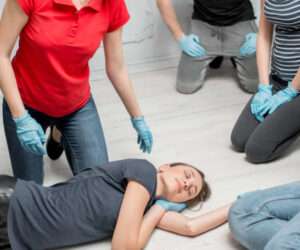
An Emergency First Aid at Work (EFAW) certificate shows that you have been trained to give basic first aid in an emergency at work. It qualifies you to act as a first aider in a low risk workplace. It gives you the skills to keep a casualty safe, give life saving help and call for professional medical care.
It does not make you a nurse, a paramedic or a doctor. You cannot diagnose illnesses or give medical treatment. Your role is to help until the professionals arrive.
What Is an EFAW Certificate?
EFAW is a one day, regulated Level 3 course of around six hours. It follows guidance from the Health and Safety Executive (HSE). You do not need any medical background to join.
Your certificate is valid for three years. After that, it expires, and you need to retake the course to stay qualified. HSE also recommends a short refresher each year so your skills stay fresh, although this is not a legal rule.
What the Certificate Qualifies You to Do
Let us start with the good news. Here is what your training prepares you for.
1. Act as a first aider in a low risk workplace
The main purpose of the certificate is to let you serve as a workplace first aider where the risks are low. Think of offices, shops, small studios, schools, cafés and similar places. Your employer can name you as a first aider as part of their first aid arrangements.
In very small, low-risk workplaces, an employer may only need an appointed person. With an EFAW certificate, you can go further than that, because you are trained to give hands-on help.
2. Take charge of an emergency scene safely
You learn how to check for danger, protect yourself and others, and decide what to do first. This sounds simple, but it is one of the most valuable skills. In a stressful moment, a calm person with a plan helps everyone.
3. Check a casualty and decide when to call 999
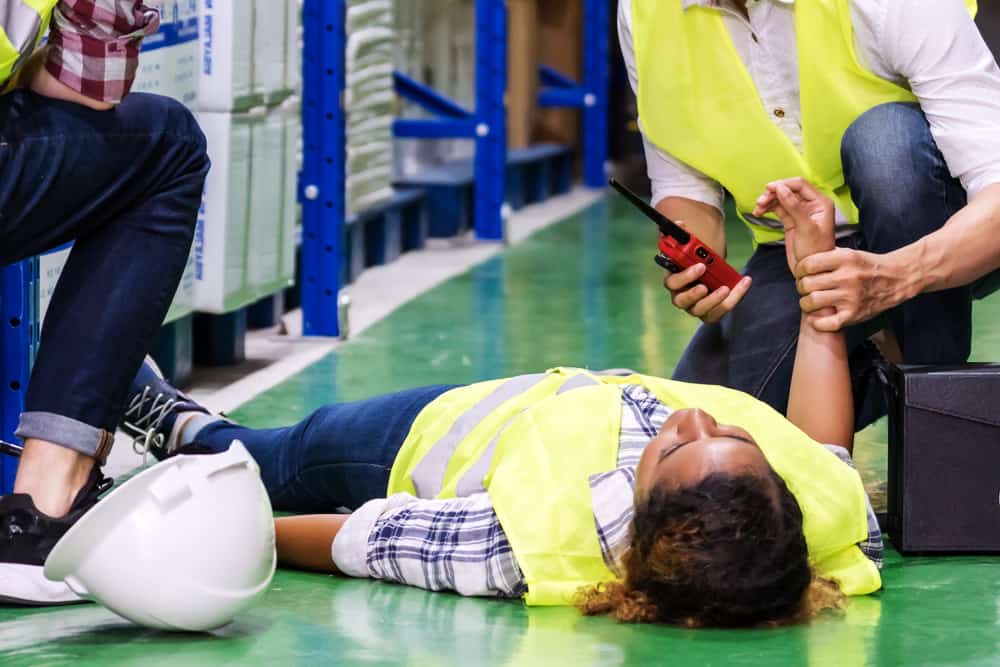
You are trained to assess a casualty step by step. You check if they respond and if they are breathing. You will also know when to call 999 or ask someone else to call while you carry on helping.
4. Give CPR to an adult
If an adult is not breathing normally, you can give chest compressions and rescue breaths. This is one of the key skills on the course. Quick CPR can help keep blood and oxygen moving until an ambulance arrives.
5. Use an automated external defibrillator (AED)
Your course teaches you how to use an AED. These machines give clear voice instructions and are made for ordinary people to use. Using one early can greatly improve the chance of survival after a cardiac arrest.
6. Place someone in the recovery position
If a person is unresponsive but breathing, you can place them in the recovery position. This helps keep their airway open and clear while you wait for help.
7. Help a choking adult
You will learn to recognise choking and use back blows and abdominal thrusts. This skill alone can be the difference between a scary moment and a tragedy.
8. Control bleeding
You can apply pressure and use dressings to control serious bleeding. You can also clean and cover minor cuts and grazes.
9. Spot and manage shock
You can recognise the signs of shock and help the casualty stay as safe and comfortable as possible until help arrives.
10. Treat minor injuries
This includes small burns and scalds, minor head bumps, cuts and grazes. You learn what you can safely treat and what needs more advanced care.
11. Record and report what happened
You will also understand why it is important to record accidents. A short, clear record of what happened and what you did helps your employer, and it helps medical staff later on.
What the Certificate Does NOT Qualify You to Do
This part matters just as much. Knowing your limits keeps you and the casualty safe.
You cannot diagnose or give medical treatment
First aid is not medicine. You can spot warning signs and give basic help, but you should not try to diagnose a condition or treat it in the way a medical professional would. Your job is to preserve life, prevent things getting worse and promote recovery until proper care arrives.
You should not give medicines
As a general rule, first aiders should not give tablets, painkillers or other medicines to a casualty. Some trained people may help a person use their own prescribed medicine, such as an inhaler. But the details depend on the situation and your training, so ask your provider what is covered and follow your employer’s rules.
You are not automatically qualified for higher-risk workplaces
EFAW suits low risk settings. If your workplace has dangerous machinery, chemicals, heavy tools or other serious hazards, your employer will probably need first aiders with the full three day First Aid at Work (FAW) qualification. An EFAW certificate may still be useful there for extra cover, but it may not be enough on its own.
It does not replace paediatric first aid
If you work in an early years setting, such as a nursery, you must meet specific rules that call for paediatric first aid training. EFAW is not designed for that purpose. Its main focus is on adults, although some providers may include extra information on children. Always check the course outline.
It does not make you a specialist in other fields
There are other special courses for other needs. For example:
- Mental health first aid covers supporting someone with a mental health problem.
- Outdoor or remote first aid covers help in places where an ambulance may take a long time to arrive.
- Sports first aid covers injuries common in sport.
- Advanced first aid or medical roles cover treatment beyond basic emergency help.
EFAW is a strong foundation, but it does not cover these areas.
It does not qualify you to teach first aid
Holding a first aid certificate does not mean you can train others. Teaching first aid needs a separate trainer qualification and assessment.
Quick Comparison: Can Do and Cannot Do
You can:
- Act as a first aider in a low risk workplace.
- Give CPR and use an AED on an adult.
- Help a choking adult.
- Control bleeding and treat minor injuries.
- Place an unresponsive, breathing person in the recovery position.
- Call for help and stay with the casualty.
You cannot:
- Diagnose conditions or give medical treatment.
- Routinely give medicines.
- Replace full first aid cover in a high risk workplace.
- Meet early years paediatric first aid rules on its own.
- Teach first aid to others.
Are You Legally Protected When You Help?
Many people worry about getting into trouble if they try to help and things go badly. It is a natural fear, so here is a balanced view.
In England and Wales, the law looks kindly on people who act sensibly and in good faith to help others. The Social Action, Responsibility and Heroism Act 2015 says courts must consider whether someone was acting for the benefit of society or helping someone in difficulty when they decide if a person was negligent. In simple terms, trying to help in an emergency, in a reasonable way, is viewed positively.
If you are acting as a first aider as part of your job, your employer also has duties. Employers should make sure that their insurance covers their first aiders. If you are worried, ask your employer to confirm this in writing.
This is general information and not legal advice. If you have a specific concern, speak to a qualified legal adviser.
How Does the Certificate Help Your Employer?
The Health and Safety (First-Aid) Regulations 1981 say that employers must provide adequate and appropriate first aid for their employees. Trained people are a big part of that. Your certificate gives your employer evidence that they have met part of their duty.
A needs assessment helps employers decide how many first aiders they need and which course suits their workplace. As a simple rule for low-risk workplaces:
- Fewer than 25 employees: at least one appointed person.
- 25 to 50 employees: at least one trained first aider.
- More than 50 employees: at least one first aider for every 50 people.
Higher-risk workplaces need more.
Do You Have to Be a First Aider After Passing?
Not necessarily. Your certificate proves that you are trained. But in a workplace, being a first aider is a role that your employer gives you. Most people agree to it, and your employer should support you with time for training, a stocked first aid kit and clear rules.
If you do not feel ready to take on the role, speak to your manager. Taking a refresher course can also boost your confidence.
Can You Use Your Skills Outside Work?
Yes. The skills you learn do not stay at the office door. You can use them at home, on the street, at the gym, on public transport or at a family barbecue. The certificate shows your training, but the knowledge belongs to you.
Just remember that outside work you are acting as a helpful member of the public, so keep to the same principles. Stay safe, call 999 when needed, help within your skills and stay with the casualty until help arrives.
How Long Do Your Skills Stay Sharp?
Your certificate lasts three years, but skills can fade much sooner. Studies and training experts often note that people forget CPR steps within months if they do not practise. That is why HSE suggests a yearly refresher.
Here are easy ways to keep your skills strong:
- Take a short annual refresher course.
- Practise the recovery position with a friend.
- Learn where the nearest AED is at work.
- Re-read your course notes every few months.
- Book your three year renewal early.
Why Train in London?
London has a huge number of workplaces, from tiny start ups to global companies. It also has busy roads and crowded transport. When help is needed, trained people nearby make a real difference.
Better still, London has many training venues. You can pick a public course near you, or arrange on site training so the trainer visits your workplace. If you want to see options, visit the Emergency First Aid at Work training page.
How to Choose a Good Course
The certificate is only as good as the training behind it. Look for:
- A regulated Level 3 qualification from a recognised awarding body.
- Trainers with real emergency or medical experience.
- Plenty of hands on practice with manikins and AED trainers.
- Clear course details, including what is covered and how long it takes.
- Small classes, so you get time with the trainer.
- Helpful support before and after the course.
Final Thoughts
So, what does an Emergency First Aid at Work certificate actually qualify you to do? It qualifies you to act as a trained first aider in a low risk workplace. You can give CPR, use an AED, help someone who is choking, control bleeding, treat minor injuries and look after a casualty until professional help arrives.
It does not qualify you to diagnose, give medical treatment, cover high risk workplaces on your own, meet early years paediatric rules or teach others. Knowing these limits makes you a safer, more confident first aider.
If you are ready to gain these skills, take a look at the Emergency First Aid at Work course in London and pick a date that suits you.
Frequently Asked Questions
1. What does an Emergency First Aid at Work certificate qualify you to do?
It qualifies you to act as a first aider in a low risk workplace. You can give CPR, use a defibrillator, help a choking adult, control bleeding, treat minor injuries and manage an emergency until medical help arrives.
2. Is an EFAW certificate enough to be a workplace first aider?
In many low risk workplaces, yes. Higher risk or larger workplaces may need the three day First Aid at Work qualification. Your employer should decide this after a first aid needs assessment.
3. Can I give medicine with an EFAW certificate?
As a general rule, first aiders should not give medicines such as painkillers. You may be able to help someone use their own prescribed medicine, such as an inhaler, but follow your training and your employer’s policy.
4. Does EFAW cover children and babies?
The course mainly focuses on adults. If you work with young children, for example in a nursery, you will usually need a separate paediatric first aid qualification.
5. How long is an EFAW certificate valid?
Three years from the date of your course. HSE recommends a yearly refresher, but it is not legally required. After three years, you must retake the course.
6. Can I be sued for helping someone with first aid?
The law in England and Wales takes a favourable view of people who act sensibly and in good faith to help others. If you act as a first aider at work, your employer should also have suitable insurance. This is not legal advice, so ask a legal adviser about specific worries.
7. Do I have to be a first aider just because I have the certificate?
No. Being a workplace first aider is a role agreed with your employer. If you are not comfortable with it, discuss it with your manager.
8. Can I use my first aid skills outside work?
Yes. The knowledge is yours. You can use it at home, in the street or anywhere you need to help. Just stay safe, call 999 when needed and act within your training.
9. What is the difference between EFAW and First Aid at Work?
EFAW is a one-day course focused on emergency situations in low risk workplaces. First Aid at Work is a three day course that covers more injuries and illnesses, and it suits higher risk or larger workplaces.
10. Where can I take an Emergency First Aid at Work course in London?
You can book through a regulated training provider, either on a public course or as on site training for your team. Check that the course is a regulated Level 3 qualification with experienced trainers