Becoming a licensed door supervisor in the UK is a structured process that involves completing the required training, meeting the eligibility criteria and applying for a licence through the Security Industry Authority (SIA). For people considering a career in London’s security industry, understanding the timeline can make it easier to plan training, applications and the transition into employment.
The exact amount of time required can vary from person to person. Training duration, assessment dates, preparation, application processing and individual circumstances can all affect how quickly someone can become ready for licensed work.
This guide explains the process in practical terms, from choosing the appropriate qualification through to receiving an SIA licence and starting work.
What Is a Door Supervisor?
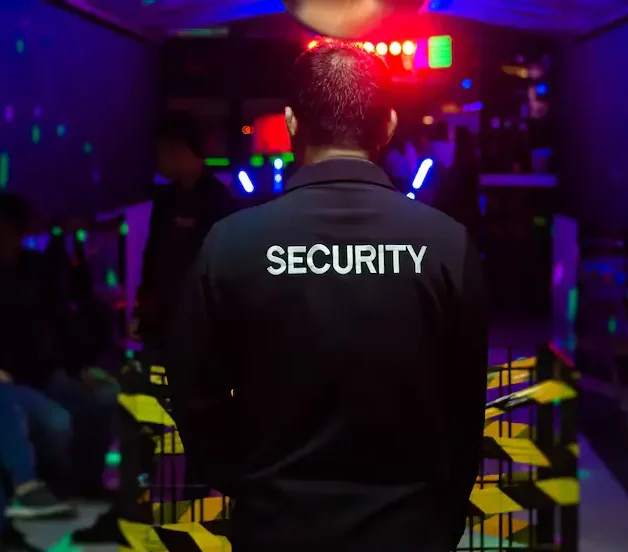
A door supervisor is a licensed private security professional who can work in environments such as pubs, clubs, bars, entertainment venues and certain events.
The role involves considerably more than checking people at an entrance. Depending on the assignment, door supervisors may be responsible for access control, monitoring behaviour, preventing unauthorised entry, dealing with incidents, supporting venue safety and communicating with members of the public.
Because the work can involve dealing with difficult or unpredictable situations, door supervisors need an appropriate licence and training before undertaking regulated duties.
For someone researching a Door Supervisor Course London, the first step is understanding that the training is part of a wider licensing process rather than the entire process by itself.
How Long Does the Training Take?
The required door supervisor qualification is generally delivered over several days rather than being a single-day course.
The exact schedule depends on the training provider, course structure, assessment arrangements and the qualification being delivered. Training may be organised across consecutive days or spread over a longer period to accommodate different learners.
The qualification covers several areas relevant to the role. These can include the responsibilities of security professionals, communication, conflict management, physical intervention and other knowledge required for licensed door supervision.
Learners should therefore consider the course as an intensive professional qualification rather than simply a short introduction to security work.
Some providers may offer weekday schedules, while others may arrange training around weekends or other working commitments. When comparing courses, it is sensible to look beyond the number of days and check what is included in the programme.
What Does the Door Supervisor Training Cover?
Door supervisor training is designed to prepare learners for the responsibilities associated with working in the licensed security sector.
The qualification includes different areas of learning because door supervisors can encounter a wide range of situations while working.
Understanding the Security Industry
Learners need to understand the role of private security and how it operates within the wider legal and regulatory framework.
This provides the foundation for understanding what a licensed security professional can and cannot do while carrying out their duties.
Working Legally and Professionally
Security personnel need to understand their responsibilities and the limits of their authority.
Training helps learners understand relevant legal principles, professional responsibilities and appropriate procedures. This is particularly important because security staff regularly interact with members of the public.
Communication and Conflict Management
Communication is an important part of door supervision.
A professional conversation can sometimes prevent a disagreement from becoming a serious incident. Door supervisors may need to refuse entry, ask someone to leave a venue or deal with complaints while maintaining a calm and professional approach.
Training therefore covers communication and conflict management as important components of the role.
Physical Intervention
Door supervisors may sometimes face situations where physical intervention becomes necessary.
The relevant training focuses on safe and appropriate procedures rather than encouraging unnecessary confrontation. Understanding when intervention may be appropriate and how to act within legal and professional boundaries is an important part of preparation.
What Happens After Completing the Course?
Finishing the training does not automatically make someone a licensed door supervisor.
After successfully completing the required qualification, an individual normally needs to apply for an SIA licence before undertaking regulated door supervision work.
The SIA is responsible for licensing individuals working in regulated private security activities across the UK.
This means the overall timeline has two major stages:
- Completing the required training and qualification.
- Applying for and receiving the appropriate SIA licence.
There can also be additional time between these stages depending on how quickly the qualification is processed and how long the licensing application takes.
How Long Does the SIA Application Take?
There is no single guaranteed processing time that applies to every applicant.
The SIA needs to carry out checks as part of the licensing process. These can include identity checks, criminal record checks and other eligibility checks.
Applications can therefore take different amounts of time depending on the individual’s circumstances and whether the required information is available.
Applicants should make sure that the information submitted to the SIA is accurate and complete. Missing information or issues with documentation can create delays.
The best approach is to allow additional time rather than assuming that a licence will arrive immediately after completing training.
What Checks Are Involved?
The licensing process is designed to assess whether an applicant meets the requirements for an SIA licence.
Applicants need to provide appropriate identification and information for the licensing checks. The SIA may also assess criminal record information as part of the process.
Having a previous conviction does not necessarily mean that someone can never obtain an SIA licence. The circumstances and nature of the offence can matter, and the SIA has specific rules for assessing criminal records.
Applicants should therefore avoid relying on assumptions or informal advice. Where there is uncertainty, the current SIA guidance should be checked directly.
Can You Start Working Immediately After the Course?
Completing the training qualification and being legally able to work as a door supervisor are two different stages.
In general, a person undertaking licensable door supervision duties needs the appropriate SIA licence. Completing a training course alone should not be treated as permission to carry out regulated work.
This distinction is important for new entrants because it prevents confusion about when they are actually authorised to work.
Someone can complete their course, receive confirmation of their qualification and then have to wait while their licence application is processed.
During this period, it may be useful to prepare for employment by updating a CV, researching security companies, preparing for interviews and learning more about the types of assignments available.
Planning the Timeline From Start to Finish
A realistic plan should include more than just the classroom training.
A typical journey can be viewed in stages:
Stage One: Research
Before booking a course, research the current SIA requirements and identify the appropriate qualification.
This stage may take only a few days, but it is important because choosing the wrong course can result in unnecessary expense and delay.
Stage Two: Course Booking
Once the appropriate qualification has been identified, the learner can choose a training provider and available course dates.
When comparing providers, consider location, timetable, qualification details, assessment arrangements and the provider’s reputation.
Stage Three: Training
The learner completes the required training and assessments.
The duration depends on the course structure, but it is normally several days rather than a single session.
Stage Four: Qualification
After successfully completing the required assessments, the learner receives confirmation of the qualification.
The timing for receiving results or certification can depend on the training and awarding arrangements.
Stage Five: SIA Application
The next stage is submitting the licence application to the SIA and providing the necessary information.
The SIA then carries out the relevant checks.
Stage Six: Licence
Once the application has been successfully processed and the applicant meets the requirements, the SIA licence can be issued.
At this point, the individual can pursue regulated door supervision work within the conditions of their licence.
Can the Process Be Faster?
There is no reliable way to guarantee that the complete process will take a particular number of days.
However, applicants can reduce avoidable delays by preparing properly.
Before starting the application process, make sure personal details are accurate and that required identification documents are available. Follow the instructions provided by the SIA and respond promptly if additional information is requested.
Course planning can also make a difference. If someone chooses a course with dates several weeks in the future, the waiting period before training naturally becomes part of the overall timeline.
Similarly, someone who completes training but waits before submitting their licence application will take longer to become fully ready for licensed employment.
Good preparation does not eliminate official processing times, but it can prevent unnecessary delays.
Is London Different?
The basic SIA licensing process applies across the UK, so living or working in London does not create a separate SIA licence category.
However, London’s security industry is large and diverse, meaning there can be many different types of employment opportunities.
A new door supervisor may encounter opportunities in hospitality, entertainment, events, retail environments or other locations requiring licensed security personnel.
The high level of activity in London’s hospitality and entertainment sectors also means that applicants may encounter different shift patterns. Evening, night-time and weekend work can be common in some door supervision assignments.
For this reason, people considering training should think about whether the working pattern suits their personal circumstances.
What Skills Should a New Door Supervisor Develop?
Training provides the required foundation, but successful security professionals continue developing their skills after qualification.
Communication
Being able to communicate clearly and respectfully is useful in almost every security environment.
Observation
Good observation can help identify potential problems before they become serious incidents.
Professionalism
Security personnel represent their employer and, in many cases, the venue or client they are protecting. Reliability and professional conduct can therefore affect future employment opportunities.
Decision-Making
Door supervisors regularly need to assess situations and decide how to respond appropriately.
Teamwork
Security operations often involve several members of staff working together. Clear communication between colleagues can be essential during busy periods or incidents.
Incident Reporting
Accurate records can help employers understand what happened during an incident and may be important for subsequent investigations.
Does Previous Experience Reduce the Training Time?
Previous security experience can be useful, but it does not automatically remove the requirement to complete the relevant SIA licence-linked qualification.
Someone who has worked in another security environment may already have experience with customer service, access control, incident reporting or communication. These skills can make certain parts of training easier to understand.
However, applicants should always check the current qualification requirements that apply to their particular circumstances.
The SIA determines the licensing framework, so previous informal experience should not be assumed to replace a required qualification.
What About First Aid Training?
First aid is an important consideration for people entering security.
Security professionals can work in environments where injuries, illness or emergencies may occur. Understanding how to respond appropriately until professional medical assistance arrives can therefore be valuable.
Current SIA requirements should always be checked because first aid requirements can apply to training and refresher processes.
For example, the SIA has introduced specific requirements concerning first aid qualifications in relation to refresher training for door supervisors and security guards.
Because regulations can change, applicants should confirm the latest requirements before booking training.
What Happens After Becoming Licensed?
Receiving an SIA licence is the beginning of a security career rather than the end of the learning process.
New door supervisors can look for employment with security companies, venues, event security providers and other organisations requiring licensed personnel.
Some people may work part-time while gaining experience, while others may pursue security as a full-time career.
Experience can also help individuals decide whether they want to specialise in another part of the industry later.
For example, someone may eventually become interested in close protection, security management, event security or other specialist areas. Additional qualifications and licensing requirements may apply depending on the career path.
How Should You Choose a Training Provider?
Choosing a course should not be based solely on price.
A learner should confirm that the course provides the qualification required for the intended SIA licence and that the provider has appropriate arrangements for training and assessment.
Other practical considerations include:
- Course location
- Available dates
- Daily timetable
- Assessment arrangements
- Trainer experience
- Learner support
- Qualification information
- What is included in the advertised price
For someone based in London, location can also influence the practical commitment involved. A course that is easy to reach by public transport may be more convenient than one requiring a long commute.
Common Mistakes That Can Delay New Applicants
People entering the industry sometimes focus heavily on the training dates and overlook the rest of the process.
One common mistake is assuming that completing the course automatically provides an SIA licence.
Another is failing to check the current licensing requirements before booking training.
Applicants may also underestimate the importance of providing accurate information during the licence application.
Planning ahead can make the process much smoother. It is better to understand the complete journey before committing to a course than to discover additional requirements later.
So, How Long Does It Really Take?
There is no universal number of days from beginning training to becoming a licensed door supervisor.
The training itself generally takes several days, while the full journey also includes assessment, qualification processing and the SIA licensing process.
For someone who has already researched the requirements, chooses an upcoming course date and has all necessary documentation ready, the process can be relatively straightforward. Someone who delays booking training, needs to resolve documentation issues or encounters additional checks may take considerably longer.
The safest approach is to plan around the complete process rather than focusing only on classroom hours.
Final Thoughts
Becoming a licensed door supervisor in London is a structured process involving appropriate training, successful assessment and an SIA licence application. The time required depends on several factors, including course availability, assessment arrangements and the processing of the individual’s licence application.
Anyone considering this career should start by checking the latest SIA requirements and identifying the correct licence-linked qualification. From there, choosing a suitable training provider and preparing the required information can help avoid unnecessary delays.
For prospective security professionals, the goal should not simply be to obtain a licence as quickly as possible. Understanding the responsibilities of the role, developing professional skills and preparing properly for real working environments are equally important.
A well-planned approach can make the transition from training to licensed employment much clearer and help new entrants begin their security careers with realistic expectations.