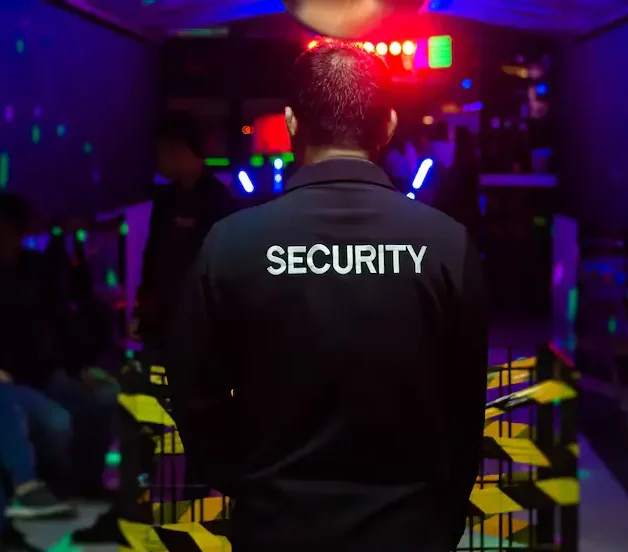

Starting security training for the first time can feel unfamiliar, especially if you have never worked in the private security industry before. If you are considering a career as a door supervisor in London, proper preparation can make the learning process much easier.
A London Door Supervisor Training course is designed to introduce learners to the knowledge and practical skills needed for relevant security work. For beginners, understanding what to expect before starting can help you feel more prepared and confident.
Whether you are changing careers, looking for your first security job or interested in flexible work, this guide provides practical advice for first-time learners.
Understand What Door Supervisor Training Is
Before enrolling, take some time to understand what the training is designed to achieve.
Door supervisor training prepares learners for responsibilities associated with professional security work. Depending on the current requirements, training can cover areas such as:
- Security responsibilities
- Relevant legislation
- Communication
- Conflict management
- Customer service
- Searching procedures
- Emergency procedures
- Physical intervention
The course is not simply about learning how to deal with difficult people.
Professional door supervision involves communication, observation, judgement, teamwork and responsibility.
Check the Current SIA Requirements
The Security Industry Authority, commonly known as the SIA, regulates the private security industry in the UK.
Door supervision is a licensable security activity.
Before choosing a course, check the latest SIA requirements and make sure the training route you select is appropriate for the licence you intend to apply for.
Requirements can change, so relying on old information from social media or outdated websites can create confusion.
Use current official guidance when making important decisions about your training and licence application.
Choose a Suitable Training Provider
First-time learners should not choose a course based only on price.
Consider the overall quality and suitability of the training.
Look at:
- Course content
- Training location
- Practical training
- Assessment arrangements
- Trainer experience
- Course schedule
- Learner support
- Current SIA requirements
A convenient location is useful, but good training should remain the priority.
Ask Questions Before Booking
If you are unsure about anything, ask the training provider before booking.
You may want to clarify:
- Course dates
- Daily timetable
- Qualification requirements
- Assessment arrangements
- What you need to bring
- Payment arrangements
- Training location
- Practical elements
Getting clear answers beforehand can make the experience less stressful.
Prepare Before Your First Day
You do not need to know everything before starting.
That is what training is for.
However, basic preparation can help.
Make sure you know:
- Where the training centre is
- When you need to arrive
- What identification is required
- What documents you need
- What clothing is appropriate
- How long the course is expected to take
Plan your journey in advance, particularly if you are travelling across London.
Arrive on Time
Punctuality matters from the first day.
Try to arrive early rather than rushing in at the last minute.
London travel can involve delays, changes and busy transport routes.
Check your journey before leaving and allow extra time.
Arriving early also gives you time to find the correct classroom and prepare yourself.
Bring the Required Materials
Your training provider should tell you what you need to bring.
Follow their instructions carefully.
Depending on the course, you may need identification, stationery or other specified items.
Avoid bringing unnecessary equipment.
If you are unsure, ask the provider before your first day.
Take Classroom Learning Seriously
First-time learners sometimes assume that practical training is more important than classroom learning.
Both are important.
You may learn about legislation, security responsibilities and professional conduct.
Try to understand the reasons behind the rules rather than simply memorising information.
Taking notes can help you remember important concepts.
Ask Questions
Do not be embarrassed about asking questions.
If you do not understand a topic, ask the trainer to explain it again.
Other learners may have the same question.
Good trainers should be able to explain complicated subjects in a way that beginners can understand.
Asking questions can also help you become more confident.
Pay Attention to Legal Responsibilities
Door supervisors have responsibilities and must work within appropriate legal boundaries.
Training can introduce you to relevant legislation and explain the limits of your role.
This is an important area for beginners.
Do not assume that working in security gives you unlimited authority.
Understanding your responsibilities can help you make better decisions in the workplace.
Take Communication Training Seriously
Communication is one of the most valuable skills you can develop.
Door supervisors regularly interact with customers, colleagues, managers and other professionals.
You may need to explain a venue rule or refuse entry.
How you communicate can influence how a situation develops.
Practise speaking clearly, listening carefully and remaining respectful.
Learn Conflict Management
Conflict management is another important area.
A customer may become frustrated because they cannot enter a venue or disagree with a security decision.
Professional conflict management focuses on preventing unnecessary escalation.
You should learn how to remain calm, communicate effectively and follow appropriate procedures.
Do Not Be Afraid of Practical Training
Some beginners feel nervous about practical exercises.
This is completely normal.
Practical sessions are designed to help you learn.
Listen carefully to your trainer and follow instructions.
Do not worry about being perfect immediately.
Use the exercises as an opportunity to build confidence.
Understand Physical Intervention Training
Physical intervention can be part of recognised door supervisor training.
It is important to understand that professional security is not about proving physical strength.
Training focuses on appropriate techniques and safety.
You should understand when intervention may be appropriate and the importance of working within your training and applicable requirements.
Prevention and communication are also essential parts of professional security work.
Work With Other Learners
Training provides an opportunity to practise working with different people.
You may complete exercises with other learners.
Treat everyone respectfully.
Listen to instructions.
Work cooperatively.
Teamwork is an important part of professional security, so developing this habit during training can be useful later.
Improve Your Confidence
You do not need to be naturally confident to become a good door supervisor.
Confidence can develop through knowledge and experience.
The more you understand your responsibilities, the more comfortable you may become.
Use training exercises to practise communication and decision-making.
Do not worry if you feel nervous during your first few sessions.
Learn From Your Trainer
Your trainer can provide useful practical advice.
Pay attention to examples and scenarios.
If the trainer explains a common workplace situation, think about how you would respond.
Try to connect classroom information with realistic security work.
This can make your learning more useful when you eventually start working.
Prepare for Assessments
Your training may include assessments.
Do not leave preparation until the last minute.
Review your notes regularly.
Pay attention during lessons.
Ask questions about topics you find difficult.
Understanding the material is more useful than simply trying to memorise answers.
Manage Your Time
Training can require concentration for several hours.
Make sure you arrive rested and prepared.
If you are completing an intensive course, organise your personal schedule around the training.
Avoid unnecessary distractions.
Give yourself enough time to study and prepare for assessments.
Look After Your General Fitness
Some aspects of door supervisor training can involve practical activity.
General fitness can therefore be helpful.
You do not need to become an athlete.
Focus on maintaining reasonable fitness and being comfortable standing and moving for extended periods.
Remember that communication and judgement are just as important as physical ability.
Understand That Training Is Only the Beginning
Completing a course is an important achievement, but it is not the end of your development.
Training gives you a foundation.
Practical experience helps you apply what you have learned.
Once you begin working, you will encounter different customers, venues and situations.
Each experience can help you develop professionally.
Prepare for the SIA Licence Process
After completing the appropriate training, you may need to apply for the relevant SIA licence.
Make sure you understand the current application requirements.
Keep your qualification information organised.
Provide accurate information.
Do not assume that completing your course means you can immediately start licensable work.
Check your licensing position before accepting relevant employment.
Start Thinking About Employment
You can begin thinking about employment as your training progresses.
Consider which environments interest you.
You might prefer:
- Nightclubs
- Pubs
- Bars
- Hotels
- Events
- Concerts
- Festivals
- Sporting venues
Different environments provide different experiences.
Prepare Your CV
If you have no previous security experience, you can still create a strong CV.
Focus on transferable skills.
Customer service experience can demonstrate communication.
Retail experience can show that you can work with members of the public.
Previous team-based work can demonstrate reliability and cooperation.
Include your relevant training and licence information when appropriate.
Understand the London Job Market
London offers many different security environments.
However, competition can exist for desirable positions.
Do not expect to find your perfect job immediately.
Your first role can be an opportunity to gain practical experience.
As your experience grows, you may become more competitive for other opportunities.
Develop Customer Service Skills
Security and customer service often go together.
A door supervisor may be the first person a customer interacts with at a venue.
You need to enforce rules while remaining respectful.
Being professional does not mean allowing people to ignore venue requirements.
It means communicating firmly without unnecessary aggression.
Develop Observation Skills
Good observation can help you become a stronger security professional.
Learn to pay attention to what is happening around you.
Notice changes in customer behaviour, queues and your assigned area.
Avoid distractions.
Stay focused on your responsibilities.
Learn to Work Under Pressure
Security work can sometimes become stressful.
You may have to deal with several issues at once.
Training can introduce you to scenarios that help develop your decision-making.
Focus on staying calm.
Assess the situation.
Communicate with your team.
Follow procedures.
Be Open to Feedback
One of the best ways to improve is to accept constructive feedback.
Your trainer may identify areas where you need improvement.
Do not take this personally.
Use feedback to improve.
The same principle applies once you start working.
Experienced supervisors can provide useful advice about your performance.
Avoid Common Beginner Mistakes
First-time learners should avoid several common mistakes.
These include:
- Arriving late
- Not paying attention
- Being afraid to ask questions
- Ignoring trainer instructions
- Treating the course casually
- Failing to prepare for assessments
- Assuming physical strength is everything
- Not taking communication seriously
A professional attitude during training can help prepare you for professional work.
Think About Your Long-Term Career
Door supervision can be a starting point rather than the end of your career.
With experience and suitable additional training, you may eventually explore:
- Event security
- Venue security
- Security supervision
- Corporate security
- Security management
- Specialist security roles
Think about your long-term goals as you gain experience.
Build Professional Habits Early
Good habits developed during training can continue into employment.
Arrive on time.
Listen carefully.
Stay organised.
Communicate respectfully.
Take responsibility.
Keep learning.
These habits can help you develop a strong professional reputation.
What to Expect After Training
Once you complete your training and meet the relevant licensing requirements, you can begin looking for suitable employment.
Your first job may involve working at a nightclub, pub, bar, hotel or event.
Do not be discouraged if your first position is not your ideal role.
Focus on gaining experience.
Learn how venues operate.
Develop your skills.
Build a positive reputation.
Making the Most of Your First Security Job
Your first job is a valuable learning opportunity.
Observe experienced colleagues.
Ask appropriate questions.
Follow instructions.
Take feedback seriously.
Learn the venue’s procedures.
Every shift can help improve your confidence and professional judgement.
Final Thoughts
Starting London Door Supervisor Training for the first time can feel challenging, but good preparation can make the experience much easier.
Choose appropriate training, understand the current SIA requirements, arrive prepared and take both classroom and practical learning seriously.
Develop communication, observation, teamwork and conflict-management skills rather than focusing only on physical aspects of security.
After training, prepare your CV, understand the licensing process and begin looking for suitable opportunities.
Most importantly, remember that training is the beginning of your security career, not the end. Continue learning, accept feedback and build professional habits from your first day.
With the right preparation and attitude, first-time learners can develop the foundation needed to move confidently towards a career in London’s private security industry.
Frequently Asked Questions
Is door supervisor training suitable for beginners?
Yes. Appropriate door supervisor training is designed to prepare learners for the responsibilities of professional security work, including people with no previous security experience.
What should I know before starting door supervisor training?
Understand the role, check the current SIA requirements, confirm the course details, plan your journey and prepare any documents requested by the training provider.
Do I need an SIA licence to work as a door supervisor?
Relevant door supervision is a licensable security activity, so you generally need the appropriate SIA licence before carrying out the work.
What will I learn during the course?
Depending on current requirements, training can cover security responsibilities, legislation, communication, conflict management, customer service, searching procedures, emergency procedures and physical intervention.
Is door supervisor training difficult?
The course requires concentration and preparation, but beginners can successfully complete it by attending lessons, asking questions and preparing properly for assessments.
Is physical fitness important?
General fitness can be useful, particularly for practical training and long shifts, but communication, observation, judgement and professionalism are also essential.
Can I work immediately after completing training?
Completing training does not automatically allow you to carry out licensable security work. You need to understand and complete the relevant SIA licensing requirements first.
Where can a trained door supervisor work in London?
Potential environments include nightclubs, pubs, bars, hotels, concerts, festivals, sporting events and private functions.
How can I prepare for my first security job?
Complete the appropriate training, understand your licensing requirements, prepare a professional CV, develop communication skills and learn as much as possible from your training.
Can door supervision lead to other security careers?
Yes. With experience and suitable additional qualifications, you may progress towards event security, supervisory work, corporate security, security management or other specialist security roles.