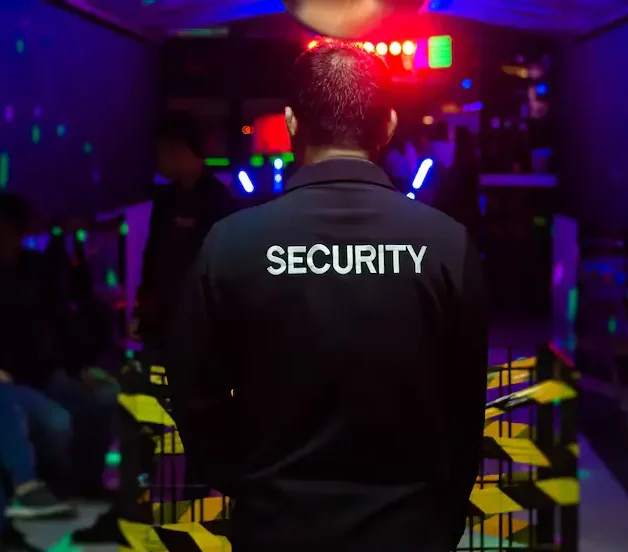
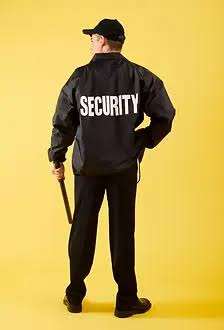
A Door Supervisor Course in London is designed to prepare learners for the responsibilities of working in the private security industry. While many people think door supervision is simply about checking IDs and standing at the entrance of a venue, the role requires a much wider range of knowledge and practical skills.
A professional Door Supervisor needs to communicate effectively, manage difficult situations, understand legal responsibilities, recognise risks and respond appropriately to emergencies. Training helps learners develop these abilities before they begin working in licensed venues, events and other security environments.
If you are considering a security career in London, understanding the skills you can develop through a Door Supervisor Course can help you decide whether this career path is suitable for you.
Communication Skills
Strong communication is one of the most important skills you will develop during Door Supervisor training.
Door Supervisors regularly communicate with customers, colleagues, managers and emergency services. You may need to explain venue rules, provide instructions, answer questions or deal with someone who is unhappy about being refused entry.
Training can help you communicate clearly and professionally while remaining calm.
Good communication also involves listening. Understanding what another person is saying can sometimes prevent a disagreement from becoming a serious incident.
Conflict Management
Conflict management is a major part of Door Supervisor training.
Security professionals can encounter disagreements, aggressive behaviour or challenging customers. Your response can have a significant effect on what happens next.
During training, you can learn how to:
- Identify early signs of conflict
- Communicate calmly
- Use appropriate body language
- Listen to concerns
- Reduce tension
- Maintain professional boundaries
- Seek assistance when necessary
The objective is not to argue with people. A professional Door Supervisor should aim to resolve situations safely and prevent unnecessary escalation.
De-Escalation Skills
De-escalation is closely connected to conflict management.
A situation that appears minor can become serious if handled incorrectly. Training helps learners understand how communication and professional behaviour can be used to reduce tension.
You may learn how tone of voice, distance, positioning, listening and clear explanations can influence a situation.
These skills are useful not only for security work but also for dealing with customers professionally.
Understanding Security Law
A Door Supervisor needs to understand the legal boundaries of the job.
Training introduces learners to relevant legal responsibilities and explains how the law applies to security work.
This can include subjects such as:
- Legal powers and limitations
- Entry and refusal of entry
- Searching procedures
- Detention
- Use of reasonable force
- Licensing requirements
- Security responsibilities
- Professional conduct
Understanding the difference between what you are legally allowed to do and what you are not allowed to do is essential.
Searching Skills
Door Supervisors may be required to conduct searches as part of venue security procedures.
Training can help you understand how searches should be carried out professionally, safely and in accordance with relevant procedures.
You may learn about:
- Search policies
- Prohibited items
- Consent
- Professional conduct
- Customer communication
- Recording and reporting concerns
Searches should always be handled respectfully and according to the rules of the workplace.
Observation and Awareness
A good Door Supervisor needs to notice what is happening around them.
Observation skills can help you identify unusual behaviour, potential risks, overcrowding, arguments or other situations that could affect safety.
Training encourages learners to develop greater awareness of their surroundings.
Instead of focusing only on the person directly in front of you, you learn to consider the wider environment.
This can be particularly important in busy London venues where large numbers of people may be entering, leaving and moving around at the same time.
Risk Assessment
Risk awareness is another valuable skill.
Door Supervisors may encounter different hazards depending on the venue. These can include overcrowding, aggressive behaviour, blocked exits, accidents or emergencies.
Training can help you recognise potential risks and understand how they should be reported or managed.
Being able to identify a problem early can help prevent a more serious incident.
Physical Intervention Skills
A Door Supervisor Course also includes practical training relating to physical intervention.
This is an important responsibility and should never be treated as a test of strength.
Learners are taught approved techniques and procedures designed to help manage physical situations safely.
Training focuses on responsible intervention, appropriate decision-making and reducing the risk of injury.
You should always follow your trainer’s instructions during practical sessions and understand that physical intervention is not automatically the first response to difficult behaviour.
Professional Use of Force
Understanding when and how force may legally and appropriately be used is an important part of security work.
Training can help learners understand the principles surrounding reasonable force and the responsibilities that come with intervention.
The aim is to manage situations safely and proportionately rather than using unnecessary force.
This knowledge can help Door Supervisors make better decisions under pressure.
Emergency Response Skills
Emergencies can happen in any venue.
A Door Supervisor may be among the first people to notice that something is wrong. Training can help you understand how to respond appropriately and support emergency procedures.
Depending on the situation, this may involve:
- Raising the alarm
- Communicating with colleagues
- Supporting evacuation procedures
- Keeping access routes clear
- Contacting emergency services
- Helping maintain order
- Following the venue’s emergency plan
Remaining calm during an emergency is an important professional skill.
First Aid Awareness
First aid is an important requirement connected with Door Supervisor training.
The SIA requires an appropriate first aid qualification before learners undertake the training required for a Door Supervisor licence. The exact requirements should always be checked against current SIA guidance before booking a course.
First aid knowledge can be valuable when working in busy environments where accidents or injuries may occur.
Crowd Management
London has a large number of busy entertainment venues, events and licensed premises.
Crowd management skills can therefore be particularly useful for Door Supervisors.
You may learn how to recognise crowd-related risks, monitor movement and support venue safety procedures.
Effective crowd management requires awareness, communication and teamwork. It is not simply about controlling people; it is about helping maintain a safe environment.
Entry Control
Controlling access is one of the responsibilities commonly associated with door supervision.
Training can help you understand how to check people entering a venue according to its policies and legal requirements.
This may involve checking identification, applying entry policies, identifying prohibited items and dealing professionally with people who cannot be admitted.
The ability to remain polite while enforcing rules is especially important.
Customer Service Skills
Although Door Supervisors work in security, customer service is often an important part of the job.
People entering a venue may ask questions about queues, entry requirements, opening times or venue rules.
A professional Door Supervisor should be able to provide helpful information while maintaining security responsibilities.
Good customer service can improve the experience of legitimate customers and create a more professional impression of the venue.
Teamwork
Door Supervisors rarely work completely alone.
You may work alongside other security professionals, venue managers, bar staff, event organisers or emergency services.
Training helps you understand the importance of communication and teamwork.
For example, if one Door Supervisor notices a problem inside a venue, they may need to communicate the situation to colleagues quickly.
Good teamwork can help security teams respond more effectively.
Report Writing
Incident reporting is another useful skill.
After an incident, security staff may need to record what happened. Reports should be clear, factual and professional.
A good report should focus on relevant information rather than personal opinions or emotional language.
Developing basic report-writing skills can help you communicate important information to supervisors and employers.
Decision-Making Under Pressure
Security situations do not always give you plenty of time to think.
A Door Supervisor may need to make decisions quickly while remaining calm.
Training helps you understand how to assess situations and choose an appropriate response.
The ability to think clearly under pressure can become increasingly valuable as you gain real-world experience.
Professionalism and Responsibility
A Door Supervisor represents both the security company and the venue where they work.
Professional behaviour is therefore extremely important.
Training encourages learners to understand the importance of:
- Reliability
- Punctuality
- Respect
- Honesty
- Appropriate communication
- Following procedures
- Maintaining confidentiality
- Taking responsibility
Employers are more likely to value security professionals who can be trusted to behave responsibly.
Dealing With Difficult Customers
Security work can involve dealing with people who disagree with your decisions.
Someone may become frustrated because they cannot enter a venue, have been asked to leave or are required to follow a security procedure.
Your training can help you deal with these situations without taking the behaviour personally.
Remaining calm and professional can prevent unnecessary conflict.
Situational Awareness
Situational awareness means understanding what is happening around you and recognising how circumstances may change.
For a Door Supervisor, this can involve observing people, entrances, exits, queues, crowd movement and potential hazards.
Strong situational awareness allows you to identify developing problems before they become major incidents.
It is a skill that can improve through training and practical experience.
Confidence and Professional Presence
Confidence is useful for Door Supervisors, but it should not be confused with aggression.
A professional security worker needs to appear calm, confident and approachable.
People should understand that you are there to enforce safety and venue procedures, while also feeling that they can communicate with you when they need assistance.
Training and experience can gradually improve this professional presence.
Why These Skills Matter in London
London has a large and diverse private security sector. Door Supervisors can potentially work in different environments, including nightclubs, pubs, bars, entertainment venues, events and licensed premises.
Every workplace can have different procedures and challenges.
The skills developed during a Door Supervisor Course can give new security professionals a foundation for handling these situations responsibly.
However, training is only the beginning. Real workplace experience, continued learning and professional development can help you become more effective over time.
How to Make the Most of Your Training
You can get more value from your course by taking an active approach to learning.
Listen carefully to your trainer and participate in practical exercises. Ask questions whenever you are unsure about something.
Take useful notes and review difficult subjects regularly.
You should also treat practical training seriously. The techniques and procedures you learn are intended to prepare you for real responsibilities, so it is important to understand why each skill matters rather than simply trying to memorise it.
Frequently Asked Questions
What skills do you learn on a Door Supervisor Course?
You can develop skills including communication, conflict management, de-escalation, observation, risk awareness, searching procedures, emergency response, teamwork, report writing and physical intervention.
Is physical training included in a Door Supervisor Course?
Yes. Door Supervisor training includes practical physical intervention training as part of the licence-linked qualification requirements.
Do Door Supervisors need good communication skills?
Yes. Communication is essential because Door Supervisors regularly interact with customers, colleagues, managers and emergency services.
Do I need to be physically strong to become a Door Supervisor?
Being physically fit can be helpful, but professional Door Supervision is not simply about strength. Training focuses on approved techniques, communication, decision-making and responsible security practices.
Will I learn how to deal with aggressive customers?
Conflict management and de-escalation are important parts of Door Supervisor training. Learners are taught approaches for managing challenging situations professionally.
Is customer service important for Door Supervisors?
Yes. Door Supervisors often interact with customers, so being polite, professional and helpful while enforcing security procedures is valuable.
Will the course teach me about security law?
Yes. Understanding relevant legal responsibilities and limitations is an important part of Door Supervisor training.
Do Door Supervisors learn first aid?
First aid is a requirement connected with the training process, and learners need an appropriate first aid qualification before undertaking the required Door Supervisor training.
Can these skills help me get a security job in London?
Yes. Skills such as communication, conflict management, teamwork, observation and professionalism can make you a stronger candidate for security positions. You will still need to meet the relevant SIA licensing requirements for licensed Door Supervisor work.
Is a Door Supervisor Course useful for beginners?
Yes. The training is designed to provide learners with the knowledge and skills required for the role, making it suitable for people who are starting a career in private security.
Conclusion
A Door Supervisor Course in London teaches much more than entrance control. You can develop communication, conflict management, observation, risk awareness, emergency response, teamwork, report writing and physical intervention skills.
These abilities can help you approach security work with greater confidence and professionalism.
If you are planning to start a career as a Door Supervisor, take your training seriously and focus on understanding the reasons behind the procedures you learn. The stronger your foundation, the better prepared you can be for the responsibilities of working in London’s private security industry.