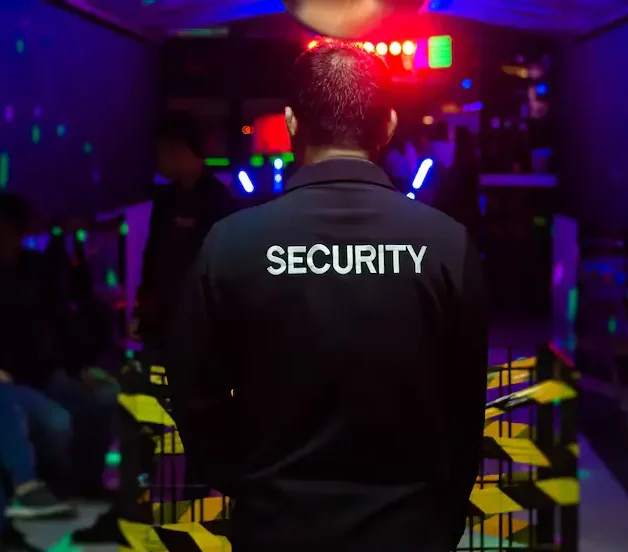

Starting a career in private security can be a good option for people who enjoy working with the public, staying alert and taking responsibility. If you want to work as a door supervisor in London, completing the correct Door Supervisor Course is one of the first steps.
A door supervisor needs an SIA front-line licence before carrying out licensable door supervision work. To apply for the licence for the first time, you must first complete a recognised licence-linked qualification. The SIA says the qualification must have been obtained within the previous three years when you make a first application.
This guide explains the main training requirements for new Door Supervisor applicants in London, what you need before starting your course and what happens after you qualify.
What Is a Door Supervisor Course?
A Door Supervisor Course is specialist security training designed for people who want to work in environments such as pubs, bars, nightclubs, hotels, events and other venues where door supervision activities are carried out.
The course provides knowledge and practical skills covering areas such as security responsibilities, relevant law, conflict management, physical intervention and safety.
The SIA does not deliver these courses itself. Training is provided by private training organisations that are approved by the relevant awarding organisations.
Do New Applicants Need an SIA Qualification?
Yes.
If you are applying for an SIA Door Supervisor licence for the first time, you need a current, full licence-linked Door Supervisor qualification.
The SIA currently lists the Level 2 Award for Working as a Door Supervisor in the Private Security Industry among the qualifications accepted for Door Supervisor licensing. The qualification can be awarded by recognised awarding organisations including Highfield Qualifications, Laser Learning Awards, NOCN, Pearson, QNUK and SFJ Awards.
Because SIA requirements can change, always check the current official list before booking your London training course.
First Aid Is Required Before Your Door Supervisor Training
One of the most important requirements for new applicants is first aid.
You must have an appropriate first aid qualification before taking the training required for the full Door Supervisor qualification. The SIA says your first aid qualification must remain valid for at least another 12 months when you take the licence-linked training.
Your training provider should check evidence of your first aid qualification before you begin the relevant SIA training.
Some providers offer first aid as part of a complete training package, while others require you to complete it separately.
Before booking, ask exactly what is included.
What Does the Door Supervisor Training Cover?
The training is designed around the responsibilities and risks associated with door supervision.
You can expect training to cover subjects such as:
- The private security industry
- Relevant law
- Health and safety
- Door supervision responsibilities
- Conflict management
- Physical intervention
- Emergency procedures
- Professional conduct
- Safe working practices
The SIA’s published requirements identify the Door Supervisor qualification as licence-linked training designed to ensure applicants have the knowledge and skills needed to work safely.
Conflict Management Training
Conflict management is an important part of door supervision.
A door supervisor may need to refuse entry, deal with an unhappy customer, manage a disagreement or ask someone to leave a venue.
Good communication can often prevent a difficult situation from becoming worse.
During training, learners are taught approaches for communicating professionally and managing conflict. The goal is to handle situations safely and appropriately rather than unnecessarily escalating them.
Physical Intervention Training
Physical intervention is another important area of Door Supervisor training.
The training covers approved techniques and safe procedures for situations where physical intervention may be necessary.
This part of the course is practical, so learners should be prepared to participate and follow the trainer’s instructions carefully.
Being a door supervisor is not simply about physical strength. Good judgement, communication and understanding your legal responsibilities are equally important.
How Long Is the Training?
Course length can depend on the qualification and delivery arrangements.
The SIA has introduced changes to the delivery of licence-linked training, including changes affecting the length of Door Supervisor and Security Guard courses. The SIA’s current guidance explains that the updated courses are longer than previous versions.
This means applicants should be careful when reading older websites or articles that advertise outdated course lengths.
Rather than choosing a course based only on how quickly it can be completed, check that the provider is offering the current qualification and meeting the latest SIA requirements.
Where Can You Take a Door Supervisor Course in London?
London has many private security training providers.
When looking for a course, use the SIA’s official training-provider search and check the qualification being offered. The SIA explains that providers are approved by awarding organisations rather than directly by the SIA.
You can compare providers based on:
- Course location
- Training dates
- Qualification
- Awarding organisation
- First aid arrangements
- Course price
- Assessment process
- Practical training
- Resit arrangements
- Learner support
Convenience is important, but the quality and validity of the qualification should come first.
Be Careful With “SIA Approved” Claims
A common mistake is assuming that a training company advertising itself as “SIA approved” has been directly approved by the SIA.
The SIA states that it does not approve or vet training providers. Training providers are approved by the awarding organisations that issue the qualifications.
If a provider uses an “SIA approved” claim, ask which awarding organisation has approved it and verify the information before paying.
This is particularly important in 2026 because the SIA has recently changed its position regarding BIIAB.
Important BIIAB Update for New Applicants
There is an important current development that new applicants should know about.
The SIA says that Ofqual instructed BIIAB to stop accepting new learners for door supervision and security guarding qualifications from 2 July 2026. The SIA also states that it is ending its endorsement of BIIAB and will not accept qualifications granted by BIIAB on or after 10 August 2026. Qualifications granted before that date remain accepted.
Because today’s date is August 2026, this is especially relevant if you are choosing a course now.
Do not book a course simply because an older website says that BIIAB is an accepted option. Check the latest SIA guidance and confirm the awarding organisation before enrolling.
Do You Need Previous Security Experience?
Generally, you do not need previous door supervision experience to start the qualification route.
The purpose of licence-linked training is to give new applicants the knowledge and skills needed for the role.
However, you should be comfortable working with people, following instructions, handling difficult conversations and remaining professional in stressful situations.
Physical fitness can also be useful because door supervisors may spend long periods standing, walking or monitoring busy venues.
What Happens After You Pass the Course?
Completing the course is not the final step.
Once you successfully achieve your licence-linked qualification, the awarding organisation notifies the SIA. The SIA must receive this notification before you can submit your front-line licence application.
You then apply for your SIA Door Supervisor licence and complete the required checks.
The SIA carries out identity and suitability checks as part of the licensing process.
Therefore, passing your course does not automatically mean that you have an SIA licence.
How Old Do You Need to Be?
You must be at least 18 years old to hold an SIA licence.
The National Careers Service also states that applicants need to pass the relevant checks and hold an SIA licence to work as a door supervisor.
If you are under 18 and interested in security as a future career, you can use the time to research training providers, understand the role and prepare for the qualification route.
What Documents Should You Prepare?
The exact documents required can depend on your circumstances and the SIA application process.
It is sensible to keep your important documents organised, including evidence of your identity, address history and training qualifications.
Your training provider will also need evidence of your first aid qualification before you begin the relevant Door Supervisor training.
Providing accurate information is important because the SIA carries out checks during the licensing process.
How Much Does Door Supervisor Training Cost?
There is no single London-wide course price.
Training providers set their own prices, and the total cost can depend on whether first aid is included, the training location, course structure and any additional services.
When comparing prices, look at the complete package.
A course that appears cheaper may require you to pay separately for first aid or other requirements. A slightly more expensive course may include more of the training you need.
Always request the full price before making payment.
What Skills Should a New Door Supervisor Develop?
A qualification gives you the required foundation, but employers also look for practical qualities.
Communication
You need to communicate clearly with customers, colleagues and venue management.
Confidence
You should be able to make decisions and explain them calmly without becoming unnecessarily confrontational.
Awareness
Security work requires you to notice changes in behaviour and identify potential problems.
Patience
Not every difficult customer needs a confrontation. Staying patient can help prevent situations from escalating.
Teamwork
Door supervisors often work alongside other security staff and venue employees, so effective communication within the team is important.
Professionalism
Punctuality, appearance, reliability and respectful behaviour can all influence your reputation with employers.
What Jobs Can You Apply For?
After obtaining the appropriate SIA licence, you can look for suitable security positions.
Door supervisors commonly work in:
- Nightclubs
- Pubs
- Bars
- Hotels
- Concerts
- Festivals
- Sporting events
- Private functions
- Other licensed premises
The National Careers Service describes door supervisors as people who help protect licensed premises against problems such as unauthorised access, theft, damage and disorderly behaviour.
Your exact duties will depend on the venue and employer.
Can a Door Supervisor Licence Help With Other Security Work?
Yes.
A Door Supervisor licence can also permit the holder to perform security guard work.
This can make the qualification attractive to people who want flexibility when searching for security jobs.
After gaining experience, you may also decide to explore other areas of the private security industry or progress towards supervisory responsibilities.
What Should You Look For in a London Course?
Before booking a Door Supervisor Course, create a simple checklist.
Make sure the provider can clearly explain:
The qualification: Confirm exactly which current licence-linked qualification you will receive.
The awarding organisation: Verify that the awarding organisation and qualification are currently accepted by the SIA.
First aid: Confirm whether your existing qualification is acceptable or whether first aid is included in the course package.
Course schedule: Check the full timetable and attendance requirements.
Assessments: Ask how and when examinations and practical assessments will take place.
Total price: Make sure there are no unexpected additional costs.
Location: Choose a London location that you can reach reliably for every session.
Avoid Outdated SIA Training Information
SIA requirements have changed over the years.
For example, new licence-linked qualifications were introduced in 2021, refresher training became a requirement for certain renewals from April 2025, and further training changes were introduced in 2026.
This is why an article published several years ago may contain information that is no longer correct.
Before making a payment, check the current SIA guidance and training-provider information.
Starting Your Security Career in London
Once you have completed the training and obtained your licence, your focus can move towards finding your first job.
Start by preparing a clear CV that highlights your qualification, SIA licence status, previous employment and relevant skills.
When applying for security roles, employers may value:
- Reliability
- Good communication
- Customer service
- Teamwork
- Professional appearance
- Flexibility
- Conflict-management skills
- A responsible attitude
Your first job is also an opportunity to gain practical experience and understand which type of security work suits you best.
Final Thoughts
The training requirements for a new Door Supervisor Course in London applicant are straightforward when you follow the correct process.
You need the appropriate first aid qualification, complete a current licence-linked Door Supervisor qualification with an approved training provider, pass the required assessments and then apply for your SIA licence.
The most important point is to use current information. The SIA’s requirements and accepted qualifications can change, and the BIIAB situation in 2026 shows why checking the latest guidance before booking is essential.
A good training provider should clearly explain the qualification, awarding organisation, course timetable, first aid requirements and total cost. Once qualified and licensed, you can begin looking for door supervision and other suitable security opportunities in London.
Frequently Asked Questions
What qualification do new Door Supervisor applicants need?
New applicants need a current full licence-linked Door Supervisor qualification accepted by the SIA. The current list includes the Level 2 Award for Working as a Door Supervisor in the Private Security Industry from recognised awarding organisations.
Do I need first aid before the Door Supervisor Course?
Yes. You must hold an appropriate first aid qualification before taking the training required for the full Door Supervisor qualification, and it must have at least 12 months remaining.
Do I need previous security experience?
No previous door supervision experience is generally required to begin the qualification route. The training is designed to prepare learners for the role.
How old must I be to become a door supervisor?
You must be at least 18 years old to hold an SIA licence.
Can I work after passing the Door Supervisor Course?
Not immediately. You need to successfully achieve the qualification and then complete the SIA licensing process before carrying out licensable door supervision work.
Does the SIA provide Door Supervisor training?
No. The SIA does not run training courses. Training is provided by approved training providers through recognised awarding organisations.
How can I find a Door Supervisor training provider in London?
You can use the SIA’s official training-provider search to find providers offering licence-linked training.
Is BIIAB still accepted for new Door Supervisor applicants?
The SIA states that it will not accept BIIAB qualifications granted on or after 10 August 2026, following the regulatory changes affecting BIIAB. Check the latest SIA guidance before booking any course.
How long is an SIA Door Supervisor licence valid?
An SIA licence is normally valid for three years.
Can a Door Supervisor licence be used for security guard work?
Yes. A Door Supervisor licence can also allow you to carry out security guard work.