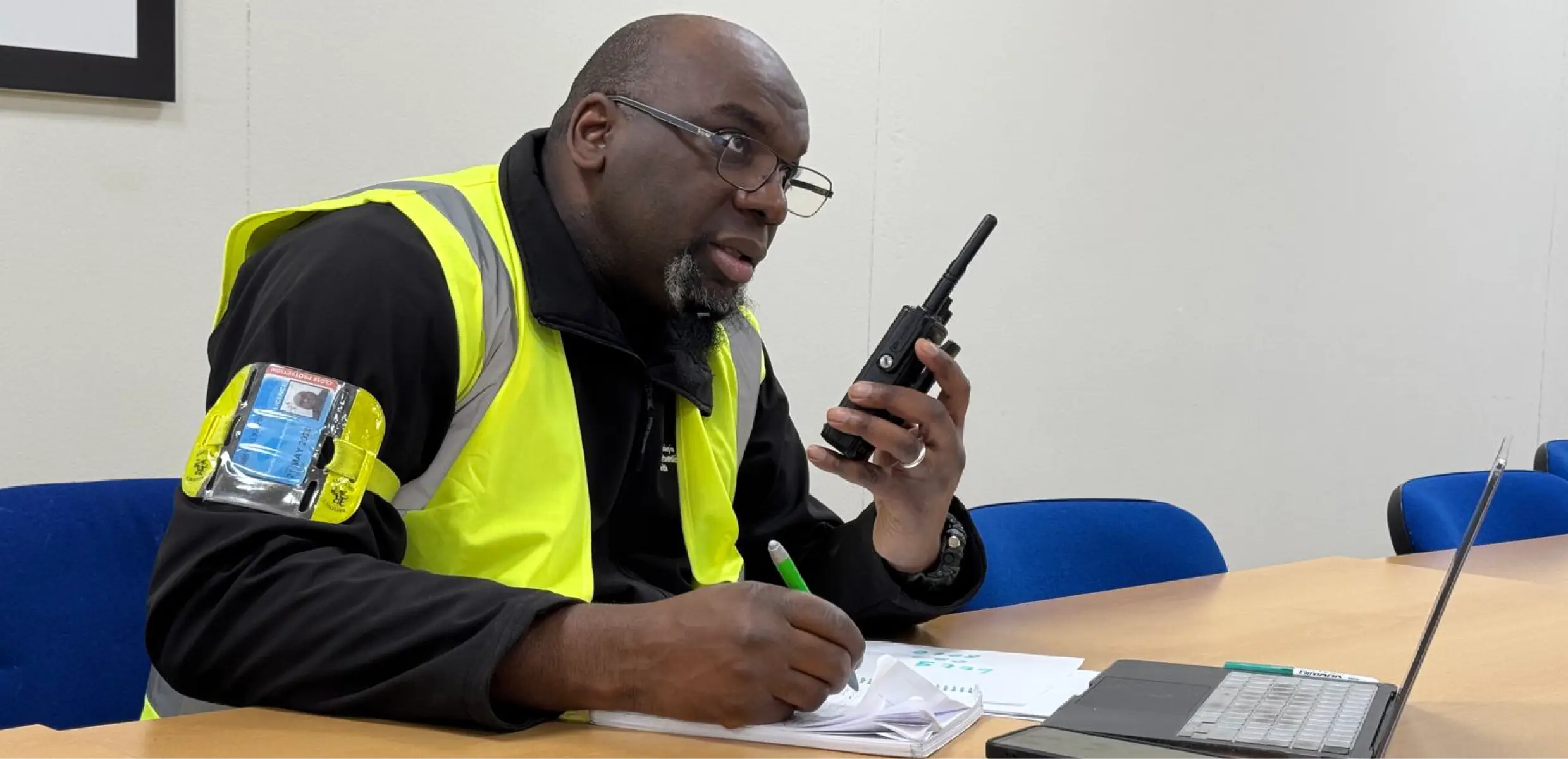

If you’ve been weighing up a career in security or door supervision, you’ve probably already asked yourself the big question: is an SIA licence actually worth the time, effort, and money? It’s a fair thing to wonder. Training costs money, the exams take real preparation, and the licence itself needs renewing every three years. So before you commit, it makes sense to look at what you’re really getting for that investment and whether it pays off in the long run.
The short answer is that for most people, yes, it’s worth it. But “worth it” depends on what you want out of it, how much you’re willing to put in, and what kind of work you’re aiming for. Let’s break it down properly.
What Does an SIA Licence Actually Get You?
The Security Industry Authority (SIA) licence is the legal requirement for anyone working in licensable security roles in the UK door supervision, close protection, CCTV monitoring, security guarding, and a few others. Without it, you simply cannot legally work in these roles. That’s the first and most obvious point: if you want to work in security at all, the licence isn’t optional, it’s the entry ticket.
But beyond the legal requirement, the licence signals something to employers. It tells them you’ve completed recognised training, passed background checks, and understand your legal responsibilities on the job. That matters more than people expect. Venues, event companies, and security firms in London won’t even consider an application without it, so the licence is really your foot in the door for an entire industry.
The Cost Side of the Equation
Let’s be upfront about this. Getting licensed isn’t free. You’ll need to complete an approved training course typically the Door Supervisor course if that’s the route you’re taking pass the required exams, and then pay the SIA application fee on top. Training providers vary in price depending on location and course format, and a well-structured Door Supervisor course in London will usually run over several days to cover conflict management, physical intervention, and the legal knowledge you need to pass.
It’s a genuine outlay, especially if you’re between jobs or just starting out. But when you compare it against what similar entry routes cost in other industries trade apprenticeships, driving instructor qualifications, even some hospitality certifications, it’s actually one of the more affordable ways into a paid, in-demand career.
What You Get Back
Here’s where the “worth it” question really gets answered. Once licensed, door supervisors in London can expect steady demand. Bars, clubs, hotels, events, and corporate venues all need licensed staff, and London’s nightlife and events scene means that demand rarely dries up. Many newly licensed supervisors find work within weeks of finishing their course, particularly if they’re flexible about shift patterns.
Pay varies by venue and experience, but door supervision consistently offers better hourly rates than many other entry-level jobs that require no qualifications at all. And because the licence is transferable, you’re not tied to one employer or even one type of venue you can move between static site work, event security, and door supervision as opportunities come up.
There’s also a career ladder here that people often underestimate. Door supervision is frequently a starting point, not an endpoint. With experience, further training, and additional licences (like close protection or CCTV), security professionals can move into supervisory roles, close protection work, or specialist event security all of which pay considerably more than entry-level positions.
The Skills You Actually Walk Away With
It’s worth mentioning that the training itself has value beyond the licence. Conflict management, de-escalation techniques, and understanding when and how to use physical intervention safely aren’t just box-ticking exercises — they’re genuinely useful skills, both on the job and in general life. You learn to read situations, stay calm under pressure, and communicate in ways that defuse rather than escalate tension. Employers outside of security sometimes value these soft skills too, particularly in customer-facing or high-pressure roles.
Who Is It Worth It For and Who Should Think Twice?
An SIA licence tends to make the most sense for people who want flexible, reliable work with genuine earning potential, who don’t mind evening and weekend shifts, and who are comfortable being on their feet and managing people. It also suits those looking for a stepping stone into broader security careers, since the door supervisor route is one of the most common entry points into the industry.
It’s probably not the right fit if you’re looking for a strictly nine-to-five role, or if the idea of managing confrontational situations doesn’t appeal to you at all. Door supervision does involve dealing with difficult people from time to time, and while training prepares you for it, it’s not a job for everyone.
How It Compares to Other Entry-Level Career Routes
It helps to put the SIA licence side by side with other options people consider when looking for quick, practical routes into paid work. Many entry-level jobs offer minimum wage with little room to grow, and further training is either unavailable or costs far more over time. The security industry, by contrast, offers a clear qualification structure: one licence gets you working, and each additional certificate you add whether that’s close protection, first aid, or CCTV monitoring builds directly on what you already have. Few other industries let you stack qualifications this efficiently while earning at the same time.
Renewal: The Ongoing Side of the Investment
One thing people sometimes overlook is that the licence isn’t a one-off purchase, it needs renewing every three years, which involves refresher training and another application fee. Some see this as a downside, but it’s worth flipping that around: it keeps the industry’s standards up, and it means your qualification stays current and credible to employers. Compared to the ongoing cost of many professional certifications in other fields, it remains a reasonable and manageable commitment.
The Bottom Line
Weighing the upfront cost against what you gain legal eligibility to work, consistent demand for your services, competitive pay, transferable skills, and a genuine pathway into a wider security career an SIA licence holds up as a solid investment for most people considering the field. The real question isn’t really whether it’s worth it in general, but whether the type of work it opens up matches what you’re looking for. If steady, flexible, well-paid work with room to grow sounds appealing, then yes, it’s worth it.
If you’re ready to take the first step, a properly accredited Door Supervisor course in London is where that journey starts covering everything you need to pass your exams and get licensed with confidence.
Frequently Asked Questions
1. Is an SIA licence worth getting in 2026?
Yes, for most people it still holds strong value. Demand for licensed door supervisors in London remains steady, and the licence opens the door to flexible, well-paid work that doesn’t require a university degree or years of prior experience.
2. How much does it cost to get an SIA licence?
Costs include the training course fee and the SIA application fee, which are separate charges. Course prices vary by provider and location, but the overall investment is generally lower than many other vocational qualifications.
3. How long does an SIA licence last?
An SIA licence is valid for three years from the date it’s issued, after which it needs to be renewed through refresher training and a new application.
4. Can you make good money with an SIA licence?
Door supervisors typically earn more per hour than many entry-level jobs requiring no qualifications, and pay can increase further with experience, additional licences, or supervisory roles.
5. Is the SIA course hard to pass?
The course covers practical and legal content that requires focus, but it’s designed to be accessible to beginners. Most candidates who attend all sessions and revise the material pass without major difficulty.
6. What jobs can you get with an SIA licence?
A door supervisor licence qualifies you for work in bars, clubs, hotels, events, and venues across London, and can act as a stepping stone toward close protection, CCTV, or event security roles.
7. Do you need experience before taking a Door Supervisor course?
No prior experience is required. Courses are built for complete beginners and cover everything from conflict management to legal responsibilities from the ground up.
8. Is door supervision a stable career?
London’s ongoing demand for licensed venue and event security makes door supervision a relatively stable choice, especially for those flexible with evening and weekend shifts.
9. What happens if my SIA licence expires?
You cannot legally work in a licensable role once your licence has expired. Renewing before the expiry date, through refresher training, keeps you working without a gap.
10. Where can I find a reliable Door Supervisor course in London?
Look for a provider offering full SIA-approved training covering physical intervention, conflict management, and legal modules, such as the Door Supervisor course in London offered by BeTrain.