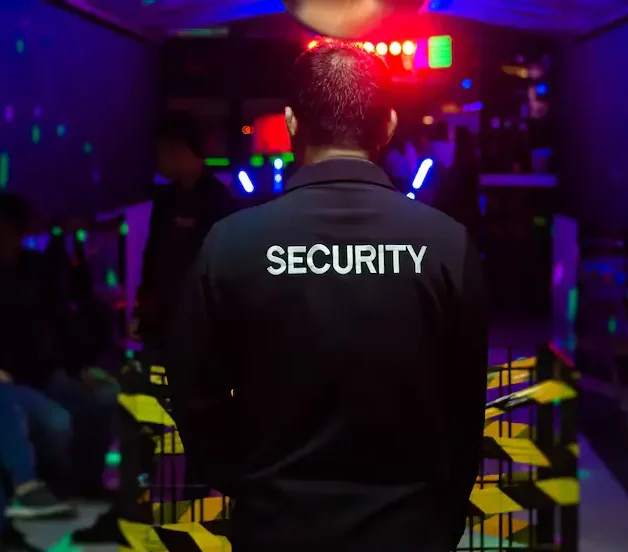

If you are planning to become a door supervisor in London, you have likely realized that the path to obtaining your Security Industry Authority (SIA) licence involves more than just passing a single exam. In recent years, the regulations surrounding the private security industry have evolved to ensure that every professional on the frontline is equipped with life-saving skills.
One of the most critical updates is the requirement for a valid first aid qualification before you can even begin your licence-linked training. For many aspiring security professionals in London, bundling your First Aid training with your main Door Supervisor course is the most efficient, cost-effective, and stress-free way to meet these requirements.
Why First Aid is Now a Mandatory Prerequisite
Gone are the days when first aid was merely an “optional extra” or something you might pick up later in your career. Under current SIA regulations, you must hold a valid Emergency First Aid at Work (EFAW) qualification—or an equivalent, higher-level certificate—before you can be registered for your door supervisor course or sit the final exams.
The Regulatory Reality
The SIA mandate is clear: your training provider is legally prohibited from registering you for your security exams unless you can produce a valid first aid certificate. This rule applies to both new applicants and those undergoing “top-up” training for licence renewal.
The certificate must be:
- Regulated: Provided by an awarding organization recognized by Ofqual, SQA, or the Welsh Government. HSE
- Current: Having at least 12 months of validity remaining on the first day of your course is a standard recommendation to avoid issues. Zems Academy
- Practical: Online-only courses are not accepted. The SIA specifically requires face-to-face, practical training that covers airway management, CPR, and the treatment of life-threatening bleeding. Zems Academy
The Strategic Advantage of Bundling
“Bundling” refers to booking a single package that includes both your mandatory first aid certification and your primary Door Supervisor course. Here is why this approach is the gold standard for learners in London.
1. Seamless Administrative Management
When you bundle your training, the provider handles the verification of your qualifications internally. You won’t have to worry about finding an external first aid provider, ensuring their curriculum matches SIA requirements, or sending proof of your certificate to your security training center. It eliminates the “red tape” that often delays the start of a training program.
2. Cost-Efficiency
Training providers often offer discounted rates when you book a “package” or “bundle.” By consolidating your bookings, you save on the total cost compared to paying for a standalone first aid course followed by your main security training.
3. Synchronized Learning
Bundled courses are often scheduled consecutively or as part of an integrated program. This means you complete your life-saving training immediately before or during your security studies, keeping the knowledge fresh in your mind for your assessments.
4. Avoiding Last-Minute Stress
Many learners make the mistake of leaving their first aid training until a few days before their security course, only to find that no local classes are available. By bundling, you secure your spot in both required segments simultaneously, ensuring you aren’t turned away on the first day of your door supervisor training.
What the Training Involves
An Emergency First Aid at Work (EFAW) course, which is the standard requirement for most door supervisors, is typically a one-day program. Despite its short duration, it is an intensive, hands-on experience.
Get Licensed
You can expect to cover:
- Assessing Situations: How to take charge, summon help, and prioritize casualties. Get Licensed
- Life-Saving Skills: Performing CPR, using an Automated External Defibrillator (AED), and managing airways. Zems Academy
- Trauma Management: Controlling severe bleeding, including the application of tourniquets and haemostatic dressings—skills that are increasingly vital in the modern security landscape.
- Specific Conditions: Managing seizures, epilepsy, and other common medical emergencies.
For those working in high-risk environments—such as large-scale stadium events or hospitals—some employers may even prefer the more comprehensive three-day First Aid at Work (FAW) qualification, which covers a broader range of injuries and illnesses.
Professional Impact: Beyond the Badge
Bundling your training is not just about ticking a box for the SIA. It fundamentally changes how you perform as a security professional.
Increased Employability
In a competitive job market like London, an “all-in-one” candidate is highly attractive. When a venue or security agency sees that you already possess a valid, up-to-date first aid qualification, they know you are “ready to deploy” from day one. You represent a lower administrative burden and a higher safety asset to the employer.
Confidence in Crisis
Security work is unpredictable. Whether you are dealing with a collapsed patron in a nightclub or an injury during a protest or public event, the transition from “security officer” to “first responder” can happen in an instant. Having the muscle memory from professional, face-to-face first aid training ensures you don’t freeze; you act.
Fulfilling Your Duty of Care
As a door supervisor, you are often the first person on the scene. Your intervention can be the difference between a minor injury and a fatality. Studies have shown that immediate, trained intervention can increase survival rates significantly in critical situations like heart attacks.
How to Choose the Right Provider in London
London is home to many reputable training centers, but not all are created equal. When looking to bundle your Door Supervisor course and First Aid training, ensure the provider meets these criteria:
- SIA Accreditation: Ensure they are a recognized training provider for the Level 2 Award for Working as a Door Supervisor.
- Regulatory Alignment: Check that their first aid curriculum is Ofqual/SQA-regulated and includes the mandatory bleeding and airway management components. HSE
- Transparency: A good provider will be upfront about the total cost (including VAT) and the schedule, ensuring there are no hidden fees or scheduling conflicts. Get Licensed
- Support Services: Opt for providers that offer ongoing support, such as booking assistance for your SIA licence application or guidance on the documentation you need to bring.
Final Thoughts
The path to working in London’s security industry is demanding, but it is also highly rewarding. By choosing to bundle your first aid certification with your door supervisor course, you are taking a professional approach to your career. You are not just complying with the law; you are investing in a critical skillset that makes you a more effective guardian of public safety.
Do not wait until the last minute. Look for a comprehensive, integrated package that allows you to focus on your learning without the stress of disjointed bookings. With your first aid and security training completed, you will be prepared to enter the workforce with the confidence, legal standing, and competence that every top-tier London security venue is looking for.