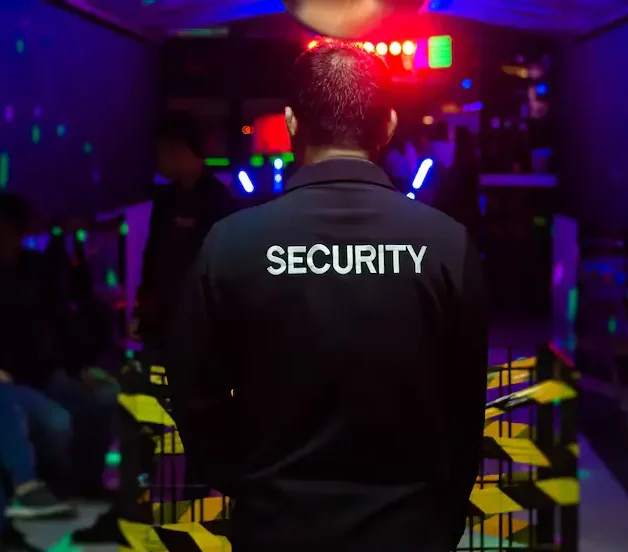

Choosing to enrol in a door supervisor course in London is the first step towards building a career in the private security industry. Every year, thousands of people across London, United Kingdom, join training centres with the same goal of earning an SIA licence and finding stable employment. However, not everyone achieves the same results. Some trainees complete the course confidently, pass every assessment, secure their licence quickly, and begin working within weeks. Others struggle with the training, fail assessments, or find it difficult to impress employers even after becoming licensed.
So, what makes the difference?
It is rarely about age, previous experience, or natural talent. Most successful trainees simply develop better habits before and during their training. They prepare well, stay committed, ask questions, and understand that becoming a professional security officer requires much more than passing an exam. Employers across London look for individuals who are reliable, professional, calm under pressure, and willing to continue learning.
If you are planning to take a door supervisor course in London, understanding what separates successful trainees from the rest can help you avoid common mistakes and increase your chances of long-term success.
Success Begins Before the Course Starts
Many people believe success starts on the first day of training, but experienced instructors know that preparation begins much earlier. Successful trainees spend time learning about the security industry before entering the classroom. They understand the role of a door supervisor, know why the SIA licence is required, and have realistic expectations about the responsibilities involved.
Instead of arriving with no knowledge, they read basic information about conflict management, customer service, emergency procedures, and health and safety. This early preparation allows them to understand classroom discussions more easily and gives them greater confidence during practical exercises.
Even a few hours of preparation before starting the course can make learning much easier throughout the training period.
They Arrive with the Right Attitude
One of the biggest differences between successful and unsuccessful trainees is attitude.
A positive attitude helps students stay motivated even when topics become challenging. Security training includes legal responsibilities, physical intervention techniques, emergency first aid, conflict management, communication skills, and public safety procedures. Some sections require careful study and concentration.
Successful trainees understand that every topic has value because each one may help protect someone’s safety in a real-life situation.
Rather than complaining about difficult lessons or looking for shortcuts, they stay focused on learning. They accept feedback from instructors and use it to improve their performance instead of becoming discouraged.
Employers notice this attitude later during interviews because positive, professional behaviour often reflects how someone will perform on the job.
Good Attendance Makes a Big Difference
Attendance is another major factor that separates successful trainees from others.
A door supervisor course in London covers a large amount of important information within a relatively short period. Missing even one day can create gaps in knowledge that become difficult to recover before assessments.
Successful trainees understand the importance of attending every session on time. They organise transport, avoid unnecessary absences, and arrive prepared for each lesson.
Being punctual also demonstrates professionalism, which is an important quality in the security industry where reliability is essential.
They Participate Instead of Remaining Silent
Some students sit quietly throughout the course, hoping simply to finish the required training. Successful trainees take a different approach.
They ask questions whenever something is unclear.
They participate in classroom discussions.
They volunteer during role-playing activities.
They practise communication exercises with confidence.
This active involvement helps them remember important information more effectively because learning becomes practical rather than passive.
Instructors also appreciate trainees who engage with lessons because it creates a better learning environment for everyone.
Strong Communication Skills Create Better Professionals
Security work is not just about standing at a door.
Modern security professionals spend much of their working day communicating with customers, visitors, colleagues, emergency services, and venue management.
Successful trainees recognise this early.
They practise speaking clearly.
They learn to remain calm during conversations.
They develop active listening skills.
They avoid aggressive language.
They learn how to explain rules politely while maintaining authority.
These communication skills often become more valuable than physical strength because many situations can be resolved through respectful conversation before they become serious.
They Respect Everyone During Training
Professional behaviour begins inside the classroom.
Successful trainees respect instructors, classmates, and training staff regardless of different backgrounds, cultures, or opinions.
London is one of the world’s most diverse cities. Door supervisors regularly interact with people from many different countries, cultures, and age groups.
Showing respect during training prepares students for professional behaviour in real working environments.
Employers value individuals who can work effectively with diverse teams while treating members of the public fairly and respectfully.
Successful Trainees Take Notes
Although training materials provide useful information, many successful students also create their own notes.
Writing down key points helps improve understanding and memory.
Personal notes often include:
Important legal definitions.
Steps for handling incidents.
Conflict management techniques.
Emergency procedures.
Assessment reminders.
Revision points.
These notes become valuable study materials before exams and can also help refresh knowledge later after receiving an SIA licence.
They Practise Outside the Classroom
Learning does not stop when the training day ends.
Many successful trainees spend additional time reviewing course materials at home.
They reread important topics.
They practise answering sample questions.
They review legislation.
They discuss difficult concepts with classmates.
They watch educational videos about customer service and conflict management.
Even thirty minutes of revision each evening can improve understanding significantly before the final assessments.
Physical Intervention Requires Serious Practice
Physical intervention training forms an important part of a door supervisor course in London.
Some trainees assume this section is only about strength, but successful students quickly understand that safe techniques matter far more than physical power.
They practise movements carefully.
They listen closely to instructors.
They understand safety procedures.
They learn how to reduce risk for everyone involved.
They focus on control rather than force.
This professional approach prepares them for situations where physical intervention becomes absolutely necessary while minimising potential injuries.
They Understand the Importance of Customer Service
Many people imagine security officers only dealing with difficult situations.
In reality, customer service forms a major part of daily security work.
Door supervisors often welcome guests, answer questions, provide directions, assist vulnerable people, and create a positive first impression for businesses.
Successful trainees recognise that being friendly and approachable can prevent many problems before they begin.
Employers frequently choose candidates who demonstrate both security knowledge and excellent customer service skills.
Confidence Without Arrogance
Confidence is important in the security industry, but arrogance creates problems.
Successful trainees build confidence by learning thoroughly rather than pretending to know everything.
They remain open to advice.
They accept corrections.
They understand that continuous learning continues throughout their careers.
This balanced confidence makes them more dependable employees because they know when to act independently and when to request assistance.
They Stay Calm Under Pressure
Security professionals regularly face stressful situations.
Successful trainees begin developing emotional control during their training.
When participating in role-playing exercises involving conflict or difficult customers, they remain calm rather than becoming emotional.
They think before speaking.
They follow procedures.
They avoid unnecessary arguments.
These habits become valuable later when dealing with real incidents involving large crowds or aggressive individuals.
Time Management Helps Throughout Training
Many students balance work, family responsibilities, and education while completing a door supervisor course in London.
Successful trainees manage their time carefully.
They schedule study sessions.
They complete assignments early.
They prepare for assessments instead of leaving revision until the last minute.
Good organisation reduces stress and improves overall performance during the course.
They Learn from Mistakes
No trainee performs perfectly throughout every lesson.
Successful students accept mistakes as opportunities to improve.
If they answer a question incorrectly, they learn the correct information.
If they struggle during practical exercises, they practise again.
Instead of becoming embarrassed, they focus on improvement.
This mindset helps them grow much faster than students who become discouraged after small setbacks.
Professional Appearance Matters
Appearance plays an important role in the security industry.
Successful trainees understand that professionalism begins with presentation.
They arrive wearing appropriate clothing.
They maintain good personal hygiene.
They appear organised and prepared.
These habits create positive first impressions during training and later during job interviews.
Many employers consider appearance as an indicator of reliability and professionalism.
They Build Positive Relationships
Networking starts during training.
Successful trainees build respectful relationships with instructors and classmates.
These connections often become valuable later when searching for employment opportunities across London.
Classmates may share job vacancies.
Training providers sometimes recommend outstanding students to employers.
Instructors may provide career advice based on industry experience.
Professional relationships can create opportunities long after the course has ended.
They Understand That Learning Never Ends
Completing a door supervisor course in London is only the beginning of a security career.
Successful trainees understand that the industry constantly changes.
New legislation may be introduced.
Technology continues to evolve.
Security threats change over time.
Customer expectations also develop.
Professional security officers continue improving through additional training, workplace experience, refresher courses, and continuous learning.
This commitment to development helps them progress into supervisory, management, CCTV, close protection, or corporate security roles.
They Focus on Ethics and Responsibility
The best trainees recognise that holding an SIA licence comes with significant responsibility.
Security officers often protect people, property, and businesses.
They may deal with vulnerable individuals, emergencies, confidential information, and situations requiring careful judgement.
Successful trainees understand that honesty, integrity, fairness, and professionalism are essential throughout their careers.
Employers trust individuals who consistently demonstrate ethical behaviour.
Preparing for Assessments the Right Way
Exams are an important part of the training process.
Successful trainees prepare steadily rather than relying on last-minute revision.
They review every unit carefully.
They complete practice questions.
They clarify topics they find confusing.
They remain calm during assessments because consistent preparation gives them confidence.
Passing assessments becomes much easier when students build knowledge gradually throughout the course.
They Stay Motivated by Their Career Goals
Everyone has different reasons for entering the security industry.
Some want stable employment.
Others want flexible working hours.
Some hope to progress into specialist security roles.
Others simply want a fresh career.
Successful trainees keep these personal goals in mind throughout the course.
Whenever training becomes challenging, they remember why they started.
This motivation helps them remain committed until they achieve their SIA licence and begin working.
Employers Notice More Than Qualifications
While holding an SIA licence is essential, employers also evaluate personal qualities during interviews.
They often look for candidates who demonstrate:
Reliability.
Professional communication.
Confidence.
Problem-solving skills.
Teamwork.
Respect for others.
Willingness to learn.
Calm decision-making.
Successful trainees begin developing these qualities during their training instead of waiting until after qualification.
This preparation makes them stronger candidates in London’s competitive security job market.
Building a Long-Term Career
Many people think only about passing the course.
Successful trainees think much further ahead.
They consider where they want to be in five or ten years.
They understand that today’s learning forms the foundation for future promotions and specialised roles.
By consistently improving their knowledge, maintaining professionalism, and gaining practical experience, they position themselves for long-term career growth within the security industry.
Conclusion
Success during a door supervisor course in London is not determined by luck or previous experience. Instead, it comes from preparation, commitment, professionalism, and a genuine willingness to learn. The trainees who stand out are those who attend every session, participate actively, practise consistently, respect others, communicate effectively, and remain focused on becoming skilled security professionals rather than simply passing an assessment.
For anyone starting a door supervisor course in London, adopting these habits from the very beginning can make the learning process smoother and far more rewarding. More importantly, these qualities continue to benefit security professionals long after the course has finished. Employers across London, United Kingdom value individuals who combine technical knowledge with integrity, reliability, confidence, and excellent customer service. By developing these strengths early, trainees not only improve their chances of passing the course but also build a solid foundation for a successful and rewarding career in the private security industry.