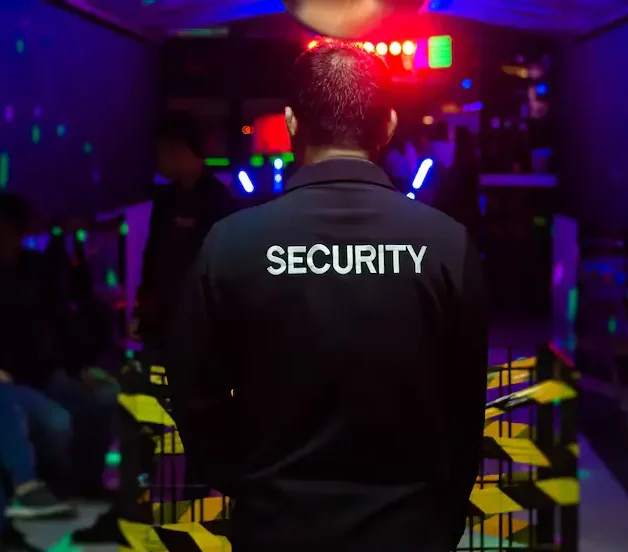

Starting a new career can feel like standing at the edge of a pool, wondering how cold the water really is. That’s exactly how I felt on my first morning of the Door Supervisor course in London. I’d heard bits and pieces from friends who worked in security, but nobody had ever walked me through what the actual training weeks would feel like, day by day. So, I kept a diary. This is that diary, shared for anyone who’s curious, nervous, or just plain undecided about signing up.
Why I Chose This Path
I’d spent a few years bouncing between retail jobs and warehouse shifts, and none of them felt like they were going anywhere. A cousin who works nights at a club in Camden kept telling me the door supervisor world was different: flexible hours, decent pay, and an actual career ladder if you wanted to climb it. After a bit of research, I landed on a training provider based in London that had a straightforward, no-nonsense approach to teaching. I signed up, paid the fee, and got a confirmation email with a start date. That’s when the diary begins.
Week One: Getting Comfortable With the Basics
Day 1 – Orientation and Nerves
Walking into the training centre, I expected a room full of intimidating, muscular ex-bouncers. Instead, I found a mixed group of people: a university student looking for weekend work, a woman switching careers after ten years in hospitality, and a retired postal worker wanting something part-time. The instructor opened with an overview of the SIA (Security Industry Authority) licensing requirements and what the course would cover over the coming days: conflict management, physical intervention, emergency procedures, and the legal side of working as a door supervisor.
The biggest surprise? How much of the job is about communication, not confrontation. The instructor kept repeating one line: “Your mouth is your first and best tool. Your hands are the last resort.”
Day 2 – Understanding the Law
This day felt more like a classroom lecture than anything physical. We covered licensing law, health and safety regulations, and the legal boundaries around search, detention, and use of force. Some of it was dry, I won’t lie, but the instructor used real examples from actual incidents to keep things grounded. I found myself taking more notes than I had in years.
Day 3 – Conflict Management
This is where things got interesting. We role-played scenarios: an aggressive customer being refused entry, a group getting rowdy near closing time, someone trying to sneak in underage. The trainer taught us de-escalation techniques, body language reading, and how tone of voice can defuse or inflame a situation in seconds. By the end of the session, my voice was hoarse from all the practice conversations, but I felt like I’d actually learned something practical.
Week Two: Building Physical and Practical Skills
Day 4 – Physical Intervention Training
This was the part I’d been dreading and looking forward to at the same time. We learned safe restraint techniques, how to protect ourselves and others without causing unnecessary harm, and how to work as a team when physical intervention becomes unavoidable. The trainers were strict about safety, pairing us up based on similar builds and constantly checking our form. My arms ached for two days afterward, but I walked away with genuine confidence rather than movie-style bravado.
Day 5 – Emergency Procedures and First Aid Basics
We spent this day on fire safety, evacuation procedures, and basic emergency response. It wasn’t a full first aid certification, but enough to understand what to do in those crucial first few minutes before professional help arrives. The trainer shared a story about a real venue fire and how quick, calm thinking prevented a much worse outcome. It stuck with me.
Day 6 – Drugs, Alcohol, and Search Procedures
This session covered spotting signs of intoxication or drug use, understanding legal search procedures, and knowing exactly where the line is between a lawful search and an unlawful one. It’s a fine legal line, and the trainer made sure we understood it wasn’t something to guess at on the job.
Week Three: Pulling It All Together
Day 7 – Mock Scenarios and Practical Assessments
By this point, the group had bonded. We ran through full mock scenarios combining everything we’d learned: someone refusing to leave, a minor disturbance escalating, a medical emergency in the middle of a busy venue. The instructors assessed us individually, giving feedback on tone, positioning, and decision-making under pressure.
Day 8 – Written Exams
The written exams covered all the modules: law, conflict management, physical intervention, and emergency procedures. I’ll admit I was more nervous for this than the physical training. Multiple choice questions, some tricky wording, but nothing unfair if you’d actually paid attention during the week.
Day 9 – Practical Exams
The final practical assessment tested our ability to handle a live-style scenario from start to finish: greeting, communication, de-escalation, and, if necessary, safe physical intervention. My hands were shaking before my turn, but muscle memory from the week took over, and it went smoother than I expected.
Day 10 – Results and Certification
Waiting for results felt like waiting for exam grades at school. When they called my name and confirmed I’d passed, the relief was enormous. From there, it was a matter of applying for my SIA licence, a process the training centre helped guide us through step by step.
What I Wish I’d Known Before Starting
Looking back, a few things would have eased my nerves:
- It’s not about being big or tough. Confidence and communication matter far more than physical size.
- The legal side is just as important as the physical side. You need to know the rules cold.
- Group dynamics matter. Training alongside people from different backgrounds made the experience richer and less intimidating.
- The instructors have real-world experience. Their stories were often more valuable than the textbook material.
Final Thoughts
Three weeks changed the way I thought about this career entirely. It’s not just standing at a door checking IDs; it’s a genuine skill set built around safety, law, and human psychology. If you’re considering this path, my honest advice is to go in with an open mind and expect to work hard, both mentally and physically.
Frequently Asked Questions
1. How long does a door supervisor course in London take to complete?
Most door supervisor courses run over several days, typically covering theory, physical intervention, and practical assessments within one to two weeks, depending on the schedule chosen.
2. Do I need any prior experience to enrol in a door supervisor course?
No prior experience in security or hospitality is required. Courses are designed for complete beginners as well as those switching careers.
3. What is the minimum age to become a door supervisor in London?
You generally need to be at least 18 years old to apply for an SIA licence and work as a door supervisor.
4. What does the SIA licence allow me to do?
An SIA licence allows you to legally work as a door supervisor, security guard, or in related roles across the UK, confirming that you’ve met the required training and background check standards.
5. Is physical fitness a requirement for the course?
While a reasonable level of fitness helps with the physical intervention modules, the course is designed to teach safe techniques rather than requiring athletic ability.
6. What topics are covered in a typical door supervisor course?
Courses usually include conflict management, physical intervention, emergency procedures, licensing law, search and drug awareness, and health and safety basics.
7. How much does a door supervisor course in London typically cost?
Costs vary between training providers, so it’s best to check directly with a provider for current pricing and what’s included in the course fee.
8. Will I need to pass an exam to get certified?
Yes, most courses include both a written exam covering theory and a practical assessment testing real-world scenario handling.
9. How long does it take to get an SIA licence after finishing the course?
After passing the course and submitting your application along with identity and criminal record checks, processing times can vary, so it’s advisable to apply as soon as you’re eligible.
10. Can this course lead to other security career opportunities?
Yes, many door supervisors go on to specialise in areas like close protection, CCTV operation, or event security management after gaining experience.
Ready to start your own journey? You can explore course dates and enrolment details for the Door Supervisor course in London and take the first step toward a new career.