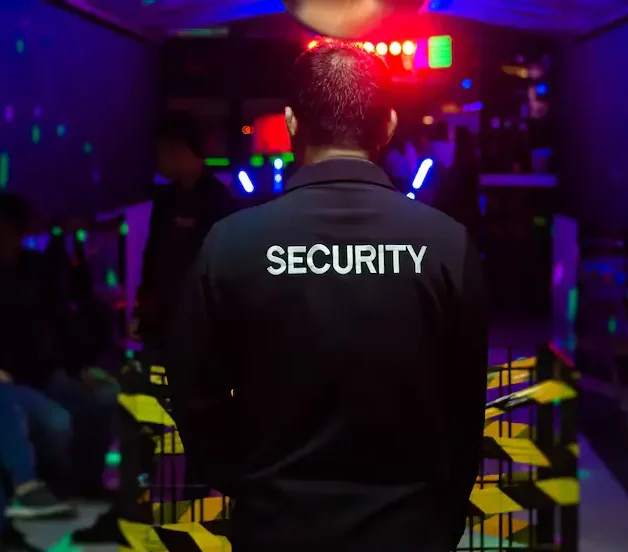
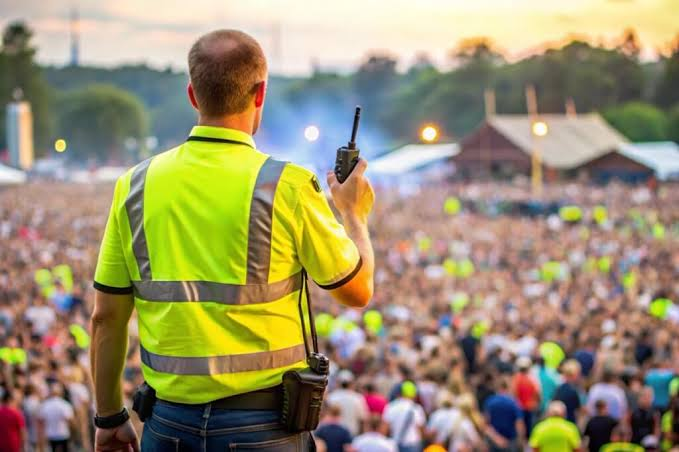
London’s nightlife is among the most vibrant and diverse in the world. From the neon-lit streets of Soho to the underground venues in Shoreditch and the premium clubs of Mayfair, the city’s nightclubs attract thousands of guests every weekend. Managing these large, energetic crowds is both an art and a science — one that trained security professionals understand deeply. Effective crowd control is not simply about keeping order; it is about ensuring every guest has a safe, enjoyable experience while protecting staff, property, and the reputation of the venue.
For those working in the security industry or aspiring to enter it, enrolling in a Door Supervisor Course in London is the essential first step. This nationally recognised qualification equips security personnel with the knowledge, skills, and legal grounding to manage crowds professionally and confidently across London’s busiest venues.
Understanding the Nature of London Nightclub Crowds
London nightclubs operate in a unique environment. Guest profiles vary enormously — from tourists visiting for the first time to seasoned regulars who know every corner of the venue. Events can range from intimate DJ nights with a few hundred attendees to major themed nights or celebrity appearances drawing crowds of over a thousand. Understanding the dynamics of these varied crowds is the cornerstone of effective crowd control.
London’s multicultural population means that security teams frequently work with guests from different cultural backgrounds, languages, and expectations. A professional door supervisor must be culturally sensitive, observant, and calm under pressure. They must also be aware of peak times — typically Friday and Saturday nights between 11 PM and 4 AM — when crowd density is at its highest and the risk of incidents increases.
Core Principles of Effective Crowd Control in Nightclubs
1. Risk Assessment Before the Event
Every successful crowd control strategy begins well before the doors open. A thorough risk assessment allows security teams to identify potential hazards, plan entry and exit flows, and allocate staff appropriately. Factors to consider include:
- Maximum venue capacity and how quickly it can be reached
- Layout of the venue including emergency exits, bottlenecks, and blind spots
- Nature of the event and expected guest demographics
- Any VIP areas, restricted zones, or special access requirements
- Weather conditions that may affect queuing outside
London’s licencing authorities, including the Metropolitan Police and local councils, require venues to maintain detailed safety plans. Security professionals trained through a recognised Door Supervisor Course in London will be well versed in these compliance requirements.
2. Controlling Entry and Managing Queues
The entry point is the first and most critical checkpoint in any nightclub. How guests are admitted sets the tone for the entire evening. Proper queue management prevents bottlenecks that can lead to frustration, pushing, and potential safety risks.
Best practices for entry management in London nightclubs include:
- Using staggered entry systems to prevent surges
- Deploying trained staff at the front of the queue to communicate expected wait times
- Clearly marking VIP lanes separately from general admission
- Using ID scanning technology to speed up age verification
- Maintaining a firm but polite approach — guests who feel respected are less likely to become aggressive
In London, where long queues outside popular venues in areas like Brixton, Dalston, and Piccadilly are common, keeping the queue orderly and moving is essential. A calm, visible presence from door supervisors significantly reduces tension.
3. Maintaining Capacity and Monitoring Crowd Density
One of the most critical responsibilities of a door supervisor is monitoring capacity in real time. Overcrowding is not only a legal violation of the venue’s licence but a serious safety hazard. In dense crowds, guests can experience heat stress, panic, and in extreme cases, crush injuries.
Effective capacity management involves:
- Using a clicker or digital counter to track guests entering and exiting
- Communicating regularly with internal floor staff via radio
- Identifying areas of the venue that are becoming dangerously congested
- Temporarily halting entry when the venue approaches capacity
- Coordinating with management on any changes to planned capacity
London venues must adhere strictly to the capacities approved in their premises licences. Security staff who complete professional training are taught how to apply these rules in practice, even under commercial pressure to let more guests in.
4. Conflict De-escalation and Incident Management
In a busy London nightclub, disagreements and confrontations are inevitable. How security staff respond in those moments defines the outcome. The goal is always de-escalation — resolving tension before it escalates into a physical altercation.
Key de-escalation techniques taught in a professional Door Supervisor Course in London include:
- Active listening — allowing the agitated person to feel heard
- Calm, assertive body language without appearing threatening
- Using simple, clear language and avoiding raised voices
- Offering solutions, such as moving a guest to a quieter area
- Knowing when to involve colleagues or request police assistance
When de-escalation fails and physical intervention becomes necessary, door supervisors must use only reasonable, proportionate force in line with the law. This is a key area covered by the SIA (Security Industry Authority) licensing framework, and a central part of any good Door Supervisor Course in London.
5. Communication and Teamwork Across the Venue
Crowd control is never a solo operation. Effective security teams communicate constantly, sharing observations and coordinating responses. In a large London nightclub spanning multiple floors, bars, and outdoor terraces, this coordination becomes even more critical.
Tools and practices that support effective team communication include:
- Radio systems with clear channel protocols and designated frequencies
- Regular briefings before doors open and during quiet periods
- Designated area supervisors who report upward to the head door supervisor
- Clear escalation procedures for different types of incidents
- Hand signals or code words for sensitive situations
6. Managing Intoxicated Guests
Alcohol and substances are a reality in any nightclub environment. Managing guests who become intoxicated is one of the most challenging aspects of the role. London door supervisors have a legal and moral duty to refuse entry to or remove guests who are excessively intoxicated, as their presence poses a risk to themselves and others.
The approach to managing intoxication should be:
- Observe behaviour early — slurred speech, poor balance, and aggression are early warning signs
- Approach with two staff members where possible
- Use a non-confrontational tone and avoid labelling the guest
- Offer water and guide the guest to a safe area to sober up
- Arrange safe transport home if the guest is unable to care for themselves
- Document the incident and any actions taken
7. Emergency Evacuation Procedures
Every door supervisor working in a London nightclub must be fully prepared to manage an emergency evacuation. Whether triggered by a fire, a structural concern, or a security threat, the ability to move hundreds of guests calmly and efficiently to safety is a non-negotiable skill.
Evacuation readiness includes:
- Knowing all emergency exits, including those not in regular use
- Practising evacuation drills with all security and venue staff
- Ensuring all exits are clear and unobstructed at all times
- Being prepared to work alongside emergency services such as the London Fire Brigade or Metropolitan Police
- Maintaining calm authority to prevent crowd panic
The Role of SIA Licensing and Professional Training
In the United Kingdom, anyone working as a door supervisor at a licensed premises is legally required to hold a valid SIA Door Supervisor licence. This licence is obtained by completing a recognised qualification — and that is where a quality Door Supervisor Course in London becomes indispensable.
Providers like BeTrain offer comprehensive door supervisor training in London that covers everything from conflict management and physical intervention to first aid, licencing law, and fire safety. Completing this course does not simply give you a certificate — it equips you with the practical understanding needed to manage real-world crowd scenarios in one of the world’s busiest nightlife capitals.
The course is assessed through a combination of practical exercises and written examinations, ensuring that every qualified door supervisor can demonstrate competence across all key areas. For those already working in security or seeking to progress into venue management, this qualification is a cornerstone credential.
Technology and Modern Crowd Control Tools
London’s leading nightclubs are increasingly investing in technology to assist with crowd management. While trained personnel remain irreplaceable, tools such as CCTV systems, crowd analytics software, and digital clickers help supervisors make more informed decisions in real time.
Modern crowd control technologies used in London venues include:
- High-definition CCTV with real-time monitoring from a central security desk
- ID scanners linked to national databases to flag known troublemakers
- Digital capacity counters integrated with entry systems
- Incident reporting apps that allow staff to log and share information instantly
- Earpiece communication systems for discreet coordination
These tools enhance the effectiveness of security teams but should always be used alongside — not instead of — professional training and sound judgement.
Legal Responsibilities of Door Supervisors in London
Door supervisors in London operate within a clearly defined legal framework. Understanding this framework is not optional — it is fundamental to doing the job correctly and protecting oneself from liability.
Key legal areas that every London door supervisor must understand include:
- The Licensing Act 2003 and its implications for venue operation
- The use of force and the legal definition of reasonable force
- The Equality Act 2010 and non-discriminatory admission policies
- Data protection laws relevant to CCTV and ID scanning
- Duty of care obligations to guests, including intoxicated individuals
All of these areas are covered in depth during a professional Door Supervisor Course in London, ensuring that graduates are not just physically capable but legally informed and ethically responsible.
Conclusion: Professional Training Is the Foundation of Safe Nightclubs
London’s nightclub scene is extraordinary — but with that excitement comes significant responsibility. Crowd control in busy venues requires a combination of situational awareness, communication skills, legal knowledge, and calm under pressure. These are not innate talents; they are professional skills that must be developed through structured training and real-world experience.
Whether you are a venue owner seeking to raise security standards or an individual looking to build a career in the security industry, investing in a recognised Door Supervisor Course in London is the most important step you can take. Well-trained door supervisors do not just control crowds — they create an environment where every guest feels safe, respected, and welcome. That is the true measure of world-class nightclub security in London.
Frequently Asked Questions (FAQs)
Q1. What qualifications do I need to work as a door supervisor in a London nightclub?
To work as a door supervisor at any licensed premises in London, you must hold a valid SIA Door Supervisor licence. This is obtained by completing an accredited Door Supervisor Course in London, which covers conflict management, physical intervention, first aid, licencing law, and fire safety. Without this licence, working as a door supervisor is illegal under UK law.
Q2. How long does a Door Supervisor Course in London take to complete?
A standard Door Supervisor Course in London typically takes around six weeks to complete when studied full time. Part-time options are also available for those who are already employed. The course includes both theoretical learning and practical assessments, and all modules must be passed before the SIA licence application can be submitted.
Q3. What are the main causes of crowd incidents in London nightclubs?
The most common causes of crowd incidents in London nightclubs include excessive alcohol consumption, disagreements between groups of guests, overcrowding at peak times, long queue wait times that build frustration, and inadequate communication between security staff. Proper training and proactive monitoring can prevent the majority of these incidents before they escalate.
Q4. Can door supervisors in London refuse entry to guests?
Yes. Licensed door supervisors in London have the legal right to refuse entry to any guest, provided the refusal is not based on protected characteristics such as race, gender, disability, or religion under the Equality Act 2010. Common legal grounds for refusal include intoxication, aggressive behaviour, inappropriate attire as specified by the venue’s dress code, or the guest being flagged on a shared exclusion database.
Q5. What is the SIA and why is its licence required for nightclub security in London?
The SIA (Security Industry Authority) is the UK government body that regulates the private security industry. Any individual providing security at a licensed venue in London must hold an SIA licence to operate legally. The licence demonstrates that the holder has met national standards in training, criminal record checks, and professional conduct. Operating without an SIA licence is a criminal offence.
Q6. How do door supervisors manage large crowds during special events in London?
For large events such as New Year’s Eve nights, celebrity appearances, or themed events, London door supervisors typically conduct a detailed pre-event risk assessment, increase staffing levels proportionally, establish clear entry and exit protocols, brief all staff on specific event risks, and coordinate with the venue’s management team throughout the night. Real-time radio communication and CCTV monitoring are also critical during high-capacity events.
Q7. What should a door supervisor do if a guest becomes violent inside the venue?
If a guest becomes violent inside the venue, the door supervisor should first attempt to de-escalate the situation verbally and calmly. If this is unsuccessful and there is an immediate threat to safety, trained physical intervention techniques may be used — but only in proportion to the threat. The incident should be reported to the head supervisor, logged in writing, and the police should be called if necessary. Any use of force must be reasonable and defensible under UK law.
Q8. Are there specific crowd control challenges unique to London’s nightlife scene?
Yes. London presents unique crowd control challenges due to its scale, diversity, and the sheer volume of venues operating simultaneously. Security teams must be culturally sensitive and adaptable, as London’s nightlife draws guests from all over the world. Additionally, London’s transport system means large numbers of guests arrive and depart simultaneously at the end of the night, requiring careful management of post-closing dispersal to prevent conflict on surrounding streets.
Q9. Is physical intervention training included in a Door Supervisor Course in London?
Yes. Physical intervention training is a mandatory component of every accredited Door Supervisor Course in London. Students learn how to use proportionate, legal physical techniques to manage individuals who pose a threat to themselves or others. This training is conducted by qualified instructors and is assessed practically. Importantly, the course also emphasises that physical intervention is always a last resort.
Q10. How can London nightclub owners improve their overall crowd safety standards?
Nightclub owners in London can improve crowd safety by ensuring all security staff hold valid SIA licences obtained through accredited training providers, conducting regular risk assessments, investing in CCTV and capacity monitoring technology, maintaining clear communication channels between security and management, enforcing a zero-tolerance policy on aggressive behaviour, and engaging with local police and licencing authorities to stay informed about best practices and emerging risks in the area.