
Walking into the security industry without proper training is like trying to drive a car without ever sitting behind the wheel. You might know the theory, but the moment you’re standing at a club entrance on a busy Saturday night, theory alone won’t help you. This is exactly why a structured Door Supervisor course in London exists to bridge the gap between knowing about security work and actually being ready to do it.
Door supervision isn’t just about looking tough at an entrance and checking IDs. It’s a licensed profession that demands legal knowledge, conflict resolution skills, physical intervention techniques, and a calm head under pressure. In this article, we’ll break down exactly how a proper Door Supervisor course builds these skills, why each module matters, and what you can genuinely expect once you step into real-world security work.
What a Door Supervisor Course Actually Covers
Before diving into how the course prepares you, it helps to understand what’s actually taught. A typical SIA-approved Door Supervisor course is broken into several key units, each targeting a different aspect of the job.
The course usually includes modules on working in the private security industry, health and safety awareness, fire safety, emergency procedures, the law as it applies to door supervisors, and conflict management. There’s also a heavy practical component covering physical intervention skills, which trains you on how to safely restrain or remove someone without causing unnecessary harm to them or to you.
This isn’t a course you can skim through. Most providers run it over several days, combining classroom learning with hands-on practical sessions, because real security work demands both knowledge and muscle memory.
Building Legal Knowledge That Protects You on the Job
One of the most underrated parts of door supervisor training is the legal module. Many people assume security work is purely physical, but in reality, knowing the law is what keeps you out of trouble.
During training, you’ll learn about your powers of arrest, the difference between reasonable force and excessive force, and how licensing laws affect venues like pubs, clubs, and bars. You’ll also cover data protection basics, since door supervisors often handle ID checks and sometimes CCTV footage.
This legal grounding matters because a single wrong move — like using excessive force or detaining someone unlawfully — can lead to serious consequences, including losing your SIA licence or facing criminal charges. The course makes sure you understand exactly where the line is, so you can do your job confidently without crossing it.
Conflict Management: The Skill You’ll Use Every Single Shift
If there’s one skill that separates a good door supervisor from a great one, it’s conflict management. You won’t be throwing punches every night — in fact, most experienced supervisors will tell you that physical intervention is the last resort, not the first.
The course trains you to read body language, de-escalate tense situations through communication, and recognise early warning signs of aggression before they escalate. You’ll practice scenarios involving intoxicated guests, verbal confrontations, and group conflicts, learning how to stay calm and assertive without provoking further trouble.
This part of the training directly mirrors real security work because, on any given night, you’ll deal with far more verbal disputes than physical ones. Knowing how to talk someone down is often more valuable than knowing how to physically restrain them.
Physical Intervention Training Without the Hollywood Drama
Let’s clear up a common misconception: physical intervention training in a door supervisor course isn’t about learning flashy martial arts moves. It’s about safe, controlled techniques designed to protect everyone involved, including the person being restrained.
You’ll learn approved holds, how to safely escort someone off a premises, and how to work as part of a team during a physical incident. Trainers emphasise minimal force and constant risk assessment — asking yourself whether physical intervention is even necessary before acting.
This training prepares you for real-world scenarios where things can go wrong quickly. Without proper technique, you risk injuring yourself, the other person, or even facing legal action afterward. The course ensures that if physical intervention becomes unavoidable, you handle it correctly.
First Aid and Emergency Response Readiness
Security work isn’t only about handling difficult people — it also means being the first responder when something goes medically wrong. Door supervisor courses typically include basic first aid and emergency procedure training, covering everything from recognising signs of medical distress to handling fire evacuations.
In real venues, you might be the first person to notice someone has collapsed, is choking, or is having an allergic reaction. Knowing basic first aid until paramedics arrive can genuinely save a life. Fire safety training similarly prepares you to manage evacuations calmly, which is critical in crowded venues where panic can cause more harm than the actual emergency.
How the Course Reflects Real Shift Scenarios
A well-designed Door Supervisor course doesn’t just teach isolated skills — it stitches them together into realistic scenarios. Training often includes role-play exercises where you practice ID checks, refuse entry to intoxicated guests, manage a disagreement at the door, or coordinate with colleagues during an incident.
These simulations matter because real security work rarely follows a script. One moment you’re checking IDs, the next you’re mediating between two upset customers, and minutes later you might be assisting with a medical situation. The course trains you to switch between these roles smoothly, building the adaptability that real venues demand.
Why Location-Specific Training Matters
Taking a Door supervisor course in London specifically has its own advantages. London’s nightlife and event security scene is fast-paced, diverse, and often busier than in smaller cities. Training in this environment means trainers can draw on scenarios that reflect the city’s actual venues — from packed nightclubs to large-scale events — giving you a more accurate picture of what to expect.
Local training providers also tend to have stronger connections with London-based security firms, which can be useful when you’re ready to start applying for jobs after qualifying.
The Confidence Factor: Why Training Changes How You Carry Yourself
There’s a side effect of proper training that rarely gets discussed: confidence. People who walk into security work without training often rely on intimidation or bluffing their way through tense moments, which usually backfires. A trained door supervisor, on the other hand, carries a different kind of presence — calm, assertive, and clearly competent.
This confidence comes from repetition. Practicing scenarios in a controlled training environment means that when a real situation unfolds, you’re not improvising from scratch. You’re drawing on techniques you’ve already rehearsed. Guests and colleagues alike can sense this difference, and it often defuses situations before they escalate, simply because the supervisor appears in control.
Venue managers notice this too. A door supervisor who reacts calmly under pressure builds trust quickly, which often leads to better shifts, more responsibility, and stronger working relationships with venue staff and other security personnel.
Teamwork and Communication on the Job
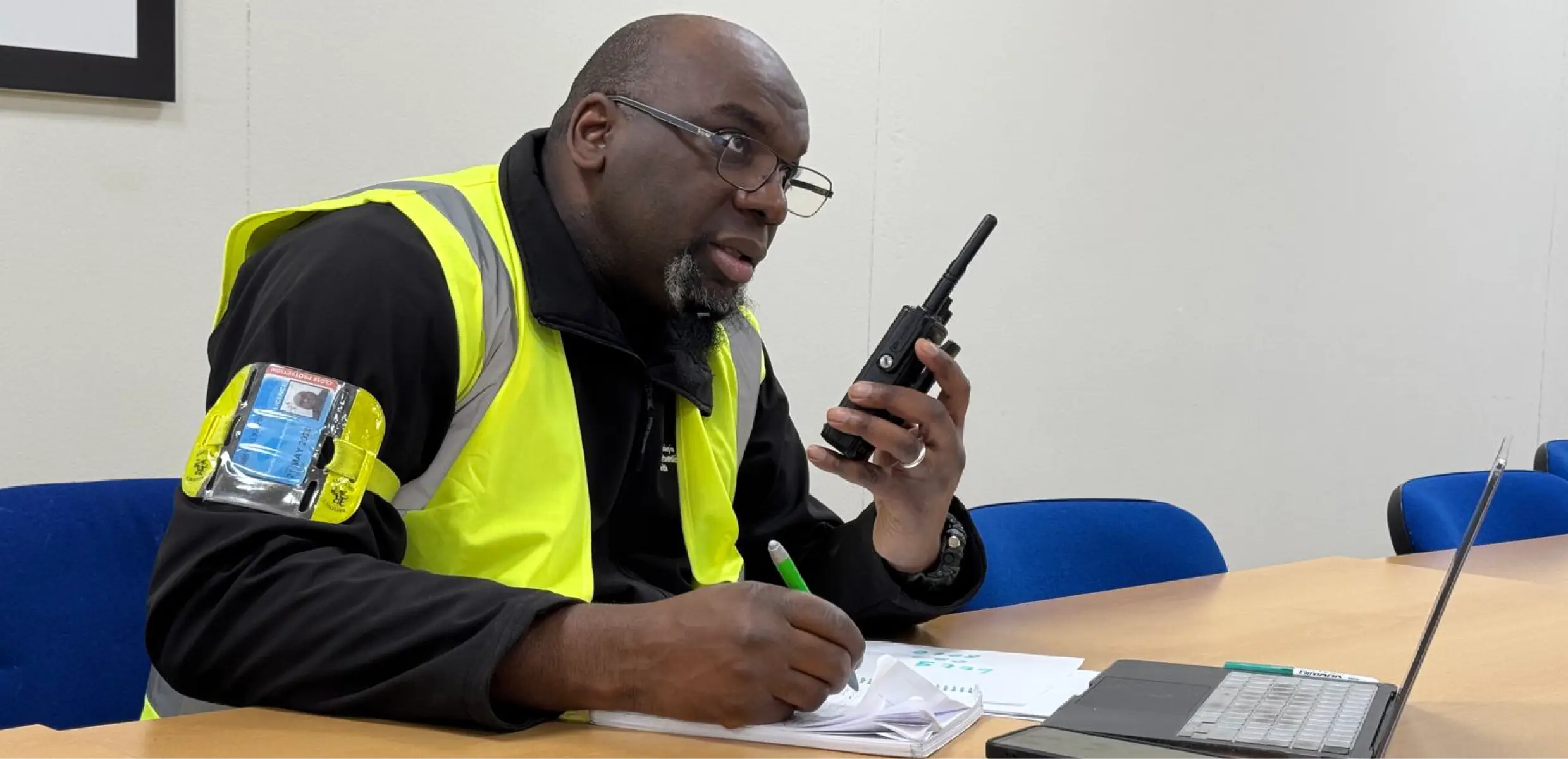
Real security work is rarely a solo effort. Most venues run with multiple door supervisors working together, alongside bar staff, managers, and sometimes external event security teams. A good Door Supervisor course doesn’t ignore this — it builds in training around radio communication, team positioning, and coordinated responses to incidents.
You’ll learn how to communicate clearly and quickly during an incident, how to signal for backup without causing panic among guests, and how to hand over information at shift changes so nothing important gets missed. This kind of teamwork training matters because a single supervisor acting alone, without coordinating with colleagues, is far more likely to misjudge a situation or escalate it unnecessarily.
In practice, this means your first few real shifts will feel less chaotic than they might otherwise, simply because you already understand how a security team is meant to function together.
Long-Term Career Prospects After Qualifying
Many people start out as door supervisors and use it as an entry point into a much wider security career. Once you’ve gained experience on the door, opportunities often open up in areas like close protection, event security management, CCTV operation, or even training other new supervisors.
London, in particular, offers a wide range of progression paths given the sheer number of venues, events, and corporate security needs across the city. Supervisors who consistently perform well and build a reliable reputation often move into senior or supervisory roles within a few years, sometimes managing entire security teams for venues or event companies.
This is part of why investing time in a thorough, well-taught course pays off long after your first shift. The skills and discipline built during training don’t just help you survive your early days on the job — they form the foundation for a genuine, long-term career in the security industry.
From Classroom to Career: What Happens After the Course
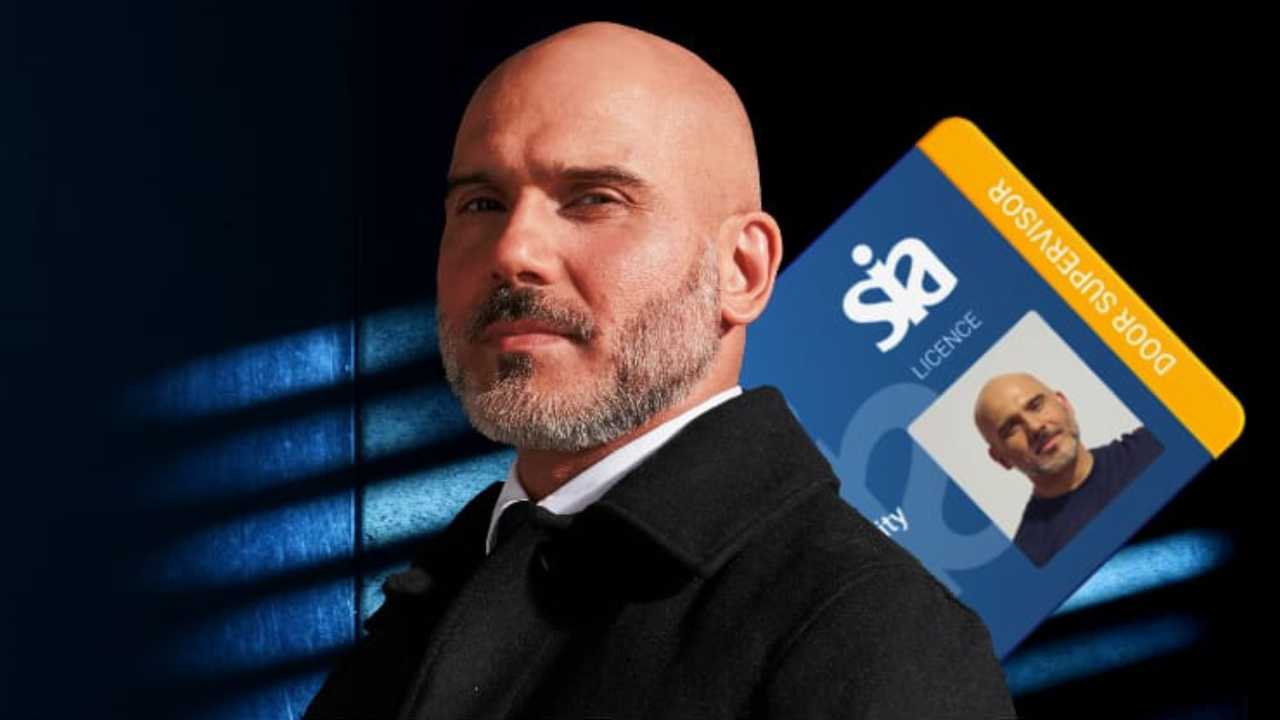
Completing your training is just the first step. Afterward, you’ll need to apply for your SIA licence, which allows you to legally work as a door supervisor in the UK. Many people find that the structured nature of the course — moving from theory to practical exams — gives them genuine confidence going into their first shifts.
Employers in the security industry often look for candidates who not only hold the licence but clearly understand why each rule and technique exists. This is exactly what a proper Door Supervisor course instills: not memorised answers, but real understanding you can apply on the job.
If you’re considering this career path, exploring a Door supervisor course in London is a solid starting point, especially given the city’s demand for licensed, well-trained security personnel.
Frequently Asked Questions
1. How long does a Door Supervisor course take to complete?
Most Door Supervisor courses run over four to five days, combining classroom-based learning with practical training sessions. Some providers offer evening or weekend formats to accommodate people who are working or studying alongside their training. Exact duration can vary slightly depending on the training provider and exam scheduling.
2. Do I need any prior experience to enrol in a Door Supervisor course?
No prior security experience is required. The course is designed to take complete beginners through everything they need to know, from legal basics to physical intervention techniques. You do need to meet basic eligibility requirements, such as being old enough to apply for an SIA licence and passing identity and criminality checks.
3. What qualification do I get after finishing the course?
Upon successful completion, you receive a recognised qualification that allows you to apply for an SIA Door Supervisor licence. This licence is legally required to work as a door supervisor anywhere in the UK, including bars, clubs, and event venues.
4. Is physical fitness a requirement for the course?
While you don’t need to be an athlete, a reasonable level of physical fitness helps, especially during the physical intervention training sessions. The course involves practical exercises that require some mobility and stamina, so being in decent general health makes the training easier to complete.
5. How much does a Door Supervisor course in London typically cost?
Pricing varies between training providers, often depending on course format, location, and any included extras like first aid certification. It’s worth comparing a few providers in London to find a course that fits your budget while still being properly accredited.
6. What’s the difference between a Door Supervisor and a Security Guard?
A Door Supervisor specifically works at entry points like clubs, bars, and events, focusing on access control, conflict management, and physical intervention when necessary. A Security Guard role is broader and can include tasks like patrolling premises, monitoring CCTV, or guarding static sites, without the same focus on door-specific conflict handling.
7. Can I work immediately after completing the course?
You can start working once you’ve completed the course and successfully obtained your SIA licence, which is processed separately after training. Processing times for the licence can vary, so it’s wise to apply as soon as you finish your course to avoid delays in starting work.
8. Does the course cover how to handle aggressive or violent situations?
Yes, conflict management and physical intervention are core parts of the training. You’ll learn de-escalation techniques first, with physical intervention taught only as a last resort, using safe and legally compliant methods designed to minimise harm to everyone involved.
9. Is the SIA licence valid across the whole UK, or just London?
An SIA licence obtained after completing a Door Supervisor course in London is valid throughout the United Kingdom, not just within the city. This means you can apply for door supervisor roles anywhere in the country once licensed.
10. How often do I need to renew my Door Supervisor licence?
SIA licences typically need to be renewed periodically, and the renewal process may involve refresher training depending on current regulations at the time. It’s important to track your licence expiry date and start the renewal process early to avoid any gap in your ability to legally work.
A Door Supervisor course is far more than a box-ticking exercise for a licence. It’s a structured pathway that takes you from knowing nothing about security work to being genuinely prepared for the unpredictability of real shifts. From legal knowledge to physical readiness, every module exists because real-world situations demand it. If you’re serious about building a career in this field, investing in proper, recognised training is the foundation everything else is built on.