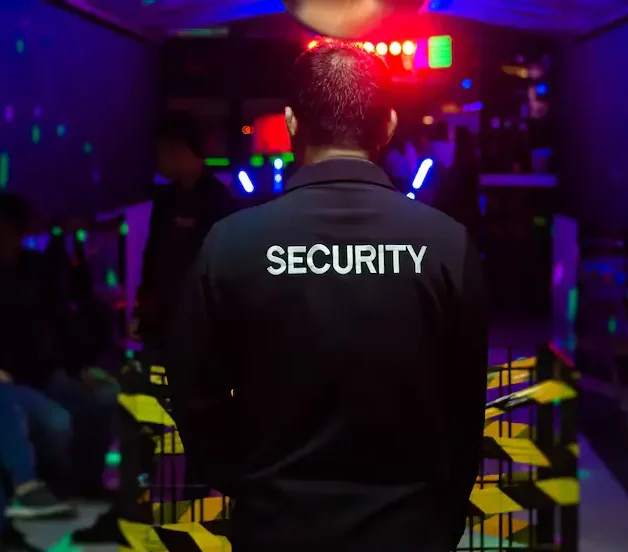

Walk past any club, bar, or event venue in London on a Friday night and you’ll see them standing at the entrance: calm, alert, and clearly in control. Door supervisors are often the first and last people a visitor interacts with at a venue, yet most people never stop to think about what the job actually involves or why it matters so much to the city’s safety. With London hosting more licensed premises, festivals, and large-scale events than almost anywhere else in the UK, this role has become one of the most essential, and most overlooked, jobs in the capital.
This guide breaks down what a door supervisor actually does, why the role is so important in a city like London, and what it takes to become one through a recognised Door Supervisor course in London.
What Is a Door Supervisor?
A door supervisor is a licensed security professional responsible for managing entry, maintaining order, and protecting the safety of staff and the public at venues such as bars, nightclubs, hotels, concert halls, and retail premises. Unlike a general security guard, a door supervisor holds specific legal powers, including the right to search individuals and refuse entry, which makes the role both more demanding and more regulated.
In the UK, this is not a casual job title anyone can take on. It’s a legally protected role overseen by the Security Industry Authority (SIA), and working as one without a valid licence is a criminal offence. To even apply for that licence, a person must first complete an approved training course, commonly known as the Door Supervisor course.
The Core Responsibilities of a Door Supervisor
The job goes far beyond standing at a door checking IDs. A typical shift might involve any combination of the following duties.
Access control and ID checks. Door supervisors decide who enters a venue and who doesn’t, based on age verification, dress codes, capacity limits, and house rules. This sounds simple, but it requires sharp judgement, especially when dealing with fake identification or intoxicated guests trying to talk their way in.
Searching for prohibited items. Door supervisors are trained to carry out searches for weapons, drugs, and other banned items before guests enter a premises. This single power, which standard security guards don’t have, is one of the clearest examples of why specialist training and licensing are required for this role.
Conflict de-escalation. Disputes between guests, aggressive behaviour, and tense situations are a near-daily reality in nightlife environments. A trained door supervisor knows how to read body language, defuse tension with communication rather than force, and only use physical intervention as a last resort.
Crowd and capacity management. Venues have legal occupancy limits, and door supervisors are responsible for monitoring numbers, managing queues, and ensuring fire exits and walkways stay clear.
Emergency response. From medical incidents to fire evacuations, door supervisors are often the first trained responder on scene. Their training typically includes basic first aid, CPR, and how to coordinate with emergency services until professional help arrives.
Liaising with police and licensing authorities. Door supervisors work closely with local police and act as the venue’s main point of contact during licensing checks, ensuring the premises stays compliant with its operating conditions under the Licensing Act 2003.
Why the Role Is Especially Important in London
London isn’t just a big city with more venues than average. It’s a uniquely demanding environment for security work, for several reasons.
The scale of nightlife and events is enormous. Between Soho’s bar scene, Shoreditch’s nightclubs, the West End’s theatres, and major arenas like the O2 and Wembley Stadium, London generates security demand on a scale most UK cities simply don’t match. Thousands of licensed venues operate every night of the week, and each one is legally required to have appropriately licensed door staff.
The city attracts a huge volume of visitors. With millions of tourists and commuters moving through central London at any given time, venues face a wider mix of unpredictable situations than smaller towns, from language barriers to unfamiliar local laws. Door supervisors need to manage these dynamics calmly and professionally, often multiple times in a single shift.
London’s licensing environment is strict. Local councils and the Metropolitan Police take licensing compliance seriously, and venues found operating without properly licensed staff face heavy fines or the loss of their licence entirely. This puts real pressure on venue owners to only hire fully qualified, SIA-licensed door supervisors.
High-profile and high-risk events are routine. Major concerts, sporting fixtures, and public events bring crowd sizes and security considerations that go well beyond a typical local pub. Door supervisors working in London are far more likely, over the course of a career, to be involved in large-scale event security than colleagues working elsewhere in the country.
Public safety expectations are higher. In a city that has experienced its share of high-profile safety incidents, both venues and the public expect security staff to be properly trained in emergency procedures, not just crowd control. This raises the bar for what’s expected from anyone entering the profession.
Put simply, London’s size, density, and nightlife culture mean the door supervisor role carries more weight and more responsibility here than almost anywhere else in the UK.
How Someone Becomes a Door Supervisor
Becoming a licensed door supervisor follows a clear, regulated path.
The first step is completing an SIA-approved training course, most commonly the Level 2 Award for Door Supervisors. This covers UK security law, conflict management, physical intervention techniques, and emergency first aid, and is typically delivered over several days of classroom and practical training. A Door Supervisor course in London gives candidates the added advantage of training in the same environment they’re likely to work in, with instructors who understand the city’s specific licensing and venue landscape.
After completing the course and passing all assessments, the candidate applies directly to the SIA for their Door Supervisor Licence. This involves a background check, proof of right to work in the UK, and an application fee, with processing typically taking several weeks. Once approved, the licence is valid for three years, after which renewal, including mandatory refresher training, is required to keep working legally.
The Skills That Set Great Door Supervisors Apart
Not every licensed door supervisor performs the job the same way, and venue managers can usually tell within a single shift which staff are simply going through the motions and which ones genuinely understand the role.
Communication is the real weapon. Most experienced door supervisors will say the same thing: the best shifts are the ones where nothing physical happens at all, because every potential conflict was talked down before it escalated. A calm tone, clear instructions, and the ability to read a room before trouble starts are far more valuable, day to day, than physical strength.
Consistency builds trust. Venues rely on door supervisors who apply the same standards to every guest, regardless of who they are or how busy the night is. Inconsistent decision-making around entry refusals or searches is one of the fastest ways to create disputes, complaints, and even legal issues for a venue.
Situational awareness never switches off. Good door supervisors are constantly scanning their environment, noticing who’s had too much to drink, who seems unusually anxious, or where a queue is starting to bottleneck near a fire exit. This kind of awareness is taught during training, but it’s sharpened through real experience on the job.
Professionalism under pressure. A door supervisor might be dealing with a medical emergency one moment and a verbal altercation the next, all while staying outwardly composed for the dozens of other guests still arriving. That ability to compartmentalise and keep functioning calmly is something employers actively look for when hiring.
How Venues and the Public Both Benefit
It’s easy to think of door supervisors purely as a legal requirement that venues have to tick off, but the value they bring runs much deeper than compliance.
For venue owners, a well-trained door team reduces liability significantly. Incidents that aren’t managed properly can lead to injuries, reputational damage, and in serious cases, the loss of a premises licence entirely. A competent door supervisor is effectively a frontline risk manager, protecting both the business and the people inside it.
For the public, the presence of visibly trained, licensed staff changes the entire feel of a venue. Guests are generally far more comfortable in spaces where they know there’s someone capable of handling trouble quickly and fairly, whether that’s an aggressive patron, a medical emergency, or simply an overcrowded smoking area. This sense of safety is part of why London’s most reputable venues invest heavily in experienced security teams rather than treating door staff as an afterthought.
There’s also a wider community benefit. Door supervisors often act as an informal extension of local policing in busy nightlife districts, spotting issues early, communicating with officers when needed, and helping prevent minor incidents from escalating into something that requires a full police response. In areas with a high concentration of late-night venues, this kind of frontline presence makes a measurable difference to overall safety on the street, not just inside individual buildings.
Common Misconceptions About the Role
A few myths tend to follow the door supervisor profession around, and it’s worth addressing them directly.
“It’s just about being big and intimidating.” Physical presence can help, but it’s far from the most important quality. Plenty of highly respected door supervisors succeed through communication skills and emotional intelligence rather than size or strength. The course content itself reflects this, with far more time spent on conflict management and law than on physical technique.
“Anyone can do it without training.” This is not only inaccurate, it’s illegal. Working as a door supervisor without an SIA licence is a criminal offence in the UK, regardless of someone’s experience or confidence in the role.
“It’s a dead-end job.” In reality, the role is one of the more flexible entry points into the wider security and protection industry. People regularly move from door supervision into close protection, corporate security, event management, and training roles once they’ve built up experience and a track record.
“Female door supervisors aren’t taken as seriously.” This perception is increasingly outdated. Many London venues specifically value mixed-gender security teams, both for conducting same-sex searches and for creating a more approachable atmosphere for guests.
Is It a Good Career Choice?
For many people, yes. The role offers a genuinely low barrier to entry: no prior security experience is needed, and training can usually be completed within a week. London’s job market for door supervisors is also unusually strong, with consistent demand across hospitality, events, and retail security, and hourly rates that tend to be higher than in most other UK regions because of the volume and intensity of work available.
It also offers a realistic route into higher-paying security careers. Many close protection officers, event security managers, and security team leaders started out as door supervisors, using the role to build experience before specialising further.
That said, it’s not a job for everyone. It requires a level head under pressure, physical readiness, and genuine comfort working in fast-paced, sometimes confrontational environments. People considering the career should be honest with themselves about whether they’re suited to that kind of work before investing in training.
Frequently Asked Questions
What does a door supervisor do exactly?
A door supervisor manages entry to a venue, checks identification, searches guests for prohibited items, monitors crowd behaviour, de-escalates conflict, and responds to emergencies. They are also responsible for helping the venue stay compliant with its licensing conditions.
Do you need a licence to work as a door supervisor in London?
Yes. Anyone working as a door supervisor anywhere in the UK, including London, must hold a valid SIA Door Supervisor Licence. Working without one is a criminal offence, and venues that employ unlicensed staff also risk losing their own operating licence.
How long does it take to become a door supervisor?
Most candidates complete their training course within four to six days, after which the SIA licence application typically takes several weeks to process. The exact timeline depends on the training provider and how quickly the background check is completed.
What’s the difference between a door supervisor and a security guard?
A security guard licence covers static guarding roles like patrolling a building or monitoring access to a site. A door supervisor licence is specifically required for licensed premises such as pubs, clubs, and events, and includes the legal power to search individuals, which security guards do not have.
Is door supervisor training hard to pass?
The course is intensive but designed to be accessible to complete beginners. It combines written exams with practical assessments in physical intervention and first aid. Most reputable providers offer guidance and resit opportunities for anyone who doesn’t pass an element first time.
Do door supervisors carry weapons?
No. SIA-licensed door supervisors in the UK are not permitted to carry weapons of any kind. Their training instead focuses on communication, de-escalation, and approved physical intervention techniques for use only when necessary.
Why is London such a strong job market for door supervisors?
London has one of the highest concentrations of licensed venues, events, and tourist activity in the UK. This consistent demand, combined with strict local licensing enforcement, means qualified door supervisors are needed across the city every night of the week.
Can women work as door supervisors?
Yes. There’s no difference in training, licensing requirements, or job expectations between male and female door supervisors. Female door supervisors are increasingly sought after, particularly for venues that require same-sex searches or want a more balanced security team.
What happens if a door supervisor’s licence expires?
Working with an expired SIA licence is treated the same as working without one at all. Door supervisors must renew their licence before it lapses, which now also requires completing mandatory refresher training as part of the renewal process.
Is becoming a door supervisor a good first job in security?
For most people, yes. It requires no prior experience, offers relatively fast training and entry into paid work, and provides a strong foundation for moving into more specialised security careers later on, such as close protection or event security management.
Final Thoughts
Door supervisors do far more than stand at an entrance. In a city like London, where nightlife, tourism, and large-scale events collide every single night, they play a frontline role in public safety that’s easy to underestimate until something goes wrong. The training, the licensing, and the responsibility behind the job are all there for good reason.
For anyone considering this path, completing a recognised Door Supervisor course in London is the essential first step toward a legally compliant, genuinely useful, and surprisingly resilient career.