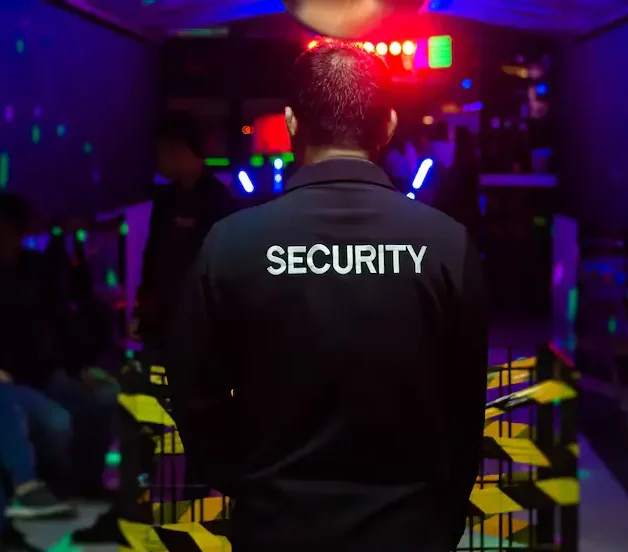
Conflict is a normal part of public-facing security work. In busy environments, disagreements can develop for many reasons, including misunderstandings, frustration, intoxication, queues, denied entry, disputes between customers, or concerns about rules and procedures. For security professionals, the ability to recognise tension and respond appropriately can be just as important as physical security skills.
Conflict de-escalation refers to the techniques used to reduce tension, prevent a situation from becoming more serious, and encourage a safer resolution. Rather than immediately responding with force or confrontation, de-escalation focuses on communication, awareness, patience, appropriate boundaries and proportionate decision-making.
For people considering a career in security, particularly those interested in a Door Supervisor Course London, understanding the principles of conflict de-escalation can provide valuable insight into the responsibilities involved in working with members of the public.
What Is Conflict De-escalation?
Conflict de-escalation is the process of reducing the intensity of a disagreement or potentially aggressive situation.
A person who is angry may initially be frustrated but become increasingly confrontational if they feel ignored, embarrassed, threatened or disrespected. A poor response can sometimes increase the person’s emotional reaction. A calm and controlled response, on the other hand, may help prevent the situation from escalating.
De-escalation does not mean allowing inappropriate behaviour to continue. Security personnel still have responsibilities to maintain safety, enforce venue procedures and protect people and property. The objective is to manage the situation in a controlled and proportionate manner.
Effective de-escalation can involve:
- Listening to what the person is saying
- Speaking calmly and clearly
- Maintaining appropriate personal space
- Avoiding unnecessary confrontation
- Setting clear boundaries
- Offering reasonable options where possible
- Recognising signs of increasing aggression
- Calling for assistance when required
- Prioritising the safety of everyone involved
The approach will depend on the circumstances. There is no single sentence or technique that will resolve every conflict.
Why De-escalation Matters in Security
Security professionals often work in environments where they regularly interact with unfamiliar people.
A door supervisor may deal with customers entering a venue, people who have been refused entry, individuals who have been asked to leave, or groups involved in disagreements. A security guard may encounter someone attempting to access a restricted area or a visitor who does not understand site procedures.
In each situation, communication can influence what happens next.
If a relatively minor disagreement is handled poorly, it may develop into verbal abuse, threats, physical confrontation or a wider disturbance. De-escalation can help prevent unnecessary escalation by addressing problems before they become more serious.
This is particularly relevant in London’s busy hospitality and entertainment environments, where security personnel may have to manage large numbers of people while remaining alert to potential risks.
Recognising Early Warning Signs
One of the most important parts of de-escalation is recognising tension before it reaches a critical point.
Aggression does not always begin with physical violence. There may be earlier indicators that someone is becoming increasingly frustrated or agitated.
Possible warning signs include:
- Raised voice
- Repeated complaints
- Aggressive gestures
- Excessive swearing
- Invading personal space
- Refusal to follow reasonable instructions
- Pacing or restless movement
- Increasingly confrontational language
- Intense staring
- Attempts to provoke an argument
These signs do not automatically mean that someone will become violent. People can display frustration or anxiety without intending to harm anyone.
The important point is to consider the overall situation rather than making assumptions based on one behaviour.
Security personnel should remain observant and avoid unnecessarily labelling people as dangerous simply because they appear upset.
The Importance of Staying Calm
A security professional’s behaviour can influence the atmosphere around them.
If an individual is shouting and the security officer responds by shouting louder, the situation may become more difficult to control. A calm voice and measured communication can provide a contrast to the person’s emotional state.
Staying calm does not mean appearing weak or uncertain. Professional confidence can be communicated through clear language, controlled body language and consistent decision-making.
A useful approach is to avoid taking insults or aggressive comments personally. Security personnel may encounter people who are angry with a decision rather than with them personally.
Maintaining professional composure helps keep attention focused on the problem rather than turning the interaction into a personal argument.
Listening Before Responding
People who feel that they are not being heard can become more frustrated.
Active listening can help a security professional understand what is causing the disagreement. This does not mean agreeing with everything the person says. It means giving them an opportunity to explain their concern before deciding how to respond.
For example, if someone is upset because they have been refused entry to a venue, immediately arguing with them may increase their frustration. Listening briefly and then explaining the relevant decision in clear language can create a more controlled interaction.
Useful communication can include statements such as:
“I understand that you’re frustrated.”
“Let me explain what the issue is.”
“Please give me a moment so I can explain the situation.”
These statements acknowledge the person’s concern without necessarily agreeing with their behaviour or demands.
Clear and Simple Communication
During a tense situation, complicated explanations may not be helpful.
Security professionals should aim to communicate information clearly and directly. The person should understand what is being asked of them and, where appropriate, why.
For example, instead of using unnecessarily complicated language, an officer might explain that access is restricted and that the person needs to leave the area.
Clear communication can reduce misunderstandings and help establish expectations.
However, communication should remain respectful. Being direct does not require being rude or confrontational.
Body Language and Personal Space
Communication is not limited to spoken words.
Body language, posture, facial expressions and positioning can affect how an interaction develops.
Standing too close to an angry person may make them feel threatened or trapped. Conversely, positioning oneself appropriately can provide space while maintaining awareness of the situation.
Security professionals should also remain conscious of exits, nearby people and potential hazards.
This is particularly important in crowded venues. A confrontation involving two people can quickly attract attention from others, potentially increasing the risk of a larger disturbance.
Maintaining awareness of the surrounding environment is therefore an important part of conflict management.
Setting Professional Boundaries
De-escalation should not be confused with simply allowing unacceptable behaviour.
Security personnel may need to establish clear boundaries when someone refuses to follow reasonable instructions or continues disruptive behaviour.
Boundaries should be communicated calmly and consistently.
For example, a security professional may explain what behaviour is expected and what action may follow if the person refuses to comply. The exact response will depend on the venue’s policies, the circumstances and the legal authority available to the security professional.
Avoiding threats or unnecessary provocation is important. The objective should be to establish control of the situation without creating additional conflict.
Giving Reasonable Choices
Where circumstances allow, offering appropriate choices can sometimes help reduce confrontation.
People may become more cooperative when they understand what options are available.
For example, rather than repeatedly demanding compliance without explanation, a security professional might explain the available next steps within the limits of venue policy.
However, choices should only be offered when they are genuine and appropriate. Security staff should not make promises they cannot keep or offer options that conflict with their employer’s procedures.
The purpose is to create a path towards a safe resolution, not to negotiate away legitimate security requirements.
Dealing With Intoxicated Individuals
Alcohol and other substances can affect judgement, communication and emotional control. Security professionals working in nightlife and hospitality environments may therefore encounter intoxicated individuals.
Dealing with someone who is intoxicated can require additional patience and awareness.
The person may misunderstand instructions or react emotionally to a decision. Repeating a simple instruction calmly may be more effective than engaging in a lengthy argument.
Security personnel should also consider whether the person requires assistance. Someone who is heavily intoxicated may be vulnerable and could require support from venue management, medical professionals, friends or emergency services depending on the circumstances.
The appropriate response should always be based on the situation and the organisation’s procedures.
Knowing When De-escalation Is Not Working
De-escalation is not guaranteed to work in every situation.
A security professional should recognise when a situation is continuing to deteriorate. Increasing threats, attempts to assault someone, weapons, serious disorder or immediate risks to life may require urgent action and assistance.
At this point, continuing a prolonged verbal argument may not be appropriate.
Security personnel should follow their training, workplace procedures and legal responsibilities. They may need to call colleagues, supervisors, emergency services or the police depending on the circumstances.
The key principle is that safety comes first.
The Role of Teamwork
Security is rarely about one person working completely independently.
Door supervisors and security guards often work as part of a team. Effective communication between colleagues can help prevent an isolated incident from becoming more serious.
For example, one officer may communicate with an agitated person while another maintains awareness of the surrounding area or informs a supervisor.
Teamwork can also help avoid unnecessary misunderstandings. Security staff should know how to communicate important information quickly and accurately.
Radio communication, incident reporting and clear workplace procedures can all contribute to effective security operations.
De-escalation and Physical Intervention
Physical intervention should not be viewed as the first response to ordinary verbal disagreement.
The objective of de-escalation is often to prevent situations from reaching a point where physical intervention becomes necessary.
However, security professionals may encounter circumstances where physical intervention becomes relevant. Any intervention must be consistent with applicable law, training, workplace procedures and the specific circumstances.
Security personnel should understand the difference between attempting to control a genuine safety risk and responding emotionally to someone who has simply been rude or verbally challenging.
Professional judgement is essential.
Training can help security professionals understand how communication, situational awareness and appropriate intervention fit together.
Understanding Personal Safety
De-escalation is not only about protecting the other person. Security personnel also need to protect themselves and those around them.
An officer should remain aware of potential escape routes, nearby hazards, other people becoming involved and changes in the individual’s behaviour.
This situational awareness can help the officer make better decisions as circumstances change.
It is also important not to become so focused on one person that the wider environment is ignored. A security professional may need to monitor a crowd, colleagues, entrances and exits while dealing with a single conflict.
Documentation After an Incident
Managing a conflict does not necessarily end when the immediate situation is resolved.
Depending on workplace procedures, an incident may need to be documented.
Accurate records can help an organisation understand what happened and may be important if there is a later complaint, investigation or legal issue.
Reports should focus on factual information rather than personal opinions. Relevant details may include what happened, who was involved, what actions were taken, when the incident occurred and whether assistance was requested.
Good documentation can also help organisations identify recurring problems and improve future procedures.
The Importance of Professionalism
Professionalism is one of the most valuable qualities in security work.
A security officer represents both the security company and, in many cases, the organisation where they are working. Their communication and behaviour can influence public confidence.
Professionalism involves being respectful without compromising legitimate security responsibilities.
It means treating people fairly, avoiding unnecessary confrontation and remaining consistent when dealing with difficult situations.
It also means understanding that security work is not simply about authority. It involves responsibility, judgement and accountability.
Learning De-escalation Through Security Training
People entering the private security industry can benefit from learning how conflict develops and how it can be managed.
Training can provide an understanding of communication techniques, conflict management, legal responsibilities, physical intervention principles and personal safety.
Anyone considering a career as a door supervisor should research current SIA requirements and choose training that meets the applicable licensing standards.
A Door Supervisor Course London can be relevant for people planning to work in London’s licensed premises and entertainment sector, but prospective learners should always check the latest official SIA requirements before enrolling.
Training is only one part of professional development. Real-world experience, observation, communication and continued learning can all contribute to becoming a more capable security professional.
De-escalation as a Preventive Approach
One of the biggest advantages of de-escalation is that it focuses on prevention.
The best outcome is often not winning an argument but preventing the argument from becoming a serious incident.
A professional security officer may achieve this by identifying frustration early, listening to the person’s concern, explaining the situation clearly, maintaining appropriate boundaries and seeking assistance when necessary.
Every situation is different, so there is no universal formula. Good judgement comes from combining training, experience, observation and an understanding of the environment.
Conclusion
Conflict de-escalation is an important part of professional security work because security personnel frequently interact with people who may be frustrated, upset, confused or intoxicated.
Effective de-escalation involves much more than simply telling someone to calm down. It requires active listening, clear communication, appropriate body language, situational awareness, professional boundaries and an understanding of when additional support is needed.
For door supervisors in London, these skills can be particularly valuable because the role often involves direct interaction with members of the public in busy entertainment and hospitality environments.
Ultimately, effective security is about protecting people and maintaining a safe environment. De-escalation provides security professionals with a practical approach to managing tension while keeping safety, professionalism and proportionate decision-making at the centre of their work.