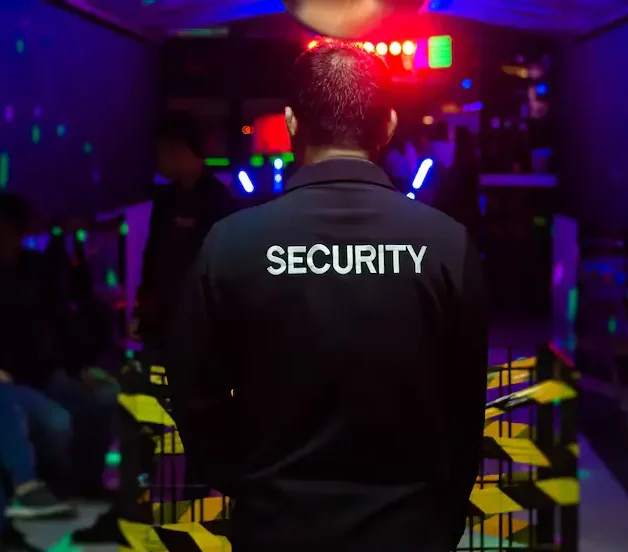
Door supervision is often associated with access control, safety and dealing with difficult situations. However, one of the most important parts of the role is sometimes overlooked: customer service.
A door supervisor can be one of the first people a customer meets when entering a pub, nightclub, bar, hotel, event venue or other entertainment establishment. The way that person communicates can influence the visitor’s entire experience. A professional approach can make customers feel welcome and safe, while poor communication can create unnecessary tension.
For anyone considering a career in the security industry, understanding the relationship between security and customer service is therefore important. A door supervisor is expected to maintain safety and enforce venue policies, but these responsibilities do not have to conflict with providing a professional and respectful experience for customers.
This is particularly relevant for people researching a Door Supervisor Course London, as London has a wide range of licensed venues and entertainment environments where security personnel interact with members of the public every day.
What Does Customer Service Mean in Door Supervision?
Customer service in door supervision is not the same as customer service in a shop, restaurant or hotel.
A door supervisor’s primary responsibility is security. They may need to check identification, manage entry, monitor behaviour, prevent unauthorised access and respond appropriately to incidents.
At the same time, these duties are carried out around customers and members of the public. Communication therefore becomes an important part of performing the job effectively.
Good customer service can include greeting people politely, explaining venue policies clearly, answering reasonable questions, giving directions and remaining professional when someone is unhappy with a decision.
The objective is not to allow everyone into a venue or avoid difficult conversations. Instead, it is about handling normal interactions and challenging situations in a calm, respectful and consistent manner.
Why First Impressions Matter
Door supervisors often provide the first point of contact at an entertainment venue.
A customer may approach the entrance expecting a pleasant evening. If the first interaction is unnecessarily aggressive or dismissive, it can immediately affect their perception of the venue.
A professional greeting and clear communication can create a very different impression.
For example, instead of simply saying that identification is required, a door supervisor can politely explain the requirement and give the customer an opportunity to provide the appropriate document.
The security function remains exactly the same, but the communication style is different.
This is particularly important in busy London venues where staff may interact with people from different backgrounds, age groups and cultures throughout a shift.
Security and Customer Service Work Together
There can be a misconception that being friendly makes a security professional less effective.
In reality, professionalism and authority can exist together.
A door supervisor can be approachable while still maintaining clear boundaries. They can listen to a customer without agreeing to an inappropriate request. They can explain a decision without entering into an argument. They can remain calm without appearing uncertain.
This balance is one of the most useful interpersonal skills in the role.
Effective customer service can also support security because clear communication may prevent misunderstandings from becoming confrontations.
For example, if a customer is refused entry, simply giving a short and unclear response may lead to repeated questions or frustration. Explaining the relevant venue policy calmly can make the decision easier to understand.
Communication Skills Are Essential
Communication is one of the most valuable skills a door supervisor can develop.
The role can involve speaking with customers, colleagues, managers, event organisers, emergency personnel and other security staff. Each situation may require a slightly different communication style.
A professional door supervisor should aim to:
- Speak clearly and confidently
- Listen before responding
- Avoid unnecessary confrontation
- Explain decisions where appropriate
- Use respectful language
- Give clear instructions during incidents
- Remain professional when challenged
Communication is especially important when dealing with people who are confused, frustrated or affected by alcohol.
A calm tone can sometimes achieve more than a raised voice.
Handling Difficult Customers
Door supervisors will inevitably encounter difficult interactions.
A customer might be unhappy about an entry decision, disagree with a venue rule or complain about being asked to leave. In these situations, the security professional’s response can influence what happens next.
The first step is often to remain calm.
Arguing emotionally with an already frustrated person can make the situation worse. Instead, the door supervisor can listen to the concern, establish what the person wants and explain the relevant policy or decision.
This does not mean tolerating threatening or abusive behaviour. Safety remains the priority, and door supervisors must follow the appropriate procedures when an interaction becomes unsafe.
The important point is that customer service should not disappear simply because someone is unhappy. Professional behaviour should continue for as long as the circumstances allow.
Conflict Management
Conflict management is closely connected to customer service.
Many disagreements can be resolved through communication before they develop into more serious incidents. A person may be angry because they do not understand why they have been refused entry or why a particular venue rule applies to them.
A clear explanation may resolve the issue.
Good conflict management involves recognising when a conversation is becoming increasingly tense and adapting the approach accordingly. This can include using calm language, maintaining appropriate personal space, avoiding provocative statements and seeking assistance when necessary.
A door supervisor should also understand that not every disagreement needs to become a personal argument.
The decision may be part of the venue’s policy rather than an individual opinion. Communicating that distinction can help keep the interaction professional.
Dealing With Alcohol-Affected Customers
Licensed venues present a particular customer-service challenge because some visitors may have consumed alcohol.
Alcohol can affect judgement, coordination, emotional responses and communication. As a result, a normal conversation can sometimes become more difficult.
Door supervisors need to recognise that a person who is behaving unusually may not respond well to aggressive communication.
A calm and simple approach can be more effective.
For example, instructions should be clear and easy to understand. Repeating a decision calmly may be preferable to entering into a prolonged argument.
At the same time, staff must remain alert to potential risks and follow venue procedures when someone’s behaviour creates a safety concern.
Refusing Entry Professionally
Refusing entry is one of the situations where customer service becomes particularly important.
There can be many legitimate reasons why a person may not be allowed into a venue. The customer may not meet an age requirement, may not have acceptable identification, may not comply with a venue policy or may otherwise be refused under the establishment’s procedures.
Whatever the reason, communication should remain professional.
A simple explanation can often reduce confusion.
Instead of making the interaction personal, the door supervisor can focus on the applicable rule or policy. This approach can make it clear that the decision relates to the venue’s requirements rather than being an unnecessary personal confrontation.
The exact wording will depend on the circumstances and the venue’s procedures.
Managing Queues
Customer service is also important before customers even enter the venue.
Large queues can become difficult to manage, particularly during busy nights, special events or popular performances.
Customers may become frustrated if they do not understand how the queue is progressing or why entry is taking longer than expected.
Door supervisors can help by providing clear information, maintaining an organised entrance and communicating relevant instructions.
Queue management is not only about moving people through an entrance quickly. It can also contribute to safety by helping prevent overcrowding and disorder around the entrance.
A professional manner can make customers more willing to follow instructions.
Treating People Fairly and Respectfully
Professional customer service requires consistency.
Door supervisors may deal with hundreds of people during a busy shift. They should apply the venue’s policies fairly and avoid making unnecessary assumptions about individuals.
Respectful communication is important regardless of a customer’s appearance, background or attitude.
A consistent approach can also improve trust. When customers see that rules are being applied according to established procedures rather than personal preferences, they may be more willing to accept decisions they do not like.
Fair treatment does not mean every customer receives the outcome they want. It means security decisions should be made professionally and according to the appropriate rules and procedures.
Cultural Awareness in London
London is a highly diverse city, and security personnel may interact with people from many different cultural and linguistic backgrounds.
Cultural awareness can therefore contribute to better communication.
A door supervisor does not need to know every cultural custom or language. However, being respectful, avoiding unnecessary assumptions and communicating clearly can make interactions more effective.
Where language creates a genuine communication difficulty, a door supervisor may need to find an appropriate way to explain the relevant information or involve another member of staff when possible.
The underlying principle is simple: communicate professionally and focus on the security issue rather than making the interaction personal.
Customer Service During Emergencies
Customer service is not limited to routine situations.
During an emergency, communication can become a critical part of maintaining safety.
If customers need to leave an area, follow an evacuation procedure or move away from a particular location, instructions need to be clear and confident.
People may be frightened or confused during an emergency. A door supervisor who communicates calmly can help reduce uncertainty.
This does not mean attempting to perform responsibilities outside their training. Security staff should follow the venue’s emergency procedures and instructions from the appropriate authorities.
Their role may include helping manage people, communicating information and supporting an orderly response.
Professionalism Under Pressure
One of the biggest differences between ordinary customer service and door supervision is the potential for high-pressure situations.
A door supervisor may be verbally challenged, surrounded by a busy crowd or required to respond quickly to an incident.
Remaining professional under these conditions is an important skill.
Professionalism can include controlling one’s tone of voice, avoiding unnecessary arguments, following procedures and recognising when additional assistance is needed.
Customers are not necessarily judging the security officer only by what happens when everything is calm. They may remember how staff behaved when a difficult situation occurred.
Why Listening Matters
Customer service is not simply about speaking.
Listening is equally important.
A customer may approach a door supervisor because they have lost a ticket, cannot find an entrance, have a question about the queue or want to understand a particular venue requirement.
Listening carefully before responding can prevent misunderstandings.
It also helps the door supervisor identify whether the situation is a routine customer-service issue or something that requires a security response.
Active listening does not mean agreeing with everything someone says. It means giving the person an opportunity to explain the issue before deciding how to respond.
Working With Other Venue Staff
Door supervisors are part of a wider team.
They may work alongside bar staff, reception employees, managers, event staff, medical personnel and other security officers.
Good internal communication can improve the customer experience as well as overall security.
For example, if a customer has a question that the door supervisor cannot answer, directing them to the appropriate member of staff is more useful than giving uncertain information.
Similarly, security staff should communicate relevant incidents to supervisors and colleagues according to the venue’s procedures.
Teamwork helps ensure that customers receive consistent information.
The Business Impact of Good Customer Service
Customer service can also have an indirect effect on a venue’s reputation.
Visitors may remember the behaviour of security staff when reviewing their overall experience. Professional security personnel can therefore contribute to a positive environment without compromising their responsibilities.
For venue operators, this can be valuable.
A safe venue that also provides respectful treatment is more likely to create a positive impression among customers.
However, security decisions should never be influenced simply by the desire to avoid complaints. The primary responsibility remains maintaining safety and following the applicable policies and procedures.
The strongest approach is to combine effective security with professional communication.
Training for the Role
Anyone considering door supervision should understand that the role involves more than physical presence at an entrance.
Training helps candidates understand the responsibilities associated with the profession, including areas such as communication, conflict management, safety and legal responsibilities.
People researching a Door Supervisor Course London should also consider whether the training provider offers a course that meets the current requirements for the relevant SIA licence.
The SIA’s official guidance should always be checked for the latest licensing and qualification requirements because requirements can change over time.
Training is the starting point, but practical experience also helps security professionals develop confidence in dealing with different types of people and situations.
Customer Service Is Part of Professional Security
The most effective door supervisors understand that security and customer service are not opposing responsibilities.
A professional security officer can enforce rules while treating people with respect. They can refuse entry without being unnecessarily confrontational. They can manage difficult behaviour without losing control of their own communication.
Customer service is particularly valuable because door supervisors operate in environments where public interaction is unavoidable.
The objective is not to make every customer happy with every decision. That would not always be possible. Instead, the objective is to ensure that interactions are handled fairly, calmly and professionally while maintaining the required level of security.
Conclusion
Customer service is an important part of effective door supervision because security professionals regularly interact with members of the public.
From welcoming customers and managing queues to explaining entry decisions and dealing with difficult situations, communication can influence both safety and the overall experience at a venue.
Good customer service does not make a door supervisor less authoritative. When combined with confidence, awareness and knowledge of appropriate procedures, it can make security work more effective.
For anyone considering a career in the UK’s private security industry, developing strong communication and interpersonal skills alongside the required training can provide a valuable foundation for professional work.
In a busy and diverse environment such as London, the ability to maintain security while communicating respectfully is a particularly useful quality for anyone entering the door supervision profession.