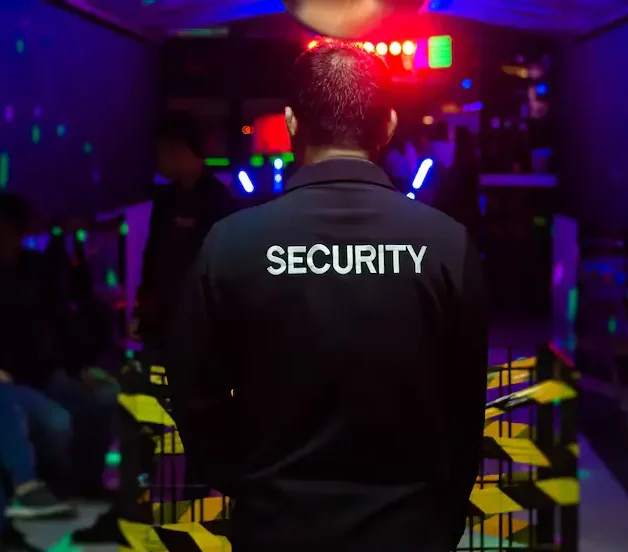
Door supervisors play an important role in maintaining safety at licensed premises, entertainment venues and events. Their responsibilities can extend far beyond checking identification or controlling access at an entrance. When an emergency occurs, a door supervisor may become one of the first people expected to recognise the problem, alert the appropriate people and help maintain order while emergency services are contacted or arrive.
Emergency situations can take many forms. A venue may experience a fire alarm, medical emergency, serious fight, overcrowding, suspicious activity, security threat or incident involving a vulnerable person. Each situation requires a different response, but the underlying principles remain similar: stay calm, follow established procedures, communicate clearly and avoid making a situation more dangerous.
For anyone considering a career in the private security industry, understanding how emergencies are managed is an important part of understanding the role. Training for door supervisors includes emergency procedures, fire safety, communication, conflict management, physical intervention, first aid awareness and other areas relevant to maintaining safety. The Security Industry Authority (SIA) specifically includes emergency procedures within the required door supervisor training framework.
Understanding the Door Supervisor’s Role During an Emergency
A door supervisor is not a replacement for the police, fire and rescue service, ambulance service or other emergency professionals. Their role is generally to manage the situation within their responsibilities, protect people from immediate risks where possible, communicate information and follow the venue’s emergency procedures.
The exact responsibilities can depend on the venue, the type of incident and the instructions established by management.
For example, during a fire alarm, the priority may be helping people follow the venue’s evacuation procedure. During a fight, the priority may be preventing the situation from escalating while seeking appropriate assistance. During a medical emergency, the door supervisor may need to call for medical help and provide appropriate first aid within their training.
The important point is that emergency response should be structured rather than improvised.
Staying Calm Under Pressure
One of the most important qualities for a door supervisor is the ability to remain calm when other people are becoming distressed.
Emergencies can create confusion. Customers may start moving quickly, shouting or asking security staff what is happening. If security personnel react with panic, the situation can become more difficult to control.
A professional response begins with assessing what is happening and identifying the immediate risks. The door supervisor can then communicate relevant information to colleagues, supervisors or emergency services.
Clear communication is particularly important in busy London venues, where large crowds can make even a relatively small incident difficult to manage.
The objective is not to create unnecessary alarm. Instead, security personnel should communicate information accurately and professionally while following the venue’s established procedures.
Fire and Evacuation Emergencies
Fire is one of the key emergency scenarios covered in door supervisor training.
Licensed premises can contain large numbers of people, which means evacuation procedures need to be understood before an emergency occurs. Door supervisors should know the venue’s evacuation arrangements, emergency exits and relevant responsibilities.
The SIA’s training specification specifically includes fire safety awareness and emergency procedures as part of the training framework for door supervisors.
During an evacuation, security personnel may have responsibilities relating to access control, crowd movement and helping people follow the venue’s procedures. They should avoid creating additional risks and should follow instructions from the responsible management and emergency services.
A door supervisor’s knowledge of the venue is particularly valuable in an emergency. Someone familiar with the layout may know where exits are located, which areas could become congested and how customers normally move through the premises.
Medical Emergencies
Medical incidents are another situation that door supervisors may encounter.
People attending licensed premises can become unwell for many reasons. Someone might suffer an injury, become unconscious, experience a serious illness or require urgent medical attention.
The appropriate response depends on the circumstances and the individual’s condition. Security staff should seek medical assistance and provide first aid within the limits of their training.
First aid is an important part of the licensing process. The SIA requires applicants for door supervisor and security guard licence-linked training to hold an appropriate first aid qualification before taking the relevant training. The qualification must meet the applicable requirements and have sufficient validity remaining.
Current SIA guidance also states that first aid training must cover responses to life-threatening bleeding and opening airways, alongside the relevant emergency first aid requirements.
This demonstrates why first aid knowledge is not simply an additional workplace skill. It is directly relevant to the responsibilities associated with licensed security work.
Dealing With Fights and Physical Confrontations
Arguments and fights can occur in busy entertainment environments. A door supervisor needs to recognise when a disagreement is becoming a security incident and take appropriate action.
The first objective is generally to prevent the situation from escalating. Communication and conflict management can sometimes resolve an incident before physical intervention becomes necessary.
SIA training includes conflict management and practical physical intervention skills for door supervisors. The training framework covers communication techniques and scenarios involving disputes, fights, first aid situations and other incidents within licensed premises.
Physical intervention should not be viewed as the automatic response to difficult behaviour. A professional security officer must understand when intervention is appropriate, how to minimise risk and when assistance from the police or other emergency services is required.
The circumstances of every incident are different, which is why training focuses on decision-making and risk awareness rather than simply teaching physical techniques.
Managing Serious Security Threats
Door supervisors may also encounter suspicious activity or information suggesting a serious security threat.
The SIA states that security training includes awareness of terrorism and emergency procedures. Door supervisors are expected to understand the importance of vigilance and to know how relevant threats should be reported.
This does not mean that door supervisors are expected to investigate threats themselves. Their role is to recognise potentially concerning behaviour, follow the venue’s procedures and communicate information to the appropriate authorities.
Suspicious behaviour might involve someone taking an unusual interest in security arrangements or repeatedly observing a venue without an obvious reason. Security personnel should avoid making assumptions based purely on appearance or personal characteristics. Decisions should be based on behaviour, credible information and established security procedures.
Responding to Suspicious Items
A suspicious package or object can create significant uncertainty.
Door supervisors should not treat an unfamiliar object as harmless simply because it appears ordinary. At the same time, they should not unnecessarily create panic.
The appropriate response depends on the circumstances and the venue’s emergency plan. Security staff should report concerns through the appropriate channels, follow established procedures and comply with instructions from emergency services.
The SIA’s emergency and counter-terrorism training content includes awareness of different emergency scenarios, including bomb threats and serious threats.
The key principle is to avoid unnecessary handling or investigation of a potentially dangerous object and allow appropriately trained authorities to manage the threat.
Supporting Vulnerable People
Emergency situations can be particularly difficult for vulnerable individuals.
A person may become distressed, confused or separated from friends during an incident. Someone who is intoxicated or affected by drugs may also have difficulty understanding instructions or recognising danger.
Door supervisor training includes specific attention to vulnerable individuals. Current refresher training requirements also include vulnerability training, including awareness of issues such as spiking.
A professional approach involves treating vulnerable people with care while maintaining appropriate security procedures.
For example, a security professional may need to identify when someone requires assistance rather than treating their behaviour simply as troublesome. Good communication can help prevent vulnerable individuals from becoming further distressed.
Communication With Emergency Services
When a serious incident occurs, accurate communication can be as important as physical security.
A door supervisor may need to communicate with venue management, colleagues, police officers, ambulance personnel or fire and rescue services.
Information should be concise and factual. This may include the location of the incident, the nature of the emergency, the number of people involved and any immediate risks.
Security staff should avoid exaggerating information or making assumptions. Accurate reporting helps emergency responders understand the situation and make informed decisions.
Incident recording is also an important professional responsibility. The SIA’s door supervisor training framework includes recording incidents and crime preservation as part of the specialist module.
Crowd Management During Emergencies
Crowd behaviour can become one of the biggest challenges during an emergency.
A venue that normally operates safely may become difficult to manage when hundreds of people suddenly want to leave at the same time. Panic, confusion and competing movements can increase the risk of falls, congestion or people becoming separated.
Door supervisors therefore need to understand the venue’s crowd management procedures.
Their familiarity with entrances, exits, queues and internal areas can help them support an organised response. Communication is particularly important because people need clear information about what they should do.
Training for door supervisors includes emergency procedures as well as dealing with queues and crowds, reflecting the importance of managing people safely in busy environments.
Why Emergency Planning Matters
Effective emergency response starts before an incident happens.
Door supervisors should be familiar with the procedures relevant to the venue where they work. This can include evacuation arrangements, emergency contacts, reporting processes, first aid arrangements and the location of relevant equipment.
A security professional who has never considered an emergency plan before an incident occurs may lose valuable time trying to determine what to do.
Preparation allows staff to respond more confidently.
Venue management also has an important role in ensuring that staff understand site-specific procedures. Security teams should know who is responsible for making key decisions and how information should be passed between staff members.
The Importance of Conflict Management
Not every emergency begins as an obvious emergency.
A disagreement between customers can gradually develop into a physical confrontation. A customer who is angry about being refused entry may become increasingly aggressive. A dispute between customers and staff can also escalate.
This is why conflict management is such an important part of door supervision.
SIA training includes communication and conflict management scenarios designed to help learners recognise situations that could lead to conflict and use appropriate communication techniques to reduce risk.
Early intervention through calm communication can sometimes prevent a larger incident.
This does not mean that every conflict can be solved through conversation. Some situations require additional assistance or emergency services. The important skill is recognising when communication is appropriate and when the risk has increased beyond what a door supervisor should manage alone.
Working Within Legal and Professional Boundaries
Door supervisors must understand that having security responsibilities does not give them unlimited powers.
They need to work within relevant law, licensing requirements and venue procedures. Any action taken during an emergency should be proportionate to the circumstances and consistent with the person’s legal responsibilities.
Training therefore covers areas such as civil and criminal law, searching, arrest, licensing law, emergency procedures and physical intervention.
This legal understanding is important because an emergency does not remove the need for professional judgement.
Security staff should also understand when an incident needs to be handed over to the police or another emergency service rather than attempting to deal with it independently.
Why First Aid and Emergency Training Matter
The combination of security knowledge and emergency awareness makes door supervision a role with significant responsibility.
First aid training helps security personnel respond appropriately when someone is injured or becomes seriously unwell. Conflict management helps them reduce the risk of confrontations escalating. Emergency procedures help them understand what to do when there is a fire, security threat or other serious incident.
The SIA has continued to update its training requirements to keep security professionals’ knowledge current. From April 2025, door supervisors renewing their licences have been required to complete the relevant refresher qualification, and an appropriate Emergency First Aid at Work qualification or equivalent is required before undertaking the refresher training.
These requirements reflect the importance of keeping emergency and safety skills up to date.
Preparing for a Career in Door Supervision
Anyone considering this career should look beyond the idea of simply working at a venue entrance.
Door supervision involves communication, observation, customer interaction, conflict management, emergency awareness, first aid and professional decision-making.
Those considering a Door Supervisor Course London should check the current SIA requirements and ensure that the qualification they undertake is appropriate for the licence they intend to apply for. The SIA maintains guidance on recognised qualifications and training requirements, which should be checked before enrolling because requirements can change.
The SIA also advises that training providers are approved by awarding organisations rather than directly by the SIA, so prospective learners should verify the provider and qualification through the appropriate channels.
Conclusion
Door supervisors can play an important role in keeping people safe during emergencies. Their responsibilities may include recognising risks, following evacuation procedures, supporting first aid responses, managing crowds, communicating with emergency services, dealing with conflict and reporting incidents.
The most effective emergency response is rarely about acting aggressively or attempting to solve every problem alone. It is about preparation, awareness, communication and knowing when professional emergency assistance is required.
For anyone considering security work in London, understanding these responsibilities provides a more realistic picture of what door supervision involves. The role requires more than presence at an entrance; it requires professional judgement and the ability to respond appropriately when circumstances change.
As SIA requirements and industry practices can be updated, prospective and existing security professionals should always consult current official guidance when checking training, licensing and refresher requirements.