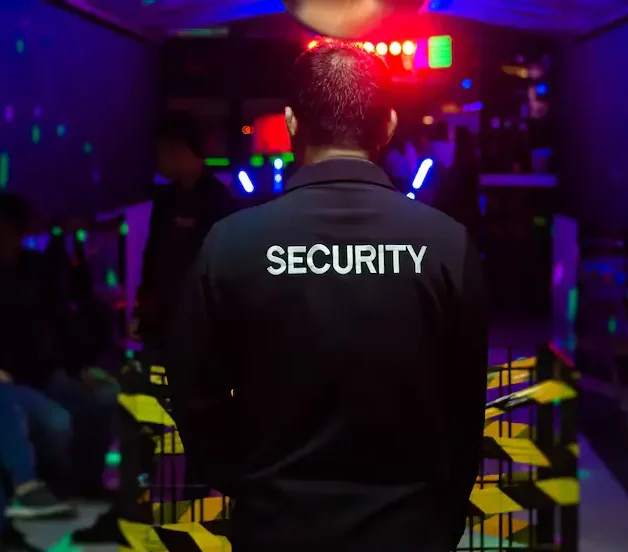
If you’ve started researching a Security Guard Course in London, you’ve probably come across the term “physical intervention” and wondered what it actually means. Does it mean you’ll be trained to fight? Will you have to learn martial arts? Is it dangerous?
The truth is far less dramatic and far more useful than most people expect. Physical intervention training is one of the most misunderstood parts of security training in the UK, yet it’s also one of the most important. It’s not about aggression. It’s about control, safety, and knowing exactly what you’re legally and professionally allowed to do when a situation turns physical.
This guide breaks down what physical intervention training actually covers, why it’s built into every SIA-licensed security course, and what it means for your day-to-day work once you’re out on the job.
What Does “Physical Intervention” Actually Mean?
Physical intervention refers to any physical contact used to manage a person’s behaviour when other methods like talking, warning, or de-escalating haven’t worked, or aren’t appropriate for the situation. It covers a wide range of actions, from guiding someone away from a doorway to restraining a person who poses a genuine risk to themselves or others.
Within security training, physical intervention is taught as a last-resort tool, not a first response. Trainers are clear about this from the outset: the goal of any security professional is to prevent a situation from escalating to the point where physical contact is even needed. When it does become necessary, though, you need to know how to act safely, proportionately, and within the law.
This is why physical intervention forms a core module in the SIA’s required syllabus for security roles that involve public contact, particularly door supervision and some general security guarding positions. It isn’t optional extra content it’s a mandatory part of becoming licensed.
Why Physical Intervention Is Built Into Security Courses
1. Real Situations Sometimes Require It
Security staff work in unpredictable environments nightclubs, retail sites, events, transport hubs, and construction sites. Most shifts pass without incident, but some don’t. A person might become aggressive, attempt to breach a restricted area, or put themselves or others in danger. In these moments, verbal de-escalation is always the first approach, but it doesn’t always work.
Without proper training, an untrained response to a physical confrontation can make things worse for the guard, the public, and the person being managed. Physical intervention training exists to close that gap.
2. The Law Demands Proportionality
UK law is strict about the use of force. Anyone working in security must understand concepts like reasonable force, proportionality, and duty of care. Acting outside these boundaries even with good intentions can result in criminal charges, civil claims, or the loss of an SIA licence.
Physical intervention training teaches these legal boundaries clearly, so learners understand not just how to intervene, but when it’s lawful to do so, and how much force is considered acceptable in a given scenario.
3. It Protects the Guard as Much as the Public
A common misconception is that this training exists purely to protect members of the public. In reality, it protects security staff too. Guards who understand safe intervention techniques are far less likely to be injured during an incident, and far less likely to face disciplinary action or legal consequences afterwards for using excessive or incorrect force.
4. Employers and Venues Expect It
Licensed venues, event organisers, and corporate clients expect their security teams to be trained to a recognised standard. Physical intervention competence is often checked during venue audits and insurance assessments. A guard who has completed this training is simply more employable and more trusted with higher-responsibility roles.
What’s Actually Covered in Physical Intervention Training
Physical intervention modules on a Security Guard Course in London typically include a mix of theory and supervised practical training. Here’s what learners can expect.
Understanding the Law on Use of Force
Before any physical technique is taught, learners cover the legal framework: what constitutes reasonable force, the difference between self-defence and unlawful assault, and how the law views actions taken in the course of employment. This section is assessed as part of the qualification and is essential knowledge, regardless of whether a guard ever needs to physically intervene on the job.
Recognising When Intervention Is Necessary
Learners are taught to assess situations before acting. This includes recognising signs of escalating aggression, evaluating risk to bystanders, and understanding when non-physical options like calling for backup, using verbal de-escalation, or removing yourself from the situation are still viable.
A well-trained guard should be able to explain, after any incident, exactly why physical intervention was the appropriate choice at that moment not simply that it felt necessary.
Basic Control and Restraint Techniques
Practical training covers techniques for safely guiding, escorting, or restraining an individual with minimal risk of injury to either party. These are not combat techniques. They’re designed to control a situation calmly, using the least force required to keep everyone safe.
Learners typically practise these techniques with instructor supervision and a training partner, working through realistic but controlled scenarios.
Team-Based Intervention
Many real-world incidents involve more than one security staff member. Training covers how to work as a team during a physical intervention communicating clearly, avoiding conflicting actions, and managing a situation with coordinated movement rather than individual improvisation.
De-escalation Before and After Contact
Physical intervention training doesn’t stop at physical technique. It’s bookended by de-escalation skills calming a situation before it becomes physical, and safely disengaging once the immediate risk has passed. Learners are taught how to hand a situation over to police when appropriate, and how to document what happened accurately afterwards.
Recording and Reporting Incidents
Every physical intervention needs a clear, accurate written record. Courses cover incident reporting standards, including what details must be logged, how to describe actions factually without embellishment, and why this documentation matters if an incident is later reviewed or disputed.
Physical Intervention vs. Martial Arts: Clearing Up the Confusion
One of the biggest myths about security training is that it teaches fighting skills. It doesn’t. Physical intervention training is built around control, restraint, and safety not striking, sparring, or combat sport techniques.
The philosophy is defensive and protective, not aggressive. Trainers consistently reinforce that the aim is always to reduce harm and resolve situations as safely as possible, not to “win” a confrontation. Anyone expecting a martial arts-style course will find something quite different: a calm, methodical approach focused on legal compliance, risk assessment, and proportionate response.
How Physical Intervention Fits Into the Wider Conflict Management Process
It helps to picture physical intervention not as a standalone skill, but as the final stage of a much longer process. Every security incident, in theory, moves through a series of steps before physical contact ever becomes relevant.
It typically starts with observation and risk assessment a guard noticing early warning signs of trouble, such as raised voices, aggressive body language, or a person attempting to bypass a checkpoint. From there, the next stage is verbal de-escalation: calm, clear communication designed to defuse tension before it builds further. Most incidents are resolved at this stage alone.
If de-escalation doesn’t work, guards are trained to consider environmental and procedural options repositioning themselves, calling for support from colleagues, or removing other people from the area to reduce risk. Only when these steps have failed, and there’s a genuine and immediate risk to safety, does physical intervention become the appropriate next step.
Understanding this sequence is arguably more important than the physical techniques themselves. Courses spend considerable time making sure learners can talk through this decision-making chain confidently, because it’s exactly what an employer, a court, or an SIA investigator would want to see evidence of if an incident is ever reviewed.
Scenario-Based Learning: How Training Feels in Practice
Rather than teaching physical intervention as an abstract set of moves, most reputable courses use scenario-based learning to bring it to life. Learners are walked through realistic situations a person refusing to leave a venue, a confrontation between two guests, an individual attempting to force entry and asked to talk through, and then practise, an appropriate response.
This approach does two things well. First, it builds muscle memory in a low-pressure, supervised environment, so techniques feel familiar rather than panicked if they’re ever needed for real. Second, it reinforces judgement learners aren’t just shown “how” to do something, they’re repeatedly asked “why” this response, at this level, in this specific scenario. That constant reasoning is what separates a professionally trained guard from someone who has simply memorised a set of physical moves.
Trainers will often vary scenarios to reflect the kind of environments students are likely to work in nightlife venues, retail premises, events, or corporate sites since the right response can differ significantly depending on the setting, the number of people involved, and the nature of the risk.
The Role of Communication Throughout an Incident
It’s easy to think of physical intervention purely in terms of hands-on technique, but communication runs through every stage of it. Before contact, guards are trained to give clear verbal warnings, stating plainly what they’re about to do and why both to the person involved and to any colleagues nearby. This isn’t just good practice; it’s often a key factor in whether an intervention is later judged to have been reasonable and proportionate.
During an intervention, especially one involving more than one staff member, communication prevents confusion. A single guard calling instructions rather than two or three people acting independently keeps the situation controlled and reduces the risk of unnecessary force being applied.
Afterwards, communication continues in the form of clear handovers: briefing colleagues, updating supervisors, and where relevant, providing a calm and accurate account to police or venue management. Courses treat this communication thread as just as essential as the physical technique itself.
Who Needs This Training?
Physical intervention training is a required component for most SIA licence categories that involve public-facing duties, particularly:
- Door Supervisors who regularly manage entry, exit, and behaviour in licensed venues
- Security Guards working in environments with higher public contact, such as retail, events, or transport
- Close Protection Officers, who require more advanced physical intervention and risk management training
If you’re working towards an SIA licence through a recognised training provider, this module will already be built into your course structure you don’t need to seek it out separately.
How Physical Intervention Training Benefits Your Career
Beyond meeting licensing requirements, this training genuinely shapes how confident and employable you are as a security professional.
Guards who’ve completed proper physical intervention training tend to handle high-pressure situations more calmly, because they know exactly what their options are and where the legal boundaries sit. This confidence is noticeable to employers, and it’s often a deciding factor when hiring for higher-trust roles like supervisor positions or corporate security contracts.
It also reduces liability for employers, which makes trained guards more attractive for placement in higher-risk venues the kind of roles that typically come with better pay and more consistent hours.
Common Concerns About Physical Intervention Training
“I’m not a physically confident person will I struggle?”
No. This training isn’t about strength or athleticism. It’s about technique, positioning, and judgement. Instructors work with learners of all fitness levels, and the practical sessions are supervised and paced appropriately.
“Will I actually have to use these skills?”
Most security professionals go through entire careers using physical intervention rarely, if at all. The goal of training is preparedness, not expectation. Knowing the techniques and more importantly, knowing when not to use them is what makes a guard genuinely effective.
“What if I use too much force by mistake?”
This is exactly why the legal and judgement-based parts of training exist. Learners are taught to assess proportionality carefully, and courses reinforce that under-reacting is almost always safer, legally and physically, than over-reacting.
Choosing a Course That Teaches This Properly
Not all training providers deliver physical intervention modules with the same depth or care. When comparing options for a Security Guard Course in London, it’s worth checking:
- Whether the trainers have real-world security or law enforcement backgrounds
- How much practical, supervised time is spent on physical intervention (versus just reading through slides)
- Whether legal use-of-force content is taught in detail, not just briefly mentioned
- Whether the course is SIA-approved and leads to a recognised licence
A well-run course treats physical intervention as one of the most important parts of your training not a box-ticking exercise squeezed in at the end of the day.
Final Thoughts
Physical intervention training exists to protect everyone involved in a security incident the public, the guard, and the employer. It’s not about learning to fight; it’s about learning to control, assess, and act lawfully under pressure. Every SIA-licensed Security Guard Course in London includes this module because it’s a genuine, practical necessity for anyone working in public-facing security roles.
If you’re considering a career in security, understanding this part of the training should give you more confidence, not less. It shows that the industry takes both public safety and guard safety seriously and that a properly trained security professional is equipped to handle real situations calmly and correctly.
Frequently Asked Questions
1. What is physical intervention training in security courses? Physical intervention training teaches security professionals how to safely and legally manage situations where physical contact becomes necessary, focusing on control and restraint rather than aggression.
2. Is physical intervention the same as self-defence? Not quite. Self-defence is a legal concept covering protective reactions to an attack, while physical intervention is a broader set of trained techniques used to manage and control situations professionally, within strict legal limits.
3. Do all security guards need physical intervention training? Most SIA licence categories involving public contact, including door supervision and many general security roles, require this training as part of the mandatory course syllabus.
4. Is physical intervention training dangerous or physically demanding? No. Sessions are supervised, paced for all fitness levels, and focused on technique and judgement rather than strength or aggression.
5. Will I be taught to fight during my security course? No. Physical intervention training is not martial arts or combat training. It focuses on safe control, restraint, and de-escalation, not striking or sparring.
6. How much of a Security Guard Course in London is dedicated to physical intervention? It varies by provider, but it’s typically covered across a dedicated session combining legal theory, scenario training, and supervised practical technique work.
7. What happens if I use too much force during an incident? Using disproportionate force can lead to legal consequences, disciplinary action, or licence suspension. This is why courses place heavy emphasis on proportionality and legal boundaries.
8. Can I skip physical intervention training if I only want a non-public-facing role? Some licence categories with minimal public contact may have reduced requirements, but most standard Security Guard and Door Supervisor courses in London include this training as a mandatory module.
9. Does physical intervention training help with job prospects? Yes. Employers and venues often view thorough physical intervention training as a mark of a well-prepared, trustworthy guard, which can lead to better placements and higher-responsibility roles.
10. Where can I take a Security Guard Course in London that includes proper physical intervention training? Look for an SIA-approved provider with experienced trainers and dedicated practical sessions, such as the Security Guard Course in London offered by BeTrain.