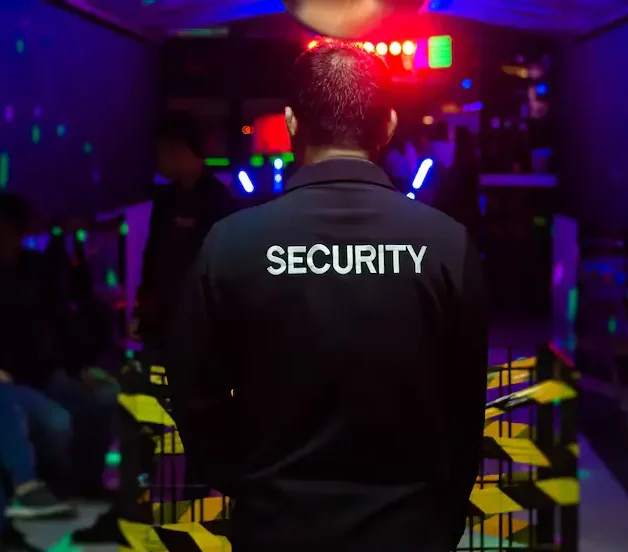
Security work is often associated with physical presence, access control, surveillance and responding to incidents. However, professional security is about much more than standing at an entrance or monitoring a site. In many situations, the way a security professional communicates, observes, listens and makes decisions can be just as important as technical knowledge.
Soft skills are especially valuable because security personnel regularly interact with members of the public, colleagues, managers, emergency services and clients. They may need to calm a difficult situation, explain a decision, identify unusual behaviour or make a quick judgement while remaining professional.
For people considering a career in London’s private security industry, understanding these skills can help set realistic expectations about the profession. Training provides the knowledge and practical foundation required for a licensed role, but strong interpersonal and professional skills can make a significant difference to performance in the workplace.
What Are Soft Skills in Security Work?
Soft skills are personal and interpersonal abilities that influence how someone communicates, behaves, solves problems and works with other people.
Unlike technical skills, which can often be measured through a qualification or practical assessment, soft skills are demonstrated through everyday behaviour.
In security work, examples include:
- Communication
- Active listening
- Situational awareness
- Patience
- Emotional control
- Decision-making
- Teamwork
- Conflict management
- Professionalism
- Reliability
- Adaptability
- Problem-solving
These abilities can overlap. For example, managing a disagreement may require communication, patience, active listening and emotional control at the same time.
Communication
Communication is one of the most important skills for security professionals.
A security officer may need to explain access procedures, provide directions, speak to visitors, communicate with colleagues or report an incident to a supervisor. The information needs to be clear and appropriate for the situation.
Poor communication can create unnecessary confusion. If a person does not understand why they have been asked to follow a particular procedure, they may become frustrated or resistant.
Effective communication does not mean speaking aggressively or trying to dominate a conversation. Professional security communication should generally be calm, clear and respectful.
Body language also matters. Facial expressions, posture, eye contact and tone can influence how other people interpret a conversation.
For someone undertaking a Door Supervisor Course London, developing professional communication skills can be particularly useful because door supervision often involves frequent interaction with members of the public.
Active Listening
Security professionals sometimes focus heavily on what they need to say, but listening is equally important.
Active listening means paying attention to what another person is saying rather than simply waiting for an opportunity to respond. It involves understanding the person’s concern, identifying relevant information and responding appropriately.
Consider a situation where a visitor is unhappy about being refused entry. Immediately arguing with the person may make the situation worse. Listening first can help establish why they are upset and whether the issue can be resolved through a simple explanation.
Listening can also help security staff identify important information during an incident.
Someone may provide details about what happened, where an individual went or what they observed. Missing a key detail could affect the way the situation is handled.
Good listening therefore supports both communication and decision-making.
Situational Awareness
Situational awareness is particularly important in security because prevention often depends on noticing changes before they become serious incidents.
It involves paying attention to the environment, people, activity and circumstances around you.
A security professional might notice:
- An unusual change in visitor behaviour
- A normally restricted door being open
- A person repeatedly attempting to enter an area
- An unattended item
- Changes in crowd movement
- A developing disagreement
- A colleague requiring assistance
Situational awareness is not the same as assuming that someone is suspicious simply because of their appearance. Professional observation should be based on behaviour, circumstances and relevant information rather than stereotypes or personal assumptions.
Maintaining awareness also requires concentration. Long shifts can be tiring, so security workers need to develop habits that help them remain attentive throughout their working period.
Emotional Control
Security personnel may encounter people who are angry, frustrated, intoxicated, frightened or distressed.
Responding emotionally to an emotional person can escalate a situation. A professional security worker needs to maintain control of their own behaviour even when someone else is being difficult.
Emotional control does not mean ignoring legitimate concerns or appearing indifferent. It means being able to manage personal reactions and continue making reasonable decisions.
A calm tone, controlled body language and clear communication can sometimes help reduce tension.
This is particularly relevant in environments where security staff deal with large numbers of people, including entertainment venues and busy public-facing locations.
Conflict Management
Security professionals are often expected to prevent disagreements from becoming more serious.
Conflict management involves recognising tension, communicating effectively and taking proportionate steps to maintain safety.
A disagreement may begin with something relatively minor. A person may be unhappy about an entry requirement, a venue policy or a decision made by staff. If the situation is handled poorly, it could escalate.
A security professional should understand their responsibilities and follow the procedures established by their employer and the relevant legal framework.
The aim should not be to “win” an argument. The objective is to maintain safety and manage the situation professionally.
Good conflict management can involve giving someone an opportunity to explain themselves, setting clear boundaries, requesting assistance when necessary and knowing when a situation requires escalation.
Patience
Patience can be underestimated in security work.
Some situations take time to resolve. A visitor may need additional assistance, a queue may become frustrated or an incident may require several people to communicate before an appropriate decision can be made.
A security worker who becomes visibly irritated can unintentionally increase tension.
Patience is particularly valuable when dealing with people who are confused, upset or unfamiliar with security procedures.
Remaining patient does not mean allowing unsafe behaviour to continue. It means maintaining a professional approach while applying the appropriate procedures.
Decision-Making
Security professionals regularly have to make decisions based on the information available to them.
Some decisions may be routine, such as following access-control procedures. Others may require greater judgement, particularly when an unexpected incident occurs.
Good decision-making involves considering the circumstances, identifying available options, following established procedures and recognising when assistance is required.
A common mistake is believing that a security professional should always handle an incident alone. Professional judgement includes knowing the limits of one’s authority and knowing when to involve a supervisor, emergency service or other responsible person.
Training can provide a framework for making decisions, but experience can also improve a person’s ability to assess situations.
Teamwork
Security is frequently a team activity.
A large venue, commercial building or event may have several security professionals working simultaneously. Each person may have a different position or responsibility, but their actions can affect the rest of the team.
Teamwork involves sharing relevant information, following instructions, supporting colleagues and communicating changes in circumstances.
For example, if one officer notices a developing problem, informing colleagues promptly may allow the team to respond more effectively.
Good teamwork also requires respect. Security professionals may have different levels of experience, but everyone should be able to communicate concerns and contribute relevant information.
Professionalism
Professionalism affects almost every aspect of security work.
Security personnel often represent their employer or client in front of customers, visitors and members of the public. Their conduct can influence perceptions of the organisation they are protecting.
Professional behaviour can include:
- Arriving on time
- Following workplace procedures
- Maintaining appropriate appearance
- Communicating respectfully
- Protecting confidential information
- Remaining focused during shifts
- Completing required documentation
- Treating people fairly
- Following lawful instructions
Professionalism is particularly important because security personnel may be trusted with responsibilities involving people, property and sensitive information.
Reliability and Responsibility
Security operations depend heavily on reliability.
A security officer arriving late, leaving a position without authorisation or failing to communicate important information can create gaps in security arrangements.
Reliability involves more than simply attending work. It includes completing responsibilities properly and understanding the consequences of failing to follow procedures.
Employers need people who can be trusted to perform their duties consistently.
For new entrants to the industry, developing a reputation for punctuality, responsible behaviour and professional conduct can be valuable when building a career.
Adaptability
Security environments can change quickly.
A quiet shift can suddenly become busy because of an unexpected event. A building may receive more visitors than usual. Weather can affect an outdoor event. A planned procedure may need to be adjusted because circumstances have changed.
Adaptability means being able to respond to changing conditions without losing focus or abandoning professional procedures.
This does not mean ignoring established rules. Instead, it involves understanding the situation and adjusting appropriately within the boundaries of the role.
Security professionals who can remain calm when circumstances change are often better prepared to deal with unexpected challenges.
Problem-Solving
Not every security issue has an obvious solution.
A problem may involve access, communication, crowd management, lost property, an equipment issue or an unexpected change in circumstances.
Problem-solving involves identifying what is actually happening, gathering relevant information and considering practical solutions.
For example, if a visitor cannot access an area because their details are not appearing correctly in a system, the immediate response should not necessarily be confrontation. The issue may simply require verification through the appropriate process.
A problem-solving mindset encourages security staff to understand the situation before reacting.
Cultural Awareness and Respect
London is one of the UK’s most diverse cities, and security professionals can interact with people from many different backgrounds.
Respectful communication is therefore essential.
Security staff should avoid making assumptions about individuals based on their appearance, accent, background or personal characteristics. Decisions should be based on legitimate security considerations and applicable procedures.
Cultural awareness can help reduce misunderstandings and improve communication.
It also supports professional relationships between security teams, clients and members of the public.
Integrity and Honesty
Security professionals may have access to buildings, information, property and sensitive situations. Integrity is therefore fundamental to the role.
Honesty means reporting incidents accurately, following procedures and avoiding the temptation to conceal mistakes.
If something goes wrong during a shift, reporting it appropriately allows the organisation to respond and learn from the situation.
Integrity also means treating people fairly and not using a security position for personal advantage.
Trust is difficult to build and easy to lose. For security professionals, maintaining trust is an important part of long-term career development.
Written Communication
Security work is not entirely verbal.
Officers may need to complete incident reports, handover notes, visitor records, patrol logs or other workplace documentation.
Written information should be accurate, factual and easy to understand.
An incident report should distinguish between what the security professional personally observed and information provided by another person. Avoiding unnecessary assumptions can make documentation more useful.
Clear writing can also help supervisors understand what happened after an incident has ended.
Why Soft Skills Matter Alongside Training
Professional training provides an important foundation for security work, but qualifications alone do not automatically make someone an effective security professional.
Two people may complete the same course and receive similar training, yet perform differently in the workplace because of differences in communication, confidence, patience and judgement.
This is why soft skills should be developed alongside technical knowledge.
Training can introduce people to relevant procedures, responsibilities and professional expectations. Real-world experience then provides opportunities to practise those skills in different circumstances.
How to Improve Soft Skills Before Starting a Security Career
Soft skills can be developed gradually.
One useful approach is to pay attention to everyday communication. Practising clear explanations, listening without interrupting and controlling emotional reactions can improve interactions in both professional and personal environments.
People can also improve observation by becoming more aware of their surroundings without making assumptions about others.
Another useful habit is reflecting on difficult conversations. After an interaction, consider what worked, what could have been communicated differently and whether the situation could have been handled more calmly.
Team activities can also help develop cooperation, while customer-facing jobs can provide valuable experience in dealing with different personalities.
The Role of Confidence
Confidence is useful in security, but confidence should not be confused with aggression.
A confident professional can communicate boundaries clearly, ask appropriate questions and remain composed when challenged.
Aggressive behaviour, on the other hand, can unnecessarily increase tension.
The most effective approach is usually calm assertiveness: being clear about responsibilities while continuing to treat people with respect.
Confidence often develops with knowledge and experience. As security professionals become more familiar with procedures and different situations, they may feel more comfortable making appropriate decisions.
Final Thoughts
Security work requires a combination of knowledge, training, practical ability and personal qualities. Soft skills such as communication, listening, situational awareness, emotional control, teamwork and professionalism can have a major influence on how effectively someone performs their responsibilities.
These skills are particularly relevant in public-facing security environments, where officers may interact with many different people during a single shift.
For anyone considering security work in London, the best approach is to look beyond the licence or qualification itself. A successful security professional also needs to build trust, communicate effectively, remain observant and respond to challenging situations responsibly.
Choosing appropriate training is an important first step, but professional development continues throughout a security career. As experience grows, soft skills can become stronger, helping security personnel perform their duties with greater confidence, professionalism and awareness.