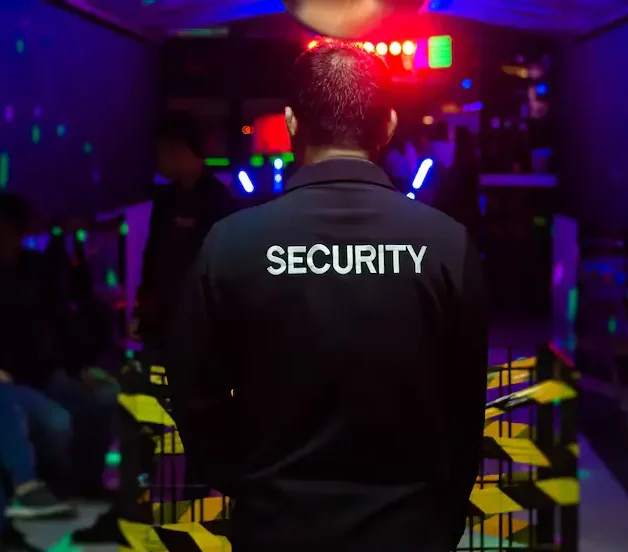
An SIA licence is an important requirement for many people working in the UK’s private security industry. Whether someone works as a door supervisor, security guard, close protection operative or in another regulated security role, keeping the licence valid is an essential part of remaining legally able to carry out licensable activities.
Licence renewal is not simply a matter of submitting an application and waiting for a new licence. Depending on the type of licence, applicants may need to complete updated training, provide identity information, meet criminality requirements and pay the relevant fee. Understanding the process in advance can help security professionals avoid unnecessary delays.
For people working in London’s busy security sector, planning ahead is particularly important. The city has a wide range of licensed premises, events, commercial properties, retail locations and other environments where trained security professionals are required. Anyone considering entering or continuing a career in door supervision can also benefit from understanding how the initial qualification and later renewal requirements fit together.
What Is an SIA Licence?
The Security Industry Authority (SIA) is the organisation responsible for regulating the private security industry in the UK. It operates the licensing system for specific security activities and sets requirements for individuals who carry out regulated front-line work.
An SIA licence confirms that the holder has met the regulator’s requirements for the relevant type of security activity. The licence category depends on the duties being performed.
Examples of regulated activities include:
- Door supervision
- Security guarding
- Close protection
- Public space surveillance using CCTV
- Cash and valuables in transit
- Key holding
Not every security professional requires the same licence. A person working as a door supervisor, for example, has different responsibilities from someone working solely in CCTV monitoring.
This is why it is important to understand the specific licence category before beginning either initial training or renewal.
When Does an SIA Licence Need to Be Renewed?
SIA licences are normally issued for a limited period rather than indefinitely. The exact expiry date is shown on the licence and should be checked by the licence holder.
It is the responsibility of the licence holder to ensure that they continue to meet the requirements for their work. Waiting until the final days before expiry can create unnecessary pressure, particularly if additional training is required.
Security professionals should therefore check their licence expiry date well in advance and review the current SIA renewal requirements before starting the application.
The renewal process can involve more than completing an online form. Changes to training requirements and personal circumstances can affect what an applicant needs to provide.
Why Renewal Requirements Matter
Security work involves responsibilities that can directly affect public safety. Door supervisors may deal with crowded venues, conflict, access control and emergencies. Security guards may protect commercial premises and property, while close protection operatives may be responsible for an individual’s safety.
Because the industry changes over time, the regulator uses licensing and training requirements to maintain professional standards.
Renewal requirements can also help ensure that licence holders remain familiar with relevant skills. Security professionals may encounter situations involving conflict management, emergency procedures, physical intervention, communication and legal responsibilities.
Keeping training and licensing information up to date is therefore part of maintaining professional competence.
Refresher Training for Door Supervisors and Security Guards
One of the most important developments for existing security professionals is the introduction of refresher training requirements.
The SIA states that, from 1 April 2025, individuals renewing a Door Supervisor or Security Guard licence need to have completed the relevant refresher qualification. The regulator also requires an appropriate Emergency First Aid at Work qualification, or an accepted equivalent, before undertaking the refresher training.
This means that someone approaching renewal should not assume that their original qualification is all they need.
The purpose of refresher training is to update knowledge and skills rather than simply repeat the entire initial qualification. It helps experienced security professionals remain familiar with current expectations and practical responsibilities.
Anyone planning to renew should check the latest requirements directly with the SIA because training and licensing rules can be updated.
What Does Refresher Training Cover?
The content of refresher training depends on the licence category.
For door supervisors and security guards, training can include areas connected with physical intervention, conflict management and maintaining professional standards. The exact qualification structure should be confirmed with the approved training provider and current SIA guidance.
Refresher training is particularly relevant because security professionals may have spent years working in the industry. Practical experience is valuable, but it does not necessarily replace formal regulatory requirements.
Training provides an opportunity to review established procedures and address changes that may have occurred since the original qualification.
First Aid Requirements
First aid is an important part of security work because officers may be among the first people present when an accident, injury or medical emergency occurs.
For certain SIA renewal routes, an appropriate Emergency First Aid at Work qualification or equivalent is required before the relevant refresher training.
Applicants should check the validity and suitability of their first aid qualification rather than assuming that any first aid certificate will automatically satisfy the requirement.
The exact requirements can depend on the licence type and the current SIA rules. Checking the regulator’s guidance before booking training can prevent applicants from completing a course that does not meet the relevant criteria.
The Renewal Application
Once the required training and other conditions have been met, the applicant can proceed with the licence renewal application.
The SIA provides an online application process. Applicants may need to provide information relating to their identity, current licence and personal circumstances.
The regulator can also carry out checks as part of the licensing process.
Applicants should provide accurate information and respond to requests from the SIA promptly. Incorrect or incomplete information can result in delays.
It is also important to remember that completing training does not itself renew an SIA licence. Training and licensing are related but separate parts of the process.
Identity and Background Checks
SIA licensing includes checks designed to establish whether an applicant is suitable to hold a licence.
Applicants may need to provide identity documents and information concerning their circumstances. The SIA also considers criminal records and other relevant information when assessing applications.
A previous conviction does not necessarily mean that a person will automatically be refused a licence. The regulator assesses information according to its published suitability requirements.
Anyone whose personal circumstances have changed since their previous application should provide the information requested by the SIA rather than assuming that previous approval guarantees future approval.
What If Personal Details Have Changed?
Security professionals should make sure their information is accurate when renewing.
Changes such as a new address, different identification document or other relevant personal information may need to be reflected in the application.
Keeping records up to date can make the process easier and reduce the risk of discrepancies between the information provided by the applicant and information held by the regulator.
If an applicant is uncertain about what information needs to be updated, the safest approach is to check the current SIA guidance before submitting the application.
How Much Does Renewal Cost?
The SIA charges a fee for licence applications and renewals. The applicable fee can change, so applicants should check the current amount directly through the official SIA website before submitting an application.
Training costs are separate from the licence application fee. Someone renewing a Door Supervisor licence may therefore need to budget for both the required refresher training and the SIA application.
Other expenses can potentially include first aid training if the applicant does not already hold an appropriate qualification.
Planning for these costs in advance can help prevent an expired licence from affecting employment.
What Happens If a Licence Expires?
Security professionals should avoid allowing their licence to expire while they are still carrying out licensable duties.
If a licence expires, the person may no longer be legally authorised to perform the regulated activity covered by that licence. The consequences can affect both the individual and the employer.
This is why renewal should be treated as an important professional responsibility rather than an administrative task that can safely be left until the last moment.
Employers also have responsibilities when engaging licensed security staff and should ensure that personnel have the appropriate licence for their duties.
Planning Ahead for Renewal
A simple renewal plan can make the process much easier.
First, check the expiry date of the current licence. Next, identify the licence category and review the latest SIA requirements. If refresher training is required, arrange the relevant qualification early enough to allow time for the application.
Applicants should also check their first aid qualification and identity documents.
Keeping copies of certificates, application information and relevant documents can make future administration easier.
The key point is not to wait until the licence is about to expire before investigating what is required.
Renewal for Door Supervisors in London
London has a particularly varied security industry. Door supervisors can work in pubs, clubs, bars, entertainment venues, events and other environments where licensed security personnel are required.
The role can involve significant interaction with the public. A door supervisor may be responsible for checking entry requirements, managing queues, dealing with difficult behaviour, monitoring venue conditions and responding to incidents.
Because of these responsibilities, appropriate training is an important part of preparing for the profession.
For someone who has not yet entered the industry, researching a suitable Door Supervisor Course London can help explain the initial training route and the skills involved in obtaining a door supervisor qualification.
It is important, however, to distinguish initial training from licence renewal. A new entrant is preparing for their first licence, while an existing professional must follow the renewal requirements applicable to their current licence.
Renewal Is Not the Same as Starting Again
One common misunderstanding is that an experienced security professional must repeat their original training in exactly the same way every time they renew.
The renewal system can involve refresher qualifications rather than simply repeating the complete initial course. The requirements depend on the licence category and the rules in force when the application is made.
This distinction is important for experienced personnel because it allows them to plan their professional development around the correct qualification.
At the same time, applicants should never rely solely on what they remember from their previous renewal. Requirements can change, so current SIA guidance should always take priority.
Choosing a Training Provider
Where refresher training is required, choosing an appropriate training provider is an important step.
Applicants should check that the course is the correct qualification for their licence category and meets the current SIA requirements.
It is also sensible to verify the course content, qualification status, training dates and any prerequisites before making payment.
A provider’s marketing material should not be the only source of information. Applicants can compare the course information with the requirements published by the SIA.
This is particularly important when searching online because security training courses can vary considerably in content and purpose.
Keeping Your Licence Active
Renewal should be viewed as part of a wider professional responsibility.
Security professionals should monitor their licence status, keep relevant qualifications current and stay informed about regulatory changes. They should also make sure that the duties they perform correspond with the licence they hold.
Professional development can go beyond the minimum legal requirements. Communication, customer service, report writing, conflict management, first aid and situational awareness can all be useful skills in security environments.
For someone building a long-term career, maintaining these skills can be just as important as completing the formal renewal process.
What Applicants Should Remember
The SIA licence renewal process is designed to ensure that people continuing to perform regulated security activities remain suitable and appropriately trained.
For door supervisors and security guards, refresher training requirements are now an important part of the renewal process. Applicants may also need to meet first aid requirements, provide accurate information and complete the SIA application process.
The most important steps are straightforward:
- Check the expiry date of the current licence.
- Identify the exact licence category.
- Review the latest SIA renewal requirements.
- Complete any required refresher training.
- Make sure the relevant first aid requirement is satisfied.
- Prepare accurate identification and personal information.
- Submit the renewal application.
- Respond promptly if the SIA requests additional information.
- Do not continue regulated work if the required licence is no longer valid.
Final Thoughts
SIA licence renewal is an important part of maintaining a career in the UK’s private security industry. The process involves more than simply paying a fee; depending on the licence category, applicants may need updated training, first aid certification, identity information and suitability checks.
Door supervisors and security guards should pay particular attention to the refresher training requirements introduced for renewals. Planning early can help prevent avoidable delays and reduce the risk of a licence expiring before the renewal process is complete.
For anyone considering entering the profession rather than renewing an existing licence, the starting point is different. Understanding the appropriate training route first can help prospective security professionals choose a qualification that matches their intended career.
Ultimately, staying informed is one of the simplest ways to manage SIA licensing successfully. Because regulatory requirements can change, applicants should always check the latest information from the Security Industry Authority before beginning a renewal or booking training.