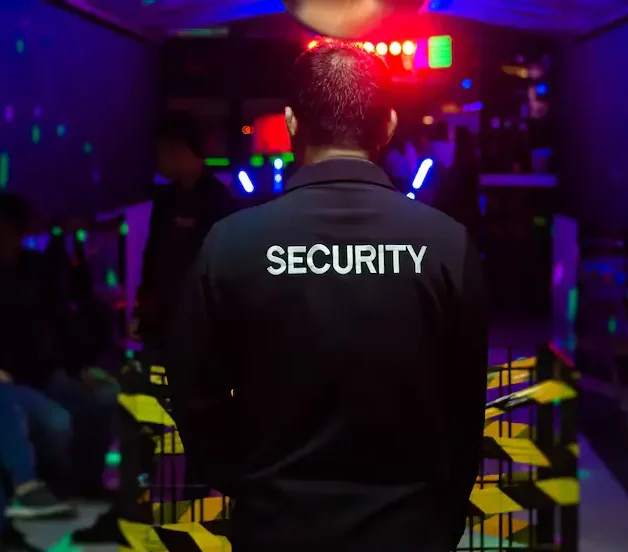
Working as a door supervisor in the UK involves more than obtaining an SIA licence and completing an initial qualification. Security work is constantly changing, and licensed professionals are expected to keep their knowledge and practical skills up to date. For this reason, the Security Industry Authority (SIA) has introduced mandatory refresher training for door supervisors renewing their licences.
Since 1 April 2025, door supervisors must complete the relevant refresher qualification before renewing their SIA licence. The requirement is designed to ensure that important safety skills remain current and that security professionals are prepared to deal with changing risks in public environments.
For anyone working in London’s busy hospitality, entertainment and events sector, understanding when refresher training is required can help avoid interruptions to employment and make the renewal process easier.
What Is Door Supervisor Refresher Training?
Refresher training is additional licence-linked training that existing door supervisors must complete when they are renewing their SIA licence.
It should not be confused with repeating the full initial door supervisor qualification. The purpose of refresher training is to revisit important skills and introduce updated knowledge where necessary.
The SIA explains that refresher training exists for two main reasons: skills can fade over time, and threats to public safety can change. The training therefore focuses on safety-critical areas that door supervisors may need to use while working.
This approach recognises that security professionals may have gained significant experience since completing their original qualification. Experience is valuable, but it does not replace structured training when regulations, risks and recommended practices develop.
When Did Refresher Training Become Mandatory?
The current requirement for door supervisors and security guards was introduced in stages.
The new refresher qualifications became available from 1 October 2024. This gave existing licence holders time to understand the new requirements and complete their training before the rule became compulsory.
From 1 April 2025, refresher training became mandatory for door supervisors and security guards who wanted to renew their licences.
This means that, under the current rules, a door supervisor renewing their licence cannot simply rely on their previous training. They must meet the refresher qualification requirement applicable to their renewal.
The SIA’s current guidance confirms that door supervisors renewing their licence must hold both their existing full licence-linked qualification and the relevant Level 2 refresher qualification.
How Often Does a Door Supervisor Need Refresher Training?
The simple answer is: refresher training is required each time a door supervisor renews their SIA licence.
The SIA specifically states that refresher training must be repeated every time the relevant licence is renewed. The reason is to keep knowledge and practical skills fresh rather than allowing them to become outdated over successive licensing periods.
This is an important distinction for existing security professionals. Refresher training is not designed as an annual course that every door supervisor must automatically attend. Instead, it is linked to the licence renewal process.
A licence holder should therefore monitor their licence expiry date and plan the necessary training in advance.
Starting the process early can reduce the risk of a situation where the licence expires before the required qualification has been completed.
What Qualification Is Required?
For door supervisors, the relevant qualification is the Level 2 Award for Door Supervisors in the Private Security Industry (Refresher).
The SIA’s current guidance states that people renewing a door supervisor licence need this refresher qualification in addition to their existing full licence-linked qualification.
The exact awarding organisation and available qualification should always be checked against the latest SIA guidance before booking a course. This is particularly important because the SIA’s requirements and its list of accepted qualifications can change.
As of 2026, the SIA has also made changes concerning certain awarding organisations, so relying on older course information may lead to confusion. For example, the regulator updated its guidance in July and August 2026 concerning BIIAB qualifications and the acceptance of new learners.
Anyone booking training should therefore verify the current qualification and awarding organisation rather than assuming that an older course remains acceptable.
What Does Refresher Training Cover?
The refresher programme is designed around safety-critical skills and knowledge.
For door supervisors, the SIA identifies several important areas, including:
- Terror threat awareness
- Physical intervention skills
- Searching
- Vulnerability training
- Recognising and preventing spiking
The physical intervention element includes both knowledge and practical components.
These subjects reflect situations that door supervisors may encounter in real working environments.
Terror Threat Awareness
Door supervisors can work in busy public places where large numbers of people gather. Awareness of potential security threats is therefore an important part of modern security work.
Refresher training helps operatives review their understanding of relevant threats and how they should respond appropriately.
The objective is not to turn every security professional into an emergency specialist. Instead, the training helps them recognise situations that may require an appropriate response and understand their responsibilities within a wider safety plan.
Physical Intervention
Physical intervention is another important area of refresher training.
Door supervisors may sometimes face situations where physical intervention becomes necessary. However, intervention needs to be carried out within the boundaries of relevant law, training and professional responsibilities.
Refresher training provides an opportunity to revisit practical skills and reinforce safe approaches.
Regularly revisiting these skills is particularly relevant because physical techniques are practical abilities. Like many other skills, they can become less familiar when they are not regularly practised.
Searching
Searching is another subject included in door supervisor refresher training.
Door supervisors may be required to conduct searches under the policies and procedures of the venue or event. Understanding how searches should be conducted professionally can help protect both staff and members of the public.
Refresher training provides an opportunity to review appropriate procedures and the importance of treating people fairly and professionally.
Vulnerability and Spiking
The SIA has also included vulnerability training within the refresher programme.
This is particularly relevant to door supervisors because they frequently work in environments where people may become vulnerable, including licensed premises and entertainment venues.
The refresher content includes how to spot and stop spiking.
The inclusion of this subject demonstrates how security training can evolve in response to public safety concerns. A professional door supervisor needs to understand not only traditional security risks but also situations in which a person may require assistance or protection.
Is First Aid Required Before Refresher Training?
Yes.
Door supervisors must have an appropriate first aid qualification before taking the refresher training.
The SIA currently requires an Emergency First Aid at Work qualification, or an accepted equivalent, before a door supervisor can take the refresher course. The first aid qualification must be valid for at least another 12 months when the learner registers for the refresher training.
This requirement is important because first aid knowledge is directly relevant to security work.
Door supervisors can be among the first people to encounter someone who has been injured, become unwell or requires immediate assistance. Having current first aid knowledge can therefore form an important part of maintaining professional competence.
Anyone planning refresher training should check the validity of their first aid certificate before booking.
Does Refresher Training Replace the Original Qualification?
No.
Refresher training does not simply replace the original door supervisor qualification.
The SIA states that someone renewing a door supervisor licence must hold the required full licence-linked qualification as well as the relevant refresher qualification.
This distinction matters because people sometimes assume that completing a refresher course means they no longer need evidence of their original qualification.
The purpose of refresher training is to update existing licence holders rather than provide an entirely new entry-level route into the profession.
Someone entering the industry for the first time generally needs to meet the requirements for the full door supervisor qualification rather than taking only a refresher course.
What Happens If a Licence Holder Does Not Complete Refresher Training?
If a door supervisor wants to renew their licence, they need to satisfy the SIA’s current training requirements.
A person who does not complete the required refresher qualification may therefore be unable to meet the training requirement for renewal.
This can create practical problems for people who rely on their SIA licence for employment. If a licence expires, the individual may not be able to continue undertaking regulated door supervision work until the relevant licensing requirements are satisfied.
For this reason, licence holders should avoid leaving refresher training until the last possible moment.
The SIA recommends keeping track of licensing requirements and completing required training in good time. Planning ahead can be especially useful for people working irregular shifts or those who need to fit training around employment.
When Should You Book Refresher Training?
There is no advantage in waiting until the final days before a licence expires.
A sensible approach is to check the expiry date of your licence well in advance, review the current SIA requirements and identify an appropriate training provider.
The training provider can confirm available course dates, qualification requirements and the documents you need to bring.
Your first aid certificate should also be checked at the same time. If it does not meet the required validity period, you may need to arrange an appropriate first aid qualification before starting the refresher training.
Planning ahead can also be useful in London, where security training and employment demand can be high.
Finding the Right Training Provider in London
People searching for refresher training should make sure that the course they choose leads to a qualification accepted for SIA licensing purposes.
The SIA provides a training provider search facility and explains that it does not directly approve or vet individual training providers. Instead, training providers are approved by the awarding organisations that issue the qualifications.
This is an important point when comparing training companies.
A provider claiming to be “SIA approved” should not automatically be treated as evidence that its course is suitable. Prospective learners should check the qualification, awarding organisation and current SIA requirements.
For those researching a Door Supervisor Course London, it is also useful to distinguish between initial training and refresher training. They serve different purposes and have different requirements.
Why Refresher Training Matters for London Door Supervisors
London has a diverse security environment, with door supervisors working across pubs, clubs, restaurants, hotels, events and other public-facing venues.
The nature of these environments means that security professionals can interact with large numbers of people from different backgrounds and deal with situations that change quickly.
A door supervisor may need to manage access, identify potential problems, communicate with venue staff, respond to vulnerable individuals and deal with incidents while maintaining professional standards.
Refresher training provides a structured opportunity to review important areas of this work.
It also helps establish a consistent standard across the licensed security industry. Experienced professionals may have developed strong practical abilities over time, but structured refresher training ensures that important topics are revisited according to the current regulatory framework.
Refresher Training Is More Than a Licensing Requirement
It is easy to view refresher training simply as another requirement that must be completed before a licence can be renewed.
However, there is a wider purpose behind the requirement.
Security work involves responsibility for public safety. A door supervisor may be required to make decisions that affect other people, sometimes in difficult or rapidly changing circumstances.
Keeping skills current can support better decision-making and professional performance.
The SIA has explained that the refresher programme focuses on safety-critical skills because skills can fade and threats can evolve.
This means refresher training should be viewed as part of continuing professional development rather than merely an administrative step.
Keeping Up With Changes in the Security Industry
Security regulations do not remain completely static.
Training requirements, qualification structures and licensing procedures can change as the industry develops. Recent years have demonstrated this clearly, with the introduction of mandatory refresher training for door supervisors and security guards in 2025 and further changes to other licence categories in 2026.
For professionals, this means information found online should always be checked against current official guidance.
An article, social media post or training advertisement published several years ago may no longer describe the current rules.
The SIA’s official guidance should be the primary reference when checking licensing, training and renewal requirements.
A Practical Approach to Licence Renewal
Door supervisors can make the renewal process easier by taking a few basic steps.
First, check the expiry date of the existing licence.
Second, review the current SIA training requirements.
Third, check that the existing full qualification is acceptable for renewal.
Fourth, confirm that the required first aid qualification meets the current validity requirements.
Finally, book the correct refresher course with a suitable training provider and allow enough time for the qualification and licence renewal process.
Keeping copies of certificates and other relevant documents can also make it easier to provide evidence when required.
Final Thoughts
Door supervisor refresher training is now an established part of the UK’s SIA licensing system. Since 1 April 2025, door supervisors renewing their licences have been required to complete the relevant refresher qualification. The training must be repeated each time the licence is renewed.
The refresher programme focuses on areas that are particularly relevant to public safety, including physical intervention, searching, terror threat awareness, vulnerability and recognising and preventing spiking.
For professionals working in London, planning ahead is especially important. Checking the licence expiry date, maintaining a valid first aid qualification and verifying the latest SIA requirements can help avoid unnecessary delays.
Anyone considering entering the profession should also understand the difference between initial door supervisor training and refresher training. A full licence-linked qualification is required for the appropriate entry route, while refresher training is designed for existing licence holders who are renewing.
Ultimately, keeping training current is not only about maintaining a licence. It is about maintaining the knowledge, awareness and practical skills required to work responsibly in a demanding public-facing security environment.