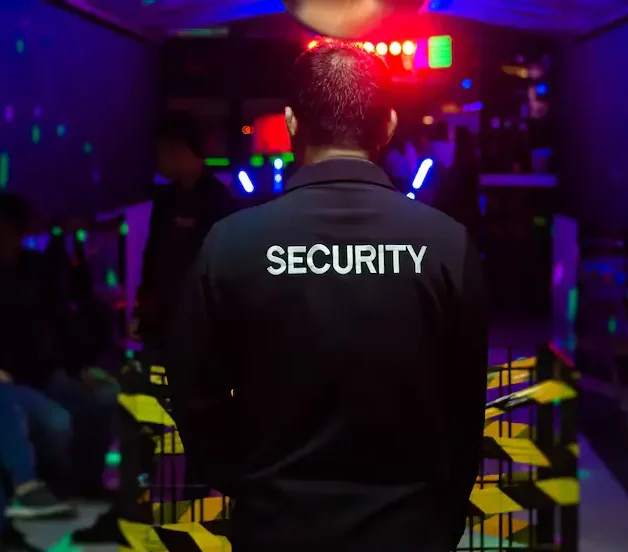
Becoming a door supervisor can be a practical way to start a career in the private security industry. London has a busy nightlife, hospitality and events sector, creating opportunities for trained security professionals in pubs, clubs, hotels, entertainment venues and events.
However, becoming a professional door supervisor involves more than finding a security job. You need the correct training, a recognised qualification and an SIA licence before carrying out licensable door supervision work.
A Door Supervisor Course In London is designed to provide the knowledge and practical skills required for the role and to help you work towards the qualification needed for an SIA door supervisor licence.
This guide explains the process from choosing your training course to getting your licence and looking for your first job.
What Does a Door Supervisor Do?
Door supervisors help maintain safety and security at licensed premises and other venues.
Their responsibilities can include:
- Managing entrances and exits
- Checking tickets or identification
- Searching people and bags where appropriate
- Managing queues and crowds
- Monitoring customer behaviour
- Preventing unauthorised access
- Responding to security incidents
- Dealing with conflict
- Supporting people who may be vulnerable
- Working with venue management
- Recording incidents
- Responding to emergencies
The exact responsibilities depend on the employer and venue.
A nightclub, for example, may require door supervisors to focus heavily on access control and crowd management, while an event security role may involve monitoring large groups of people across a much bigger site.
The National Careers Service describes door supervisors as security professionals who protect licensed premises such as pubs, bars and nightclubs from disorder, unauthorised access and damage.
Why Become a Door Supervisor in London?
London is one of the UK’s largest centres for hospitality, entertainment and events.
There are opportunities to work in different environments, including:
- Nightclubs
- Pubs
- Bars
- Hotels
- Restaurants
- Concert venues
- Festivals
- Sporting events
- Shopping centres
- Private events
- Entertainment venues
This variety can make London an attractive location for people starting a security career.
Door supervision can also provide valuable experience that may help you progress into other areas of private security.
What Qualification Do You Need?
If you want to become a door supervisor, you need to complete a recognised licence-linked qualification before applying for your front-line SIA licence.
The SIA currently lists the Level 2 Award for Working as a Door Supervisor in the Private Security Industry among the qualifications accepted for door supervisor licensing.
The qualification must be obtained through an appropriate training provider and awarding organisation.
The SIA does not provide the training itself. Training providers are approved by awarding organisations that offer SIA licence-linked qualifications.
This means you should always check the qualification and awarding organisation before paying for a course.
Do You Need an SIA Licence?
Yes.
Door supervision is a licensable front-line security activity. You need the appropriate SIA licence to carry out the role legally.
The SIA explains that you must have the right licence-linked qualification before applying for a front-line licence.
The basic process is:
Training → Qualification → SIA Application → SIA Licence → Employment
Completing a course does not automatically give you an SIA licence.
The SIA conducts its own checks before deciding whether an applicant is suitable for a licence.
What Are the Entry Requirements?
You need to meet the SIA’s current eligibility requirements.
One basic requirement is age. You must be 18 or over to hold an SIA licence.
You will also need the appropriate qualification and must pass the SIA’s identity and suitability checks.
The SIA may check information such as your identity, address history and criminal record as part of the licensing process.
You do not normally need previous professional security experience to begin the standard training route.
Do You Need First Aid Training?
Yes.
First aid is an important requirement for people completing the training required for a full door supervisor qualification.
The SIA states that you must have an appropriate first aid qualification before taking the licence-linked training. Your first aid qualification must be valid for at least another 12 months when you start the training.
The SIA’s current first aid requirements also specify that training must cover how to respond to life-threatening bleeding and how to open airways.
If you already have a first aid certificate, ask your training provider to confirm that it meets the current requirements.
If you do not have one, you may need to complete first aid training before starting your Door Supervisor Course.
What Does a Door Supervisor Course Teach You?
A professional Door Supervisor Course In London should provide both theoretical knowledge and practical skills.
The SIA’s published training requirements include four core areas:
- Common Security Industry Knowledge
- Door Supervisor Specialist Module
- Conflict Management
- Physical Intervention Skills
The published SIA specification also includes assessments for the relevant training units.
Security Industry Knowledge
You learn about the private security industry and the responsibilities of security professionals.
This can include:
- Relevant legislation
- Health and safety
- Professional conduct
- Emergency procedures
- Legal responsibilities
- Security awareness
Understanding the law is essential because door supervisors must operate within clearly defined responsibilities.
Door Supervision
The specialist door supervision element focuses on the practical responsibilities of working at licensed premises.
This can include access control, searching, customer safety, venue procedures and dealing with incidents.
Conflict Management
Conflict management is an essential skill.
Door supervisors can encounter customers who are angry, intoxicated, aggressive or unwilling to follow venue rules.
Training helps you understand how to communicate effectively and manage difficult situations professionally.
The aim is not to create unnecessary confrontation. A professional door supervisor should assess the situation and use an appropriate response.
Physical Intervention
Physical intervention is another important part of the qualification.
The training is designed to teach appropriate techniques and help learners understand the risks and responsibilities involved.
The SIA specifically includes a Physical Intervention Skills Module in its door supervisor training requirements.
Physical intervention should always be approached carefully and within the law.
How Long Does the Course Take?
The exact course structure can vary depending on the current SIA requirements and training provider.
The SIA has updated its licence-linked training arrangements in 2026. Its current information explains that door supervisor courses have become longer than earlier versions of the training.
When booking, ask the provider for the complete timetable and confirm:
- Number of training days
- Total training hours
- Self-study requirements
- Practical sessions
- Examination dates
- Assessment arrangements
Do not rely on old websites or social media posts when comparing course duration because SIA training requirements can change.
How to Choose a Door Supervisor Course In London
Choosing the right training provider is an important step.
Check the Qualification
Make sure the course leads to a qualification currently accepted by the SIA.
The SIA regularly updates its guidance, so check the latest list before booking.
Check the Awarding Organisation
Ask which organisation will issue your qualification.
The SIA currently recognises qualifications awarded by organisations including Highfield Qualifications, Laser Learning Awards, NOCN, Pearson, QNUK and SFJ Awards.
The SIA has also announced that it is ending its endorsement of BIIAB and will not accept qualifications granted by BIIAB on or after 10 August 2026.
This is particularly important if you are booking a course now.
Check Practical Training
Ask how practical training is delivered.
You should understand how the provider teaches and assesses areas such as physical intervention and searching.
Check the Location
London is a large city, so consider how easily you can travel to the training centre.
A convenient location can make attending every required session easier.
Compare the Total Price
Do not look only at the advertised course price.
Ask whether the price includes:
- Training
- Qualification fees
- Examinations
- Learning materials
- Practical assessment
- First aid training
- Certification
You should know the complete cost before making a payment.
What Should You Expect During Training?
Your course may combine classroom learning with practical activities.
You should expect to participate rather than simply listen to a trainer.
During the course, you may:
- Study security legislation
- Complete written or knowledge-based assessments
- Practise communication techniques
- Study conflict management
- Take part in practical exercises
- Learn physical intervention techniques
- Discuss real-world security situations
- Complete examinations
Good attendance and active participation can help you get more from the course.
How Do You Apply for the SIA Licence?
After completing your training and passing the required assessments, your awarding organisation informs the SIA that you have achieved the qualification.
The SIA must receive this notification before you can submit your licence application.
You then complete the SIA application process.
You will need to provide information and documents needed for identity and suitability checks.
The SIA states that applying for a licence does not guarantee that one will be granted. Applicants must pass the relevant checks.
This is why it is important to understand that your training provider cannot guarantee an SIA licence.
How Much Does an SIA Licence Cost?
The SIA charges a fee for processing licence applications.
The current licence fee is £204 from April 2026, according to the SIA’s published information. Check the latest SIA application guidance before applying because fees can change.
You should also budget for your training and any required first aid qualification.
Your overall cost can therefore include:
Door Supervisor Training + First Aid + SIA Licence Fee
Always confirm current prices directly with your training provider and the SIA.
How Long Is an SIA Licence Valid?
An SIA licence is generally valid for three years.
However, you need to pay attention to renewal requirements.
The SIA introduced refresher training requirements for renewing door supervisor licences. Current guidance states that renewing door supervisors must hold the relevant refresher qualification as well as their existing full licence-linked qualification.
You also need an appropriate first aid qualification before taking refresher training.
How Can You Find Your First Door Supervisor Job?
Once you receive your SIA licence, you can begin applying for suitable positions.
Create a professional CV that includes:
- SIA licence
- Door supervisor qualification
- First aid qualification
- Previous employment
- Customer service experience
- Relevant skills
- Availability
If you have no previous security experience, highlight transferable skills.
For example, hospitality experience can demonstrate customer service and communication, while retail experience can show that you are comfortable dealing with members of the public.
What Skills Do You Need?
Being a successful door supervisor requires more than qualifications.
Communication
You need to communicate clearly with customers, colleagues and management.
Confidence
You should be confident enough to make decisions and give instructions when required.
Patience
Security work can involve difficult situations. Staying calm is important.
Observation
You need to pay attention to what is happening around you.
Teamwork
Most venues use teams of security professionals who need to work together.
Reliability
Employers need people who arrive on time and follow procedures.
Professionalism
Your conduct can affect both your employer and the venue.
The National Careers Service highlights patience, communication, teamwork, attention to detail and the ability to work under pressure as useful skills for door supervisors.
Where Can You Work?
Once you have the required qualification and licence, there are different environments where you can look for work.
Nightclubs
Nightclubs often need door supervisors to manage entrances, queues and customer behaviour.
Pubs and Bars
Door supervisors can help maintain a safe environment and respond to incidents.
Hotels
Large hotels may use security staff for guest safety, events and access control.
Events
Concerts, festivals and sporting events can require large security teams.
Entertainment Venues
Theatres and other entertainment venues may also require trained security professionals.
Your responsibilities will depend on the venue and employer.
Can You Progress Beyond Door Supervision?
Yes.
Door supervision can be the beginning of a broader security career.
With experience and additional training, you may explore:
- Event security
- Corporate security
- Retail security
- Venue security
- Security supervision
- Security management
- Other specialist security roles
Your first door supervisor position can therefore help you develop experience, professional contacts and confidence.
What Is a Typical Door Supervisor Shift Like?
A typical shift can vary considerably.
You may begin by attending a team briefing and learning about the venue’s expected crowd size, events and specific security concerns.
During the shift, you may check identification, monitor queues and observe customer behaviour.
Later, you may patrol the venue, communicate with colleagues and respond to incidents.
At the end of the shift, you may need to complete an incident report and provide information to the next security team.
The job can involve standing for long periods and working evenings, weekends and bank holidays. The National Careers Service describes door supervisor working hours as variable and commonly involving shifts.
How Can You Build a Successful Career?
Getting your SIA licence is only the beginning.
To build a strong reputation:
- Arrive on time
- Follow venue procedures
- Communicate professionally
- Treat customers respectfully
- Stay calm under pressure
- Work well with colleagues
- Keep records accurately
- Continue learning
- Maintain your qualifications
- Take feedback seriously
Employers are more likely to trust security professionals who demonstrate reliability and professionalism.
Why Choose Betrain for Your Training?
If you are searching specifically for a Door Supervisor Course In London, Betrain is one training provider you can consider.
Its website provides information about its Door Supervisor Course in London and other security training options.
You can review the current course details here:
Betrain Door Supervisor Course
Before booking, confirm the latest course dates, qualification, awarding organisation, price, first aid requirements and training structure directly with the provider.
It is always sensible to compare several providers before making your final decision.
Common Mistakes New Door Supervisors Make
New learners sometimes make avoidable mistakes.
Choosing a Course Only Because It Is Cheap
Price matters, but the qualification and quality of training are more important.
Not Checking Current SIA Rules
SIA requirements can change, so always check current official guidance.
Forgetting First Aid
You need an appropriate first aid qualification before taking the relevant licence-linked training.
Assuming the Course Gives You a Licence
You still need to apply for the SIA licence after achieving your qualification.
Not Preparing for the Job
Passing your course is not the same as being ready for every workplace situation. Continue developing your communication and professional skills.
Ignoring Career Development
Use your first security job to gain experience and identify your next career goal.
Frequently Asked Questions
How do I become a door supervisor in London?
You need to complete the appropriate SIA licence-linked qualification, meet the first aid requirement, pass the required assessments and apply for an SIA door supervisor licence. You must also meet the SIA’s eligibility and suitability requirements.
Do I need previous security experience?
No. You can normally enter the profession by completing the required training and qualification without previous professional security experience.
Do I need first aid training?
Yes. You must have an appropriate first aid qualification before taking the training required for a full door supervisor qualification.
How old do I need to be?
You must be at least 18 years old to hold an SIA licence.
Is the Door Supervisor qualification Level 2?
Yes. The SIA currently recognises the Level 2 Award for Working as a Door Supervisor in the Private Security Industry as a qualification route for door supervisor licensing.
Does completing the course give me an SIA licence?
No. You need to complete a separate SIA licence application after achieving the required qualification.
Where can I work after becoming a door supervisor?
You can look for suitable opportunities at nightclubs, pubs, bars, hotels, events, entertainment venues and other locations requiring licensed door supervision.
Can I work at events?
Yes. Depending on the employer and role, door supervisors can work at concerts, festivals, sporting events and other events.
How long is an SIA licence valid?
An SIA licence is generally valid for three years.
Do I need refresher training when renewing?
Current SIA rules require renewing door supervisors to hold the relevant refresher qualification alongside their existing full licence-linked qualification.
Start Your Door Supervisor Career in London
Becoming a door supervisor requires proper preparation, but the process is straightforward when you understand the main stages.
First, choose a suitable Door Supervisor Course In London