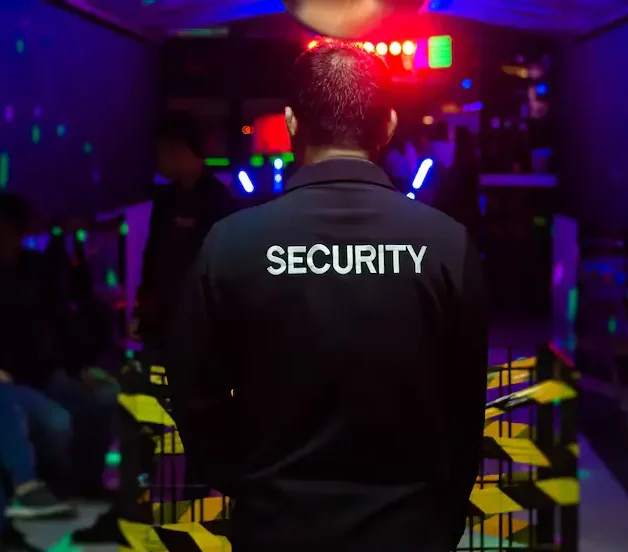
If you want to start a career in private security, completing a Door Supervisor Course In London can be an excellent first step. Door supervisors are needed in many environments, including nightclubs, pubs, bars, hotels, entertainment venues, concerts and events.
However, becoming a professional door supervisor involves more than simply completing a short security course. You need the correct licence-linked qualification, appropriate first aid training and an SIA licence before carrying out licensable door supervision work. The SIA confirms that applicants need the correct licence-linked qualification before applying for a front-line door supervisor licence.
This guide explains the training process, essential skills, SIA requirements and job opportunities available after becoming qualified.
What Is a Door Supervisor?
A door supervisor is a trained security professional who helps maintain safety and security at licensed premises and other venues.
The job can involve much more than standing at an entrance. Depending on the venue, a door supervisor may be responsible for:
- Checking identification
- Controlling entry and exit
- Managing queues
- Searching customers where appropriate
- Monitoring behaviour
- Preventing unauthorised access
- Managing conflict
- Responding to incidents
- Communicating with venue management
- Supporting emergency procedures
- Completing incident reports
- Helping protect customers and staff
The exact duties depend on the employer and location.
For example, working at a busy London nightclub can involve managing large queues and dealing with difficult customers, while event security may involve monitoring much larger crowds across a concert or festival site.
Why Take a Door Supervisor Course In London?
London has a large hospitality, entertainment and events industry.
There are many different types of venues where trained security professionals may find employment, including:
- Nightclubs
- Pubs
- Bars
- Hotels
- Restaurants
- Concert venues
- Festivals
- Sporting events
- Entertainment centres
- Private events
A recognised Door Supervisor Course In London gives you the opportunity to develop the knowledge and skills required for this type of work.
Betrain describes its London Door Supervisor training as covering the legal qualification, practical skills and confidence needed to work in venues where safety, conflict management and customer service are important.
What Training Do You Need?
The SIA requires applicants for a door supervisor licence to hold an appropriate current, full licence-linked qualification.
The qualification route is designed to prepare new entrants for the core activities involved in private security.
Training can cover areas such as:
- Security industry knowledge
- Door supervision
- Conflict management
- Physical intervention
- Searching
- Legal responsibilities
- Customer safety
- Emergency procedures
The SIA explains that its licence-linked qualification specifications are designed for people who are new to the private security industry and cover the core activities of the role.
First Aid Training Is Important
Before taking the training required for a full door supervisor qualification, you must have an appropriate first aid qualification.
The SIA currently states that an Emergency First Aid at Work qualification or equivalent must be completed before the licence-linked training. It must be valid for at least another 12 months when you begin the training.
This requirement exists because door supervisors can encounter situations where immediate first aid may be necessary.
If you already have first aid training, ask your provider whether your qualification meets the current SIA requirements.
If you do not have it, you may need to complete first aid training before beginning your main course.
What Will You Learn on the Course?
A good Door Supervisor Course In London should prepare you for both the knowledge and practical sides of security work.
Security Industry Knowledge
You will learn about the private security industry and the responsibilities of security professionals.
This can include:
- Relevant legislation
- Professional conduct
- Health and safety
- Emergency procedures
- Communication
- Legal responsibilities
Understanding your legal responsibilities is essential because door supervisors must know the limits of their authority.
Door Supervision Skills
The specialist door supervision training focuses on the situations you are likely to encounter at licensed premises.
You can learn about:
- Access control
- Searching procedures
- Customer safety
- Venue security
- Incident management
- Refusing entry
- Crowd management
These skills can help you approach your first security job with greater confidence.
Conflict Management
Conflict management is one of the most important skills for a door supervisor.
You may encounter customers who are frustrated, intoxicated, aggressive or unwilling to follow venue rules.
The goal is to manage situations professionally and safely.
Good communication can often prevent a minor disagreement from becoming a serious incident.
Physical Intervention
Physical intervention is another key part of door supervisor training.
The SIA’s licence-linked training requirements include physical intervention skills for door supervisors.
Training helps learners understand appropriate techniques, responsibilities and safety considerations.
Practical physical intervention training must be delivered face-to-face under the current SIA training arrangements.
How Long Does Door Supervisor Training Take?
The current training structure has changed from older versions of SIA training.
The SIA introduced updated delivery arrangements in 2026, allowing some training to combine self-study, virtual classroom learning and face-to-face training. However, practical physical intervention training must be delivered face-to-face.
When choosing a course, ask the provider for its current timetable and check:
- Total training hours
- Number of training days
- Self-study requirements
- Practical training
- Examination arrangements
- Assessment dates
Betrain currently advertises its full Door Supervisor course as a Level 2 London course and lists six days for the course on its website.
Course arrangements can change, so always confirm the latest timetable before booking.
What Skills Do Door Supervisors Need?
A qualification gets you started, but employers also want people who have the right personal and professional skills.
Communication Skills
You need to communicate clearly with customers, colleagues and management.
A calm explanation can sometimes prevent a difficult situation from becoming a confrontation.
Confidence
Door supervisors need confidence when controlling entrances, enforcing venue rules and dealing with incidents.
Confidence does not mean being aggressive. Professional confidence means remaining calm and making sensible decisions.
Observation
Good observation skills are essential.
You need to pay attention to what is happening around you and identify situations that could become security problems.
Patience
Some customers may be difficult or frustrated.
Patience can help you remain professional during stressful situations.
Teamwork
Door supervisors usually work as part of a security team.
You need to communicate with colleagues and follow instructions from supervisors and venue management.
Reliability
Employers expect security staff to arrive on time, remain alert and follow procedures.
Being reliable can help you build a strong reputation in the industry.
Professionalism
Your behaviour represents both your employer and the venue.
Treating people respectfully and following procedures can help you build trust with employers.
How Do You Get an SIA Licence?
Completing a course does not automatically give you an SIA licence.
The general process is:
Complete First Aid → Complete Door Supervisor Training → Pass Assessments → Receive Qualification → Apply for SIA Licence → Start Looking for Work
The SIA confirms that you must have the correct licence-linked qualification before applying for a front-line door supervisor licence.
After your qualification is confirmed, you submit your SIA application and provide the required information for the relevant checks.
The SIA then makes its own decision about whether you meet the requirements for a licence.
What Are the Job Opportunities?
After obtaining your qualification and SIA licence, you can search for suitable security positions across London.
Potential opportunities include:
Nightclub Security
Nightclubs are one of the most recognisable workplaces for door supervisors.
Typical responsibilities can include checking identification, managing queues, monitoring customers and responding to incidents.
Pub and Bar Security
Pubs and bars may also employ door supervisors, particularly during busy evenings and weekends.
Event Security
Concerts, festivals and sporting events can require large numbers of trained security professionals.
Event work can provide experience in crowd management and large-scale security operations.
Hotel Security
Hotels may employ security staff to help protect guests, staff and property.
Entertainment Venues
Theatres, clubs and other entertainment venues can also require trained security personnel.
Private Events
Some security companies provide door supervision and event security for private functions.
The type of work available will depend on your licence, employer and the specific duties involved.
How Can You Find Your First Job?
Once your SIA licence has been granted, you can begin applying for suitable positions.
Prepare a professional CV containing:
- Your SIA licence
- Door supervisor qualification
- First aid qualification
- Previous employment
- Customer service experience
- Relevant skills
- Availability
If you have never worked in security before, do not assume that you have no useful experience.
Hospitality, retail and customer service jobs can demonstrate communication skills, reliability and experience dealing with the public.
You should also be prepared for security job interviews.
Employers may ask how you would handle:
- An aggressive customer
- A queue dispute
- Someone attempting to enter without identification
- A conflict between customers
- An emergency
- A colleague who needs assistance
Focus your answers on safety, communication, teamwork and following procedures.
Can Door Supervision Become a Long-Term Career?
Yes.
Door supervision can be a starting point rather than the end of your security career.
After gaining experience, you may decide to explore areas such as:
- Event security
- Corporate security
- Retail security
- Venue security
- Security supervision
- Security management
- Other specialist security roles
The experience you gain as a door supervisor can help you understand the wider private security industry.
Why Experience Matters
Training gives you the foundation, but workplace experience helps you understand how security operates in real situations.
Every venue is different.
You may need to learn:
- How a particular venue operates
- Where emergency exits are located
- How your team communicates
- How incidents are reported
- How management expects security staff to respond
- How to manage busy periods
- How to work with emergency services when necessary
The SIA itself explains that licence-linked qualifications cover the core activities of a role and cannot provide every piece of training an operative may need for every possible workplace situation.
Employers may therefore provide additional site-specific training.
How Much Does Training Cost?
Training prices vary between providers and can depend on whether first aid, assessment fees and other costs are included.
Betrain currently advertises its Door Supervisor course at £300 on its website, while its separate first aid course is listed at £100.
Prices can change, so check the provider’s current course page before booking.
When comparing courses, ask whether the advertised price includes:
- Training
- Qualification fees
- Examinations
- Practical assessments
- Learning materials
- First aid
- Certification
The cheapest advertised course is not necessarily the cheapest overall option if additional fees are charged later.
Choosing the Right Training Provider
Before booking a Door Supervisor Course In London, compare different providers.
Look at the following factors.
Qualification
Confirm that the qualification is currently accepted by the SIA.
Awarding Organisation
Ask which awarding organisation will issue your qualification.
Training Location
Choose a location that you can reach reliably for every required session.
Practical Training
Ask how practical exercises are delivered and assessed.
Course Schedule
Check whether the timetable fits around your work and personal commitments.
Total Price
Ask for the complete cost before booking.
Learner Support
Find out whether the provider offers help with CVs, interviews, job searches or referrals.
Betrain currently advertises job placement support and states that it provides flexible weekday and weekend classes.
Why Consider Betrain?
If you are searching for a Door Supervisor Course In London, Betrain is one provider you can investigate.
Its current course information describes the Door Supervisor programme as a Level 2 London course covering areas including conflict management and physical intervention.
Betrain also advertises additional security and first aid training.
You can review its current course details here:
Betrain Door Supervisor Course In London
Before booking, confirm the latest course dates, qualification, awarding organisation, price and first aid requirements directly with the provider.
SIA Licence Renewal
Getting your first licence is not the end of your training.
The SIA currently requires renewing door supervisors to hold the relevant refresher qualification alongside their existing full licence-linked qualification.
You must also have an Emergency First Aid at Work qualification or equivalent before taking the refresher training, and it needs to remain valid for at least another 12 months.
This means you should think of security training as an ongoing part of your career.
Keeping your qualifications and licence requirements up to date can help you remain eligible to work.
Tips for New Door Supervisors
If you are just entering the industry, a few simple habits can make a big difference.
Arrive Early
Give yourself enough time to reach the venue and prepare for your shift.
Stay Alert
Avoid distractions and remain aware of what is happening around you.
Communicate With Your Team
Keep colleagues informed about incidents and potential problems.
Stay Calm
Do not allow difficult customers to affect your professionalism.
Follow Procedures
Every venue has its own rules and emergency procedures.
Keep Accurate Records
If an incident occurs, record relevant details according to your employer’s procedures.
Treat People Respectfully
Professional behaviour can help prevent unnecessary conflict.
Continue Learning
Take advantage of additional training and experience whenever possible.
Frequently Asked Questions
What is a Door Supervisor Course In London?
It is specialist private security training designed to prepare learners for the recognised qualification required for an SIA door supervisor licence.
Do I need an SIA licence to work as a door supervisor?
Yes, where the role involves licensable door supervision. The SIA confirms that the appropriate front-line licence is required for licensable activities.
Do I need first aid training?
Yes. You must have an appropriate first aid qualification before taking the training required for the full door supervisor qualification.
Can I become a door supervisor with no experience?
Yes. The licence-linked qualifications are designed to provide the core knowledge and skills required by people entering private security.
What skills are important for door supervisors?
Communication, confidence, observation, patience, teamwork, reliability and professionalism are all valuable.
Where can I work after getting my SIA licence?
You can look for suitable opportunities at nightclubs, pubs, bars, hotels, events, entertainment venues and other locations requiring licensed security professionals.
Can door supervisors work at concerts?
Yes. Depending on the employer and duties, trained and licensed security professionals can work at concerts, festivals and other events.
How long is an SIA licence valid?
SIA licences are generally valid for three years, after which renewal requirements apply.
Is refresher training required?
Current SIA rules require relevant refresher training for door supervisors renewing their licences.
Can door supervision lead to other security careers?
Yes. Experience can help you progress towards event security, venue security, supervisory positions and other areas of private security.
Start Your Door Supervisor Career in London
A Door Supervisor Course In London can give you the foundation you need to enter the private security industry.
The process starts with choosing suitable training and completing the required first aid qualification. You then complete the recognised door supervisor qualification, pass the required assessments and apply for your SIA licence.
Once licensed, you can begin exploring job opportunities across London’s nightlife, hospitality, entertainment and events sectors.
The most successful door supervisors combine their qualification with strong communication, professionalism, reliability and practical experience.
If you are ready to explore your training options, review the current course information from Betrain and confirm all requirements before booking.