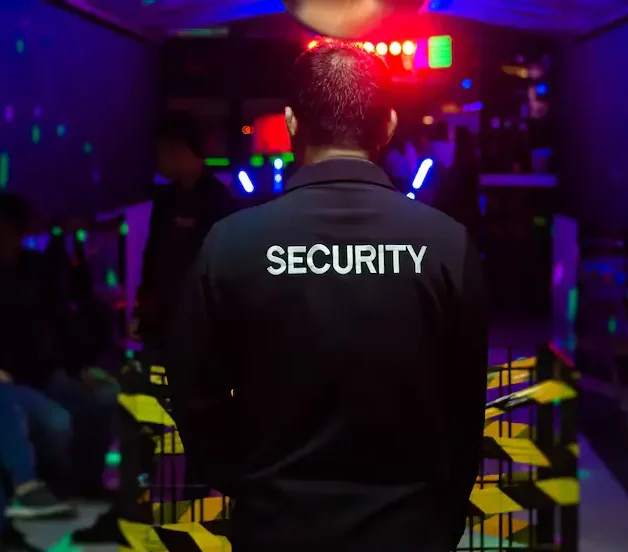
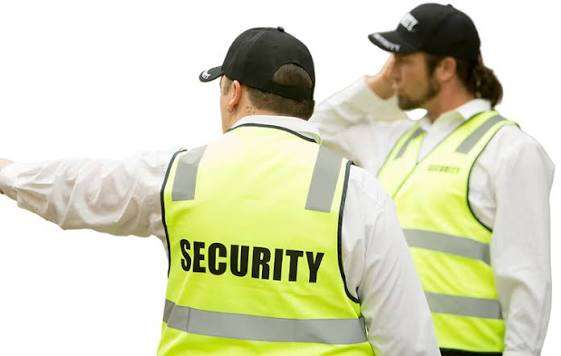
Starting a career as a door supervisor can be an excellent opportunity for people who want to work in the private security industry. However, getting into the profession involves more than simply finding a security job. You need the right training, a recognised qualification and an SIA licence before carrying out licensable door supervision work.
A Door Supervisor Course In London combines essential security knowledge with practical training designed to prepare learners for real workplace situations. The training can cover conflict management, physical intervention, communication, legal responsibilities and other areas that are important when working in busy venues.
London is home to thousands of pubs, clubs, hotels, restaurants, entertainment venues and events, making trained security professionals an important part of the city’s hospitality and entertainment industries.
This guide explains what practical training involves, how the SIA licence fits into the process and what you should know before starting your security career.
What Is a Door Supervisor Course?
A Door Supervisor Course is specialist training for people who want to work in front-line security roles involving door supervision.
The SIA requires people applying for a front-line door supervisor licence to hold a suitable licence-linked qualification. The training must be completed through an approved training provider, with the qualification awarded by an appropriate awarding organisation.
The course is designed to develop both knowledge and practical skills.
Learners can study areas such as:
- Security industry responsibilities
- Door supervision
- Conflict management
- Physical intervention
- Searching procedures
- Legal responsibilities
- Health and safety
- Communication
- Incident management
- Customer and venue safety
The exact course structure should always be checked with your training provider because SIA requirements and qualification arrangements can change.
Why Is Practical Training Important?
Classroom knowledge is important, but security work also requires practical skills.
A door supervisor may face situations where they need to communicate with an angry customer, manage an entrance, respond to an incident or work with colleagues during a busy event.
Practical training allows learners to develop confidence in controlled situations before they enter the workplace.
It can help you understand how to:
- Communicate clearly
- Assess situations
- Manage conflict
- Work as part of a team
- Respond appropriately to incidents
- Carry out searches correctly
- Use physical intervention techniques safely
- Protect vulnerable people
- Follow venue procedures
The SIA explains that licence-linked training provides the core knowledge and skills needed for the role, although employers and venues may provide additional training for specific environments.
What Practical Skills Are Covered?
The practical side of door supervisor training can be one of the most valuable parts of the course.
Conflict Management
Conflict management teaches you how to deal with challenging situations professionally.
A door supervisor may encounter customers who are frustrated, intoxicated, aggressive or unwilling to follow venue rules. The ability to remain calm and communicate effectively can help prevent a difficult situation from escalating.
Good conflict management is not about trying to dominate every situation. It is about understanding what is happening, communicating clearly and taking an appropriate response based on the circumstances.
Physical Intervention
Physical intervention is another important element of door supervisor training.
The purpose of this training is to help learners understand appropriate physical intervention skills and the risks involved.
The SIA includes physical intervention within the training required for door supervisors.
Safety is particularly important when physical intervention is involved. The SIA warns that physical intervention carries risks and highlights the importance of duty of care, reducing the risk of positional asphyxia and recognising medical emergencies.
Professional training therefore focuses on using appropriate techniques rather than unnecessary force.
Searching Skills
Door supervisors may be required to conduct searches according to the venue’s policies and legal requirements.
Training can help learners understand how searches should be approached professionally and safely.
Searching should always be carried out according to the relevant law, company procedures and venue policy.
Communication
Communication is central to door supervision.
You may need to communicate with:
- Customers
- Colleagues
- Managers
- Venue staff
- Emergency services
- Police officers
Clear communication can help prevent misunderstandings and support effective teamwork.
What Does the SIA Licence Do?
The SIA licence is the legal authorisation required for people carrying out licensable front-line security activities.
Completing a training course does not automatically give you an SIA licence.
Instead, the process generally involves completing the appropriate qualification first and then applying to the SIA.
The SIA states that once you have successfully achieved the required qualification, your awarding organisation will notify the SIA. You can then submit your licence application.
The SIA carries out application checks to confirm your identity and assess whether you are suitable to hold a licence.
This means you should think of the career pathway as:
Door Supervisor Training → Qualification → SIA Licence Application → SIA Licence → Employment
What Qualification Do You Need?
For a new door supervisor applicant, the SIA currently requires one of the recognised full licence-linked door supervisor qualifications.
The current recognised qualification includes the Level 2 Award for Working as a Door Supervisor in the Private Security Industry, awarded by one of the awarding organisations currently accepted by the SIA.
Because the SIA updates its accepted qualifications, it is important to check the latest requirements before paying for a course.
The SIA also announced in 2026 that it is ending its endorsement of BIIAB and will not accept qualifications granted by BIIAB on or after 10 August 2026.
This is a good example of why checking current official requirements matters when choosing a training provider.
Do You Need First Aid Training?
Yes. First aid is an important requirement before taking the licence-linked training for a full door supervisor qualification.
The SIA states that you must have an appropriate first aid qualification before taking the training. It must be valid for at least another 12 months when the SIA licence-linked training begins.
The first aid training must meet the relevant requirements, including practical elements.
Current SIA guidance also states that first aid training must cover areas such as responding to life-threatening bleeding and opening airways.
If you are unsure whether your existing first aid certificate is acceptable, ask your training provider before booking your Door Supervisor Course.
How Long Is the Training?
The duration depends on the qualification and the training provider.
The SIA’s published door supervisor training requirements explain that the training includes multiple units and examinations. The published specification states a 45-hour training duration for the relevant programme and a minimum delivery period where distance learning is used.
Training arrangements have also been updated over time, so prospective learners should check the current course structure rather than relying on older information online.
For example, Betrain currently advertises its London Door Supervisor Course on its website.
Betrain Door Supervisor Course In London
Before booking, check the provider’s latest timetable and confirm that the course leads to a qualification currently accepted by the SIA.
What Should You Look for in Practical Training?
When comparing a Door Supervisor Course In London, do not focus only on price.
Look at the quality and structure of the practical training.
Face-to-Face Practical Sessions
Practical skills should be properly demonstrated, practised and assessed.
This is particularly important for physical intervention and searching, where practical competence matters.
Qualified Trainers
Ask whether trainers have the qualifications and experience required to deliver the relevant security training.
The SIA requires training providers to meet specific approval and trainer requirements.
Suitable Training Facilities
A good training environment should provide enough space and appropriate equipment for practical exercises.
This can make it easier for learners to practise techniques safely.
Clear Assessment Information
Ask how practical assessments and examinations work before you enrol.
Understanding the assessment process can help you prepare properly.
How Does the SIA Application Work?
After completing your training and receiving your qualification, you can begin the SIA application process.
The SIA explains that applicants need to provide information and documents for identity and suitability checks.
You should make sure your personal information is accurate and that you have the documents needed before beginning your application.
The SIA also advises applicants to check the current licensing criteria before applying.
Do not assume that completing the training guarantees that your licence will be granted. The qualification is an important requirement, but the SIA must also complete its licensing checks.
How Can Practical Training Help at Work?
Practical training can help you feel more prepared when starting your first security role.
For example, imagine working at a busy London nightclub on a Friday evening.
You may have to manage a queue, check identification, communicate with customers and monitor what is happening around you at the same time.
Later in the evening, you may need to deal with a disagreement between customers.
Training cannot predict every situation, but it can give you a foundation for making safer and more professional decisions.
The SIA also notes that licence-linked training cannot cover every possible situation because every venue and event is different. Employers and venue management may therefore provide additional training based on their own risk assessments.
Where Can You Work After Getting Your Licence?
Once you have the appropriate qualification and SIA licence, you can look for suitable door supervisor roles.
Potential workplaces include:
- Nightclubs
- Pubs
- Bars
- Hotels
- Concert venues
- Festivals
- Sporting events
- Restaurants
- Shopping centres
- Entertainment venues
- Private events
London can provide a wide variety of opportunities because of its large hospitality and events industry.
Your exact responsibilities will depend on your employer and the venue.
What Qualities Make a Good Door Supervisor?
Training and licensing are essential, but personal qualities also matter.
Professionalism
You represent your employer and the venue, so professional behaviour is important.
Patience
Security work can involve difficult customers and stressful situations. Remaining calm is a valuable skill.
Confidence
You need to be comfortable communicating with people and making decisions.
Observation
A good door supervisor pays attention to their surroundings and looks for potential risks.
Teamwork
Security operations often involve several people working together.
Reliability
Employers need people who arrive on time, follow procedures and can be trusted with responsibility.
Can Practical Training Improve Your Job Prospects?
A qualification and licence allow you to apply for suitable security roles, but employers may also look at your experience and attitude.
Practical training can give you a stronger understanding of what the job involves.
When applying for your first role, highlight your:
- Door supervisor qualification
- SIA licence
- First aid qualification
- Practical training
- Communication skills
- Customer service experience
- Security experience
- Availability
If you have no previous security experience, focus on transferable skills from other jobs.
For example, experience in hospitality can demonstrate customer service and communication skills, while retail experience may demonstrate responsibility and dealing with members of the public.
What Happens When Your Licence Needs Renewing?
SIA licensing requirements do not end after your first licence.
The current rules require door supervisors renewing their licence to hold the relevant refresher qualification as well as their original full licence-linked qualification. They also need an appropriate first aid qualification before taking the refresher training.
Refresher training helps security professionals keep important skills current.
The SIA’s updated training arrangements include areas such as physical intervention, searching, terror threat awareness, vulnerability and spiking awareness. Practical assessments are required for searching and physical intervention.
This demonstrates why continuing training is important throughout a security career.
Why Choose a London Door Supervisor Course?
London is a major centre for hospitality, entertainment and events.
A Door Supervisor Course In London can provide a practical route into an industry where security professionals are needed across many different types of venues.
Studying in London can also allow you to become familiar with the types of environments in which you may eventually work.
However, choosing the right course is more important than simply choosing a convenient location.
Always check:
- Current SIA requirements
- Qualification title
- Awarding organisation
- Training duration
- Practical training
- First aid requirements
- Assessment arrangements
- Course location
- Provider approval
- Total course cost
The SIA provides an online search tool for finding providers offering licence-linked training.
Is a Door Supervisor Course Worth It?
For people interested in private security, the course can be a valuable investment.
It provides the training needed to pursue an SIA door supervisor licence and develops practical skills that can be useful in real working environments.
The qualification can also be the starting point for building experience and progressing into other areas of security.
However, the course should be viewed as the beginning of your professional development rather than the end.
Your reputation, reliability, communication skills and willingness to keep learning can all influence your career progression.
Frequently Asked Questions
What is practical training on a Door Supervisor Course?
Practical training can include areas such as conflict management, searching and physical intervention. These sessions allow learners to practise relevant skills under the supervision of qualified trainers.
Do I need an SIA licence after completing the course?
Yes. Completing the qualification does not automatically provide an SIA licence. You must complete the separate SIA licensing process.
Is physical intervention included in door supervisor training?
Yes. Physical intervention is one of the core areas of door supervisor licence-linked training.
Do I need first aid before starting the course?
Yes. You need an appropriate first aid qualification before taking the training required for a full door supervisor qualification, and it must meet the SIA’s current validity requirements.
Can I take some training online?
Some licence-linked training may use self-study or virtual learning where permitted by the relevant awarding organisation and SIA requirements. However, practical elements must be delivered appropriately, and some practical assessments require face-to-face delivery.
How do I find an approved training provider?
The SIA provides a search tool for licence-linked training providers. Training providers are approved by awarding organisations rather than directly approved or vetted by the SIA.
Can I work in a nightclub after getting my licence?
Yes, door supervisor roles can include work in nightclubs, pubs, bars and other licensed premises, provided you hold the appropriate licence and meet the employer’s requirements.
What happens after I complete my qualification?
Your awarding organisation notifies the SIA that you have achieved the qualification. You can then submit your SIA licence application and complete the required checks.
Do I need practical experience before becoming a door supervisor?
You do not normally need previous professional security experience. The purpose of the course is to provide the required foundation before you enter the industry.
Is refresher training required when renewing an SIA door supervisor licence?
Yes. Current rules require renewing door supervisors to hold the relevant refresher qualification as well as their full licence-linked qualification.
Start Your Door Supervisor Training in London
A Door Supervisor Course In London can provide the knowledge, practical skills and qualification needed to begin a career in private security.
The practical side of training is particularly important because door supervisors often work in busy environments where communication, observation, conflict management and safe decision-making are essential.
Before enrolling, check that your chosen provider offers a current SIA-recognised qualification, uses the appropriate awarding organisation and meets the latest training requirements.
If you are considering training with Betrain, you can find its current course information here:
Betrain Door Supervisor Course In London
With the right qualification, SIA licence, practical skills and professional attitude, you can take the first step towards building a successful career as a door supervisor in London.