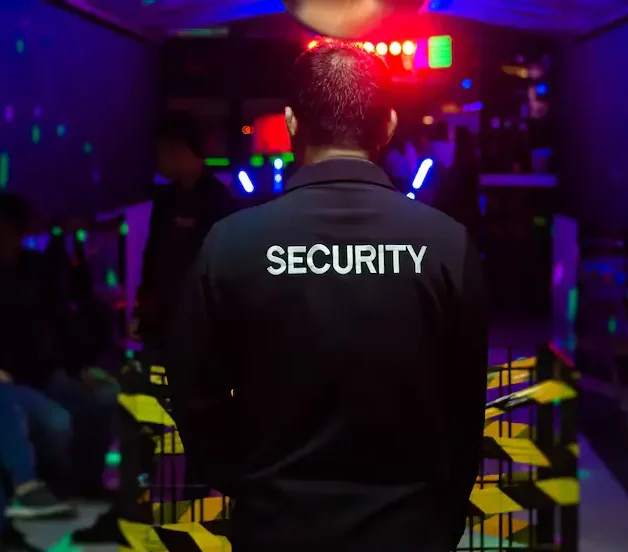
London’s security industry is booming. New venues, more events, higher footfall in shopping centres, and stricter safety expectations after recent legislation changes mean that demand for licensed security staff has never been higher. If you’re thinking about starting a career in this field, enrolling on the right security guard course in London is the single most important decision you’ll make before you even apply for your first job.
The problem is that not every course delivers what it promises. Some people spend money, sit through training, and still end up struggling to pass their SIA exam or find work afterwards. In almost every case, this comes down to the same handful of avoidable mistakes.
This guide walks through the most common ones, so you can sidestep them and go straight from training to a licensed, paid position.
Mistake 1: Choosing a Course Based on Price Alone
It’s tempting to book the cheapest option you can find. Nobody wants to overspend on training, especially when you’re just starting out and haven’t earned a wage in the industry yet. But price should never be the only factor.
A course that’s priced far below the market average is usually cutting corners somewhere. That might mean:
- Fewer contact hours with a trainer
- Outdated course materials that don’t reflect current SIA specifications
- Large class sizes where you barely get individual attention
- No real practical scenario training, just slides and a workbook
The SIA sets a minimum number of guided learning hours for security training, so a genuinely compliant course can’t be delivered in a fraction of the time just because a provider wants to undercut competitors. If a price looks too good to be true, ask exactly how many hours of training are included and what’s covered in each module before you hand over any money.
Mistake 2: Not Checking Awarding Body Accreditation
Every legitimate security course in the UK must be delivered against a specification set by an SIA-approved awarding organisation, such as Highfield or NCFE. This isn’t a small technicality. If your course isn’t linked to a recognised awarding body, your certificate won’t count towards an SIA licence application, no matter how much you paid or how well you did on the day.
Before booking, look for the awarding body’s logo and qualification code on the provider’s website. A reputable training centre will state this clearly and won’t hesitate to confirm it if you ask directly.
Mistake 3: Ignoring the Trainer’s Real-World Experience
Classroom theory only gets you so far in security work. The best trainers have actually worked the door, managed conflict situations, or supervised teams on live sites. They bring real scenarios into the room instead of just reading from a manual.
Ask a provider who will be delivering the course before you enrol. If nobody can tell you, or if the trainer has no operational background, that’s a warning sign. Security work involves unpredictable situations, and you want to learn from someone who has actually handled them, not just someone certified to teach a syllabus.
Mistake 4: Overlooking the Venue and Facilities
Where you train matters more than people expect. A cramped room with no space for physical intervention practice, poor lighting, or no proper break-out area for group exercises will affect how much you actually absorb during the course.
Physical intervention modules in particular need enough space for demonstrations and supervised practice. If a provider trains everyone in a small office because it’s cheaper to rent, your practical skills will suffer, and that’s exactly the part of the course examiners and future employers care about most.
Mistake 5: Skipping the Small Print on Exam Resits
Nearly everyone assumes they’ll pass first time, but exams don’t always go to plan. Nerves, unfamiliar question phrasing, or simply having an off day can affect anyone.
Before booking, find out:
- What happens if you don’t pass the multiple-choice exam or the practical assessment?
- Is a resit included in the price, or is it an extra charge?
- How soon can you resit, and does the provider offer support in the meantime?
Providers that are upfront about resit policy are usually more confident in their pass rates. Vague or evasive answers here are a red flag.
Mistake 6: Not Confirming What’s Included in the Price
Some providers advertise a low headline price, then add on costs for the DBS check, course materials, exam fees, or even the room hire for the practical assessment. By the time you’ve paid for everything, you could be spending significantly more than a provider who was upfront about an all-inclusive price from the start.
Always ask for a full breakdown before you commit. A transparent provider will list exactly what’s covered: tuition, materials, exam fees, and any administrative costs tied to your SIA application.
Mistake 7: Choosing a Course That Doesn’t Fit Your Schedule
Many people training for a security guard course in London are doing it alongside another job, family responsibilities, or study. If a provider only offers rigid weekday daytime sessions, that might rule out people who can’t take that much time off work.
Look for providers offering evening, weekend, or fast-track intensive options if your schedule is tight. Training that fits around your life is far more likely to get finished, rather than abandoned halfway through because attendance became impossible.
Mistake 8: Not Researching Reviews and Past Learner Outcomes
A provider’s website will always describe itself in the best possible light. What matters more is what previous learners actually experienced. Independent reviews on Google, Trustpilot, or course comparison sites give a much clearer picture of teaching quality, organisation, and how the provider handles problems when things don’t go smoothly.
Look specifically for comments about:
- How prepared learners felt for the exam
- Whether trainers explained things clearly
- How quickly certificates and licence paperwork were processed after the course
A pattern of similar complaints across multiple reviews is worth taking seriously, even if the overall star rating looks decent.
Mistake 9: Forgetting About Post-Course Support
Passing your course and getting your SIA licence is only the first step. Actually finding work is the real goal. Some training providers stop supporting you the moment you walk out the door with your certificate, while others help connect learners with local employers, offer CV guidance, or maintain relationships with security companies actively hiring.
If job placement support matters to you, ask specifically what happens after the course ends. Don’t assume it’s included just because a provider mentions “career support” somewhere on their homepage.
Mistake 10: Assuming All Providers Offer the Same Course Content
Not every security course covers identical ground, even when they lead to the same licence. Some providers go beyond the minimum SIA specification, adding extra modules on conflict management, first aid awareness, or customer service skills that make graduates more attractive to employers.
Comparing course syllabuses side by side, rather than assuming they’re interchangeable, can make a real difference to how confident and well-rounded you feel walking into your first shift.
How to Choose the Right Course Instead
Avoiding these ten mistakes comes down to asking the right questions before you pay a deposit:
- Is the course linked to an SIA-approved awarding body?
- Who is delivering the training, and what’s their real-world background?
- What does the price actually include, with no hidden extras?
- What happens if I don’t pass first time?
- Does the schedule realistically fit around my life?
- What do past learners say about their experience?
- Is there support finding work once I’m licensed?
A provider that answers all of these clearly, without hesitation or vague responses, is almost always a safer choice than one that only talks about price.
If you’re currently comparing options, a well-structured security guard course in London should give you clarity on every one of these points before you commit. Taking the time to compare properly now saves you from wasted money, wasted weeks, and a licence application that goes nowhere.
Final Thoughts
Choosing a security course isn’t just about ticking a box so you can apply for a licence. It’s the foundation for how confident and capable you’ll feel once you’re actually on the job, whether that’s managing entry to a venue, patrolling a site, or handling a difficult situation calmly and professionally.
Taking a little extra time to research providers properly, ask direct questions, and compare what’s really on offer will put you in a far stronger position than rushing to book the cheapest course you can find. Get this decision right, and everything that follows, from passing your exam to landing your first role, becomes considerably easier.
Frequently Asked Questions
1. What should I check first before booking a security guard course in London? Start by confirming the course is linked to an SIA-approved awarding body. Without this, your certificate won’t count towards an SIA licence application, regardless of how good the training itself was.
2. Is a cheaper security course always a bad choice? Not necessarily, but a price far below average often means fewer training hours, larger class sizes, or missing practical elements. Always ask what’s included before assuming a low price is a good deal.
3. How long does a security guard course in London usually take? Most courses run over several days to align with SIA-mandated guided learning hours. Intensive options can compress this into a shorter timeframe, while part-time formats spread it across evenings or weekends.
4. What happens if I fail the exam on a security course? Policies vary by provider. Some include a free resit, others charge extra. Always ask about resit terms and turnaround time before enrolling, so you’re not caught off guard if it happens.
5. Do all security courses in London cover the same content? No. While all must meet the SIA’s minimum specification, some providers add extra modules on conflict management, customer service, or first aid awareness that go beyond the basics.
6. Why does the trainer’s background matter for a security course? Trainers with genuine operational experience bring real scenarios and practical insight into lessons, which helps learners understand how to apply theory in unpredictable, real-world situations.
7. Can I do a security guard course in London while working full-time? Yes, many providers offer evening, weekend, or fast-track options specifically for people balancing training with a job or other commitments.
8. Does completing a course guarantee I’ll get a security job? No course can guarantee employment, but providers offering post-course support, such as CV help or employer connections, generally make it easier to find work once you’re licensed.
9. How can I tell if a training provider is reputable? Check for clear accreditation details, transparent pricing, and independent reviews from past learners on platforms like Google or Trustpilot, rather than relying only on the provider’s own website.
10. What documents or checks are needed alongside a security course? You’ll typically need a DBS check and proof of the right to work in the UK as part of your SIA licence application. Confirm with your provider whether the DBS cost is included in your course fee or charged separately.