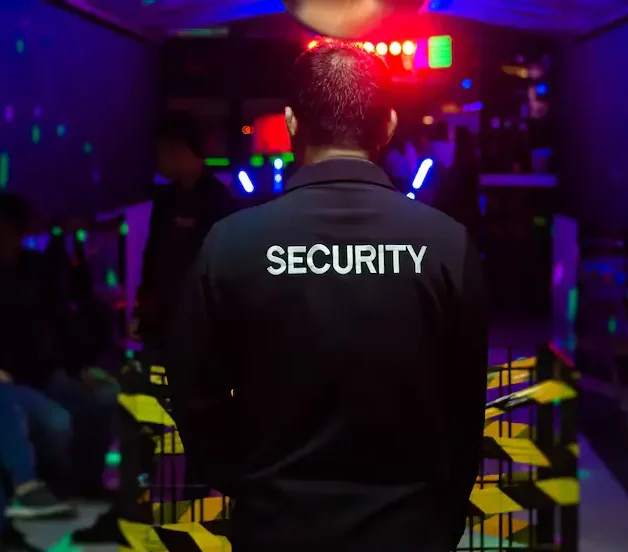

If you want to work as a door supervisor anywhere in the UK, including London, you must hold a valid SIA licence. This guide walks you through everything about the SIA Licence Door Supervisor Course in London, written in simple English, so you understand exactly what the licence means, how to get it, and what comes after.
What Does SIA Stand For?
SIA stands for the Security Industry Authority. It’s the official UK body responsible for regulating the private security industry, including door supervisors, security guards, and close protection officers. Without an SIA license, it is illegal to work as a door supervisor anywhere in the country.
The SIA was created to make sure everyone working in security meets a consistent standard, so employers and members of the public can trust that a licensed door supervisor has been properly trained, background checked, and assessed before starting work. This is why the licence carries real weight in the industry it isn’t just a formality, it’s proof that you’ve met a national standard.
What Is a Door Supervisor, Exactly?
A door supervisor is a licensed security professional who works at entrances to venues such as pubs, nightclubs, bars, hotels, and events. Their job is to manage who enters and exits, prevent trouble before it starts, and deal calmly with any incidents that occur. If you’re new to the role, read what is a door supervisor and why is the role important in London for a full introduction.
People sometimes confuse the terms “door supervisor,” “bouncer,” and “security guard,” but they aren’t quite the same thing. For a clearer explanation, see supervisor or guard – understanding the job differences and bouncer vs supervisor – clearing up the confusion.
What Are the Main Responsibilities of a Door Supervisor?
Once licensed, a door supervisor’s day to day duties typically include checking identification, managing entry to a venue, searching bags where necessary, and stepping in calmly if a situation starts to escalate. For a full breakdown of these duties, read what are the main responsibilities of a door supervisor.
How Does the Course Prepare You for the Job?
The SIA License Door Supervisor Course is designed to prepare you for real situations you’ll face on the job, not just to pass an exam. To understand exactly how the training connects to real world work, see how does a door supervisor course prepare you for real security work.
What Skills Does the Course Teach?
The course is broken into four core units set by the SIA:
1. Working in the Private Security Industry
This covers your legal responsibilities, health and safety basics, and how the wider security industry operates. If you want to go deeper on the legal side, read legal duties every supervisor must understand, health and safety rules covered during training, and licensing law basics every trainee learns.
2. Working as a Door Supervisor
This unit focuses on practical, everyday tasks: checking ID, searching people and bags, and recognising signs of drug or alcohol misuse. For more detail on these areas, see drug awareness training – why it’s part of the curriculum, how to check ID properly in door supervisor course London, and search procedures explained for new recruits.
3. Conflict Management
You’ll learn how to calm down tense situations through communication, not force. Good customer service skills also play a big role here see customer service skills that matter on the door and why communication training is a bigger deal than you think. You’ll also learn practical scenarios like how to handle intoxicated customers in security jobs London, how to control crowds in busy nightclubs in London, and how to deal with aggressive customers as a door supervisor.
4. Physical Intervention Skills
This unit teaches safe physical techniques used only when talking haven’t worked. It also touches on the legal side of using force, covered in more detail in use of force laws every supervisor must know and basic self defense techniques covered in class.
Emergency and Safety Training
Alongside the core units, the course also covers how to respond in emergencies. This includes how trainees are taught to handle emergencies, fire safety basics covered in security training, and terrorism awareness – a core part of modern training. These topics are becoming an increasingly important part of the modern security curriculum, especially in a city as busy as London.
Record Keeping and Reporting
Door supervisors are also expected to keep accurate records of incidents. This is covered during training and explained further in record keeping duties you’ll be trained on and report writing skills every supervisor needs. Good written records protect both the venue and the door supervisor if an incident is ever questioned later.
Who Can Apply for the Course?
You don’t need any previous experience in security to start this course. Most training providers only require that you:
- Are at least 18 years old
- Have the legal right to work in the UK
- Do not have certain serious criminal convictions that would prevent SIA approval
This makes the course accessible to a wide range of people, whether you’re switching careers, looking for your first job, or adding a new qualification to your CV. The course itself is beginner friendly, and trainers don’t expect you to know anything about security beforehand.
How Long Does the Course Take?
Most SIA License Door Supervisor Courses in London run for around 4 to 6 days, depending on the provider and course format. Many centers offer weekday, weekend, and evening options, so you can choose whichever fits your schedule best. Whichever format you pick, the license you end up with is exactly the same.
What Happens During the Exams?
At the end of the course, you’ll sit short multiple choice exams covering the four units you’ve studied. These exams are designed to check that you’ve understood the material, not to catch you out. Most people who attend all the sessions and pay attention pass without major difficulty. If you don’t pass on your first attempt, most providers offer resist options, so it isn’t the end of the road.
Choosing the Right Training Provider
Since your SIA license depends on completing an approved course, it’s worth choosing your training provider carefully. Look for:
- Confirmation that the course is SIA approved
- Experienced, qualified trainers
- Reasonable class sizes so you get proper attention
- Clear information about pricing and what’s included
- Support with your licence application after the course ends
Taking a little time to compare providers before enrolling can make a real difference to how confident and prepared you feel going into your exams.
Applying for Your SIA Licence
Once you’ve completed the course and passed your exams, the next step is applying for your SIA licence. This involves submitting an online application, proving your identity, paying the licence fee, and passing a criminal record check. The whole process usually takes a few weeks from application to approval, so it’s a good idea to apply as soon as you’ve passed your exams rather than waiting.
Your license isn’t permanent it needs to be renewed periodically. If you want to understand this process in advance, read renewing your SIA badge – a simple walkthrough and do you need refresher training after a few years. Knowing the renewal timeline in advance helps you avoid any gap between your old license expiring and your new one being approved.
Life after You’re Licensed
Once your SIA license comes through, you’re free to start applying for door supervisor roles anywhere in the UK. In London specifically, opportunities are plentiful given the size of the nightlife and events industry. If you want to plan your longer term career path, see how to start a career in the security industry in London.
Many door supervisors also choose to add extra skills or certifications over time. Popular options include:
- Pairing your badge with CCTV operator training
- Why first aid at work certification boosts your CV
- Why first aid skills matter for frontline security staff
- Adding close protection skills to your resume
- Courses worth adding after your first year on the job
- Up skilling ideas for career minded supervisors
Understanding Working Patterns in This Industry
Door supervisor work often includes evening and night shifts, since most venues that need security are busiest after dark. To get a realistic idea of what to expect, read is night shift work common in this industry and understanding typical shift patterns and rotes.
Thinking Long Term: Self Employment and Beyond
Some experienced door supervisors eventually choose to go self employed or even start their own security company. If this interests you as a future goal, it’s worth reading going self employed – is it right for you and starting your own security firm from scratch. These paths usually come after gaining real experience on the job, but it’s good to know they exist from the very beginning of your career.
Common Questions about the SIA License
Do I need to renew my SIA license? Yes, SIA licenses are valid for a set period and must be renewed before they expire.
Can my license cover more than one type of security role? Some license categories can apply to different roles, though door supervisor licenses are specific to front of house security work like this.
What happens if my license application is refused? This can happen if the criminal record check raises concerns. It’s worth being upfront and honest throughout the application process.
Is the SIA license recognized across the whole UK? Yes, once you hold an SIA license, it’s recognized nationally, not just in London.
Pay and Demand in London
London’s size and busy nightlife scene mean there’s consistently strong demand for licensed door supervisors. Pay can vary depending on the venue, shift times, and your level of experience, but night shifts and weekend work often come with higher rates. Because the SIA license is recognized across the country, it also gives you the flexibility to work in other UK cities later if you ever choose to relocate.
Why This License Matters for Your Career
Holding an SIA license isn’t just a legal requirement it’s also a signal to employers that you’re serious about the profession and have met a recognized national standard. Many venues, event organizers, and security companies won’t even consider an application without it, so completing your course and getting licensed is the essential first step before anything else in this career becomes possible. It also opens the door to further qualifications later, since many advanced security roles require you to already hold a door supervisor license as a starting point.
Final Thoughts
The SIA Licence Door Supervisor Course in London is your official route into a career as a licensed security professional. It covers everything from legal responsibilities and conflict management to physical intervention and emergency response, giving you a well rounded foundation before you step into the job. Once licensed, London offers steady demand for door supervisors across its bars, clubs, hotels, and events, along with plenty of room to build a long term career in the security industry.
If you’re ready to take the first step, look for an SIA approved Door Supervisor Course in London and begin your licence application journey today.