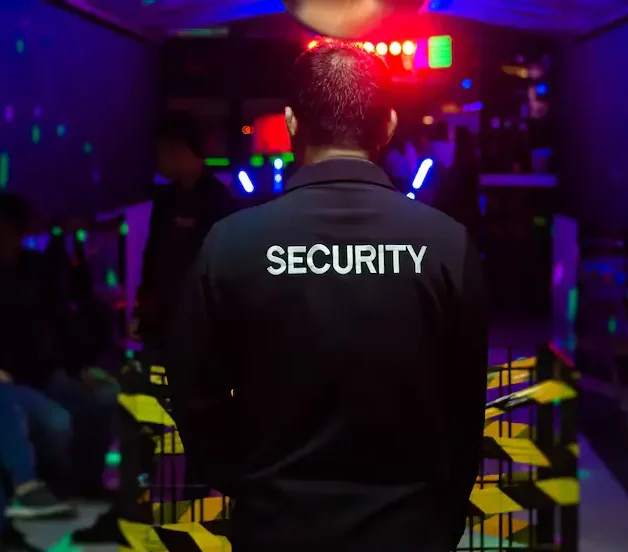
When people hear the term “door supervisor,” they may imagine someone standing outside a nightclub, checking identification and managing entry. While this is certainly one part of the job, door supervision is a much broader occupation within the UK’s private security industry.
For some people, door supervision may begin as a way to earn additional income, gain work experience or enter the security sector without committing to a long-term career immediately. For others, it can become the foundation for a professional security career that develops across different environments and responsibilities.
Whether door supervision is temporary or long-term ultimately depends on the individual’s goals, skills, experience and willingness to develop professionally. The role can provide experience that is relevant to other areas of private security, but it also has its own career opportunities for people who choose to remain in the sector.
For anyone considering a Door Supervisor Course London, understanding the longer-term possibilities can help provide a more realistic picture of what the occupation involves.
What Does a Door Supervisor Actually Do?
A door supervisor is a licensed security professional who commonly works at licensed premises and entertainment venues. Their responsibilities can include controlling access, monitoring customers, maintaining order, identifying potential problems and responding appropriately when incidents occur.
The role involves considerably more than simply standing at an entrance.
Depending on the workplace, a door supervisor may check identification, monitor capacity, search individuals where legally and contractually permitted, deal with prohibited items, assist with emergency procedures and communicate with venue management.
They may also have to manage difficult situations involving disagreements, intoxicated customers or people attempting to enter without permission.
This means the job requires a combination of communication, observation, judgement and professionalism. Physical intervention is only one aspect of the role and should not be viewed as the primary purpose of door supervision.
The SIA regulates door supervision as a licensable private security activity. Individuals undertaking regulated door supervision work generally need the appropriate front-line SIA licence.
Why Do People Start in Door Supervision?
There are several reasons people choose door supervision as their entry point into security.
One reason is flexibility. Security work can include evening, night-time and weekend shifts, which may suit people who have other daytime commitments.
Another reason is that the role provides direct experience dealing with the public. Someone who has never worked in security can develop practical experience in communication, conflict management, observation and incident reporting.
Door supervision can also introduce workers to the wider security industry. Through colleagues, employers and different assignments, an individual may become aware of other career paths within private security.
For some people, the initial motivation may simply be earning an income. That does not mean the role has to remain temporary.
Can Door Supervision Become a Long-Term Career?
Yes. Door supervision can become a long-term occupation, although the opportunities available to an individual will depend on their experience, qualifications, location and employer.
Some professionals continue working in licensed venues for many years. Others gradually move into supervisory or management responsibilities.
Experience gained as a door supervisor can also help someone understand how security operations work in real-world environments. This experience may be useful when considering related areas of the industry, provided the person obtains any additional qualifications or licences required for those roles.
Career development does not necessarily mean leaving door supervision. A person can progress within the same area by taking on greater responsibility, becoming a team leader or moving into venue security management.
The industry therefore does not have to be viewed as a short-term stepping stone.
Building Experience Through Different Venues
One advantage of working in door supervision is the variety of environments available.
A person might initially work at a small licensed venue and later gain experience at larger bars, clubs, hotels, concerts or other entertainment settings.
Each environment can present different operational challenges.
A smaller venue may require close interaction with customers and staff, while a large event can involve significantly greater numbers of people and more complex access arrangements.
Working in different environments can help security professionals develop adaptability. They learn that effective security is not always about applying the same approach everywhere. Procedures must take account of the venue, audience, risks and instructions provided by management.
Skills That Can Develop Over Time
Door supervision can help develop several transferable professional skills.
Communication
Security professionals regularly communicate with customers, colleagues, venue staff, managers and emergency services. Clear and respectful communication can help prevent misunderstandings and reduce tension.
Conflict Management
Door supervisors may encounter disagreements or challenging behaviour. Understanding how to communicate calmly and assess situations is important.
Observation
Security work requires attention to surroundings. Recognising unusual behaviour or potential problems early can help prevent incidents from becoming more serious.
Decision-Making
Security personnel often need to make decisions within workplace procedures and legal boundaries. Good judgement is therefore an important part of professional development.
Report Writing
Incident reporting is another useful skill. Security professionals may need to record what happened, when it happened and what action was taken. Accurate documentation can be important for employers and other relevant parties.
These skills can remain useful even if an individual eventually moves into another occupation.
Is the Work Only About Nightclubs?
No. Nightclubs and bars are highly visible examples of door supervision, but they are not the only environments where licensed door supervisors may work.
The role can be relevant to different types of licensed premises and events where access control and maintaining safety are required.
This variety can be particularly useful in a large city such as London, where the hospitality and entertainment sectors operate across many different areas.
The exact responsibilities depend on the assignment and employer. A professional should always understand the duties they are expected to perform and ensure that their licence covers the relevant activity.
Door Supervision and Other Security Careers
One reason people consider door supervision as a starting point is that the private security industry contains several different career paths.
Security guarding, close protection and CCTV operations are examples of other areas of the regulated security sector, each involving different duties and training requirements.
Door supervision can give someone experience of working in a security environment, but moving into another specialist role normally requires meeting the relevant licensing and qualification requirements.
For example, close protection involves protecting individuals from specific threats and has different training requirements from conventional door supervision. CCTV operators also perform a very different type of work, focusing on monitoring and surveillance rather than physical access control.
Understanding these distinctions is important for anyone planning a long-term career.
Is Door Supervision Suitable as a Second Job?
For some people, yes.
The working hours associated with many door supervision assignments can make the role attractive to people who already have daytime employment. Evening and weekend shifts can sometimes be fitted around other commitments.
However, working unsocial hours can also have disadvantages. Night work may affect sleep patterns and personal routines, while busy periods such as weekends and holidays can be particularly demanding.
Anyone considering the role should therefore think realistically about the working schedule rather than focusing only on potential earnings.
A professional approach to security requires reliability. Employers need staff who arrive on time, follow procedures and remain attentive throughout their shifts.
What Training Is Required?
Anyone planning to work as a front-line door supervisor should understand the relevant SIA licensing requirements before starting training.
The SIA sets the requirements for licence-linked qualifications. Applicants generally need to complete the appropriate qualification before applying for a front-line licence.
Training covers more than physical intervention. Depending on the qualification and current requirements, learners can study subjects relating to the role of a door supervisor, legal responsibilities, communication, conflict management, searching procedures, physical intervention and emergency procedures.
Requirements can change, so prospective learners should always check current SIA guidance before enrolling.
For someone researching training options in the capital, a Door Supervisor Course London can be considered as part of the process of entering the profession.
The Importance of Professional Conduct
A long-term career in security depends on more than holding a licence.
Professional conduct is particularly important because door supervisors regularly represent both their employer and the venue where they work.
Customers may remember how security staff communicate with them, particularly when entry is refused or an incident occurs.
A professional door supervisor should therefore understand the difference between being firm and being unnecessarily confrontational.
Respectful communication, appropriate body language and controlled decision-making can contribute to a safer environment.
Employers may also value people who demonstrate reliability and professionalism consistently rather than only during difficult situations.
Can Door Supervision Lead to Management?
Experience can provide a foundation for greater responsibility.
An experienced security professional may eventually take on supervisory duties, depending on the employer and their capabilities.
Supervisory positions can involve allocating staff, monitoring performance, communicating with venue management, checking that procedures are followed and helping coordinate responses to incidents.
Moving into management may require additional experience and skills beyond those needed for front-line work.
Leadership, organisation, communication and problem-solving become increasingly important as responsibility increases.
This is one reason it can be misleading to describe door supervision simply as a temporary job. Like many occupations, it can provide a starting point from which an individual develops a longer-term professional pathway.
Financial Considerations
Income is naturally an important factor when people consider security work.
However, pay can vary significantly depending on location, employer, assignment, experience, working hours and responsibilities.
Night-time and weekend assignments may have different rates from other shifts, while specialist or supervisory positions may have different compensation structures.
People should be cautious about judging the profession based on advertisements promising unusually high earnings.
A more useful approach is to consider the complete employment package, including contracted hours, shift patterns, travel requirements, responsibilities and opportunities for progression.
Long-term career decisions should be based on realistic expectations rather than short-term earning claims.
The London Security Market
London provides a particularly broad environment for security professionals because of its large hospitality, retail, commercial and entertainment sectors.
The city includes everything from small licensed venues to major entertainment locations and large-scale events.
This variety can provide opportunities for people with different interests and levels of experience.
At the same time, competition can be significant. Holding the required licence is only the beginning. Employers may also look for relevant experience, strong communication skills, reliability and a professional approach.
Building a reputation can therefore be important for someone who intends to remain in the industry.
Continuing Professional Development
A long-term security career requires professionals to keep their knowledge current.
Regulatory requirements can change, and security environments can evolve. Workers may also need refresher training depending on their licence and circumstances.
The SIA has introduced changes to refresher training requirements for door supervisors and security guards. From 1 April 2025, people renewing these licences need to complete the relevant refresher qualification and have an appropriate Emergency First Aid at Work qualification or equivalent before undertaking the refresher training.
This demonstrates that training does not necessarily end when someone obtains their first licence.
Professionals should monitor official SIA updates and ensure that their qualifications and licences remain valid.
Advantages of Treating Door Supervision as a Career
Approaching door supervision as a profession rather than simply a temporary job can change how an individual develops.
Instead of focusing exclusively on getting the next shift, a professional can concentrate on building experience, developing communication skills, understanding legal responsibilities and establishing a reliable reputation.
This can lead to better awareness of workplace expectations and potentially open opportunities for additional responsibilities.
It can also help an individual decide whether they want to specialise in door supervision or explore another part of the security industry.
Challenges of a Long-Term Career
Door supervision is not without challenges.
The work can involve late nights, difficult conversations, unpredictable situations and prolonged periods of standing or remaining alert.
Security professionals may also encounter people who are unwilling to follow venue rules.
Maintaining professionalism in these circumstances can be demanding.
There can also be periods when shifts are less predictable, depending on the employer and venue.
Anyone considering a long-term career should understand these realities before entering the profession.
So, Is Door Supervision Just a Temporary Job?
There is no single answer because it depends on the individual.
For one person, door supervision may be a short-term job while studying or looking for another career. For another, it can become a long-term profession with opportunities to gain experience, take on responsibility and explore other security specialisms.
What matters is how the individual approaches the occupation.
The role can provide valuable experience in public-facing security, communication, conflict management, observation and incident response. These skills can be useful throughout a career in private security.
For people entering the industry, the first priority should be understanding the licensing requirements, completing the appropriate training and choosing work that matches their career goals.
Final Thoughts
Door supervision should not automatically be viewed as temporary work.
It can be a flexible source of employment, but it can also form part of a broader professional security career. Some people remain in door supervision, while others use their experience to move towards supervisory, management or specialist security roles.
The most important consideration is to approach the profession with realistic expectations. A licence provides the legal foundation for regulated work, but professionalism, communication, reliability and continued development can influence long-term career prospects.
For anyone considering entering the sector in London, researching the current SIA requirements and understanding what the work actually involves is an important first step. A suitable Door Supervisor Course London can then provide the relevant training pathway for those who decide that door supervision is the right direction for them.